mirror of
https://github.com/c3lang/c3c.git
synced 2026-02-27 20:11:17 +00:00
Compare commits
2 Commits
| Author | SHA1 | Date | |
|---|---|---|---|

|
058d637407 | ||
|
|
01335f6862 |
173
.github/workflows/main.yml
vendored
173
.github/workflows/main.yml
vendored
@@ -11,7 +11,7 @@ env:
|
||||
LLVM_RELEASE_VERSION_MAC: 17
|
||||
LLVM_RELEASE_VERSION_LINUX: 17
|
||||
LLVM_RELEASE_VERSION_UBUNTU20: 17
|
||||
LLVM_DEV_VERSION: 21
|
||||
LLVM_DEV_VERSION: 20
|
||||
jobs:
|
||||
|
||||
build-msvc:
|
||||
@@ -51,17 +51,17 @@ jobs:
|
||||
run: |
|
||||
call "C:\Program Files\Microsoft Visual Studio\2022\Enterprise\VC\Auxiliary\Build\vcvarsall.bat" x64
|
||||
cd resources/testproject
|
||||
..\..\build\${{ matrix.build_type }}\c3c.exe -vvv --emit-llvm run hello_world_win32 --trust=full
|
||||
dir build\llvm\windows-x64
|
||||
..\..\build\${{ matrix.build_type }}\c3c.exe -vvv --emit-llvm run hello_world_win32
|
||||
dir build\llvm_ir
|
||||
..\..\build\${{ matrix.build_type }}\c3c.exe clean
|
||||
dir build\llvm\windows-x64
|
||||
dir build\llvm_ir
|
||||
|
||||
|
||||
- name: Build testproject lib
|
||||
run: |
|
||||
cd resources/testproject
|
||||
call "C:\Program Files\Microsoft Visual Studio\2022\Enterprise\VC\Auxiliary\Build\vcvarsall.bat" x64
|
||||
..\..\build\${{ matrix.build_type }}\c3c.exe -vvv build hello_world_win32_lib --trust=full
|
||||
..\..\build\${{ matrix.build_type }}\c3c.exe -vvv build hello_world_win32_lib
|
||||
|
||||
- name: Compile and run dynlib-test
|
||||
run: |
|
||||
@@ -77,26 +77,26 @@ jobs:
|
||||
|
||||
- name: Vendor-fetch
|
||||
run: |
|
||||
build\${{ matrix.build_type }}\c3c.exe vendor-fetch raylib55_v7
|
||||
build\${{ matrix.build_type }}\c3c.exe vendor-fetch raylib5
|
||||
|
||||
- name: Try raylib5
|
||||
run: |
|
||||
cd resources
|
||||
..\build\${{ matrix.build_type }}\c3c.exe vendor-fetch raylib55_v7
|
||||
..\build\${{ matrix.build_type }}\c3c.exe compile --lib raylib55_v7 --print-linking examples\raylib\raylib_arkanoid.c3
|
||||
..\build\${{ matrix.build_type }}\c3c.exe compile --lib raylib55_v7 --print-linking examples\raylib\raylib_snake.c3
|
||||
..\build\${{ matrix.build_type }}\c3c.exe compile --lib raylib55_v7 --print-linking examples\raylib\raylib_tetris.c3
|
||||
..\build\${{ matrix.build_type }}\c3c.exe vendor-fetch raylib5
|
||||
..\build\${{ matrix.build_type }}\c3c.exe compile --lib raylib5 --print-linking examples\raylib\raylib_arkanoid.c3
|
||||
..\build\${{ matrix.build_type }}\c3c.exe compile --lib raylib5 --print-linking examples\raylib\raylib_snake.c3
|
||||
..\build\${{ matrix.build_type }}\c3c.exe compile --lib raylib5 --print-linking examples\raylib\raylib_tetris.c3
|
||||
|
||||
- name: run compiler tests
|
||||
run: |
|
||||
cd test
|
||||
python3.exe src/tester.py ..\build\${{ matrix.build_type }}\c3c.exe test_suite/
|
||||
|
||||
- name: Compile run unit tests
|
||||
run: |
|
||||
cd test
|
||||
..\build\${{ matrix.build_type }}\c3c.exe compile-test unit -O1
|
||||
|
||||
- name: run compiler tests
|
||||
run: |
|
||||
cd test
|
||||
..\build\${{ matrix.build_type }}\c3c.exe compile-run -O1 src/test_suite_runner.c3 -- ..\build\${{ matrix.build_type }}\c3c.exe test_suite/ --no-terminal
|
||||
|
||||
- name: Test python script
|
||||
run: |
|
||||
py msvc_build_libraries.py --accept-license
|
||||
@@ -112,7 +112,7 @@ jobs:
|
||||
|
||||
build-msys2-mingw:
|
||||
runs-on: windows-latest
|
||||
if: ${{ false }}
|
||||
# if: ${{ false }}
|
||||
strategy:
|
||||
# Don't abort runners if a single one fails
|
||||
fail-fast: false
|
||||
@@ -132,18 +132,17 @@ jobs:
|
||||
install: git binutils mingw-w64-x86_64-clang mingw-w64-x86_64-ninja mingw-w64-x86_64-cmake mingw-w64-x86_64-toolchain mingw-w64-x86_64-python
|
||||
- shell: msys2 {0}
|
||||
run: |
|
||||
pacman --noconfirm -U https://mirror.msys2.org/mingw/mingw64/mingw-w64-x86_64-llvm-20.1.0-1-any.pkg.tar.zst
|
||||
pacman --noconfirm -U https://mirror.msys2.org/mingw/mingw64/mingw-w64-x86_64-lld-20.1.0-1-any.pkg.tar.zst
|
||||
pacman --noconfirm -U https://mirror.msys2.org/mingw/mingw64/mingw-w64-x86_64-llvm-19.1.6-1-any.pkg.tar.zst
|
||||
pacman --noconfirm -U https://mirror.msys2.org/mingw/mingw64/mingw-w64-x86_64-lld-19.1.6-1-any.pkg.tar.zst
|
||||
- name: CMake
|
||||
run: |
|
||||
cmake -B build -G Ninja -DCMAKE_C_COMPILER=clang -DCMAKE_BUILD_TYPE=${{ matrix.build_type }} -DCMAKE_LINKER=lld
|
||||
cmake -B build -G Ninja -DCMAKE_C_COMPILER=clang -DCMAKE_BUILD_TYPE=${{ matrix.build_type }}
|
||||
cmake --build build
|
||||
|
||||
- name: Compile and run some examples
|
||||
run: |
|
||||
cd resources
|
||||
../build/c3c compile-run --print-linking examples/hello_world_many.c3
|
||||
../build/c3c compile-run --print-linking examples/process.c3
|
||||
../build/c3c compile-run --print-linking examples/time.c3
|
||||
../build/c3c compile-run --print-linking examples/fannkuch-redux.c3
|
||||
../build/c3c compile-run --print-linking examples/contextfree/boolerr.c3
|
||||
@@ -154,22 +153,22 @@ jobs:
|
||||
- name: Build testproject
|
||||
run: |
|
||||
cd resources/testproject
|
||||
../../build/c3c run -vvv --trust=full
|
||||
../../build/c3c run -vvv
|
||||
|
||||
- name: Vendor-fetch
|
||||
run: |
|
||||
./build/c3c vendor-fetch raylib55_v7
|
||||
./build/c3c vendor-fetch raylib5
|
||||
|
||||
- name: Build testproject lib
|
||||
run: |
|
||||
cd resources/testproject
|
||||
../../build/c3c build hello_world_lib --cc cc -vvv --trust=full
|
||||
../../build/c3c build hello_world_lib --cc cc -vvv
|
||||
|
||||
- name: run compiler tests
|
||||
run: |
|
||||
cd test
|
||||
../build/c3c.exe compile --target windows-x64 -O1 src/test_suite_runner.c3
|
||||
./test_suite_runner.exe ../build/c3c.exe test_suite/ --no-terminal
|
||||
python3 src/tester.py ../build/c3c.exe test_suite/
|
||||
|
||||
|
||||
build-msys2-clang:
|
||||
runs-on: windows-latest
|
||||
@@ -210,26 +209,26 @@ jobs:
|
||||
- name: Build testproject
|
||||
run: |
|
||||
cd resources/testproject
|
||||
../../build/c3c run -vvv --trust=full
|
||||
../../build/c3c run -vvv
|
||||
|
||||
- name: Build testproject lib
|
||||
run: |
|
||||
cd resources/testproject
|
||||
../../build/c3c build hello_world_lib -vvv --trust=full
|
||||
../../build/c3c build hello_world_lib -vvv
|
||||
|
||||
- name: run compiler tests
|
||||
run: |
|
||||
cd test
|
||||
../build/c3c.exe compile-run -O1 src/test_suite_runner.c3 -- ../build/c3c.exe test_suite/ --no-terminal
|
||||
python3 src/tester.py ../build/c3c.exe test_suite/
|
||||
|
||||
build-linux:
|
||||
runs-on: ubuntu-22.04
|
||||
runs-on: ubuntu-latest
|
||||
strategy:
|
||||
# Don't abort runners if a single one fails
|
||||
fail-fast: false
|
||||
matrix:
|
||||
build_type: [Release, Debug]
|
||||
llvm_version: [17, 18, 19, 20]
|
||||
llvm_version: [17, 18, 19]
|
||||
|
||||
steps:
|
||||
- uses: actions/checkout@v4
|
||||
@@ -350,7 +349,7 @@ jobs:
|
||||
- name: Build testproject
|
||||
run: |
|
||||
cd resources/testproject
|
||||
../../build/c3c run -vvv --trust=full
|
||||
../../build/c3c run -vvv
|
||||
|
||||
- name: Test WASM
|
||||
run: |
|
||||
@@ -369,7 +368,7 @@ jobs:
|
||||
- name: Build testproject direct linker
|
||||
run: |
|
||||
cd resources/testproject
|
||||
../../build/c3c run -vvv --linker=builtin --trust=full
|
||||
../../build/c3c run -vvv --linker=builtin
|
||||
|
||||
- name: Init a library & a project
|
||||
run: |
|
||||
@@ -381,7 +380,7 @@ jobs:
|
||||
- name: run compiler tests
|
||||
run: |
|
||||
cd test
|
||||
../build/c3c compile-run -O1 src/test_suite_runner.c3 -- ../build/c3c test_suite/
|
||||
python3 src/tester.py ../build/c3c test_suite/
|
||||
|
||||
- name: bundle_output
|
||||
if: matrix.llvm_version == env.LLVM_RELEASE_VERSION_LINUX
|
||||
@@ -390,8 +389,6 @@ jobs:
|
||||
cp -r lib c3
|
||||
cp msvc_build_libraries.py c3
|
||||
cp build/c3c c3
|
||||
cp README.md c3
|
||||
cp releasenotes.md c3
|
||||
tar czf c3-linux-${{matrix.build_type}}.tar.gz c3
|
||||
|
||||
- name: upload artifacts
|
||||
@@ -408,7 +405,7 @@ jobs:
|
||||
fail-fast: false
|
||||
matrix:
|
||||
build_type: [Release, Debug]
|
||||
llvm_version: [17, 18, 19, 20]
|
||||
llvm_version: [17, 18, 19]
|
||||
steps:
|
||||
- uses: actions/checkout@v4
|
||||
- name: Install common deps
|
||||
@@ -489,30 +486,28 @@ jobs:
|
||||
- name: Compile run unit tests
|
||||
run: |
|
||||
cd test
|
||||
../build/c3c compile-test unit --sanitize=address
|
||||
../build/c3c compile-test unit
|
||||
|
||||
- name: Build testproject
|
||||
run: |
|
||||
cd resources/testproject
|
||||
../../build/c3c run -vvv --trust=full
|
||||
../../build/c3c run -vvv
|
||||
|
||||
- name: Build testproject direct linker
|
||||
run: |
|
||||
cd resources/testproject
|
||||
../../build/c3c run -vvv --linker=builtin --trust=full
|
||||
../../build/c3c run -vvv --linker=builtin
|
||||
|
||||
- name: run compiler tests
|
||||
run: |
|
||||
cd test
|
||||
../build/c3c compile-run -O1 src/test_suite_runner.c3 -- ../build/c3c test_suite/
|
||||
python3 src/tester.py ../build/c3c test_suite/
|
||||
|
||||
- name: bundle_output
|
||||
if: matrix.llvm_version == env.LLVM_RELEASE_VERSION_UBUNTU20
|
||||
run: |
|
||||
mkdir c3
|
||||
cp -r lib c3
|
||||
cp README.md c3
|
||||
cp releasenotes.md c3
|
||||
cp msvc_build_libraries.py c3
|
||||
cp build/c3c c3
|
||||
tar czf c3-ubuntu-20-${{matrix.build_type}}.tar.gz c3
|
||||
@@ -525,7 +520,7 @@ jobs:
|
||||
path: c3-ubuntu-20-${{matrix.build_type}}.tar.gz
|
||||
|
||||
build-with-docker:
|
||||
runs-on: ubuntu-22.04
|
||||
runs-on: ubuntu-latest
|
||||
strategy:
|
||||
fail-fast: false
|
||||
matrix:
|
||||
@@ -588,7 +583,7 @@ jobs:
|
||||
- name: Build testproject
|
||||
run: |
|
||||
cd resources/testproject
|
||||
../../build/c3c run -vvv --trust=full
|
||||
../../build/c3c run -vvv
|
||||
|
||||
- name: Test WASM
|
||||
run: |
|
||||
@@ -598,7 +593,7 @@ jobs:
|
||||
- name: Build testproject direct linker
|
||||
run: |
|
||||
cd resources/testproject
|
||||
../../build/c3c run -vvv --linker=builtin --trust=full
|
||||
../../build/c3c run -vvv --linker=builtin
|
||||
|
||||
- name: Init a library & a project
|
||||
run: |
|
||||
@@ -610,7 +605,7 @@ jobs:
|
||||
- name: run compiler tests
|
||||
run: |
|
||||
cd test
|
||||
../build/c3c compile-run -O1 src/test_suite_runner.c3 -- ../build/c3c test_suite/
|
||||
python3 src/tester.py ../build/c3c test_suite/
|
||||
|
||||
build-mac:
|
||||
runs-on: macos-latest
|
||||
@@ -642,7 +637,7 @@ jobs:
|
||||
|
||||
- name: Vendor-fetch
|
||||
run: |
|
||||
./build/c3c vendor-fetch raylib55_v7
|
||||
./build/c3c vendor-fetch raylib5
|
||||
|
||||
- name: Compile and run some examples
|
||||
run: |
|
||||
@@ -665,7 +660,7 @@ jobs:
|
||||
- name: Compile run unit tests
|
||||
run: |
|
||||
cd test
|
||||
../build/c3c compile-test unit -O1
|
||||
../build/c3c compile-test unit
|
||||
|
||||
- name: Test WASM
|
||||
run: |
|
||||
@@ -675,28 +670,22 @@ jobs:
|
||||
- name: Build testproject
|
||||
run: |
|
||||
cd resources/testproject
|
||||
../../build/c3c run -vvv --trust=full
|
||||
../../build/c3c run -vvv
|
||||
|
||||
- name: Build testproject direct linker
|
||||
run: |
|
||||
cd resources/testproject
|
||||
../../build/c3c run -vvv --linker=builtin --trust=full
|
||||
../../build/c3c run -vvv --linker=builtin
|
||||
|
||||
- name: Build testproject lib
|
||||
run: |
|
||||
cd resources/testproject
|
||||
../../build/c3c build hello_world_lib -vvv --trust=full
|
||||
../../build/c3c build hello_world_lib -vvv
|
||||
|
||||
- name: run compiler tests
|
||||
run: |
|
||||
cd test
|
||||
../build/c3c compile -O1 src/test_suite_runner.c3
|
||||
./test_suite_runner ../build/c3c test_suite/
|
||||
|
||||
- name: run build test suite runner
|
||||
run: |
|
||||
cd test
|
||||
../build/c3c compile -O1 src/test_suite_runner.c3
|
||||
python3 src/tester.py ../build/c3c test_suite/
|
||||
|
||||
- name: bundle_output
|
||||
if: matrix.llvm_version == env.LLVM_RELEASE_VERSION_MAC
|
||||
@@ -704,8 +693,6 @@ jobs:
|
||||
mkdir macos
|
||||
cp -r lib macos
|
||||
cp msvc_build_libraries.py macos
|
||||
cp README.md macos
|
||||
cp releasenotes.md macos
|
||||
cp build/c3c macos
|
||||
zip -r c3-macos-${{matrix.build_type}}.zip macos
|
||||
|
||||
@@ -716,55 +703,41 @@ jobs:
|
||||
name: c3-macos-${{matrix.build_type}}
|
||||
path: c3-macos-${{matrix.build_type}}.zip
|
||||
|
||||
build-nix:
|
||||
runs-on: ubuntu-22.04
|
||||
strategy:
|
||||
# Don't abort runners if a single one fails
|
||||
fail-fast: false
|
||||
matrix:
|
||||
build_type: [ Release, Debug ]
|
||||
nixpkgs: [ Lock, Latest ]
|
||||
steps:
|
||||
- uses: actions/checkout@v4
|
||||
|
||||
- name: Install Nix
|
||||
uses: cachix/install-nix-action@v30
|
||||
with:
|
||||
github_access_token: ${{ secrets.GITHUB_TOKEN }}
|
||||
|
||||
- name: Update flake (if necessary)
|
||||
run: |
|
||||
if [[ matrix.nixpkgs == "Latest" ]]; then
|
||||
nix flake update
|
||||
fi
|
||||
nix flake info
|
||||
|
||||
- name: Build and check
|
||||
run: |
|
||||
if [[ ${{ matrix.build_type }} = "Debug" ]]; then
|
||||
nix build -L ".#c3c-debug-checks"
|
||||
else
|
||||
nix build -L ".#c3c-checks"
|
||||
fi
|
||||
|
||||
release:
|
||||
runs-on: ubuntu-22.04
|
||||
runs-on: ubuntu-latest
|
||||
needs: [build-msvc, build-linux, build-mac, build-linux-ubuntu20]
|
||||
if: github.ref == 'refs/heads/master'
|
||||
env:
|
||||
GITHUB_TOKEN: ${{ secrets.GITHUB_TOKEN }}
|
||||
|
||||
steps:
|
||||
- uses: actions/checkout@v4
|
||||
- name: delete tag
|
||||
continue-on-error: true
|
||||
uses: actions/github-script@v6
|
||||
with:
|
||||
script: |
|
||||
github.rest.git.deleteRef({
|
||||
owner: context.repo.owner,
|
||||
repo: context.repo.repo,
|
||||
ref: 'tags/latest',
|
||||
sha: context.sha
|
||||
})
|
||||
- name: create tag
|
||||
uses: actions/github-script@v6
|
||||
with:
|
||||
script: |
|
||||
github.rest.git.createRef({
|
||||
owner: context.repo.owner,
|
||||
repo: context.repo.repo,
|
||||
ref: 'refs/tags/latest',
|
||||
sha: context.sha
|
||||
})
|
||||
|
||||
- uses: actions/download-artifact@v4
|
||||
- run: cp -r lib c3-windows-Release
|
||||
- run: cp -r lib c3-windows-Debug
|
||||
- run: cp msvc_build_libraries.py c3-windows-Release
|
||||
- run: cp msvc_build_libraries.py c3-windows-Debug
|
||||
- run: cp README.md c3-windows-Release
|
||||
- run: cp README.md c3-windows-Debug
|
||||
- run: cp releasenotes.md c3-windows-Release
|
||||
- run: cp releasenotes.md c3-windows-Debug
|
||||
- run: zip -r c3-windows.zip c3-windows-Release
|
||||
- run: zip -r c3-windows-debug.zip c3-windows-Debug
|
||||
- run: mv c3-linux-Release/c3-linux-Release.tar.gz c3-linux-Release/c3-linux.tar.gz
|
||||
@@ -773,16 +746,14 @@ jobs:
|
||||
- run: mv c3-ubuntu-20-Debug/c3-ubuntu-20-Debug.tar.gz c3-ubuntu-20-Debug/c3-ubuntu-20-debug.tar.gz
|
||||
- run: mv c3-macos-Release/c3-macos-Release.zip c3-macos-Release/c3-macos.zip
|
||||
- run: mv c3-macos-Debug/c3-macos-Debug.zip c3-macos-Debug/c3-macos-debug.zip
|
||||
- run: gh release delete latest-0.7.0-prerelease --cleanup-tag -y || true
|
||||
- run: echo "RELEASE_NAME=latest-0.7.0-rc-$(date +'%Y%m%d-%H%M')" >> $GITHUB_ENV
|
||||
|
||||
- id: create_release
|
||||
uses: softprops/action-gh-release@v2
|
||||
env:
|
||||
GITHUB_TOKEN: ${{ secrets.GITHUB_TOKEN }}
|
||||
with:
|
||||
tag_name: latest-0.7.0-prerelease
|
||||
name: ${{ env.RELEASE_NAME }}
|
||||
tag_name: latest
|
||||
release_name: latest
|
||||
draft: false
|
||||
prerelease: true
|
||||
files: |
|
||||
|
||||
7
.gitignore
vendored
7
.gitignore
vendored
@@ -79,10 +79,3 @@ TAGS
|
||||
# 'nix build' resulting symlink
|
||||
result
|
||||
|
||||
# macOS
|
||||
.DS_Store
|
||||
|
||||
# tests
|
||||
/test/tmp/*
|
||||
/test/testrun
|
||||
/test/test_suite_runner
|
||||
@@ -38,14 +38,14 @@ set(CMAKE_CXX_STANDARD 17)
|
||||
|
||||
if(MSVC)
|
||||
message(STATUS "MSVC version ${MSVC_VERSION}")
|
||||
set(CMAKE_CXX_FLAGS_RELEASE "${CMAKE_CXX_FLAGS_RELEASE} /O2 /EHsc /utf-8")
|
||||
set(CMAKE_C_FLAGS_RELEASE "${CMAKE_C_FLAGS_RELEASE} /O2 /EHsc /utf-8")
|
||||
set(CMAKE_CXX_FLAGS_DEBUG "${CMAKE_CXX_FLAGS_DEBUG} /Od /Zi /EHa /utf-8")
|
||||
set(CMAKE_C_FLAGS_DEBUG "${CMAKE_C_FLAGS_DEBUG} /Od /Zi /EHa /utf-8")
|
||||
set(CMAKE_CXX_FLAGS_RELEASE "${CMAKE_CXX_FLAGS_RELEASE} /O2 /EHsc")
|
||||
set(CMAKE_C_FLAGS_RELEASE "${CMAKE_C_FLAGS_RELEASE} /O2 /EHsc")
|
||||
set(CMAKE_CXX_FLAGS_DEBUG "${CMAKE_CXX_FLAGS_DEBUG} /Od /Zi /EHa")
|
||||
set(CMAKE_C_FLAGS_DEBUG "${CMAKE_C_FLAGS_DEBUG} /Od /Zi /EHa")
|
||||
else()
|
||||
if (true)
|
||||
set(CMAKE_CXX_FLAGS_RELEASE "${CMAKE_CXX_FLAGS_RELEASE} -O0 -fno-exceptions")
|
||||
set(CMAKE_CXX_FLAGS_DEBUG "${CMAKE_CXX_FLAGS_DEBUG} -gdwarf-3 -O0 -fno-exceptions")
|
||||
set(CMAKE_CXX_FLAGS_RELEASE "${CMAKE_CXX_FLAGS_RELEASE} -O3 -fno-exceptions")
|
||||
set(CMAKE_CXX_FLAGS_DEBUG "${CMAKE_CXX_FLAGS_DEBUG} -gdwarf-3 -fno-exceptions")
|
||||
set(CMAKE_C_FLAGS_RELEASE "${CMAKE_C_FLAGS_RELEASE} -gdwarf-3 -O3 -fno-exceptions")
|
||||
set(CMAKE_C_FLAGS_DEBUG "${CMAKE_C_FLAGS_DEBUG} -gdwarf-3 -fno-exceptions")
|
||||
else()
|
||||
@@ -65,7 +65,6 @@ option(C3_USE_TB "Use TB" OFF)
|
||||
set(C3_MIMALLOC_TAG "v1.7.3" CACHE STRING "Used version of mimalloc")
|
||||
option(C3_WITH_LLVM "Build with LLVM" ON)
|
||||
option(C3_LLD_DIR "Use custom LLD directory" "")
|
||||
option(LLVM_CRT_LIBRARY_DIR "Use custom llvm's compiler-rt directory" "")
|
||||
|
||||
set(C3_USE_MIMALLOC OFF)
|
||||
if(C3_USE_MIMALLOC)
|
||||
@@ -85,7 +84,7 @@ if (NOT WIN32)
|
||||
endif()
|
||||
if(C3_WITH_LLVM)
|
||||
if (NOT C3_LLVM_VERSION STREQUAL "auto")
|
||||
if (${C3_LLVM_VERSION} VERSION_LESS 17 OR ${C3_LLVM_VERSION} VERSION_GREATER 21)
|
||||
if (${C3_LLVM_VERSION} VERSION_LESS 17 OR ${C3_LLVM_VERSION} VERSION_GREATER 20)
|
||||
message(FATAL_ERROR "LLVM ${C3_LLVM_VERSION} is not supported!")
|
||||
endif()
|
||||
endif()
|
||||
@@ -151,13 +150,6 @@ if(C3_WITH_LLVM)
|
||||
endif()
|
||||
endif()
|
||||
|
||||
if (EXISTS /usr/lib)
|
||||
# Some systems (such as Alpine Linux) seem to put some of the relevant
|
||||
# LLVM files in /usr/lib, but this doesn't seem to be included in the
|
||||
# value of LLVM_LIBRARY_DIRS.
|
||||
list(APPEND LLVM_LIBRARY_DIRS /usr/lib)
|
||||
endif()
|
||||
|
||||
message(STATUS "Found LLVM ${LLVM_PACKAGE_VERSION}")
|
||||
message(STATUS "Using LLVMConfig.cmake in: ${LLVM_DIR}")
|
||||
message(STATUS "Libraries located in: ${LLVM_LIBRARY_DIRS}")
|
||||
@@ -253,19 +245,19 @@ if(C3_WITH_LLVM)
|
||||
find_library(LLD_LOONG NAMES libLLVMLoongArchCodeGen.lib libLLVMLoongArchAsmParser.lib libLLVMLoongArchCodeGen.a libLLVMLoongArchAsmParser.a PATHS ${LLVM_LIBRARY_DIRS} NO_DEFAULT_PATH)
|
||||
set(lld_libs
|
||||
${LLD_COFF}
|
||||
${LLD_COMMON}
|
||||
${LLD_WASM}
|
||||
${LLD_MINGW}
|
||||
${LLD_ELF}
|
||||
${LLD_MACHO}
|
||||
${LLD_COMMON}
|
||||
)
|
||||
|
||||
if (APPLE)
|
||||
set(lld_libs ${lld_libs} xar)
|
||||
find_file(RT_ASAN_DYNAMIC NAMES libclang_rt.asan_osx_dynamic.dylib PATHS "${LLVM_LIBRARY_DIR}/clang/${LLVM_MAJOR_VERSION}/lib/darwin" ${LLVM_CRT_LIBRARY_DIR})
|
||||
find_file(RT_TSAN_DYNAMIC NAMES libclang_rt.tsan_osx_dynamic.dylib PATHS "${LLVM_LIBRARY_DIR}/clang/${LLVM_MAJOR_VERSION}/lib/darwin" ${LLVM_CRT_LIBRARY_DIR})
|
||||
find_file(RT_UBSAN_DYNAMIC NAMES libclang_rt.ubsan_osx_dynamic.dylib PATHS "${LLVM_LIBRARY_DIR}/clang/${LLVM_MAJOR_VERSION}/lib/darwin" ${LLVM_CRT_LIBRARY_DIR})
|
||||
find_file(RT_LSAN_DYNAMIC NAMES libclang_rt.lsan_osx_dynamic.dylib PATHS "${LLVM_LIBRARY_DIR}/clang/${LLVM_MAJOR_VERSION}/lib/darwin" ${LLVM_CRT_LIBRARY_DIR})
|
||||
find_file(RT_ASAN_DYNAMIC NAMES libclang_rt.asan_osx_dynamic.dylib PATHS "${LLVM_LIBRARY_DIR}/clang/${LLVM_MAJOR_VERSION}/lib/darwin")
|
||||
find_file(RT_TSAN_DYNAMIC NAMES libclang_rt.tsan_osx_dynamic.dylib PATHS "${LLVM_LIBRARY_DIR}/clang/${LLVM_MAJOR_VERSION}/lib/darwin")
|
||||
find_file(RT_UBSAN_DYNAMIC NAMES libclang_rt.ubsan_osx_dynamic.dylib PATHS "${LLVM_LIBRARY_DIR}/clang/${LLVM_MAJOR_VERSION}/lib/darwin")
|
||||
find_file(RT_LSAN_DYNAMIC NAMES libclang_rt.lsan_osx_dynamic.dylib PATHS "${LLVM_LIBRARY_DIR}/clang/${LLVM_MAJOR_VERSION}/lib/darwin")
|
||||
set(sanitizer_runtime_libraries
|
||||
${RT_ASAN_DYNAMIC}
|
||||
${RT_TSAN_DYNAMIC}
|
||||
@@ -350,7 +342,6 @@ add_executable(c3c
|
||||
src/utils/whereami.c
|
||||
src/utils/cpus.c
|
||||
src/utils/unzipper.c
|
||||
src/compiler/c_codegen.c
|
||||
src/compiler/decltable.c
|
||||
src/compiler/mac_support.c
|
||||
src/compiler/windows_support.c
|
||||
@@ -380,6 +371,7 @@ endif()
|
||||
|
||||
if(C3_WITH_LLVM)
|
||||
target_sources(c3c PRIVATE
|
||||
src/compiler/c_codegen.c
|
||||
src/compiler/llvm_codegen.c
|
||||
src/compiler/llvm_codegen_debug_info.c
|
||||
src/compiler/llvm_codegen_expr.c
|
||||
|
||||
113
CODESTYLE.md
113
CODESTYLE.md
@@ -74,7 +74,7 @@ No space inside parenthesis:
|
||||
|
||||
### Tab vs spaces
|
||||
|
||||
Use tabs for indentation, no CRLF in the source.
|
||||
Recommendation: tabs, 4 spaces wide. No CRLF in the source.
|
||||
|
||||
### If, braces and new lines
|
||||
|
||||
@@ -147,113 +147,4 @@ Iterating over the elements are done using `VECEACH`.
|
||||
### Scratch buffer for strings.
|
||||
|
||||
There is a scratch buffer for strings in the `global_context` prefer using that
|
||||
one with related functions when working on temporary strings.
|
||||
|
||||
# C3 Standard library style guide.
|
||||
|
||||
When contributing to the standard librairy please to your best to follow the following style requirements
|
||||
as to ensure a consistent style in the stdlib and also make accepting PRs more quickly.
|
||||
|
||||
### Braces are placed on the next line
|
||||
|
||||
**NO:**
|
||||
```c
|
||||
fn void foo(String bar) {
|
||||
@pool() {
|
||||
...
|
||||
};
|
||||
}
|
||||
```
|
||||
|
||||
**YES:**
|
||||
```c
|
||||
fn void foo(String bar)
|
||||
{
|
||||
@pool()
|
||||
{
|
||||
...
|
||||
};
|
||||
}
|
||||
```
|
||||
|
||||
### Indentation with tabs
|
||||
|
||||
Use tab for indentation, not spaces, no CRLF in the sources
|
||||
|
||||
### Type names
|
||||
|
||||
Use `PascalCase` not `Ada_Case` for type names.
|
||||
|
||||
**YES:**
|
||||
```c
|
||||
enum MyEnum
|
||||
{
|
||||
ABC,
|
||||
DEF
|
||||
}
|
||||
```
|
||||
|
||||
**NO:**
|
||||
```c
|
||||
enum My_Enum
|
||||
{
|
||||
ABC,
|
||||
DEF
|
||||
}
|
||||
```
|
||||
|
||||
### Type names when binding to OS libraries
|
||||
|
||||
When doing bindings (for instance, adding declarations referring to Win32 APIs),
|
||||
try to retain the original name when possible. If it isn't possible use (consistently)
|
||||
one of two options:
|
||||
|
||||
1. Prefix: `HANDLE` -> `Win32_HANDLE`
|
||||
2. Change the first letter to upper case: `mode_t` -> `Mode_t`
|
||||
|
||||
### Variables, function, methods and globals
|
||||
|
||||
Use `snake_case`, not `camelCase`.
|
||||
|
||||
**YES:**
|
||||
```c
|
||||
int some_global = 1;
|
||||
|
||||
fn void open_file(String special_file)
|
||||
{
|
||||
...
|
||||
}
|
||||
```
|
||||
|
||||
**NO:**
|
||||
```c
|
||||
int someGlobal = 1;
|
||||
|
||||
fn void openFile(String specialFile)
|
||||
{
|
||||
...
|
||||
}
|
||||
```
|
||||
|
||||
### Variables, function, methods and globals when binding to OS libraries
|
||||
|
||||
When doing bindings (for instance, adding declarations referring to Win32 APIs),
|
||||
try to retain the original name when possible. If it isn't possible use (consistently)
|
||||
one of two options:
|
||||
|
||||
1. Prefix: `win32_GetWindowLongPtrW`. However, this is usually only recommended if it is builtin.
|
||||
2. Change first character to lower case: `GetWindowLongPtrW` -> `getWindowLongPtrW`
|
||||
|
||||
### Use `self` as the first method argument
|
||||
|
||||
Unless there is a strong reason not to, use `self` for the first parameter in a method.
|
||||
|
||||
### The allocator argument
|
||||
|
||||
Prefer always calling the allocator parameter `allocator`, and make it the first regular
|
||||
argument.
|
||||
|
||||
## Add tests to your changes
|
||||
|
||||
If you add or fix things, then there should always be tests in `test/unit/stdlib` to verify
|
||||
the functionality.
|
||||
one with related functions when working on temporary strings.
|
||||
55
README.md
55
README.md
@@ -11,7 +11,7 @@ Precompiled binaries for the following operating systems are available:
|
||||
- Windows x64 [download](https://github.com/c3lang/c3c/releases/download/latest/c3-windows.zip), [install instructions](#installing-on-windows-with-precompiled-binaries).
|
||||
- Debian x64 [download](https://github.com/c3lang/c3c/releases/download/latest/c3-linux.tar.gz), [install instructions](#installing-on-debian-with-precompiled-binaries).
|
||||
- Ubuntu x86 [download](https://github.com/c3lang/c3c/releases/download/latest/c3-ubuntu-20.tar.gz), [install instructions](#installing-on-ubuntu-with-precompiled-binaries).
|
||||
- MacOS Arm64 [download](https://github.com/c3lang/c3c/releases/download/latest/c3-macos.zip), [install instructions](#installing-on-macos-with-precompiled-binaries).
|
||||
- MacOS Arm64 [download](https://github.com/c3lang/c3c/releases/download/latest/c3-macos.zip), [install instructions](#installing-on-mac-with-precompiled-binaries).
|
||||
|
||||
The manual for C3 can be found at [www.c3-lang.org](http://www.c3-lang.org).
|
||||
|
||||
@@ -36,7 +36,7 @@ whole new language.
|
||||
The following code shows [generic modules](https://c3-lang.org/references/docs/generics/) (more examples can be found at https://c3-lang.org/references/docs/examples/).
|
||||
|
||||
```cpp
|
||||
module stack {Type};
|
||||
module stack (<Type>);
|
||||
// Above: the parameterized type is applied to the entire module.
|
||||
|
||||
struct Stack
|
||||
@@ -80,13 +80,13 @@ import stack;
|
||||
|
||||
// Define our new types, the first will implicitly create
|
||||
// a complete copy of the entire Stack module with "Type" set to "int"
|
||||
alias IntStack = Stack {int};
|
||||
def IntStack = Stack(<int>);
|
||||
// The second creates another copy with "Type" set to "double"
|
||||
alias DoubleStack = Stack {double};
|
||||
def DoubleStack = Stack(<double>);
|
||||
|
||||
// If we had added "alias IntStack2 = Stack {int}"
|
||||
// If we had added "define IntStack2 = Stack(<int>)"
|
||||
// no additional copy would have been made (since we already
|
||||
// have an parameterization of Stack {int} so it would
|
||||
// have an parameterization of Stack(<int>)) so it would
|
||||
// be same as declaring IntStack2 an alias of IntStack
|
||||
|
||||
// Importing an external C function is straightforward
|
||||
@@ -138,9 +138,9 @@ fn void main()
|
||||
|
||||
### Current status
|
||||
|
||||
The current stable version of the compiler is **version 0.6.8**.
|
||||
The current stable version of the compiler is **version 0.6.5**.
|
||||
|
||||
The the next version is 0.7.0 which will be a breaking release.
|
||||
The upcoming 0.6.x releases will focus on expanding the standard library.
|
||||
Follow the issues [here](https://github.com/c3lang/c3c/issues).
|
||||
|
||||
If you have suggestions on how to improve the language, either [file an issue](https://github.com/c3lang/c3c/issues)
|
||||
@@ -249,13 +249,20 @@ makepkg -si
|
||||
|
||||
#### Building via Docker
|
||||
|
||||
You can build `c3c` using an Ubuntu container. By default, the script will build through Ubuntu 22.04. You can specify the version by passing the `UBUNTU_VERSION` environment variable.
|
||||
You can build `c3c` using either an Ubuntu 18.04 or 20.04 container:
|
||||
|
||||
```
|
||||
UBUNTU_VERSION=20.04 ./build-with-docker.sh
|
||||
./build-with-docker.sh 18
|
||||
```
|
||||
|
||||
See the `build-with-docker.sh` script for more information on other configurable environment variables.
|
||||
Replace `18` with `20` to build through Ubuntu 20.04.
|
||||
|
||||
For a release build specify:
|
||||
```
|
||||
./build-with-docker.sh 20 Release
|
||||
```
|
||||
|
||||
A `c3c` executable will be found under `bin/`.
|
||||
|
||||
#### Installing on OS X using Homebrew
|
||||
|
||||
@@ -268,14 +275,6 @@ See the `build-with-docker.sh` script for more information on other configurable
|
||||
8. Set up CMake build for debug: `cmake ..`
|
||||
9. Build: `cmake --build .`
|
||||
|
||||
#### Installing on Windows using Scoop
|
||||
|
||||
c3c is included in 'Main' bucket.
|
||||
|
||||
```sh
|
||||
scoop install c3
|
||||
```
|
||||
|
||||
#### Getting started with a "hello world"
|
||||
|
||||
Create a `main.c3` file with:
|
||||
@@ -350,20 +349,6 @@ Your c3c executable should have compiled properly. You may want to test it: `./c
|
||||
For a sytem-wide installation, run the following as root: `cmake --install .`
|
||||
|
||||
|
||||
#### Compiling on Fedora
|
||||
|
||||
1. Install required project dependencies: `dnf install cmake clang git llvm llvm-devel lld lld-devel ncurses-devel`
|
||||
2. Optionally, install additional dependencies: `dnf install libcurl-devel zlib-devel libzstd-devel libxml2-devel libffi-devel`
|
||||
3. Clone the C3C repository: `git clone https://github.com/c3lang/c3c.git`
|
||||
- If you only need the latest commit, you may want to make a shallow clone: `git clone https://github.com/c3lang/c3c.git --depth=1`
|
||||
4. Enter the C3C directory: `cd c3c`
|
||||
5. Create a build directory and navigate into it: `mkdir build && cd build`
|
||||
6. Create the CMake build cache. The Fedora repositories provide `.so` libraries for lld, so you need to set the C3_LINK_DYNAMIC flag: `cmake .. -DC3_LINK_DYNAMIC=1`
|
||||
7. Build the project: `cmake --build .`
|
||||
|
||||
The c3c binary should be created in the build directory. You can try it out by running some sample code: `./c3c compile ../resources/examples/hash.c3`
|
||||
|
||||
|
||||
#### Compiling on other Linux / Unix variants
|
||||
|
||||
1. Install CMake.
|
||||
@@ -403,7 +388,3 @@ Editor plugins can be found at https://github.com/c3lang/editor-plugins.
|
||||
A huge **THANK YOU** goes out to all contributors and sponsors.
|
||||
|
||||
A special thank you to sponsors [Caleb-o](https://github.com/Caleb-o) and [devdad](https://github.com/devdad) for going the extra mile.
|
||||
|
||||
## Star History
|
||||
|
||||
[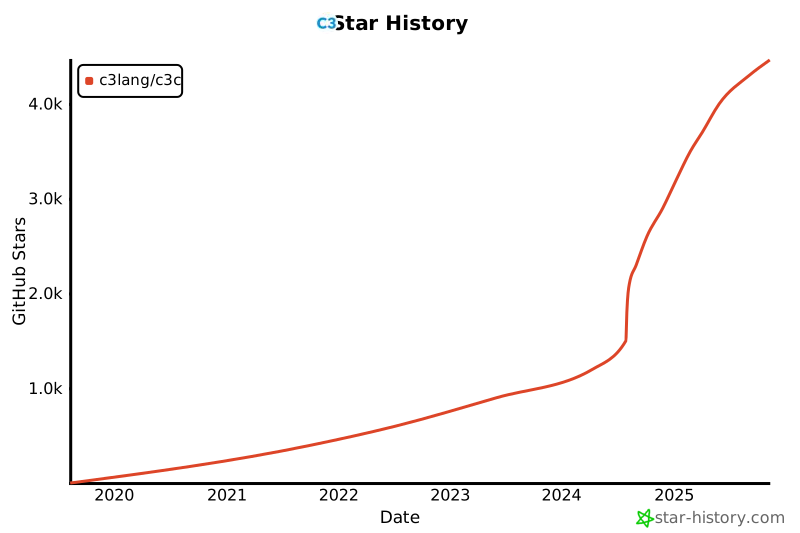](https://www.star-history.com/#c3lang/c3c&Date)
|
||||
@@ -8,7 +8,7 @@ fn void init() @init
|
||||
set_benchmark_max_iterations(10_000);
|
||||
}
|
||||
|
||||
fn void quicksort_bench() @benchmark
|
||||
fn void! quicksort_bench() @benchmark
|
||||
{
|
||||
// test set: 500 numbers between 0 and 99;
|
||||
int[] data = {
|
||||
|
||||
12
flake.lock
generated
12
flake.lock
generated
@@ -5,11 +5,11 @@
|
||||
"systems": "systems"
|
||||
},
|
||||
"locked": {
|
||||
"lastModified": 1731533236,
|
||||
"narHash": "sha256-l0KFg5HjrsfsO/JpG+r7fRrqm12kzFHyUHqHCVpMMbI=",
|
||||
"lastModified": 1726560853,
|
||||
"narHash": "sha256-X6rJYSESBVr3hBoH0WbKE5KvhPU5bloyZ2L4K60/fPQ=",
|
||||
"owner": "numtide",
|
||||
"repo": "flake-utils",
|
||||
"rev": "11707dc2f618dd54ca8739b309ec4fc024de578b",
|
||||
"rev": "c1dfcf08411b08f6b8615f7d8971a2bfa81d5e8a",
|
||||
"type": "github"
|
||||
},
|
||||
"original": {
|
||||
@@ -20,11 +20,11 @@
|
||||
},
|
||||
"nixpkgs": {
|
||||
"locked": {
|
||||
"lastModified": 1738297584,
|
||||
"narHash": "sha256-AYvaFBzt8dU0fcSK2jKD0Vg23K2eIRxfsVXIPCW9a0E=",
|
||||
"lastModified": 1730958623,
|
||||
"narHash": "sha256-JwQZIGSYnRNOgDDoIgqKITrPVil+RMWHsZH1eE1VGN0=",
|
||||
"owner": "nixos",
|
||||
"repo": "nixpkgs",
|
||||
"rev": "9189ac18287c599860e878e905da550aa6dec1cd",
|
||||
"rev": "85f7e662eda4fa3a995556527c87b2524b691933",
|
||||
"type": "github"
|
||||
},
|
||||
"original": {
|
||||
|
||||
11
flake.nix
11
flake.nix
@@ -8,17 +8,12 @@
|
||||
|
||||
outputs = { self, ... } @ inputs: inputs.flake-utils.lib.eachDefaultSystem
|
||||
(system:
|
||||
let pkgs = import inputs.nixpkgs { inherit system; };
|
||||
call = set: pkgs.callPackage ./nix/default.nix (
|
||||
set // {
|
||||
rev = self.rev or "unknown";
|
||||
}
|
||||
);
|
||||
in {
|
||||
let pkgs = import inputs.nixpkgs { inherit system; }; in
|
||||
{
|
||||
packages = {
|
||||
default = self.packages.${system}.c3c;
|
||||
|
||||
c3c = call {};
|
||||
c3c = pkgs.callPackage ./nix/default.nix {};
|
||||
|
||||
c3c-checks = pkgs.callPackage ./nix/default.nix {
|
||||
checks = true;
|
||||
|
||||
@@ -4,7 +4,6 @@ set(GIT_HASH "unknown")
|
||||
|
||||
if(GIT_FOUND AND EXISTS "${CMAKE_CURRENT_LIST_DIR}/.git")
|
||||
execute_process(COMMAND ${GIT_EXECUTABLE} rev-parse HEAD
|
||||
WORKING_DIRECTORY ${CMAKE_CURRENT_LIST_DIR}
|
||||
OUTPUT_VARIABLE GIT_HASH
|
||||
OUTPUT_STRIP_TRAILING_WHITESPACE
|
||||
COMMAND_ERROR_IS_FATAL ANY)
|
||||
|
||||
@@ -1,7 +1,7 @@
|
||||
// Copyright (c) 2023 Eduardo José Gómez Hernández. All rights reserved.
|
||||
// Use of this source code is governed by the MIT license
|
||||
// a copy of which can be found in the LICENSE_STDLIB file.
|
||||
module std::atomic::types{Type};
|
||||
module std::atomic::types(<Type>);
|
||||
|
||||
struct Atomic
|
||||
{
|
||||
@@ -11,7 +11,7 @@ struct Atomic
|
||||
<*
|
||||
Loads data atomically, by default this uses SEQ_CONSISTENT ordering.
|
||||
|
||||
@param ordering : "The ordering, cannot be release or acquire-release."
|
||||
@param ordering "The ordering, cannot be release or acquire-release."
|
||||
@require ordering != RELEASE && ordering != ACQUIRE_RELEASE : "Release and acquire-release are not valid for load"
|
||||
*>
|
||||
macro Type Atomic.load(&self, AtomicOrdering ordering = SEQ_CONSISTENT)
|
||||
@@ -31,7 +31,7 @@ macro Type Atomic.load(&self, AtomicOrdering ordering = SEQ_CONSISTENT)
|
||||
<*
|
||||
Stores data atomically, by default this uses SEQ_CONSISTENT ordering.
|
||||
|
||||
@param ordering : "The ordering, cannot be acquire or acquire-release."
|
||||
@param ordering "The ordering, cannot be acquire or acquire-release."
|
||||
@require ordering != ACQUIRE && ordering != ACQUIRE_RELEASE : "Acquire and acquire-release are not valid for store"
|
||||
*>
|
||||
macro void Atomic.store(&self, Type value, AtomicOrdering ordering = SEQ_CONSISTENT)
|
||||
@@ -76,7 +76,7 @@ macro Type Atomic.div(&self, Type value, AtomicOrdering ordering = SEQ_CONSISTEN
|
||||
macro Type Atomic.max(&self, Type value, AtomicOrdering ordering = SEQ_CONSISTENT)
|
||||
{
|
||||
Type* data = &self.data;
|
||||
return @atomic_exec(atomic::fetch_max, data, value, ordering);
|
||||
return @atomic_exec(atomic::fetch_div, data, value, ordering);
|
||||
}
|
||||
|
||||
macro Type Atomic.min(&self, Type value, AtomicOrdering ordering = SEQ_CONSISTENT)
|
||||
@@ -85,49 +85,36 @@ macro Type Atomic.min(&self, Type value, AtomicOrdering ordering = SEQ_CONSISTEN
|
||||
return @atomic_exec(atomic::fetch_min, data, value, ordering);
|
||||
}
|
||||
|
||||
macro Type Atomic.or(&self, Type value, AtomicOrdering ordering = SEQ_CONSISTENT) @if(types::flat_kind(Type) != FLOAT)
|
||||
macro Type Atomic.or(&self, uint value, AtomicOrdering ordering = SEQ_CONSISTENT) @if(!types::is_float(Type))
|
||||
{
|
||||
Type* data = &self.data;
|
||||
return @atomic_exec(atomic::fetch_or, data, value, ordering);
|
||||
}
|
||||
|
||||
fn Type Atomic.xor(&self, Type value, AtomicOrdering ordering = SEQ_CONSISTENT) @if(types::flat_kind(Type) != FLOAT)
|
||||
fn Type Atomic.xor(&self, uint value, AtomicOrdering ordering = SEQ_CONSISTENT) @if(!types::is_float(Type))
|
||||
{
|
||||
Type* data = &self.data;
|
||||
return @atomic_exec(atomic::fetch_xor, data, value, ordering);
|
||||
}
|
||||
|
||||
macro Type Atomic.and(&self, Type value, AtomicOrdering ordering = SEQ_CONSISTENT) @if(types::flat_kind(Type) != FLOAT)
|
||||
macro Type Atomic.and(&self, uint value, AtomicOrdering ordering = SEQ_CONSISTENT) @if(!types::is_float(Type))
|
||||
{
|
||||
Type* data = &self.data;
|
||||
return @atomic_exec(atomic::fetch_and, data, value, ordering);
|
||||
}
|
||||
|
||||
macro Type Atomic.shr(&self, Type amount, AtomicOrdering ordering = SEQ_CONSISTENT) @if(types::flat_kind(Type) != FLOAT)
|
||||
macro Type Atomic.shift_right(&self, uint amount, AtomicOrdering ordering = SEQ_CONSISTENT) @if(!types::is_float(Type))
|
||||
{
|
||||
Type* data = &self.data;
|
||||
return @atomic_exec(atomic::fetch_shift_right, data, amount, ordering);
|
||||
}
|
||||
|
||||
macro Type Atomic.shl(&self, Type amount, AtomicOrdering ordering = SEQ_CONSISTENT) @if(types::flat_kind(Type) != FLOAT)
|
||||
macro Type Atomic.shift_left(&self, uint amount, AtomicOrdering ordering = SEQ_CONSISTENT) @if(!types::is_float(Type))
|
||||
{
|
||||
Type* data = &self.data;
|
||||
return @atomic_exec(atomic::fetch_shift_left, data, amount, ordering);
|
||||
}
|
||||
|
||||
macro Type Atomic.set(&self, AtomicOrdering ordering = SEQ_CONSISTENT) @if(types::flat_kind(Type) == BOOL)
|
||||
{
|
||||
Type* data = &self.data;
|
||||
return @atomic_exec_no_arg(atomic::flag_set, data, ordering);
|
||||
}
|
||||
|
||||
macro Type Atomic.clear(&self, AtomicOrdering ordering = SEQ_CONSISTENT) @if(types::flat_kind(Type) == BOOL)
|
||||
{
|
||||
Type* data = &self.data;
|
||||
|
||||
return @atomic_exec_no_arg(atomic::flag_clear, data, ordering);
|
||||
}
|
||||
|
||||
macro @atomic_exec(#func, data, value, ordering) @local
|
||||
{
|
||||
switch(ordering)
|
||||
@@ -141,58 +128,18 @@ macro @atomic_exec(#func, data, value, ordering) @local
|
||||
}
|
||||
}
|
||||
|
||||
macro @atomic_exec_no_arg(#func, data, ordering) @local
|
||||
{
|
||||
switch(ordering)
|
||||
{
|
||||
case RELAXED: return #func(data, RELAXED);
|
||||
case ACQUIRE: return #func(data, ACQUIRE);
|
||||
case RELEASE: return #func(data, RELEASE);
|
||||
case ACQUIRE_RELEASE: return #func(data, ACQUIRE_RELEASE);
|
||||
case SEQ_CONSISTENT: return #func(data, SEQ_CONSISTENT);
|
||||
default: unreachable("Ordering may not be non-atomic or unordered.");
|
||||
}
|
||||
}
|
||||
|
||||
module std::atomic;
|
||||
import std::math;
|
||||
|
||||
macro bool @is_native_atomic_value(#value) @private
|
||||
{
|
||||
return is_native_atomic_type($typeof(#value));
|
||||
}
|
||||
|
||||
macro bool is_native_atomic_type($Type)
|
||||
{
|
||||
$if $Type.sizeof > void*.sizeof:
|
||||
return false;
|
||||
$else
|
||||
$switch $Type.kindof:
|
||||
$case SIGNED_INT:
|
||||
$case UNSIGNED_INT:
|
||||
$case POINTER:
|
||||
$case FLOAT:
|
||||
$case BOOL:
|
||||
return true;
|
||||
$case DISTINCT:
|
||||
return is_native_atomic_type($typefrom($Type.inner));
|
||||
$default:
|
||||
return false;
|
||||
$endswitch
|
||||
$endif
|
||||
}
|
||||
|
||||
<*
|
||||
@param [&in] ptr : "the variable or dereferenced pointer to the data."
|
||||
@param [in] y : "the value to be added to ptr."
|
||||
@param $ordering : "atomic ordering of the load, defaults to SEQ_CONSISTENT"
|
||||
@param [&in] ptr "the variable or dereferenced pointer to the data."
|
||||
@param [in] y "the value to be added to ptr."
|
||||
@param $ordering "atomic ordering of the load, defaults to SEQ_CONSISTENT"
|
||||
@return "returns the old value of ptr"
|
||||
|
||||
@require !$alignment || math::is_power_of_2($alignment) : "Alignment must be a power of two."
|
||||
@require $defined(*ptr) : "Expected a pointer"
|
||||
@require @is_native_atomic_value(*ptr) : "Only types that are native atomic may be used."
|
||||
@require $defined(*ptr + y) : "+ must be defined between the values."
|
||||
@require $ordering != AtomicOrdering.NOT_ATOMIC && $ordering != AtomicOrdering.UNORDERED : "Acquire ordering is not valid."
|
||||
@require !$alignment || math::is_power_of_2($alignment) "Alignment must be a power of two."
|
||||
@require types::is_int($typeof(*ptr)) || types::is_float($typeof(*ptr)) "Only integer/float pointers may be used."
|
||||
@require $ordering != AtomicOrdering.NOT_ATOMIC && $ordering != AtomicOrdering.UNORDERED "Acquire ordering is not valid."
|
||||
*>
|
||||
macro fetch_add(ptr, y, AtomicOrdering $ordering = SEQ_CONSISTENT, bool $volatile = false, usz $alignment = 0)
|
||||
{
|
||||
@@ -203,16 +150,14 @@ macro fetch_add(ptr, y, AtomicOrdering $ordering = SEQ_CONSISTENT, bool $volatil
|
||||
}
|
||||
|
||||
<*
|
||||
@param [&in] ptr : "the variable or dereferenced pointer to the data."
|
||||
@param [in] y : "the value to be subtracted from ptr."
|
||||
@param $ordering : "atomic ordering of the load, defaults to SEQ_CONSISTENT"
|
||||
@param [&in] ptr "the variable or dereferenced pointer to the data."
|
||||
@param [in] y "the value to be added to ptr."
|
||||
@param $ordering "atomic ordering of the load, defaults to SEQ_CONSISTENT"
|
||||
@return "returns the old value of ptr"
|
||||
|
||||
@require !$alignment || math::is_power_of_2($alignment) : "Alignment must be a power of two."
|
||||
@require $defined(*ptr) : "Expected a pointer"
|
||||
@require @is_native_atomic_value(*ptr) : "Only types that are native atomic may be used."
|
||||
@require $defined(*ptr - y) : "- must be defined between the values."
|
||||
@require $ordering != AtomicOrdering.NOT_ATOMIC && $ordering != AtomicOrdering.UNORDERED : "Acquire ordering is not valid."
|
||||
@require !$alignment || math::is_power_of_2($alignment) "Alignment must be a power of two."
|
||||
@require types::is_int($typeof(*ptr)) || types::is_float($typeof(*ptr)) "Only integer/float pointers may be used."
|
||||
@require $ordering != AtomicOrdering.NOT_ATOMIC && $ordering != AtomicOrdering.UNORDERED "Acquire ordering is not valid."
|
||||
*>
|
||||
macro fetch_sub(ptr, y, AtomicOrdering $ordering = SEQ_CONSISTENT, bool $volatile = false, usz $alignment = 0)
|
||||
{
|
||||
@@ -223,15 +168,13 @@ macro fetch_sub(ptr, y, AtomicOrdering $ordering = SEQ_CONSISTENT, bool $volatil
|
||||
}
|
||||
|
||||
<*
|
||||
@param [&in] ptr : "the variable or dereferenced pointer to the data."
|
||||
@param [in] y : "the value to be multiplied with ptr."
|
||||
@param $ordering : "atomic ordering of the load, defaults to SEQ_CONSISTENT"
|
||||
@param [&in] ptr "the variable or dereferenced pointer to the data."
|
||||
@param [in] y "the value to be added to ptr."
|
||||
@param $ordering "atomic ordering of the load, defaults to SEQ_CONSISTENT"
|
||||
@return "returns the old value of ptr"
|
||||
|
||||
@require $defined(*ptr) : "Expected a pointer"
|
||||
@require @is_native_atomic_value(*ptr) : "Only types that are native atomic may be used."
|
||||
@require $defined(*ptr * y) : "* must be defined between the values."
|
||||
@require $ordering != AtomicOrdering.NOT_ATOMIC && $ordering != AtomicOrdering.UNORDERED : "Acquire ordering is not valid."
|
||||
@require types::is_int($typeof(*ptr)) || types::is_float($typeof(*ptr)) "Only integer/float pointers may be used."
|
||||
@require $ordering != AtomicOrdering.NOT_ATOMIC && $ordering != AtomicOrdering.UNORDERED "Acquire ordering is not valid."
|
||||
*>
|
||||
macro fetch_mul(ptr, y, AtomicOrdering $ordering = SEQ_CONSISTENT)
|
||||
{
|
||||
@@ -250,28 +193,25 @@ macro fetch_mul(ptr, y, AtomicOrdering $ordering = SEQ_CONSISTENT)
|
||||
$StorageType storage_old_value;
|
||||
$StorageType storage_new_value;
|
||||
|
||||
do
|
||||
{
|
||||
|
||||
do {
|
||||
storage_old_value = $$atomic_load(storage_ptr, false, $load_ordering.ordinal);
|
||||
old_value = bitcast(storage_old_value, $typeof(*ptr));
|
||||
new_value = old_value * y;
|
||||
storage_new_value = bitcast(new_value, $StorageType);
|
||||
}
|
||||
while (mem::compare_exchange(storage_ptr, storage_old_value, storage_new_value, $ordering, $load_ordering) != storage_old_value);
|
||||
} while (mem::compare_exchange(storage_ptr, storage_old_value, storage_new_value, $ordering, $load_ordering) != storage_old_value);
|
||||
|
||||
return old_value;
|
||||
}
|
||||
|
||||
<*
|
||||
@param [&in] ptr : "the variable or dereferenced pointer to the data."
|
||||
@param [in] y : "the value to divide ptr by."
|
||||
@param $ordering : "atomic ordering of the load, defaults to SEQ_CONSISTENT"
|
||||
@param [&in] ptr "the variable or dereferenced pointer to the data."
|
||||
@param [in] y "the value to be added to ptr."
|
||||
@param $ordering "atomic ordering of the load, defaults to SEQ_CONSISTENT"
|
||||
@return "returns the old value of ptr"
|
||||
|
||||
@require $defined(*ptr) : "Expected a pointer"
|
||||
@require @is_native_atomic_value(*ptr) : "Only types that are native atomic may be used."
|
||||
@require $defined(*ptr * y) : "/ must be defined between the values."
|
||||
@require $ordering != AtomicOrdering.NOT_ATOMIC && $ordering != AtomicOrdering.UNORDERED : "Acquire ordering is not valid."
|
||||
@require types::is_int($typeof(*ptr)) || types::is_float($typeof(*ptr)) "Only integer/float pointers may be used."
|
||||
@require $ordering != AtomicOrdering.NOT_ATOMIC && $ordering != AtomicOrdering.UNORDERED "Acquire ordering is not valid."
|
||||
*>
|
||||
macro fetch_div(ptr, y, AtomicOrdering $ordering = SEQ_CONSISTENT)
|
||||
{
|
||||
@@ -290,80 +230,154 @@ macro fetch_div(ptr, y, AtomicOrdering $ordering = SEQ_CONSISTENT)
|
||||
$StorageType storage_old_value;
|
||||
$StorageType storage_new_value;
|
||||
|
||||
do
|
||||
{
|
||||
do {
|
||||
storage_old_value = $$atomic_load(storage_ptr, false, $load_ordering.ordinal);
|
||||
old_value = bitcast(storage_old_value, $typeof(*ptr));
|
||||
new_value = old_value / y;
|
||||
storage_new_value = bitcast(new_value, $StorageType);
|
||||
}
|
||||
while (mem::compare_exchange(storage_ptr, storage_old_value, storage_new_value, $ordering, $load_ordering) != storage_old_value);
|
||||
} while (mem::compare_exchange(storage_ptr, storage_old_value, storage_new_value, $ordering, $load_ordering) != storage_old_value);
|
||||
|
||||
return old_value;
|
||||
}
|
||||
|
||||
<*
|
||||
@param [&in] ptr : "the variable or dereferenced pointer to the data."
|
||||
@param [in] y : "the value to perform a bitwise or with."
|
||||
@param $ordering : "atomic ordering of the load, defaults to SEQ_CONSISTENT"
|
||||
@param [&in] ptr "the variable or dereferenced pointer to the data."
|
||||
@param [in] y "the value to be added to ptr."
|
||||
@param $ordering "atomic ordering of the load, defaults to SEQ_CONSISTENT"
|
||||
@return "returns the old value of ptr"
|
||||
|
||||
@require !$alignment || math::is_power_of_2($alignment) : "Alignment must be a power of two."
|
||||
@require $defined(*ptr) : "Expected a pointer"
|
||||
@require @is_native_atomic_value(*ptr) : "Only types that are native atomic may be used."
|
||||
@require $defined(*ptr | y) : "| must be defined between the values."
|
||||
@require $ordering != AtomicOrdering.NOT_ATOMIC && $ordering != AtomicOrdering.UNORDERED : "Acquire ordering is not valid."
|
||||
@require !$alignment || math::is_power_of_2($alignment) "Alignment must be a power of two."
|
||||
@require types::is_int($typeof(*ptr)) "Only integer pointers may be used."
|
||||
@require types::is_int($typeof(y)) "The value for or must be an int"
|
||||
@require $ordering != AtomicOrdering.NOT_ATOMIC && $ordering != AtomicOrdering.UNORDERED "Acquire ordering is not valid."
|
||||
*>
|
||||
macro fetch_or(ptr, y, AtomicOrdering $ordering = SEQ_CONSISTENT, bool $volatile = false, usz $alignment = 0)
|
||||
{
|
||||
return $$atomic_fetch_or(ptr, y, $volatile, $ordering.ordinal, $alignment);
|
||||
$if types::is_int($typeof(*ptr)):
|
||||
return $$atomic_fetch_or(ptr, y, $volatile, $ordering.ordinal, $alignment);
|
||||
$endif
|
||||
|
||||
var $load_ordering = $ordering;
|
||||
$if $ordering == RELEASE || $ordering == ACQUIRE_RELEASE:
|
||||
$load_ordering = AtomicOrdering.SEQ_CONSISTENT;
|
||||
$endif
|
||||
|
||||
var $StorageType = $typefrom(types::lower_to_atomic_compatible_type($typeof(*ptr)));
|
||||
|
||||
$StorageType* storage_ptr = ($StorageType*)ptr;
|
||||
|
||||
$typeof(*ptr) old_value;
|
||||
$typeof(*ptr) new_value;
|
||||
|
||||
$StorageType storage_old_value;
|
||||
$StorageType storage_new_value;
|
||||
$StorageType storage_y = ($StorageType)y;
|
||||
|
||||
do {
|
||||
storage_old_value = $$atomic_load(storage_ptr, false, $load_ordering.ordinal);
|
||||
old_value = bitcast(storage_old_value, $typeof(*ptr));
|
||||
new_value = storage_old_value | storage_y;
|
||||
storage_new_value = bitcast(new_value, $StorageType);
|
||||
} while (mem::compare_exchange(storage_ptr, storage_old_value, storage_new_value, $ordering, $load_ordering) != storage_old_value);
|
||||
|
||||
return old_value;
|
||||
}
|
||||
|
||||
<*
|
||||
@param [&in] ptr : "the variable or dereferenced pointer to the data."
|
||||
@param [in] y : "the value to perform a bitwise xor with."
|
||||
@param $ordering : "atomic ordering of the load, defaults to SEQ_CONSISTENT"
|
||||
@param [&in] ptr "the variable or dereferenced pointer to the data."
|
||||
@param [in] y "the value to be added to ptr."
|
||||
@param $ordering "atomic ordering of the load, defaults to SEQ_CONSISTENT"
|
||||
@return "returns the old value of ptr"
|
||||
|
||||
@require !$alignment || math::is_power_of_2($alignment) : "Alignment must be a power of two."
|
||||
@require $defined(*ptr) : "Expected a pointer"
|
||||
@require @is_native_atomic_value(*ptr) : "Only types that are native atomic may be used."
|
||||
@require $defined(*ptr ^ y) : "^ must be defined between the values."
|
||||
@require $ordering != AtomicOrdering.NOT_ATOMIC && $ordering != AtomicOrdering.UNORDERED : "Acquire ordering is not valid."
|
||||
@require !$alignment || math::is_power_of_2($alignment) "Alignment must be a power of two."
|
||||
@require types::is_int($typeof(*ptr)) "Only integer pointers may be used."
|
||||
@require types::is_int($typeof(y)) "The value for or must be an int"
|
||||
@require $ordering != AtomicOrdering.NOT_ATOMIC && $ordering != AtomicOrdering.UNORDERED "Acquire ordering is not valid."
|
||||
*>
|
||||
macro fetch_xor(ptr, y, AtomicOrdering $ordering = SEQ_CONSISTENT, bool $volatile = false, usz $alignment = 0)
|
||||
{
|
||||
return $$atomic_fetch_xor(ptr, y, $volatile, $ordering.ordinal, $alignment);
|
||||
$if types::is_int($typeof(*ptr)):
|
||||
return $$atomic_fetch_xor(ptr, y, $volatile, $ordering.ordinal, $alignment);
|
||||
$endif
|
||||
|
||||
var $load_ordering = $ordering;
|
||||
$if $ordering == RELEASE || $ordering == ACQUIRE_RELEASE:
|
||||
$load_ordering = AtomicOrdering.SEQ_CONSISTENT;
|
||||
$endif
|
||||
|
||||
var $StorageType = $typefrom(types::lower_to_atomic_compatible_type($typeof(*ptr)));
|
||||
|
||||
$StorageType* storage_ptr = ($StorageType*)ptr;
|
||||
|
||||
$typeof(*ptr) old_value;
|
||||
$typeof(*ptr) new_value;
|
||||
|
||||
$StorageType storage_old_value;
|
||||
$StorageType storage_new_value;
|
||||
$StorageType storage_y = ($StorageType)y;
|
||||
|
||||
do {
|
||||
storage_old_value = $$atomic_load(storage_ptr, false, $load_ordering.ordinal);
|
||||
old_value = bitcast(storage_old_value, $typeof(*ptr));
|
||||
new_value = storage_old_value ^ storage_y;
|
||||
storage_new_value = bitcast(new_value, $StorageType);
|
||||
} while (mem::compare_exchange(storage_ptr, storage_old_value, storage_new_value, $ordering, $load_ordering) != storage_old_value);
|
||||
|
||||
return old_value;
|
||||
}
|
||||
|
||||
<*
|
||||
@param [&in] ptr : "the variable or dereferenced pointer to the data."
|
||||
@param [in] y : "the value to perform a bitwise and with."
|
||||
@param $ordering : "atomic ordering of the load, defaults to SEQ_CONSISTENT"
|
||||
@param [&in] ptr "the variable or dereferenced pointer to the data."
|
||||
@param [in] y "the value to be added to ptr."
|
||||
@param $ordering "atomic ordering of the load, defaults to SEQ_CONSISTENT"
|
||||
@return "returns the old value of ptr"
|
||||
|
||||
@require !$alignment || math::is_power_of_2($alignment) : "Alignment must be a power of two."
|
||||
@require $defined(*ptr) : "Expected a pointer"
|
||||
@require @is_native_atomic_value(*ptr) : "Only types that are native atomic may be used."
|
||||
@require $defined(*ptr ^ y) : "& must be defined between the values."
|
||||
@require $ordering != AtomicOrdering.NOT_ATOMIC && $ordering != AtomicOrdering.UNORDERED : "Acquire ordering is not valid."
|
||||
@require !$alignment || math::is_power_of_2($alignment) "Alignment must be a power of two."
|
||||
@require types::is_int($typeof(*ptr)) "Only integer pointers may be used."
|
||||
@require types::is_int($typeof(y)) "The value for or must be an int"
|
||||
@require $ordering != AtomicOrdering.NOT_ATOMIC && $ordering != AtomicOrdering.UNORDERED "Acquire ordering is not valid."
|
||||
*>
|
||||
macro fetch_and(ptr, y, AtomicOrdering $ordering = SEQ_CONSISTENT, bool $volatile = false, usz $alignment = 0)
|
||||
{
|
||||
return $$atomic_fetch_and(ptr, y, $volatile, $ordering.ordinal, $alignment);
|
||||
$if types::is_int($typeof(*ptr)):
|
||||
return $$atomic_fetch_and(ptr, y, $volatile, $ordering.ordinal, $alignment);
|
||||
$endif
|
||||
|
||||
var $load_ordering = $ordering;
|
||||
$if $ordering == RELEASE || $ordering == ACQUIRE_RELEASE:
|
||||
$load_ordering = AtomicOrdering.SEQ_CONSISTENT;
|
||||
$endif
|
||||
|
||||
var $StorageType = $typefrom(types::lower_to_atomic_compatible_type($typeof(*ptr)));
|
||||
|
||||
$StorageType* storage_ptr = ($StorageType*)ptr;
|
||||
|
||||
$typeof(*ptr) old_value;
|
||||
$typeof(*ptr) new_value;
|
||||
|
||||
$StorageType storage_old_value;
|
||||
$StorageType storage_new_value;
|
||||
$StorageType storage_y = ($StorageType)y;
|
||||
|
||||
do {
|
||||
storage_old_value = $$atomic_load(storage_ptr, false, $load_ordering.ordinal);
|
||||
old_value = bitcast(storage_old_value, $typeof(*ptr));
|
||||
new_value = storage_old_value & storage_y;
|
||||
storage_new_value = bitcast(new_value, $StorageType);
|
||||
} while (mem::compare_exchange(storage_ptr, storage_old_value, storage_new_value, $ordering, $load_ordering) != storage_old_value);
|
||||
|
||||
return old_value;
|
||||
}
|
||||
|
||||
<*
|
||||
@param [&in] ptr : "the variable or dereferenced pointer to the data."
|
||||
@param [in] y : "the value to shift ptr by."
|
||||
@param $ordering : "atomic ordering of the load, defaults to SEQ_CONSISTENT"
|
||||
@param [&in] ptr "the variable or dereferenced pointer to the data."
|
||||
@param [in] y "the value to be added to ptr."
|
||||
@param $ordering "atomic ordering of the load, defaults to SEQ_CONSISTENT"
|
||||
@return "returns the old value of ptr"
|
||||
|
||||
@require $defined(*ptr) : "Expected a pointer"
|
||||
@require @is_native_atomic_value(*ptr) : "Only types that are native atomic may be used."
|
||||
@require types::is_int($typeof(*ptr)) : "Only integer pointers may be used."
|
||||
@require types::is_int($typeof(y)) : "The value for shift right must be an integer"
|
||||
@require $ordering != AtomicOrdering.NOT_ATOMIC && $ordering != AtomicOrdering.UNORDERED : "Acquire ordering is not valid."
|
||||
@require types::is_int($typeof(*ptr)) "Only integer pointers may be used."
|
||||
@require types::is_int($typeof(y)) "The value for or must be an int"
|
||||
@require $ordering != AtomicOrdering.NOT_ATOMIC && $ordering != AtomicOrdering.UNORDERED "Acquire ordering is not valid."
|
||||
*>
|
||||
macro fetch_shift_right(ptr, y, AtomicOrdering $ordering = SEQ_CONSISTENT)
|
||||
{
|
||||
@@ -383,29 +397,25 @@ macro fetch_shift_right(ptr, y, AtomicOrdering $ordering = SEQ_CONSISTENT)
|
||||
$StorageType storage_new_value;
|
||||
$StorageType storage_y = ($StorageType)y;
|
||||
|
||||
do
|
||||
{
|
||||
do {
|
||||
storage_old_value = $$atomic_load(storage_ptr, false, $load_ordering.ordinal);
|
||||
old_value = bitcast(storage_old_value, $typeof(*ptr));
|
||||
new_value = storage_old_value >> storage_y;
|
||||
storage_new_value = bitcast(new_value, $StorageType);
|
||||
}
|
||||
while (mem::compare_exchange(storage_ptr, storage_old_value, storage_new_value, $ordering, $load_ordering) != storage_old_value);
|
||||
} while (mem::compare_exchange(storage_ptr, storage_old_value, storage_new_value, $ordering, $load_ordering) != storage_old_value);
|
||||
|
||||
return old_value;
|
||||
}
|
||||
|
||||
<*
|
||||
@param [&in] ptr : "the variable or dereferenced pointer to the data."
|
||||
@param [in] y : "the value to shift ptr by."
|
||||
@param $ordering : "atomic ordering of the load, defaults to SEQ_CONSISTENT"
|
||||
@param [&in] ptr "the variable or dereferenced pointer to the data."
|
||||
@param [in] y "the value to be added to ptr."
|
||||
@param $ordering "atomic ordering of the load, defaults to SEQ_CONSISTENT"
|
||||
@return "returns the old value of ptr"
|
||||
|
||||
@require $defined(*ptr) : "Expected a pointer"
|
||||
@require @is_native_atomic_value(*ptr) : "Only types that are native atomic may be used."
|
||||
@require types::is_int($typeof(*ptr)) : "Only integer pointers may be used."
|
||||
@require types::is_int($typeof(y)) : "The value for shift left must be an integer"
|
||||
@require $ordering != AtomicOrdering.NOT_ATOMIC && $ordering != AtomicOrdering.UNORDERED : "Acquire ordering is not valid."
|
||||
@require types::is_int($typeof(*ptr)) "Only integer pointers may be used."
|
||||
@require types::is_int($typeof(y)) "The value for or must be an int"
|
||||
@require $ordering != AtomicOrdering.NOT_ATOMIC && $ordering != AtomicOrdering.UNORDERED "Acquire ordering is not valid."
|
||||
*>
|
||||
macro fetch_shift_left(ptr, y, AtomicOrdering $ordering = SEQ_CONSISTENT)
|
||||
{
|
||||
@@ -425,83 +435,64 @@ macro fetch_shift_left(ptr, y, AtomicOrdering $ordering = SEQ_CONSISTENT)
|
||||
$StorageType storage_new_value;
|
||||
$StorageType storage_y = ($StorageType)y;
|
||||
|
||||
do
|
||||
{
|
||||
do {
|
||||
storage_old_value = $$atomic_load(storage_ptr, false, $load_ordering.ordinal);
|
||||
old_value = bitcast(storage_old_value, $typeof(*ptr));
|
||||
new_value = storage_old_value << storage_y;
|
||||
storage_new_value = bitcast(new_value, $StorageType);
|
||||
}
|
||||
while (mem::compare_exchange(storage_ptr, storage_old_value, storage_new_value, $ordering, $load_ordering) != storage_old_value);
|
||||
} while (mem::compare_exchange(storage_ptr, storage_old_value, storage_new_value, $ordering, $load_ordering) != storage_old_value);
|
||||
|
||||
return old_value;
|
||||
}
|
||||
|
||||
<*
|
||||
@param [&in] ptr : "the variable or dereferenced pointer to the data."
|
||||
@param $ordering : "atomic ordering of the load, defaults to SEQ_CONSISTENT"
|
||||
@param [&in] ptr "the variable or dereferenced pointer to the data."
|
||||
@param $ordering "atomic ordering of the load, defaults to SEQ_CONSISTENT"
|
||||
@return "returns the old value of ptr"
|
||||
|
||||
@require $defined(*ptr) : "Expected a pointer"
|
||||
@require @is_native_atomic_value(*ptr) : "Only types that are native atomic may be used."
|
||||
@require types::flat_kind($typeof(*ptr)) == BOOL : "Only bool pointers may be used."
|
||||
|
||||
@require $ordering != AtomicOrdering.NOT_ATOMIC && $ordering != AtomicOrdering.UNORDERED : "Acquire ordering is not valid."
|
||||
@require types::is_int($typeof(*ptr)) "Only integer pointers may be used."
|
||||
@require $ordering != AtomicOrdering.NOT_ATOMIC && $ordering != AtomicOrdering.UNORDERED "Acquire ordering is not valid."
|
||||
*>
|
||||
macro flag_set(ptr, AtomicOrdering $ordering = SEQ_CONSISTENT)
|
||||
{
|
||||
$typeof(*ptr) old_value;
|
||||
$typeof(*ptr) new_value = true;
|
||||
var $load_ordering = $ordering;
|
||||
$if $ordering == RELEASE || $ordering == ACQUIRE_RELEASE:
|
||||
$load_ordering = AtomicOrdering.SEQ_CONSISTENT;
|
||||
$endif
|
||||
do
|
||||
{
|
||||
old_value = $$atomic_load(ptr, false, $load_ordering.ordinal);
|
||||
}
|
||||
while (mem::compare_exchange(ptr, old_value, new_value, $ordering, $load_ordering) != old_value);
|
||||
|
||||
do {
|
||||
old_value = $$atomic_load(ptr, false, $ordering.ordinal);
|
||||
} while (mem::compare_exchange(ptr, old_value, new_value, $ordering, $load_ordering) != old_value);
|
||||
|
||||
return old_value;
|
||||
}
|
||||
|
||||
<*
|
||||
@param [&in] ptr : "the variable or dereferenced pointer to the data."
|
||||
@param $ordering : "atomic ordering of the load, defaults to SEQ_CONSISTENT"
|
||||
@param [&in] ptr "the variable or dereferenced pointer to the data."
|
||||
@param $ordering "atomic ordering of the load, defaults to SEQ_CONSISTENT"
|
||||
@return "returns the old value of ptr"
|
||||
|
||||
@require $defined(*ptr) : "Expected a pointer"
|
||||
@require @is_native_atomic_value(*ptr) : "Only types that are native atomic may be used."
|
||||
@require types::flat_kind($typeof(*ptr)) == BOOL : "Only bool pointers may be used."
|
||||
@require $ordering != AtomicOrdering.NOT_ATOMIC && $ordering != AtomicOrdering.UNORDERED : "Acquire ordering is not valid."
|
||||
@require types::is_int($typeof(*ptr)) "Only integer pointers may be used."
|
||||
@require $ordering != AtomicOrdering.NOT_ATOMIC && $ordering != AtomicOrdering.UNORDERED "Acquire ordering is not valid."
|
||||
*>
|
||||
macro flag_clear(ptr, AtomicOrdering $ordering = SEQ_CONSISTENT)
|
||||
{
|
||||
$typeof(*ptr) old_value;
|
||||
$typeof(*ptr) new_value = false;
|
||||
var $load_ordering = $ordering;
|
||||
$if $ordering == RELEASE || $ordering == ACQUIRE_RELEASE:
|
||||
$load_ordering = AtomicOrdering.SEQ_CONSISTENT;
|
||||
$endif
|
||||
do
|
||||
{
|
||||
old_value = $$atomic_load(ptr, false, $load_ordering.ordinal);
|
||||
}
|
||||
while (mem::compare_exchange(ptr, old_value, new_value, $ordering, $load_ordering) != old_value);
|
||||
|
||||
do {
|
||||
old_value = $$atomic_load(ptr, false, $ordering.ordinal);
|
||||
} while (mem::compare_exchange(ptr, old_value, new_value, $ordering, $load_ordering) != old_value);
|
||||
|
||||
return old_value;
|
||||
}
|
||||
|
||||
<*
|
||||
@param [&in] ptr : "the variable or dereferenced pointer to the data."
|
||||
@param [in] y : "the value to be compared to ptr."
|
||||
@param $ordering : "atomic ordering of the load, defaults to SEQ_CONSISTENT"
|
||||
@param [&in] ptr "the variable or dereferenced pointer to the data."
|
||||
@param [in] y "the value to be added to ptr."
|
||||
@param $ordering "atomic ordering of the load, defaults to SEQ_CONSISTENT"
|
||||
@return "returns the old value of ptr"
|
||||
|
||||
@require $defined(*ptr) : "Expected a pointer"
|
||||
@require @is_native_atomic_value(*ptr) : "Only types that are native atomic may be used."
|
||||
@require $defined(*ptr > y) : "Only values that are comparable with > may be used"
|
||||
@require $ordering != AtomicOrdering.NOT_ATOMIC && $ordering != AtomicOrdering.UNORDERED : "Acquire ordering is not valid."
|
||||
@require types::is_int($typeof(*ptr)) || types::is_float($typeof(*ptr)) "Only integer/float pointers may be used."
|
||||
@require $ordering != AtomicOrdering.NOT_ATOMIC && $ordering != AtomicOrdering.UNORDERED "Acquire ordering is not valid."
|
||||
*>
|
||||
macro fetch_max(ptr, y, AtomicOrdering $ordering = SEQ_CONSISTENT, bool $volatile = false, usz $alignment = 0)
|
||||
{
|
||||
@@ -512,15 +503,13 @@ macro fetch_max(ptr, y, AtomicOrdering $ordering = SEQ_CONSISTENT, bool $volatil
|
||||
}
|
||||
|
||||
<*
|
||||
@param [&in] ptr : "the variable or dereferenced pointer to the data."
|
||||
@param [in] y : "the value to be compared to ptr."
|
||||
@param $ordering : "atomic ordering of the load, defaults to SEQ_CONSISTENT"
|
||||
@param [&in] ptr "the variable or dereferenced pointer to the data."
|
||||
@param [in] y "the value to be added to ptr."
|
||||
@param $ordering "atomic ordering of the load, defaults to SEQ_CONSISTENT"
|
||||
@return "returns the old value of ptr"
|
||||
|
||||
@require $defined(*ptr) : "Expected a pointer"
|
||||
@require @is_native_atomic_value(*ptr) : "Only types that are native atomic may be used."
|
||||
@require $defined(*ptr > y) : "Only values that are comparable with > may be used"
|
||||
@require $ordering != AtomicOrdering.NOT_ATOMIC && $ordering != AtomicOrdering.UNORDERED : "Acquire ordering is not valid."
|
||||
@require types::is_int($typeof(*ptr)) || types::is_float($typeof(*ptr)) "Only integer/float pointers may be used."
|
||||
@require $ordering != AtomicOrdering.NOT_ATOMIC && $ordering != AtomicOrdering.UNORDERED "Acquire ordering is not valid."
|
||||
*>
|
||||
macro fetch_min(ptr, y, AtomicOrdering $ordering = SEQ_CONSISTENT, bool $volatile = false, usz $alignment = 0)
|
||||
{
|
||||
|
||||
@@ -3,9 +3,8 @@
|
||||
// a copy of which can be found in the LICENSE_STDLIB file.
|
||||
module std::atomic;
|
||||
|
||||
macro @__atomic_compare_exchange_ordering_failure(ptr, expected, desired, $success, failure, $alignment)
|
||||
{
|
||||
switch (failure)
|
||||
macro @__atomic_compare_exchange_ordering_failure(ptr, expected, desired, $success, failure, $alignment) {
|
||||
switch(failure)
|
||||
{
|
||||
case AtomicOrdering.RELAXED.ordinal: return $$compare_exchange(ptr, expected, desired, false, false, $success, AtomicOrdering.RELAXED.ordinal, $alignment);
|
||||
case AtomicOrdering.ACQUIRE.ordinal: return $$compare_exchange(ptr, expected, desired, false, false, $success, AtomicOrdering.ACQUIRE.ordinal, $alignment);
|
||||
@@ -17,7 +16,7 @@ macro @__atomic_compare_exchange_ordering_failure(ptr, expected, desired, $succe
|
||||
|
||||
macro @__atomic_compare_exchange_ordering_success(ptr, expected, desired, success, failure, $alignment)
|
||||
{
|
||||
switch (success)
|
||||
switch(success)
|
||||
{
|
||||
case AtomicOrdering.RELAXED.ordinal: return @__atomic_compare_exchange_ordering_failure(ptr, expected, desired, AtomicOrdering.RELAXED.ordinal, failure, $alignment);
|
||||
case AtomicOrdering.ACQUIRE.ordinal: return @__atomic_compare_exchange_ordering_failure(ptr, expected, desired, AtomicOrdering.ACQUIRE.ordinal, failure, $alignment);
|
||||
@@ -29,7 +28,7 @@ macro @__atomic_compare_exchange_ordering_success(ptr, expected, desired, succes
|
||||
return 0;
|
||||
}
|
||||
|
||||
fn CInt __atomic_compare_exchange(CInt size, any ptr, any expected, any desired, CInt success, CInt failure) @weak @export("__atomic_compare_exchange")
|
||||
fn CInt __atomic_compare_exchange(CInt size, any ptr, any expected, any desired, CInt success, CInt failure) @extern("__atomic_compare_exchange") @export
|
||||
{
|
||||
switch (size)
|
||||
{
|
||||
|
||||
@@ -1,12 +1,12 @@
|
||||
module std::bits;
|
||||
|
||||
<*
|
||||
@require types::is_intlike($typeof(i)) : `The input must be an integer or integer vector`
|
||||
@require types::is_intlike($typeof(i)) `The input must be an integer or integer vector`
|
||||
*>
|
||||
macro reverse(i) => $$bitreverse(i);
|
||||
|
||||
<*
|
||||
@require types::is_intlike($typeof(i)) : `The input must be an integer or integer vector`
|
||||
@require types::is_intlike($typeof(i)) `The input must be an integer or integer vector`
|
||||
*>
|
||||
macro bswap(i) @builtin => $$bswap(i);
|
||||
|
||||
|
||||
@@ -1,11 +1,11 @@
|
||||
// Copyright (c) 2024-2025 Christoffer Lerno. All rights reserved.
|
||||
// Copyright (c) 2024 Christoffer Lerno. All rights reserved.
|
||||
// Use of self source code is governed by the MIT license
|
||||
// a copy of which can be found in the LICENSE_STDLIB file.
|
||||
module std::collections::anylist;
|
||||
import std::io,std::math;
|
||||
|
||||
alias AnyPredicate = fn bool(any value);
|
||||
alias AnyTest = fn bool(any type, any context);
|
||||
def AnyPredicate = fn bool(any value);
|
||||
def AnyTest = fn bool(any type, any context);
|
||||
|
||||
struct AnyList (Printable)
|
||||
{
|
||||
@@ -17,8 +17,18 @@ struct AnyList (Printable)
|
||||
|
||||
|
||||
<*
|
||||
@param [&inout] allocator : "The allocator to use"
|
||||
@param initial_capacity : "The initial capacity to reserve"
|
||||
Use `init` for to use a custom allocator.
|
||||
|
||||
@param initial_capacity "The initial capacity to reserve"
|
||||
*>
|
||||
fn AnyList* AnyList.new_init(&self, usz initial_capacity = 16, Allocator allocator = null)
|
||||
{
|
||||
return self.init(allocator ?: allocator::heap(), initial_capacity) @inline;
|
||||
}
|
||||
|
||||
<*
|
||||
@param [&inout] allocator "The allocator to use"
|
||||
@param initial_capacity "The initial capacity to reserve"
|
||||
*>
|
||||
fn AnyList* AnyList.init(&self, Allocator allocator, usz initial_capacity = 16)
|
||||
{
|
||||
@@ -40,16 +50,14 @@ fn AnyList* AnyList.init(&self, Allocator allocator, usz initial_capacity = 16)
|
||||
<*
|
||||
Initialize the list using the temp allocator.
|
||||
|
||||
@param initial_capacity : "The initial capacity to reserve"
|
||||
@param initial_capacity "The initial capacity to reserve"
|
||||
*>
|
||||
fn AnyList* AnyList.tinit(&self, usz initial_capacity = 16)
|
||||
fn AnyList* AnyList.temp_init(&self, usz initial_capacity = 16)
|
||||
{
|
||||
return self.init(tmem, initial_capacity) @inline;
|
||||
return self.init(allocator::temp(), initial_capacity) @inline;
|
||||
}
|
||||
|
||||
fn bool AnyList.is_initialized(&self) @inline => self.allocator != null;
|
||||
|
||||
fn usz? AnyList.to_format(&self, Formatter* formatter) @dynamic
|
||||
fn usz! AnyList.to_format(&self, Formatter* formatter) @dynamic
|
||||
{
|
||||
switch (self.size)
|
||||
{
|
||||
@@ -69,12 +77,25 @@ fn usz? AnyList.to_format(&self, Formatter* formatter) @dynamic
|
||||
}
|
||||
}
|
||||
|
||||
fn String AnyList.to_new_string(&self, Allocator allocator = null) @dynamic
|
||||
{
|
||||
return string::format("%s", *self, allocator: allocator ?: allocator::heap());
|
||||
}
|
||||
|
||||
|
||||
fn String AnyList.to_string(&self, Allocator allocator) @dynamic
|
||||
{
|
||||
return string::format("%s", *self, allocator: allocator);
|
||||
}
|
||||
|
||||
fn String AnyList.to_tstring(&self) => string::tformat("%s", *self);
|
||||
|
||||
<*
|
||||
Push an element on the list by cloning it.
|
||||
*>
|
||||
macro void AnyList.push(&self, element)
|
||||
{
|
||||
if (!self.allocator) self.allocator = tmem;
|
||||
if (!self.allocator) self.allocator = allocator::heap();
|
||||
self.append_internal(allocator::clone(self.allocator, element));
|
||||
}
|
||||
|
||||
@@ -96,40 +117,56 @@ fn void AnyList.free_element(&self, any element) @inline
|
||||
Pop a value who's type is known. If the type is incorrect, this
|
||||
will still pop the element.
|
||||
|
||||
@return? TYPE_MISMATCH, NO_MORE_ELEMENT
|
||||
@return! CastResult.TYPE_MISMATCH, IteratorResult.NO_MORE_ELEMENT
|
||||
*>
|
||||
macro AnyList.pop(&self, $Type)
|
||||
{
|
||||
if (!self.size) return NO_MORE_ELEMENT?;
|
||||
if (!self.size) return IteratorResult.NO_MORE_ELEMENT?;
|
||||
defer self.free_element(self.entries[self.size]);
|
||||
return *anycast(self.entries[--self.size], $Type);
|
||||
}
|
||||
|
||||
<*
|
||||
Pop the last value and allocate the copy using the given allocator.
|
||||
@return? NO_MORE_ELEMENT
|
||||
@return! IteratorResult.NO_MORE_ELEMENT
|
||||
*>
|
||||
fn any? AnyList.copy_pop(&self, Allocator allocator)
|
||||
fn any! AnyList.copy_pop(&self, Allocator allocator = allocator::heap())
|
||||
{
|
||||
if (!self.size) return NO_MORE_ELEMENT?;
|
||||
if (!self.size) return IteratorResult.NO_MORE_ELEMENT?;
|
||||
defer self.free_element(self.entries[self.size]);
|
||||
return allocator::clone_any(allocator, self.entries[--self.size]);
|
||||
}
|
||||
|
||||
<*
|
||||
Pop the last value and allocate the copy using the given allocator.
|
||||
@return! IteratorResult.NO_MORE_ELEMENT
|
||||
@deprecated `use copy_pop`
|
||||
*>
|
||||
fn any! AnyList.new_pop(&self, Allocator allocator = allocator::heap())
|
||||
{
|
||||
return self.copy_pop(allocator);
|
||||
}
|
||||
|
||||
<*
|
||||
Pop the last value and allocate the copy using the temp allocator
|
||||
@return? NO_MORE_ELEMENT
|
||||
@return! IteratorResult.NO_MORE_ELEMENT
|
||||
@deprecated `use tcopy_pop`
|
||||
*>
|
||||
fn any? AnyList.tcopy_pop(&self) => self.copy_pop(tmem);
|
||||
fn any! AnyList.temp_pop(&self) => self.copy_pop(allocator::temp());
|
||||
|
||||
<*
|
||||
Pop the last value and allocate the copy using the temp allocator
|
||||
@return! IteratorResult.NO_MORE_ELEMENT
|
||||
*>
|
||||
fn any! AnyList.tcopy_pop(&self) => self.copy_pop(allocator::temp());
|
||||
|
||||
<*
|
||||
Pop the last value. It must later be released using list.free_element()
|
||||
@return? NO_MORE_ELEMENT
|
||||
@return! IteratorResult.NO_MORE_ELEMENT
|
||||
*>
|
||||
fn any? AnyList.pop_retained(&self)
|
||||
fn any! AnyList.pop_retained(&self)
|
||||
{
|
||||
if (!self.size) return NO_MORE_ELEMENT?;
|
||||
if (!self.size) return IteratorResult.NO_MORE_ELEMENT?;
|
||||
return self.entries[--self.size];
|
||||
}
|
||||
|
||||
@@ -147,7 +184,7 @@ fn void AnyList.clear(&self)
|
||||
*>
|
||||
macro AnyList.pop_first(&self, $Type)
|
||||
{
|
||||
if (!self.size) return NO_MORE_ELEMENT?;
|
||||
if (!self.size) return IteratorResult.NO_MORE_ELEMENT?;
|
||||
defer self.remove_at(0);
|
||||
return *anycast(self.entries[0], $Type);
|
||||
}
|
||||
@@ -155,20 +192,28 @@ macro AnyList.pop_first(&self, $Type)
|
||||
<*
|
||||
Same as pop_retained() but pops the first value instead.
|
||||
*>
|
||||
fn any? AnyList.pop_first_retained(&self)
|
||||
fn any! AnyList.pop_first_retained(&self)
|
||||
{
|
||||
if (!self.size) return NO_MORE_ELEMENT?;
|
||||
if (!self.size) return IteratorResult.NO_MORE_ELEMENT?;
|
||||
defer self.remove_at(0);
|
||||
return self.entries[0];
|
||||
}
|
||||
|
||||
<*
|
||||
Same as new_pop() but pops the first value instead.
|
||||
@deprecated `use copy_pop_first`
|
||||
*>
|
||||
fn any! AnyList.new_pop_first(&self, Allocator allocator = allocator::heap())
|
||||
{
|
||||
return self.copy_pop_first(allocator) @inline;
|
||||
}
|
||||
|
||||
<*
|
||||
Same as copy_pop() but pops the first value instead.
|
||||
Same as new_pop() but pops the first value instead.
|
||||
*>
|
||||
fn any? AnyList.copy_pop_first(&self, Allocator allocator)
|
||||
fn any! AnyList.copy_pop_first(&self, Allocator allocator = allocator::heap())
|
||||
{
|
||||
if (!self.size) return NO_MORE_ELEMENT?;
|
||||
if (!self.size) return IteratorResult.NO_MORE_ELEMENT?;
|
||||
defer self.free_element(self.entries[self.size]);
|
||||
defer self.remove_at(0);
|
||||
return allocator::clone_any(allocator, self.entries[0]);
|
||||
@@ -177,7 +222,13 @@ fn any? AnyList.copy_pop_first(&self, Allocator allocator)
|
||||
<*
|
||||
Same as temp_pop() but pops the first value instead.
|
||||
*>
|
||||
fn any? AnyList.tcopy_pop_first(&self) => self.copy_pop_first(tmem);
|
||||
fn any! AnyList.tcopy_pop_first(&self) => self.copy_pop_first(allocator::temp());
|
||||
|
||||
<*
|
||||
Same as temp_pop() but pops the first value instead.
|
||||
@deprecated `use tcopy_pop_first`
|
||||
*>
|
||||
fn any! AnyList.temp_pop_first(&self) => self.new_pop_first(allocator::temp());
|
||||
|
||||
<*
|
||||
@require index < self.size
|
||||
@@ -271,9 +322,9 @@ macro AnyList.first(&self, $Type)
|
||||
return *anycast(self.first_any(), $Type);
|
||||
}
|
||||
|
||||
fn any? AnyList.first_any(&self) @inline
|
||||
fn any! AnyList.first_any(&self) @inline
|
||||
{
|
||||
return self.size ? self.entries[0] : NO_MORE_ELEMENT?;
|
||||
return self.size ? self.entries[0] : IteratorResult.NO_MORE_ELEMENT?;
|
||||
}
|
||||
|
||||
macro AnyList.last(&self, $Type)
|
||||
@@ -281,9 +332,9 @@ macro AnyList.last(&self, $Type)
|
||||
return *anycast(self.last_any(), $Type);
|
||||
}
|
||||
|
||||
fn any? AnyList.last_any(&self) @inline
|
||||
fn any! AnyList.last_any(&self) @inline
|
||||
{
|
||||
return self.size ? self.entries[self.size - 1] : NO_MORE_ELEMENT?;
|
||||
return self.size ? self.entries[self.size - 1] : IteratorResult.NO_MORE_ELEMENT?;
|
||||
}
|
||||
|
||||
fn bool AnyList.is_empty(&self) @inline
|
||||
@@ -297,7 +348,7 @@ fn usz AnyList.len(&self) @operator(len) @inline
|
||||
}
|
||||
|
||||
<*
|
||||
@require index < self.size : "Index out of range"
|
||||
@require index < self.size "Index out of range"
|
||||
*>
|
||||
macro AnyList.get(&self, usz index, $Type)
|
||||
{
|
||||
@@ -305,7 +356,7 @@ macro AnyList.get(&self, usz index, $Type)
|
||||
}
|
||||
|
||||
<*
|
||||
@require index < self.size : "Index out of range"
|
||||
@require index < self.size "Index out of range"
|
||||
*>
|
||||
fn any AnyList.get_any(&self, usz index) @inline
|
||||
{
|
||||
@@ -329,7 +380,7 @@ fn void AnyList.swap(&self, usz i, usz j)
|
||||
}
|
||||
|
||||
<*
|
||||
@param filter : "The function to determine if it should be removed or not"
|
||||
@param filter "The function to determine if it should be removed or not"
|
||||
@return "the number of deleted elements"
|
||||
*>
|
||||
fn usz AnyList.remove_if(&self, AnyPredicate filter)
|
||||
@@ -338,7 +389,7 @@ fn usz AnyList.remove_if(&self, AnyPredicate filter)
|
||||
}
|
||||
|
||||
<*
|
||||
@param selection : "The function to determine if it should be kept or not"
|
||||
@param selection "The function to determine if it should be kept or not"
|
||||
@return "the number of deleted elements"
|
||||
*>
|
||||
fn usz AnyList.retain_if(&self, AnyPredicate selection)
|
||||
@@ -415,7 +466,7 @@ fn void AnyList.reserve(&self, usz min_capacity)
|
||||
{
|
||||
if (!min_capacity) return;
|
||||
if (self.capacity >= min_capacity) return;
|
||||
if (!self.allocator) self.allocator = tmem;
|
||||
if (!self.allocator) self.allocator = allocator::heap();
|
||||
min_capacity = math::next_power_of_2(min_capacity);
|
||||
self.entries = allocator::realloc(self.allocator, self.entries, any.sizeof * min_capacity);
|
||||
self.capacity = min_capacity;
|
||||
@@ -427,7 +478,7 @@ macro any AnyList.@item_at(&self, usz index) @operator([])
|
||||
}
|
||||
|
||||
<*
|
||||
@require index <= self.size : "Index out of range"
|
||||
@require index <= self.size "Index out of range"
|
||||
*>
|
||||
macro void AnyList.set(&self, usz index, value)
|
||||
{
|
||||
|
||||
@@ -1,9 +1,9 @@
|
||||
<*
|
||||
@require SIZE > 0
|
||||
*>
|
||||
module std::collections::bitset{SIZE};
|
||||
module std::collections::bitset(<SIZE>);
|
||||
|
||||
alias Type = uint;
|
||||
def Type = uint;
|
||||
|
||||
const BITS = Type.sizeof * 8;
|
||||
const SZ = (SIZE + BITS - 1) / BITS;
|
||||
@@ -70,12 +70,12 @@ fn void BitSet.set_bool(&self, usz i, bool value) @operator([]=) @inline
|
||||
<*
|
||||
@require Type.kindof == UNSIGNED_INT
|
||||
*>
|
||||
module std::collections::growablebitset{Type};
|
||||
module std::collections::growablebitset(<Type>);
|
||||
import std::collections::list;
|
||||
|
||||
const BITS = Type.sizeof * 8;
|
||||
|
||||
alias GrowableBitSetList = List{Type};
|
||||
def GrowableBitSetList = List(<Type>);
|
||||
|
||||
struct GrowableBitSet
|
||||
{
|
||||
@@ -84,17 +84,17 @@ struct GrowableBitSet
|
||||
|
||||
<*
|
||||
@param initial_capacity
|
||||
@param [&inout] allocator : "The allocator to use, defaults to the heap allocator"
|
||||
@param [&inout] allocator "The allocator to use, defaults to the heap allocator"
|
||||
*>
|
||||
fn GrowableBitSet* GrowableBitSet.init(&self, Allocator allocator, usz initial_capacity = 1)
|
||||
fn GrowableBitSet* GrowableBitSet.new_init(&self, usz initial_capacity = 1, Allocator allocator = allocator::heap())
|
||||
{
|
||||
self.data.init(allocator, initial_capacity);
|
||||
self.data.new_init(initial_capacity, allocator);
|
||||
return self;
|
||||
}
|
||||
|
||||
fn GrowableBitSet* GrowableBitSet.tinit(&self, usz initial_capacity = 1)
|
||||
fn GrowableBitSet* GrowableBitSet.temp_init(&self, usz initial_capacity = 1)
|
||||
{
|
||||
return self.init(tmem, initial_capacity) @inline;
|
||||
return self.new_init(initial_capacity, allocator::temp()) @inline;
|
||||
}
|
||||
|
||||
fn void GrowableBitSet.free(&self)
|
||||
@@ -117,10 +117,15 @@ fn void GrowableBitSet.set(&self, usz i)
|
||||
usz q = i / BITS;
|
||||
usz r = i % BITS;
|
||||
usz current_len = self.data.len();
|
||||
while (q >= current_len)
|
||||
if (q >= current_len)
|
||||
{
|
||||
self.data.push(0);
|
||||
current_len++;
|
||||
usz n = q + 1;
|
||||
self.data.reserve(n);
|
||||
if (n - 1 >= current_len)
|
||||
{
|
||||
self.data.entries[current_len .. (n - 1)] = 0;
|
||||
}
|
||||
self.data.size = n;
|
||||
}
|
||||
self.data.set(q, self.data[q] | (1 << r));
|
||||
}
|
||||
|
||||
@@ -2,13 +2,13 @@
|
||||
// Use of self source code is governed by the MIT license
|
||||
// a copy of which can be found in the LICENSE_STDLIB file.
|
||||
<*
|
||||
@require MAX_SIZE >= 1 : `The size must be at least 1 element big.`
|
||||
@require MAX_SIZE >= 1 `The size must be at least 1 element big.`
|
||||
*>
|
||||
module std::collections::elastic_array {Type, MAX_SIZE};
|
||||
module std::collections::elastic_array(<Type, MAX_SIZE>);
|
||||
import std::io, std::math, std::collections::list_common;
|
||||
|
||||
alias ElementPredicate = fn bool(Type *type);
|
||||
alias ElementTest = fn bool(Type *type, any context);
|
||||
def ElementPredicate = fn bool(Type *type);
|
||||
def ElementTest = fn bool(Type *type, any context);
|
||||
const ELEMENT_IS_EQUATABLE = types::is_equatable_type(Type);
|
||||
const ELEMENT_IS_POINTER = Type.kindof == POINTER;
|
||||
macro type_is_overaligned() => Type.alignof > mem::DEFAULT_MEM_ALIGNMENT;
|
||||
@@ -19,7 +19,7 @@ struct ElasticArray (Printable)
|
||||
Type[MAX_SIZE] entries;
|
||||
}
|
||||
|
||||
fn usz? ElasticArray.to_format(&self, Formatter* formatter) @dynamic
|
||||
fn usz! ElasticArray.to_format(&self, Formatter* formatter) @dynamic
|
||||
{
|
||||
switch (self.size)
|
||||
{
|
||||
@@ -39,28 +39,38 @@ fn usz? ElasticArray.to_format(&self, Formatter* formatter) @dynamic
|
||||
}
|
||||
}
|
||||
|
||||
fn String ElasticArray.to_string(&self, Allocator allocator) @dynamic
|
||||
{
|
||||
return string::format("%s", *self, allocator: allocator);
|
||||
}
|
||||
|
||||
fn String ElasticArray.to_new_string(&self, Allocator allocator = nul) @dynamic
|
||||
{
|
||||
return string::format("%s", *self, allocator: allocator ?: allocator::heap());
|
||||
}
|
||||
|
||||
fn String ElasticArray.to_tstring(&self)
|
||||
{
|
||||
return string::tformat("%s", *self);
|
||||
}
|
||||
|
||||
fn void? ElasticArray.push_try(&self, Type element) @inline
|
||||
fn void! ElasticArray.push_try(&self, Type element) @inline
|
||||
{
|
||||
if (self.size == MAX_SIZE) return mem::OUT_OF_MEMORY?;
|
||||
if (self.size == MAX_SIZE) return AllocationFailure.OUT_OF_MEMORY?;
|
||||
self.entries[self.size++] = element;
|
||||
}
|
||||
|
||||
<*
|
||||
@require self.size < MAX_SIZE : `Tried to exceed the max size`
|
||||
@require self.size < MAX_SIZE `Tried to exceed the max size`
|
||||
*>
|
||||
fn void ElasticArray.push(&self, Type element) @inline
|
||||
{
|
||||
self.entries[self.size++] = element;
|
||||
}
|
||||
|
||||
fn Type? ElasticArray.pop(&self)
|
||||
fn Type! ElasticArray.pop(&self)
|
||||
{
|
||||
if (!self.size) return NO_MORE_ELEMENT?;
|
||||
if (!self.size) return IteratorResult.NO_MORE_ELEMENT?;
|
||||
return self.entries[--self.size];
|
||||
}
|
||||
|
||||
@@ -72,9 +82,9 @@ fn void ElasticArray.clear(&self)
|
||||
<*
|
||||
@require self.size > 0
|
||||
*>
|
||||
fn Type? ElasticArray.pop_first(&self)
|
||||
fn Type! ElasticArray.pop_first(&self)
|
||||
{
|
||||
if (!self.size) return NO_MORE_ELEMENT?;
|
||||
if (!self.size) return IteratorResult.NO_MORE_ELEMENT?;
|
||||
defer self.remove_at(0);
|
||||
return self.entries[0];
|
||||
}
|
||||
@@ -136,7 +146,7 @@ fn usz ElasticArray.add_array_to_limit(&self, Type[] array)
|
||||
Add the values of an array to this list.
|
||||
|
||||
@param [in] array
|
||||
@require array.len + self.size <= MAX_SIZE : `Size would exceed max.`
|
||||
@require array.len + self.size <= MAX_SIZE `Size would exceed max.`
|
||||
@ensure self.size >= array.len
|
||||
*>
|
||||
fn void ElasticArray.add_array(&self, Type[] array)
|
||||
@@ -150,12 +160,28 @@ fn void ElasticArray.add_array(&self, Type[] array)
|
||||
|
||||
|
||||
|
||||
<*
|
||||
IMPORTANT The returned array must be freed using free_aligned.
|
||||
*>
|
||||
fn Type[] ElasticArray.to_new_aligned_array(&self)
|
||||
{
|
||||
return list_common::list_to_new_aligned_array(Type, self, allocator::heap());
|
||||
}
|
||||
|
||||
<*
|
||||
IMPORTANT The returned array must be freed using free_aligned.
|
||||
*>
|
||||
fn Type[] ElasticArray.to_aligned_array(&self, Allocator allocator)
|
||||
{
|
||||
return list_common::list_to_aligned_array(Type, self, allocator);
|
||||
return list_common::list_to_new_aligned_array(Type, self, allocator);
|
||||
}
|
||||
|
||||
<*
|
||||
@require !type_is_overaligned() : "This function is not available on overaligned types"
|
||||
*>
|
||||
macro Type[] ElasticArray.to_new_array(&self)
|
||||
{
|
||||
return list_common::list_to_array(Type, self, allocator::heap());
|
||||
}
|
||||
|
||||
<*
|
||||
@@ -163,15 +189,15 @@ fn Type[] ElasticArray.to_aligned_array(&self, Allocator allocator)
|
||||
*>
|
||||
macro Type[] ElasticArray.to_array(&self, Allocator allocator)
|
||||
{
|
||||
return list_common::list_to_array(Type, self, allocator);
|
||||
return list_common::list_to_new_array(Type, self, allocator);
|
||||
}
|
||||
|
||||
fn Type[] ElasticArray.to_tarray(&self)
|
||||
{
|
||||
$if type_is_overaligned():
|
||||
return self.to_aligned_array(tmem);
|
||||
return self.to_aligned_array(allocator::temp());
|
||||
$else
|
||||
return self.to_array(tmem);
|
||||
return self.to_array(allocator::temp());
|
||||
$endif;
|
||||
}
|
||||
|
||||
@@ -189,7 +215,7 @@ fn Type[] ElasticArray.array_view(&self)
|
||||
}
|
||||
|
||||
<*
|
||||
@require self.size < MAX_SIZE : `List would exceed max size`
|
||||
@require self.size < MAX_SIZE `List would exceed max size`
|
||||
*>
|
||||
fn void ElasticArray.push_front(&self, Type type) @inline
|
||||
{
|
||||
@@ -197,9 +223,9 @@ fn void ElasticArray.push_front(&self, Type type) @inline
|
||||
}
|
||||
|
||||
<*
|
||||
@require self.size < MAX_SIZE : `List would exceed max size`
|
||||
@require self.size < MAX_SIZE `List would exceed max size`
|
||||
*>
|
||||
fn void? ElasticArray.push_front_try(&self, Type type) @inline
|
||||
fn void! ElasticArray.push_front_try(&self, Type type) @inline
|
||||
{
|
||||
return self.insert_at_try(0, type);
|
||||
}
|
||||
@@ -207,14 +233,14 @@ fn void? ElasticArray.push_front_try(&self, Type type) @inline
|
||||
<*
|
||||
@require index <= self.size
|
||||
*>
|
||||
fn void? ElasticArray.insert_at_try(&self, usz index, Type value)
|
||||
fn void! ElasticArray.insert_at_try(&self, usz index, Type value)
|
||||
{
|
||||
if (self.size == MAX_SIZE) return mem::OUT_OF_MEMORY?;
|
||||
if (self.size == MAX_SIZE) return AllocationFailure.OUT_OF_MEMORY?;
|
||||
self.insert_at(index, value);
|
||||
}
|
||||
|
||||
<*
|
||||
@require self.size < MAX_SIZE : `List would exceed max size`
|
||||
@require self.size < MAX_SIZE `List would exceed max size`
|
||||
@require index <= self.size
|
||||
*>
|
||||
fn void ElasticArray.insert_at(&self, usz index, Type type)
|
||||
@@ -235,27 +261,27 @@ fn void ElasticArray.set_at(&self, usz index, Type type)
|
||||
self.entries[index] = type;
|
||||
}
|
||||
|
||||
fn void? ElasticArray.remove_last(&self) @maydiscard
|
||||
fn void! ElasticArray.remove_last(&self) @maydiscard
|
||||
{
|
||||
if (!self.size) return NO_MORE_ELEMENT?;
|
||||
if (!self.size) return IteratorResult.NO_MORE_ELEMENT?;
|
||||
self.size--;
|
||||
}
|
||||
|
||||
fn void? ElasticArray.remove_first(&self) @maydiscard
|
||||
fn void! ElasticArray.remove_first(&self) @maydiscard
|
||||
{
|
||||
if (!self.size) return NO_MORE_ELEMENT?;
|
||||
if (!self.size) return IteratorResult.NO_MORE_ELEMENT?;
|
||||
self.remove_at(0);
|
||||
}
|
||||
|
||||
fn Type? ElasticArray.first(&self)
|
||||
fn Type! ElasticArray.first(&self)
|
||||
{
|
||||
if (!self.size) return NO_MORE_ELEMENT?;
|
||||
if (!self.size) return IteratorResult.NO_MORE_ELEMENT?;
|
||||
return self.entries[0];
|
||||
}
|
||||
|
||||
fn Type? ElasticArray.last(&self)
|
||||
fn Type! ElasticArray.last(&self)
|
||||
{
|
||||
if (!self.size) return NO_MORE_ELEMENT?;
|
||||
if (!self.size) return IteratorResult.NO_MORE_ELEMENT?;
|
||||
return self.entries[self.size - 1];
|
||||
}
|
||||
|
||||
@@ -285,7 +311,7 @@ fn void ElasticArray.swap(&self, usz i, usz j)
|
||||
}
|
||||
|
||||
<*
|
||||
@param filter : "The function to determine if it should be removed or not"
|
||||
@param filter "The function to determine if it should be removed or not"
|
||||
@return "the number of deleted elements"
|
||||
*>
|
||||
fn usz ElasticArray.remove_if(&self, ElementPredicate filter)
|
||||
@@ -294,7 +320,7 @@ fn usz ElasticArray.remove_if(&self, ElementPredicate filter)
|
||||
}
|
||||
|
||||
<*
|
||||
@param selection : "The function to determine if it should be kept or not"
|
||||
@param selection "The function to determine if it should be kept or not"
|
||||
@return "the number of deleted elements"
|
||||
*>
|
||||
fn usz ElasticArray.retain_if(&self, ElementPredicate selection)
|
||||
@@ -330,22 +356,22 @@ fn void ElasticArray.set(&self, usz index, Type value) @operator([]=)
|
||||
|
||||
|
||||
// Functions for equatable types
|
||||
fn usz? ElasticArray.index_of(&self, Type type) @if(ELEMENT_IS_EQUATABLE)
|
||||
fn usz! ElasticArray.index_of(&self, Type type) @if(ELEMENT_IS_EQUATABLE)
|
||||
{
|
||||
foreach (i, v : self)
|
||||
{
|
||||
if (equals(v, type)) return i;
|
||||
}
|
||||
return NOT_FOUND?;
|
||||
return SearchResult.MISSING?;
|
||||
}
|
||||
|
||||
fn usz? ElasticArray.rindex_of(&self, Type type) @if(ELEMENT_IS_EQUATABLE)
|
||||
fn usz! ElasticArray.rindex_of(&self, Type type) @if(ELEMENT_IS_EQUATABLE)
|
||||
{
|
||||
foreach_r (i, v : self)
|
||||
{
|
||||
if (equals(v, type)) return i;
|
||||
}
|
||||
return NOT_FOUND?;
|
||||
return SearchResult.MISSING?;
|
||||
}
|
||||
|
||||
fn bool ElasticArray.equals(&self, ElasticArray other_list) @if(ELEMENT_IS_EQUATABLE)
|
||||
@@ -361,8 +387,8 @@ fn bool ElasticArray.equals(&self, ElasticArray other_list) @if(ELEMENT_IS_EQUAT
|
||||
<*
|
||||
Check for presence of a value in a list.
|
||||
|
||||
@param [&in] self : "the list to find elements in"
|
||||
@param value : "The value to search for"
|
||||
@param [&in] self "the list to find elements in"
|
||||
@param value "The value to search for"
|
||||
@return "True if the value is found, false otherwise"
|
||||
*>
|
||||
fn bool ElasticArray.contains(&self, Type value) @if(ELEMENT_IS_EQUATABLE)
|
||||
@@ -375,8 +401,8 @@ fn bool ElasticArray.contains(&self, Type value) @if(ELEMENT_IS_EQUATABLE)
|
||||
}
|
||||
|
||||
<*
|
||||
@param [&inout] self : "The list to remove elements from"
|
||||
@param value : "The value to remove"
|
||||
@param [&inout] self "The list to remove elements from"
|
||||
@param value "The value to remove"
|
||||
@return "true if the value was found"
|
||||
*>
|
||||
fn bool ElasticArray.remove_last_item(&self, Type value) @if(ELEMENT_IS_EQUATABLE)
|
||||
@@ -385,8 +411,8 @@ fn bool ElasticArray.remove_last_item(&self, Type value) @if(ELEMENT_IS_EQUATABL
|
||||
}
|
||||
|
||||
<*
|
||||
@param [&inout] self : "The list to remove elements from"
|
||||
@param value : "The value to remove"
|
||||
@param [&inout] self "The list to remove elements from"
|
||||
@param value "The value to remove"
|
||||
@return "true if the value was found"
|
||||
*>
|
||||
fn bool ElasticArray.remove_first_item(&self, Type value) @if(ELEMENT_IS_EQUATABLE)
|
||||
@@ -395,8 +421,8 @@ fn bool ElasticArray.remove_first_item(&self, Type value) @if(ELEMENT_IS_EQUATAB
|
||||
}
|
||||
|
||||
<*
|
||||
@param [&inout] self : "The list to remove elements from"
|
||||
@param value : "The value to remove"
|
||||
@param [&inout] self "The list to remove elements from"
|
||||
@param value "The value to remove"
|
||||
@return "the number of deleted elements."
|
||||
*>
|
||||
fn usz ElasticArray.remove_item(&self, Type value) @if(ELEMENT_IS_EQUATABLE)
|
||||
|
||||
@@ -1,7 +1,7 @@
|
||||
<*
|
||||
@require Enum.kindof == TypeKind.ENUM : "Only enums may be used with an enummap"
|
||||
*>
|
||||
module std::collections::enummap{Enum, ValueType};
|
||||
module std::collections::enummap(<Enum, ValueType>);
|
||||
import std::io;
|
||||
struct EnumMap (Printable)
|
||||
{
|
||||
@@ -16,7 +16,7 @@ fn void EnumMap.init(&self, ValueType init_value)
|
||||
}
|
||||
}
|
||||
|
||||
fn usz? EnumMap.to_format(&self, Formatter* formatter) @dynamic
|
||||
fn usz! EnumMap.to_format(&self, Formatter* formatter) @dynamic
|
||||
{
|
||||
usz n = formatter.print("{ ")!;
|
||||
foreach (i, &value : self.values)
|
||||
@@ -28,6 +28,21 @@ fn usz? EnumMap.to_format(&self, Formatter* formatter) @dynamic
|
||||
return n;
|
||||
}
|
||||
|
||||
fn String EnumMap.to_string(&self, Allocator allocator) @dynamic
|
||||
{
|
||||
return string::format("%s", *self, allocator: allocator);
|
||||
}
|
||||
|
||||
fn String EnumMap.to_new_string(&self, Allocator allocator = null) @dynamic
|
||||
{
|
||||
return string::format("%s", *self, allocator: allocator ?: allocator::heap());
|
||||
}
|
||||
|
||||
fn String EnumMap.to_tstring(&self) @dynamic
|
||||
{
|
||||
return string::tformat("%s", *self);
|
||||
}
|
||||
|
||||
<*
|
||||
@return "The total size of this map, which is the same as the number of enum values"
|
||||
@pure
|
||||
|
||||
@@ -5,13 +5,13 @@
|
||||
<*
|
||||
@require Enum.kindof == TypeKind.ENUM : "Only enums may be used with an enumset"
|
||||
*>
|
||||
module std::collections::enumset{Enum};
|
||||
module std::collections::enumset(<Enum>);
|
||||
import std::io;
|
||||
|
||||
alias EnumSetType @private = $typefrom(type_for_enum_elements(Enum.elements));
|
||||
def EnumSetType = $typefrom(private::type_for_enum_elements(Enum.elements)) @private;
|
||||
|
||||
const IS_CHAR_ARRAY = Enum.elements > 128;
|
||||
typedef EnumSet (Printable) = EnumSetType;
|
||||
distinct EnumSet (Printable) = EnumSetType;
|
||||
|
||||
fn void EnumSet.add(&self, Enum v)
|
||||
{
|
||||
@@ -126,7 +126,7 @@ fn EnumSet EnumSet.xor_of(&self, EnumSet s)
|
||||
$endif
|
||||
}
|
||||
|
||||
fn usz? EnumSet.to_format(&set, Formatter* formatter) @dynamic
|
||||
fn usz! EnumSet.to_format(&set, Formatter* formatter) @dynamic
|
||||
{
|
||||
usz n = formatter.print("[")!;
|
||||
bool found;
|
||||
@@ -141,9 +141,26 @@ fn usz? EnumSet.to_format(&set, Formatter* formatter) @dynamic
|
||||
return n;
|
||||
}
|
||||
|
||||
macro typeid type_for_enum_elements(usz $elements) @local
|
||||
fn String EnumSet.to_new_string(&set, Allocator allocator = allocator::heap()) @dynamic
|
||||
{
|
||||
$switch:
|
||||
return string::format("%s", *set, allocator: allocator);
|
||||
}
|
||||
|
||||
fn String EnumSet.to_string(&set, Allocator allocator) @dynamic
|
||||
{
|
||||
return string::format("%s", *set, allocator: allocator);
|
||||
}
|
||||
|
||||
fn String EnumSet.to_tstring(&set) @dynamic
|
||||
{
|
||||
return string::tformat("%s", *set);
|
||||
}
|
||||
|
||||
module std::collections::enumset::private;
|
||||
|
||||
macro typeid type_for_enum_elements(usz $elements)
|
||||
{
|
||||
$switch
|
||||
$case ($elements > 128):
|
||||
return char[($elements + 7) / 8].typeid;
|
||||
$case ($elements > 64):
|
||||
|
||||
@@ -2,31 +2,12 @@
|
||||
// Use of this source code is governed by the MIT license
|
||||
// a copy of which can be found in the LICENSE_STDLIB file.
|
||||
<*
|
||||
@require $defined((Key){}.hash()) : `No .hash function found on the key`
|
||||
@require $defined(Key{}.hash()) `No .hash function found on the key`
|
||||
*>
|
||||
module std::collections::map{Key, Value};
|
||||
module std::collections::map(<Key, Value>);
|
||||
import std::math;
|
||||
import std::io @norecurse;
|
||||
|
||||
const uint DEFAULT_INITIAL_CAPACITY = 16;
|
||||
const uint MAXIMUM_CAPACITY = 1u << 31;
|
||||
const float DEFAULT_LOAD_FACTOR = 0.75;
|
||||
const VALUE_IS_EQUATABLE = Value.is_eq;
|
||||
const bool COPY_KEYS = types::implements_copy(Key);
|
||||
|
||||
const Allocator MAP_HEAP_ALLOCATOR = (Allocator)&dummy;
|
||||
|
||||
const HashMap ONHEAP = { .allocator = MAP_HEAP_ALLOCATOR };
|
||||
|
||||
struct Entry
|
||||
{
|
||||
uint hash;
|
||||
Key key;
|
||||
Value value;
|
||||
Entry* next;
|
||||
}
|
||||
|
||||
struct HashMap (Printable)
|
||||
struct HashMap
|
||||
{
|
||||
Entry*[] table;
|
||||
Allocator allocator;
|
||||
@@ -35,13 +16,24 @@ struct HashMap (Printable)
|
||||
float load_factor;
|
||||
}
|
||||
|
||||
<*
|
||||
@param [&inout] allocator "The allocator to use"
|
||||
@require capacity > 0 "The capacity must be 1 or higher"
|
||||
@require load_factor > 0.0 "The load factor must be higher than 0"
|
||||
@require !self.allocator "Map was already initialized"
|
||||
@require capacity < MAXIMUM_CAPACITY "Capacity cannot exceed maximum"
|
||||
*>
|
||||
fn HashMap* HashMap.new_init(&self, uint capacity = DEFAULT_INITIAL_CAPACITY, float load_factor = DEFAULT_LOAD_FACTOR, Allocator allocator = null)
|
||||
{
|
||||
return self.init(allocator ?: allocator::heap(), capacity, load_factor);
|
||||
}
|
||||
|
||||
<*
|
||||
@param [&inout] allocator : "The allocator to use"
|
||||
@require capacity > 0 : "The capacity must be 1 or higher"
|
||||
@require load_factor > 0.0 : "The load factor must be higher than 0"
|
||||
@require !self.is_initialized() : "Map was already initialized"
|
||||
@require capacity < MAXIMUM_CAPACITY : "Capacity cannot exceed maximum"
|
||||
@param [&inout] allocator "The allocator to use"
|
||||
@require capacity > 0 "The capacity must be 1 or higher"
|
||||
@require load_factor > 0.0 "The load factor must be higher than 0"
|
||||
@require !self.allocator "Map was already initialized"
|
||||
@require capacity < MAXIMUM_CAPACITY "Capacity cannot exceed maximum"
|
||||
*>
|
||||
fn HashMap* HashMap.init(&self, Allocator allocator, uint capacity = DEFAULT_INITIAL_CAPACITY, float load_factor = DEFAULT_LOAD_FACTOR)
|
||||
{
|
||||
@@ -54,59 +46,47 @@ fn HashMap* HashMap.init(&self, Allocator allocator, uint capacity = DEFAULT_INI
|
||||
}
|
||||
|
||||
<*
|
||||
@require capacity > 0 : "The capacity must be 1 or higher"
|
||||
@require load_factor > 0.0 : "The load factor must be higher than 0"
|
||||
@require !self.is_initialized() : "Map was already initialized"
|
||||
@require capacity < MAXIMUM_CAPACITY : "Capacity cannot exceed maximum"
|
||||
@require capacity > 0 "The capacity must be 1 or higher"
|
||||
@require load_factor > 0.0 "The load factor must be higher than 0"
|
||||
@require !self.allocator "Map was already initialized"
|
||||
@require capacity < MAXIMUM_CAPACITY "Capacity cannot exceed maximum"
|
||||
*>
|
||||
fn HashMap* HashMap.tinit(&self, uint capacity = DEFAULT_INITIAL_CAPACITY, float load_factor = DEFAULT_LOAD_FACTOR)
|
||||
fn HashMap* HashMap.temp_init(&self, uint capacity = DEFAULT_INITIAL_CAPACITY, float load_factor = DEFAULT_LOAD_FACTOR)
|
||||
{
|
||||
return self.init(tmem, capacity, load_factor) @inline;
|
||||
return self.init(allocator::temp(), capacity, load_factor) @inline;
|
||||
}
|
||||
|
||||
<*
|
||||
@param [&inout] allocator : "The allocator to use"
|
||||
@require $vacount % 2 == 0 : "There must be an even number of arguments provided for keys and values"
|
||||
@require capacity > 0 : "The capacity must be 1 or higher"
|
||||
@require load_factor > 0.0 : "The load factor must be higher than 0"
|
||||
@require !self.is_initialized() : "Map was already initialized"
|
||||
@require capacity < MAXIMUM_CAPACITY : "Capacity cannot exceed maximum"
|
||||
@param [&inout] allocator "The allocator to use"
|
||||
@require $vacount % 2 == 0 "There must be an even number of arguments provided for keys and values"
|
||||
@require capacity > 0 "The capacity must be 1 or higher"
|
||||
@require load_factor > 0.0 "The load factor must be higher than 0"
|
||||
@require !self.allocator "Map was already initialized"
|
||||
@require capacity < MAXIMUM_CAPACITY "Capacity cannot exceed maximum"
|
||||
*>
|
||||
macro HashMap* HashMap.init_with_key_values(&self, Allocator allocator, ..., uint capacity = DEFAULT_INITIAL_CAPACITY, float load_factor = DEFAULT_LOAD_FACTOR)
|
||||
macro HashMap* HashMap.new_init_with_key_values(&self, ..., uint capacity = DEFAULT_INITIAL_CAPACITY, float load_factor = DEFAULT_LOAD_FACTOR, Allocator allocator = allocator::heap())
|
||||
{
|
||||
self.init(allocator, capacity, load_factor);
|
||||
$for var $i = 0; $i < $vacount; $i += 2:
|
||||
self.set($vaarg[$i], $vaarg[$i + 1]);
|
||||
self.new_init(capacity, load_factor, allocator);
|
||||
$for (var $i = 0; $i < $vacount; $i += 2)
|
||||
self.set($vaarg[$i], $vaarg[$i+1]);
|
||||
$endfor
|
||||
return self;
|
||||
}
|
||||
|
||||
<*
|
||||
@require $vacount % 2 == 0 : "There must be an even number of arguments provided for keys and values"
|
||||
@require capacity > 0 : "The capacity must be 1 or higher"
|
||||
@require load_factor > 0.0 : "The load factor must be higher than 0"
|
||||
@require !self.is_initialized() : "Map was already initialized"
|
||||
@require capacity < MAXIMUM_CAPACITY : "Capacity cannot exceed maximum"
|
||||
@param [in] keys "The keys for the HashMap entries"
|
||||
@param [in] values "The values for the HashMap entries"
|
||||
@param [&inout] allocator "The allocator to use"
|
||||
@require keys.len == values.len "Both keys and values arrays must be the same length"
|
||||
@require capacity > 0 "The capacity must be 1 or higher"
|
||||
@require load_factor > 0.0 "The load factor must be higher than 0"
|
||||
@require !self.allocator "Map was already initialized"
|
||||
@require capacity < MAXIMUM_CAPACITY "Capacity cannot exceed maximum"
|
||||
*>
|
||||
macro HashMap* HashMap.tinit_with_key_values(&self, ..., uint capacity = DEFAULT_INITIAL_CAPACITY, float load_factor = DEFAULT_LOAD_FACTOR)
|
||||
{
|
||||
return self.tinit_with_key_values(tmem, capacity, load_factor);
|
||||
}
|
||||
|
||||
<*
|
||||
@param [in] keys : "The keys for the HashMap entries"
|
||||
@param [in] values : "The values for the HashMap entries"
|
||||
@param [&inout] allocator : "The allocator to use"
|
||||
@require keys.len == values.len : "Both keys and values arrays must be the same length"
|
||||
@require capacity > 0 : "The capacity must be 1 or higher"
|
||||
@require load_factor > 0.0 : "The load factor must be higher than 0"
|
||||
@require !self.is_initialized() : "Map was already initialized"
|
||||
@require capacity < MAXIMUM_CAPACITY : "Capacity cannot exceed maximum"
|
||||
*>
|
||||
fn HashMap* HashMap.init_from_keys_and_values(&self, Allocator allocator, Key[] keys, Value[] values, uint capacity = DEFAULT_INITIAL_CAPACITY, float load_factor = DEFAULT_LOAD_FACTOR)
|
||||
fn HashMap* HashMap.new_init_from_keys_and_values(&self, Key[] keys, Value[] values, uint capacity = DEFAULT_INITIAL_CAPACITY, float load_factor = DEFAULT_LOAD_FACTOR, Allocator allocator = allocator::heap())
|
||||
{
|
||||
assert(keys.len == values.len);
|
||||
self.init(allocator, capacity, load_factor);
|
||||
self.new_init(capacity, load_factor, allocator);
|
||||
for (usz i = 0; i < keys.len; i++)
|
||||
{
|
||||
self.set(keys[i], values[i]);
|
||||
@@ -114,51 +94,79 @@ fn HashMap* HashMap.init_from_keys_and_values(&self, Allocator allocator, Key[]
|
||||
return self;
|
||||
}
|
||||
|
||||
<*
|
||||
@require $vacount % 2 == 0 "There must be an even number of arguments provided for keys and values"
|
||||
@require capacity > 0 "The capacity must be 1 or higher"
|
||||
@require load_factor > 0.0 "The load factor must be higher than 0"
|
||||
@require !self.allocator "Map was already initialized"
|
||||
@require capacity < MAXIMUM_CAPACITY "Capacity cannot exceed maximum"
|
||||
*>
|
||||
macro HashMap* HashMap.temp_init_with_key_values(&self, ..., uint capacity = DEFAULT_INITIAL_CAPACITY, float load_factor = DEFAULT_LOAD_FACTOR)
|
||||
{
|
||||
self.temp_init(capacity, load_factor);
|
||||
$for (var $i = 0; $i < $vacount; $i += 2)
|
||||
self.set($vaarg[$i], $vaarg[$i+1]);
|
||||
$endfor
|
||||
return self;
|
||||
}
|
||||
|
||||
<*
|
||||
@param [in] keys : "The keys for the HashMap entries"
|
||||
@param [in] values : "The values for the HashMap entries"
|
||||
@require keys.len == values.len : "Both keys and values arrays must be the same length"
|
||||
@require capacity > 0 : "The capacity must be 1 or higher"
|
||||
@require load_factor > 0.0 : "The load factor must be higher than 0"
|
||||
@require !self.is_initialized() : "Map was already initialized"
|
||||
@require capacity < MAXIMUM_CAPACITY : "Capacity cannot exceed maximum"
|
||||
@param [in] keys "The keys for the HashMap entries"
|
||||
@param [in] values "The values for the HashMap entries"
|
||||
@param [&inout] allocator "The allocator to use"
|
||||
@require keys.len == values.len "Both keys and values arrays must be the same length"
|
||||
@require capacity > 0 "The capacity must be 1 or higher"
|
||||
@require load_factor > 0.0 "The load factor must be higher than 0"
|
||||
@require !self.allocator "Map was already initialized"
|
||||
@require capacity < MAXIMUM_CAPACITY "Capacity cannot exceed maximum"
|
||||
*>
|
||||
fn HashMap* HashMap.tinit_from_keys_and_values(&self, Key[] keys, Value[] values, uint capacity = DEFAULT_INITIAL_CAPACITY, float load_factor = DEFAULT_LOAD_FACTOR)
|
||||
fn HashMap* HashMap.temp_init_from_keys_and_values(&self, Key[] keys, Value[] values, uint capacity = DEFAULT_INITIAL_CAPACITY, float load_factor = DEFAULT_LOAD_FACTOR, Allocator allocator = allocator::heap())
|
||||
{
|
||||
return self.init_from_keys_and_values(tmem, keys, values, capacity, load_factor);
|
||||
assert(keys.len == values.len);
|
||||
self.temp_init(capacity, load_factor);
|
||||
for (usz i = 0; i < keys.len; i++)
|
||||
{
|
||||
self.set(keys[i], values[i]);
|
||||
}
|
||||
return self;
|
||||
}
|
||||
|
||||
<*
|
||||
Has this hash map been initialized yet?
|
||||
|
||||
@param [&in] map : "The hash map we are testing"
|
||||
@param [&in] map "The hash map we are testing"
|
||||
@return "Returns true if it has been initialized, false otherwise"
|
||||
*>
|
||||
fn bool HashMap.is_initialized(&map)
|
||||
{
|
||||
return map.allocator && map.allocator.ptr != &dummy;
|
||||
return (bool)map.allocator;
|
||||
}
|
||||
|
||||
<*
|
||||
@param [&inout] allocator : "The allocator to use"
|
||||
@param [&in] other_map : "The map to copy from."
|
||||
@require !self.is_initialized() : "Map was already initialized"
|
||||
@param [&in] other_map "The map to copy from."
|
||||
*>
|
||||
fn HashMap* HashMap.init_from_map(&self, Allocator allocator, HashMap* other_map)
|
||||
fn HashMap* HashMap.new_init_from_map(&self, HashMap* other_map)
|
||||
{
|
||||
self.init(allocator, other_map.table.len, other_map.load_factor);
|
||||
return self.init_from_map(other_map, allocator::heap()) @inline;
|
||||
}
|
||||
|
||||
<*
|
||||
@param [&inout] allocator "The allocator to use"
|
||||
@param [&in] other_map "The map to copy from."
|
||||
*>
|
||||
fn HashMap* HashMap.init_from_map(&self, HashMap* other_map, Allocator allocator)
|
||||
{
|
||||
self.new_init(other_map.table.len, other_map.load_factor, allocator);
|
||||
self.put_all_for_create(other_map);
|
||||
return self;
|
||||
}
|
||||
|
||||
<*
|
||||
@param [&in] other_map : "The map to copy from."
|
||||
@require !map.is_initialized() : "Map was already initialized"
|
||||
@param [&in] other_map "The map to copy from."
|
||||
*>
|
||||
fn HashMap* HashMap.tinit_from_map(&map, HashMap* other_map)
|
||||
fn HashMap* HashMap.temp_init_from_map(&map, HashMap* other_map)
|
||||
{
|
||||
return map.init_from_map(tmem, other_map) @inline;
|
||||
return map.init_from_map(other_map, allocator::temp()) @inline;
|
||||
}
|
||||
|
||||
fn bool HashMap.is_empty(&map) @inline
|
||||
@@ -171,26 +179,26 @@ fn usz HashMap.len(&map) @inline
|
||||
return map.count;
|
||||
}
|
||||
|
||||
fn Value*? HashMap.get_ref(&map, Key key)
|
||||
fn Value*! HashMap.get_ref(&map, Key key)
|
||||
{
|
||||
if (!map.count) return NOT_FOUND?;
|
||||
if (!map.count) return SearchResult.MISSING?;
|
||||
uint hash = rehash(key.hash());
|
||||
for (Entry *e = map.table[index_for(hash, map.table.len)]; e != null; e = e.next)
|
||||
{
|
||||
if (e.hash == hash && equals(key, e.key)) return &e.value;
|
||||
}
|
||||
return NOT_FOUND?;
|
||||
return SearchResult.MISSING?;
|
||||
}
|
||||
|
||||
fn Entry*? HashMap.get_entry(&map, Key key)
|
||||
fn Entry*! HashMap.get_entry(&map, Key key)
|
||||
{
|
||||
if (!map.count) return NOT_FOUND?;
|
||||
if (!map.count) return SearchResult.MISSING?;
|
||||
uint hash = rehash(key.hash());
|
||||
for (Entry *e = map.table[index_for(hash, map.table.len)]; e != null; e = e.next)
|
||||
{
|
||||
if (e.hash == hash && equals(key, e.key)) return e;
|
||||
}
|
||||
return NOT_FOUND?;
|
||||
return SearchResult.MISSING?;
|
||||
}
|
||||
|
||||
<*
|
||||
@@ -216,7 +224,7 @@ macro Value HashMap.@get_or_set(&map, Key key, Value #expr)
|
||||
return val;
|
||||
}
|
||||
|
||||
fn Value? HashMap.get(&map, Key key) @operator([])
|
||||
fn Value! HashMap.get(&map, Key key) @operator([])
|
||||
{
|
||||
return *map.get_ref(key) @inline;
|
||||
}
|
||||
@@ -229,15 +237,10 @@ fn bool HashMap.has_key(&map, Key key)
|
||||
fn bool HashMap.set(&map, Key key, Value value) @operator([]=)
|
||||
{
|
||||
// If the map isn't initialized, use the defaults to initialize it.
|
||||
switch (map.allocator.ptr)
|
||||
{
|
||||
case &dummy:
|
||||
map.init(mem);
|
||||
case null:
|
||||
map.tinit();
|
||||
default:
|
||||
break;
|
||||
}
|
||||
if (!map.allocator)
|
||||
{
|
||||
map.new_init();
|
||||
}
|
||||
uint hash = rehash(key.hash());
|
||||
uint index = index_for(hash, map.table.len);
|
||||
for (Entry *e = map.table[index]; e != null; e = e.next)
|
||||
@@ -252,9 +255,9 @@ fn bool HashMap.set(&map, Key key, Value value) @operator([]=)
|
||||
return false;
|
||||
}
|
||||
|
||||
fn void? HashMap.remove(&map, Key key) @maydiscard
|
||||
fn void! HashMap.remove(&map, Key key) @maydiscard
|
||||
{
|
||||
if (!map.remove_entry_for_key(key)) return NOT_FOUND?;
|
||||
if (!map.remove_entry_for_key(key)) return SearchResult.MISSING?;
|
||||
}
|
||||
|
||||
fn void HashMap.clear(&map)
|
||||
@@ -279,24 +282,37 @@ fn void HashMap.clear(&map)
|
||||
|
||||
fn void HashMap.free(&map)
|
||||
{
|
||||
if (!map.is_initialized()) return;
|
||||
if (!map.allocator) return;
|
||||
map.clear();
|
||||
map.free_internal(map.table.ptr);
|
||||
map.table = {};
|
||||
}
|
||||
|
||||
fn Key[] HashMap.tkeys(&self)
|
||||
fn Key[] HashMap.tcopy_keys(&map)
|
||||
{
|
||||
return self.keys(tmem) @inline;
|
||||
return map.copy_keys(allocator::temp()) @inline;
|
||||
}
|
||||
|
||||
fn Key[] HashMap.keys(&self, Allocator allocator)
|
||||
fn Key[] HashMap.key_tlist(&map) @deprecated("Use 'tcopy_keys'")
|
||||
{
|
||||
if (!self.count) return {};
|
||||
return map.copy_keys(allocator::temp()) @inline;
|
||||
}
|
||||
|
||||
Key[] list = allocator::alloc_array(allocator, Key, self.count);
|
||||
<*
|
||||
@deprecated "use copy_keys"
|
||||
*>
|
||||
fn Key[] HashMap.key_new_list(&map, Allocator allocator = allocator::heap())
|
||||
{
|
||||
return map.copy_keys(allocator) @inline;
|
||||
}
|
||||
|
||||
fn Key[] HashMap.copy_keys(&map, Allocator allocator = allocator::heap())
|
||||
{
|
||||
if (!map.count) return {};
|
||||
|
||||
Key[] list = allocator::alloc_array(allocator, Key, map.count);
|
||||
usz index = 0;
|
||||
foreach (Entry* entry : self.table)
|
||||
foreach (Entry* entry : map.table)
|
||||
{
|
||||
while (entry)
|
||||
{
|
||||
@@ -313,36 +329,53 @@ fn Key[] HashMap.keys(&self, Allocator allocator)
|
||||
|
||||
macro HashMap.@each(map; @body(key, value))
|
||||
{
|
||||
map.@each_entry(; Entry* entry)
|
||||
{
|
||||
map.@each_entry(; Entry* entry) {
|
||||
@body(entry.key, entry.value);
|
||||
};
|
||||
}
|
||||
|
||||
macro HashMap.@each_entry(map; @body(entry))
|
||||
{
|
||||
if (!map.count) return;
|
||||
foreach (Entry* entry : map.table)
|
||||
if (map.count)
|
||||
{
|
||||
while (entry)
|
||||
foreach (Entry* entry : map.table)
|
||||
{
|
||||
@body(entry);
|
||||
entry = entry.next;
|
||||
while (entry)
|
||||
{
|
||||
@body(entry);
|
||||
entry = entry.next;
|
||||
}
|
||||
}
|
||||
}
|
||||
}
|
||||
|
||||
fn Value[] HashMap.tvalues(&map)
|
||||
<*
|
||||
@deprecated `use tcopy_values`
|
||||
*>
|
||||
fn Value[] HashMap.value_tlist(&map)
|
||||
{
|
||||
return map.values(tmem) @inline;
|
||||
return map.copy_values(allocator::temp()) @inline;
|
||||
}
|
||||
|
||||
fn Value[] HashMap.values(&self, Allocator allocator)
|
||||
fn Value[] HashMap.tcopy_values(&map)
|
||||
{
|
||||
if (!self.count) return {};
|
||||
Value[] list = allocator::alloc_array(allocator, Value, self.count);
|
||||
return map.copy_values(allocator::temp()) @inline;
|
||||
}
|
||||
|
||||
<*
|
||||
@deprecated `use copy_values`
|
||||
*>
|
||||
fn Value[] HashMap.value_new_list(&map, Allocator allocator = allocator::heap())
|
||||
{
|
||||
return map.copy_values(allocator);
|
||||
}
|
||||
|
||||
fn Value[] HashMap.copy_values(&map, Allocator allocator = allocator::heap())
|
||||
{
|
||||
if (!map.count) return {};
|
||||
Value[] list = allocator::alloc_array(allocator, Value, map.count);
|
||||
usz index = 0;
|
||||
foreach (Entry* entry : self.table)
|
||||
foreach (Entry* entry : map.table)
|
||||
{
|
||||
while (entry)
|
||||
{
|
||||
@@ -413,18 +446,6 @@ fn void HashMap.resize(&map, uint new_capacity) @private
|
||||
map.threshold = (uint)(new_capacity * map.load_factor);
|
||||
}
|
||||
|
||||
fn usz? HashMap.to_format(&self, Formatter* f) @dynamic
|
||||
{
|
||||
usz len;
|
||||
len += f.print("{ ")!;
|
||||
self.@each_entry(; Entry* entry)
|
||||
{
|
||||
if (len > 2) len += f.print(", ")!;
|
||||
len += f.printf("%s: %s", entry.key, entry.value)!;
|
||||
};
|
||||
return len + f.print(" }");
|
||||
}
|
||||
|
||||
fn void HashMap.transfer(&map, Entry*[] new_table) @private
|
||||
{
|
||||
Entry*[] src = map.table;
|
||||
@@ -535,8 +556,8 @@ struct HashMapIterator
|
||||
Entry* current_entry;
|
||||
}
|
||||
|
||||
typedef HashMapValueIterator = HashMapIterator;
|
||||
typedef HashMapKeyIterator = HashMapIterator;
|
||||
distinct HashMapValueIterator = HashMapIterator;
|
||||
distinct HashMapKeyIterator = HashMapIterator;
|
||||
|
||||
|
||||
<*
|
||||
@@ -577,16 +598,3 @@ fn Key HashMapKeyIterator.get(&self, usz idx) @operator([])
|
||||
fn usz HashMapValueIterator.len(self) @operator(len) => self.map.count;
|
||||
fn usz HashMapKeyIterator.len(self) @operator(len) => self.map.count;
|
||||
fn usz HashMapIterator.len(self) @operator(len) => self.map.count;
|
||||
|
||||
fn uint rehash(uint hash) @inline @private
|
||||
{
|
||||
hash ^= (hash >> 20) ^ (hash >> 12);
|
||||
return hash ^ ((hash >> 7) ^ (hash >> 4));
|
||||
}
|
||||
|
||||
macro uint index_for(uint hash, uint capacity) @private
|
||||
{
|
||||
return hash & (capacity - 1);
|
||||
}
|
||||
|
||||
int dummy @local;
|
||||
@@ -1,7 +1,7 @@
|
||||
// Copyright (c) 2021-2024 Christoffer Lerno. All rights reserved.
|
||||
// Use of self source code is governed by the MIT license
|
||||
// a copy of which can be found in the LICENSE_STDLIB file.
|
||||
module std::collections::linkedlist{Type};
|
||||
module std::collections::linkedlist(<Type>);
|
||||
|
||||
const ELEMENT_IS_EQUATABLE = types::is_equatable_type(Type);
|
||||
|
||||
@@ -21,7 +21,7 @@ struct LinkedList
|
||||
}
|
||||
|
||||
<*
|
||||
@param [&inout] allocator : "The allocator to use, defaults to the heap allocator"
|
||||
@param [&inout] allocator "The allocator to use, defaults to the heap allocator"
|
||||
@return "the initialized list"
|
||||
*>
|
||||
fn LinkedList* LinkedList.init(&self, Allocator allocator)
|
||||
@@ -30,15 +30,22 @@ fn LinkedList* LinkedList.init(&self, Allocator allocator)
|
||||
return self;
|
||||
}
|
||||
|
||||
fn LinkedList* LinkedList.tinit(&self)
|
||||
<*
|
||||
@return "the initialized list"
|
||||
*>
|
||||
fn LinkedList* LinkedList.new_init(&self)
|
||||
{
|
||||
return self.init(tmem) @inline;
|
||||
return self.init(allocator::heap()) @inline;
|
||||
}
|
||||
|
||||
fn bool LinkedList.is_initialized(&self) @inline => self.allocator != null;
|
||||
|
||||
fn LinkedList* LinkedList.temp_init(&self)
|
||||
{
|
||||
return self.init(allocator::temp()) @inline;
|
||||
}
|
||||
|
||||
<*
|
||||
@require self.is_initialized()
|
||||
@require self.allocator
|
||||
*>
|
||||
macro void LinkedList.free_node(&self, Node* node) @private
|
||||
{
|
||||
@@ -47,7 +54,7 @@ macro void LinkedList.free_node(&self, Node* node) @private
|
||||
|
||||
macro Node* LinkedList.alloc_node(&self) @private
|
||||
{
|
||||
if (!self.allocator) self.allocator = tmem;
|
||||
if (!self.allocator) self.allocator = allocator::heap();
|
||||
return allocator::alloc(self.allocator, Node);
|
||||
}
|
||||
|
||||
@@ -85,18 +92,18 @@ fn void LinkedList.push(&self, Type value)
|
||||
self.size++;
|
||||
}
|
||||
|
||||
fn Type? LinkedList.peek(&self) => self.first() @inline;
|
||||
fn Type? LinkedList.peek_last(&self) => self.last() @inline;
|
||||
fn Type! LinkedList.peek(&self) => self.first() @inline;
|
||||
fn Type! LinkedList.peek_last(&self) => self.last() @inline;
|
||||
|
||||
fn Type? LinkedList.first(&self)
|
||||
fn Type! LinkedList.first(&self)
|
||||
{
|
||||
if (!self._first) return NO_MORE_ELEMENT?;
|
||||
if (!self._first) return IteratorResult.NO_MORE_ELEMENT?;
|
||||
return self._first.value;
|
||||
}
|
||||
|
||||
fn Type? LinkedList.last(&self)
|
||||
fn Type! LinkedList.last(&self)
|
||||
{
|
||||
if (!self._last) return NO_MORE_ELEMENT?;
|
||||
if (!self._last) return IteratorResult.NO_MORE_ELEMENT?;
|
||||
return self._last.value;
|
||||
}
|
||||
|
||||
@@ -193,7 +200,7 @@ fn void LinkedList.link_before(&self, Node *succ, Type value) @private
|
||||
}
|
||||
|
||||
<*
|
||||
@require self._first != null
|
||||
@require self._first
|
||||
*>
|
||||
fn void LinkedList.unlink_first(&self) @private
|
||||
{
|
||||
@@ -231,9 +238,9 @@ fn usz LinkedList.remove(&self, Type t) @if(ELEMENT_IS_EQUATABLE)
|
||||
return start - self.size;
|
||||
}
|
||||
|
||||
fn Type? LinkedList.pop(&self)
|
||||
fn Type! LinkedList.pop(&self)
|
||||
{
|
||||
if (!self._last) return NO_MORE_ELEMENT?;
|
||||
if (!self._last) return IteratorResult.NO_MORE_ELEMENT?;
|
||||
defer self.unlink_last();
|
||||
return self._last.value;
|
||||
}
|
||||
@@ -243,22 +250,22 @@ fn bool LinkedList.is_empty(&self)
|
||||
return !self._first;
|
||||
}
|
||||
|
||||
fn Type? LinkedList.pop_front(&self)
|
||||
fn Type! LinkedList.pop_front(&self)
|
||||
{
|
||||
if (!self._first) return NO_MORE_ELEMENT?;
|
||||
if (!self._first) return IteratorResult.NO_MORE_ELEMENT?;
|
||||
defer self.unlink_first();
|
||||
return self._first.value;
|
||||
}
|
||||
|
||||
fn void? LinkedList.remove_last(&self) @maydiscard
|
||||
fn void! LinkedList.remove_last(&self) @maydiscard
|
||||
{
|
||||
if (!self._first) return NO_MORE_ELEMENT?;
|
||||
if (!self._first) return IteratorResult.NO_MORE_ELEMENT?;
|
||||
self.unlink_last();
|
||||
}
|
||||
|
||||
fn void? LinkedList.remove_first(&self) @maydiscard
|
||||
fn void! LinkedList.remove_first(&self) @maydiscard
|
||||
{
|
||||
if (!self._first) return NO_MORE_ELEMENT?;
|
||||
if (!self._first) return IteratorResult.NO_MORE_ELEMENT?;
|
||||
self.unlink_first();
|
||||
}
|
||||
|
||||
@@ -289,7 +296,7 @@ fn bool LinkedList.remove_last_match(&self, Type t) @if(ELEMENT_IS_EQUATABLE)
|
||||
return false;
|
||||
}
|
||||
<*
|
||||
@require self._last != null
|
||||
@require self._last
|
||||
*>
|
||||
fn void LinkedList.unlink_last(&self) @inline @private
|
||||
{
|
||||
|
||||
@@ -1,18 +1,14 @@
|
||||
// Copyright (c) 2021-2024 Christoffer Lerno. All rights reserved.
|
||||
// Use of self source code is governed by the MIT license
|
||||
// a copy of which can be found in the LICENSE_STDLIB file.
|
||||
module std::collections::list{Type};
|
||||
module std::collections::list(<Type>);
|
||||
import std::io, std::math, std::collections::list_common;
|
||||
|
||||
alias ElementPredicate = fn bool(Type *type);
|
||||
alias ElementTest = fn bool(Type *type, any context);
|
||||
def ElementPredicate = fn bool(Type *type);
|
||||
def ElementTest = fn bool(Type *type, any context);
|
||||
const ELEMENT_IS_EQUATABLE = types::is_equatable_type(Type);
|
||||
const ELEMENT_IS_POINTER = Type.kindof == POINTER;
|
||||
|
||||
const Allocator LIST_HEAP_ALLOCATOR = (Allocator)&dummy;
|
||||
|
||||
const List ONHEAP = { .allocator = LIST_HEAP_ALLOCATOR };
|
||||
|
||||
macro type_is_overaligned() => Type.alignof > mem::DEFAULT_MEM_ALIGNMENT;
|
||||
|
||||
struct List (Printable)
|
||||
@@ -24,10 +20,10 @@ struct List (Printable)
|
||||
}
|
||||
|
||||
<*
|
||||
@param initial_capacity : "The initial capacity to reserve"
|
||||
@param [&inout] allocator : "The allocator to use, defaults to the heap allocator"
|
||||
@param initial_capacity "The initial capacity to reserve"
|
||||
@param [&inout] allocator "The allocator to use, defaults to the heap allocator"
|
||||
*>
|
||||
fn List* List.init(&self, Allocator allocator, usz initial_capacity = 16)
|
||||
fn List* List.new_init(&self, usz initial_capacity = 16, Allocator allocator = allocator::heap())
|
||||
{
|
||||
self.allocator = allocator;
|
||||
self.size = 0;
|
||||
@@ -37,26 +33,25 @@ fn List* List.init(&self, Allocator allocator, usz initial_capacity = 16)
|
||||
return self;
|
||||
}
|
||||
|
||||
|
||||
<*
|
||||
Initialize the list using the temp allocator.
|
||||
|
||||
@param initial_capacity : "The initial capacity to reserve"
|
||||
@param initial_capacity "The initial capacity to reserve"
|
||||
*>
|
||||
fn List* List.tinit(&self, usz initial_capacity = 16)
|
||||
fn List* List.temp_init(&self, usz initial_capacity = 16)
|
||||
{
|
||||
return self.init(tmem, initial_capacity) @inline;
|
||||
return self.new_init(initial_capacity, allocator::temp()) @inline;
|
||||
}
|
||||
|
||||
<*
|
||||
Initialize a new list with an array.
|
||||
|
||||
@param [in] values : `The values to initialize the list with.`
|
||||
@require self.size == 0 : "The List must be empty"
|
||||
@param [in] values `The values to initialize the list with.`
|
||||
@require self.size == 0 "The List must be empty"
|
||||
*>
|
||||
fn List* List.init_with_array(&self, Allocator allocator, Type[] values)
|
||||
fn List* List.new_init_with_array(&self, Type[] values, Allocator allocator = allocator::heap())
|
||||
{
|
||||
self.init(allocator, values.len) @inline;
|
||||
self.new_init(values.len, allocator) @inline;
|
||||
self.add_array(values) @inline;
|
||||
return self;
|
||||
}
|
||||
@@ -64,20 +59,20 @@ fn List* List.init_with_array(&self, Allocator allocator, Type[] values)
|
||||
<*
|
||||
Initialize a temporary list with an array.
|
||||
|
||||
@param [in] values : `The values to initialize the list with.`
|
||||
@require self.size == 0 : "The List must be empty"
|
||||
@param [in] values `The values to initialize the list with.`
|
||||
@require self.size == 0 "The List must be empty"
|
||||
*>
|
||||
fn List* List.tinit_with_array(&self, Type[] values)
|
||||
fn List* List.temp_init_with_array(&self, Type[] values)
|
||||
{
|
||||
self.tinit(values.len) @inline;
|
||||
self.temp_init(values.len) @inline;
|
||||
self.add_array(values) @inline;
|
||||
return self;
|
||||
}
|
||||
|
||||
<*
|
||||
@require !self.is_initialized() : "The List must not be allocated"
|
||||
@require self.capacity == 0 "The List must not be allocated"
|
||||
*>
|
||||
fn void List.init_wrapping_array(&self, Allocator allocator, Type[] types)
|
||||
fn void List.init_wrapping_array(&self, Type[] types, Allocator allocator = allocator::heap())
|
||||
{
|
||||
self.allocator = allocator;
|
||||
self.capacity = types.len;
|
||||
@@ -85,9 +80,7 @@ fn void List.init_wrapping_array(&self, Allocator allocator, Type[] types)
|
||||
self.set_size(types.len);
|
||||
}
|
||||
|
||||
fn bool List.is_initialized(&self) @inline => self.allocator != null && self.allocator != (Allocator)&dummy;
|
||||
|
||||
fn usz? List.to_format(&self, Formatter* formatter) @dynamic
|
||||
fn usz! List.to_format(&self, Formatter* formatter) @dynamic
|
||||
{
|
||||
switch (self.size)
|
||||
{
|
||||
@@ -107,15 +100,25 @@ fn usz? List.to_format(&self, Formatter* formatter) @dynamic
|
||||
}
|
||||
}
|
||||
|
||||
fn String List.to_new_string(&self, Allocator allocator = allocator::heap()) @dynamic
|
||||
{
|
||||
return string::format("%s", *self, allocator: allocator);
|
||||
}
|
||||
|
||||
fn String List.to_tstring(&self)
|
||||
{
|
||||
return string::tformat("%s", *self);
|
||||
}
|
||||
|
||||
fn void List.push(&self, Type element) @inline
|
||||
{
|
||||
self.reserve(1);
|
||||
self.entries[self.set_size(self.size + 1)] = element;
|
||||
}
|
||||
|
||||
fn Type? List.pop(&self)
|
||||
fn Type! List.pop(&self)
|
||||
{
|
||||
if (!self.size) return NO_MORE_ELEMENT?;
|
||||
if (!self.size) return IteratorResult.NO_MORE_ELEMENT?;
|
||||
defer self.set_size(self.size - 1);
|
||||
return self.entries[self.size - 1];
|
||||
}
|
||||
@@ -125,15 +128,15 @@ fn void List.clear(&self)
|
||||
self.set_size(0);
|
||||
}
|
||||
|
||||
fn Type? List.pop_first(&self)
|
||||
fn Type! List.pop_first(&self)
|
||||
{
|
||||
if (!self.size) return NO_MORE_ELEMENT?;
|
||||
if (!self.size) return IteratorResult.NO_MORE_ELEMENT?;
|
||||
defer self.remove_at(0);
|
||||
return self.entries[0];
|
||||
}
|
||||
|
||||
<*
|
||||
@require index < self.size : `Removed element out of bounds`
|
||||
@require index < self.size `Removed element out of bounds`
|
||||
*>
|
||||
fn void List.remove_at(&self, usz index)
|
||||
{
|
||||
@@ -157,25 +160,25 @@ fn void List.add_all(&self, List* other_list)
|
||||
<*
|
||||
IMPORTANT The returned array must be freed using free_aligned.
|
||||
*>
|
||||
fn Type[] List.to_aligned_array(&self, Allocator allocator)
|
||||
fn Type[] List.to_new_aligned_array(&self, Allocator allocator = allocator::heap())
|
||||
{
|
||||
return list_common::list_to_aligned_array(Type, self, allocator);
|
||||
return list_common::list_to_new_aligned_array(Type, self, allocator);
|
||||
}
|
||||
|
||||
<*
|
||||
@require !type_is_overaligned() : "This function is not available on overaligned types"
|
||||
*>
|
||||
macro Type[] List.to_array(&self, Allocator allocator)
|
||||
macro Type[] List.to_new_array(&self, Allocator allocator = allocator::heap())
|
||||
{
|
||||
return list_common::list_to_array(Type, self, allocator);
|
||||
return list_common::list_to_new_array(Type, self, allocator);
|
||||
}
|
||||
|
||||
fn Type[] List.to_tarray(&self)
|
||||
{
|
||||
$if type_is_overaligned():
|
||||
return self.to_aligned_array(tmem);
|
||||
return self.to_new_aligned_array(allocator::temp());
|
||||
$else
|
||||
return self.to_array(tmem);
|
||||
return self.to_new_array(allocator::temp());
|
||||
$endif;
|
||||
}
|
||||
|
||||
@@ -212,16 +215,16 @@ fn void List.push_front(&self, Type type) @inline
|
||||
}
|
||||
|
||||
<*
|
||||
@require index <= self.size : `Insert was out of bounds`
|
||||
@require index <= self.size `Insert was out of bounds`
|
||||
*>
|
||||
fn void List.insert_at(&self, usz index, Type type)
|
||||
{
|
||||
self.reserve(1);
|
||||
self.set_size(self.size + 1);
|
||||
for (isz i = self.size - 1; i > index; i--)
|
||||
for (usz i = self.size; i > index; i--)
|
||||
{
|
||||
self.entries[i] = self.entries[i - 1];
|
||||
}
|
||||
self.set_size(self.size + 1);
|
||||
self.entries[index] = type;
|
||||
}
|
||||
|
||||
@@ -233,27 +236,27 @@ fn void List.set_at(&self, usz index, Type type)
|
||||
self.entries[index] = type;
|
||||
}
|
||||
|
||||
fn void? List.remove_last(&self) @maydiscard
|
||||
fn void! List.remove_last(&self) @maydiscard
|
||||
{
|
||||
if (!self.size) return NO_MORE_ELEMENT?;
|
||||
if (!self.size) return IteratorResult.NO_MORE_ELEMENT?;
|
||||
self.set_size(self.size - 1);
|
||||
}
|
||||
|
||||
fn void? List.remove_first(&self) @maydiscard
|
||||
fn void! List.remove_first(&self) @maydiscard
|
||||
{
|
||||
if (!self.size) return NO_MORE_ELEMENT?;
|
||||
if (!self.size) return IteratorResult.NO_MORE_ELEMENT?;
|
||||
self.remove_at(0);
|
||||
}
|
||||
|
||||
fn Type? List.first(&self)
|
||||
fn Type! List.first(&self)
|
||||
{
|
||||
if (!self.size) return NO_MORE_ELEMENT?;
|
||||
if (!self.size) return IteratorResult.NO_MORE_ELEMENT?;
|
||||
return self.entries[0];
|
||||
}
|
||||
|
||||
fn Type? List.last(&self)
|
||||
fn Type! List.last(&self)
|
||||
{
|
||||
if (!self.size) return NO_MORE_ELEMENT?;
|
||||
if (!self.size) return IteratorResult.NO_MORE_ELEMENT?;
|
||||
return self.entries[self.size - 1];
|
||||
}
|
||||
|
||||
@@ -273,7 +276,7 @@ fn usz List.len(&self) @operator(len) @inline
|
||||
}
|
||||
|
||||
<*
|
||||
@require index < self.size : `Access out of bounds`
|
||||
@require index < self.size `Access out of bounds`
|
||||
*>
|
||||
fn Type List.get(&self, usz index) @inline
|
||||
{
|
||||
@@ -282,7 +285,7 @@ fn Type List.get(&self, usz index) @inline
|
||||
|
||||
fn void List.free(&self)
|
||||
{
|
||||
if (!self.allocator || self.allocator.ptr == &dummy || !self.capacity) return;
|
||||
if (!self.allocator || !self.capacity) return;
|
||||
|
||||
self.pre_free(); // Remove sanitizer annotation
|
||||
|
||||
@@ -297,7 +300,7 @@ fn void List.free(&self)
|
||||
}
|
||||
|
||||
<*
|
||||
@require i < self.size && j < self.size : `Access out of bounds`
|
||||
@require i < self.size && j < self.size `Access out of bounds`
|
||||
*>
|
||||
fn void List.swap(&self, usz i, usz j)
|
||||
{
|
||||
@@ -305,7 +308,7 @@ fn void List.swap(&self, usz i, usz j)
|
||||
}
|
||||
|
||||
<*
|
||||
@param filter : "The function to determine if it should be removed or not"
|
||||
@param filter "The function to determine if it should be removed or not"
|
||||
@return "the number of deleted elements"
|
||||
*>
|
||||
fn usz List.remove_if(&self, ElementPredicate filter)
|
||||
@@ -314,7 +317,7 @@ fn usz List.remove_if(&self, ElementPredicate filter)
|
||||
}
|
||||
|
||||
<*
|
||||
@param selection : "The function to determine if it should be kept or not"
|
||||
@param selection "The function to determine if it should be kept or not"
|
||||
@return "the number of deleted elements"
|
||||
*>
|
||||
fn usz List.retain_if(&self, ElementPredicate selection)
|
||||
@@ -325,8 +328,7 @@ fn usz List.retain_if(&self, ElementPredicate selection)
|
||||
fn usz List.remove_using_test(&self, ElementTest filter, any context)
|
||||
{
|
||||
usz old_size = self.size;
|
||||
defer
|
||||
{
|
||||
defer {
|
||||
if (old_size != self.size) self._update_size_change(old_size, self.size);
|
||||
}
|
||||
return list_common::list_remove_using_test(self, filter, false, context);
|
||||
@@ -347,17 +349,7 @@ fn void List.ensure_capacity(&self, usz min_capacity) @local
|
||||
{
|
||||
if (!min_capacity) return;
|
||||
if (self.capacity >= min_capacity) return;
|
||||
|
||||
// Get a proper allocator
|
||||
switch (self.allocator.ptr)
|
||||
{
|
||||
case &dummy:
|
||||
self.allocator = mem;
|
||||
case null:
|
||||
self.allocator = tmem;
|
||||
default:
|
||||
break;
|
||||
}
|
||||
if (!self.allocator) self.allocator = allocator::heap();
|
||||
|
||||
self.pre_free(); // Remove sanitizer annotation
|
||||
|
||||
@@ -373,7 +365,7 @@ fn void List.ensure_capacity(&self, usz min_capacity) @local
|
||||
}
|
||||
|
||||
<*
|
||||
@require index < self.size : `Access out of bounds`
|
||||
@require index < self.size `Access out of bounds`
|
||||
*>
|
||||
macro Type List.@item_at(&self, usz index) @operator([])
|
||||
{
|
||||
@@ -381,7 +373,7 @@ macro Type List.@item_at(&self, usz index) @operator([])
|
||||
}
|
||||
|
||||
<*
|
||||
@require index < self.size : `Access out of bounds`
|
||||
@require index < self.size `Access out of bounds`
|
||||
*>
|
||||
fn Type* List.get_ref(&self, usz index) @operator(&[]) @inline
|
||||
{
|
||||
@@ -389,7 +381,7 @@ fn Type* List.get_ref(&self, usz index) @operator(&[]) @inline
|
||||
}
|
||||
|
||||
<*
|
||||
@require index < self.size : `Access out of bounds`
|
||||
@require index < self.size `Access out of bounds`
|
||||
*>
|
||||
fn void List.set(&self, usz index, Type value) @operator([]=)
|
||||
{
|
||||
@@ -410,13 +402,10 @@ fn void List.reserve(&self, usz added)
|
||||
fn void List._update_size_change(&self,usz old_size, usz new_size)
|
||||
{
|
||||
if (old_size == new_size) return;
|
||||
$if env::ADDRESS_SANITIZER:
|
||||
if (self.allocator.ptr != &allocator::LIBC_ALLOCATOR) return;
|
||||
sanitizer::annotate_contiguous_container(self.entries,
|
||||
sanitizer::annotate_contiguous_container(self.entries,
|
||||
&self.entries[self.capacity],
|
||||
&self.entries[old_size],
|
||||
&self.entries[new_size]);
|
||||
$endif
|
||||
}
|
||||
<*
|
||||
@require new_size == 0 || self.capacity != 0
|
||||
@@ -436,7 +425,7 @@ macro void List.pre_free(&self) @private
|
||||
}
|
||||
|
||||
<*
|
||||
@require self.capacity > 0
|
||||
@require self.capacity
|
||||
*>
|
||||
macro void List.post_alloc(&self) @private
|
||||
{
|
||||
@@ -446,22 +435,22 @@ macro void List.post_alloc(&self) @private
|
||||
// Functions for equatable types
|
||||
|
||||
|
||||
fn usz? List.index_of(&self, Type type) @if(ELEMENT_IS_EQUATABLE)
|
||||
fn usz! List.index_of(&self, Type type) @if(ELEMENT_IS_EQUATABLE)
|
||||
{
|
||||
foreach (i, v : self)
|
||||
{
|
||||
if (equals(v, type)) return i;
|
||||
}
|
||||
return NOT_FOUND?;
|
||||
return SearchResult.MISSING?;
|
||||
}
|
||||
|
||||
fn usz? List.rindex_of(&self, Type type) @if(ELEMENT_IS_EQUATABLE)
|
||||
fn usz! List.rindex_of(&self, Type type) @if(ELEMENT_IS_EQUATABLE)
|
||||
{
|
||||
foreach_r (i, v : self)
|
||||
{
|
||||
if (equals(v, type)) return i;
|
||||
}
|
||||
return NOT_FOUND?;
|
||||
return SearchResult.MISSING?;
|
||||
}
|
||||
|
||||
fn bool List.equals(&self, List other_list) @if(ELEMENT_IS_EQUATABLE)
|
||||
@@ -477,8 +466,8 @@ fn bool List.equals(&self, List other_list) @if(ELEMENT_IS_EQUATABLE)
|
||||
<*
|
||||
Check for presence of a value in a list.
|
||||
|
||||
@param [&in] self : "the list to find elements in"
|
||||
@param value : "The value to search for"
|
||||
@param [&in] self "the list to find elements in"
|
||||
@param value "The value to search for"
|
||||
@return "True if the value is found, false otherwise"
|
||||
*>
|
||||
fn bool List.contains(&self, Type value) @if(ELEMENT_IS_EQUATABLE)
|
||||
@@ -491,8 +480,8 @@ fn bool List.contains(&self, Type value) @if(ELEMENT_IS_EQUATABLE)
|
||||
}
|
||||
|
||||
<*
|
||||
@param [&inout] self : "The list to remove elements from"
|
||||
@param value : "The value to remove"
|
||||
@param [&inout] self "The list to remove elements from"
|
||||
@param value "The value to remove"
|
||||
@return "true if the value was found"
|
||||
*>
|
||||
fn bool List.remove_last_item(&self, Type value) @if(ELEMENT_IS_EQUATABLE)
|
||||
@@ -501,8 +490,8 @@ fn bool List.remove_last_item(&self, Type value) @if(ELEMENT_IS_EQUATABLE)
|
||||
}
|
||||
|
||||
<*
|
||||
@param [&inout] self : "The list to remove elements from"
|
||||
@param value : "The value to remove"
|
||||
@param [&inout] self "The list to remove elements from"
|
||||
@param value "The value to remove"
|
||||
@return "true if the value was found"
|
||||
*>
|
||||
fn bool List.remove_first_item(&self, Type value) @if(ELEMENT_IS_EQUATABLE)
|
||||
@@ -510,8 +499,8 @@ fn bool List.remove_first_item(&self, Type value) @if(ELEMENT_IS_EQUATABLE)
|
||||
return @ok(self.remove_at(self.index_of(value)));
|
||||
}
|
||||
<*
|
||||
@param [&inout] self : "The list to remove elements from"
|
||||
@param value : "The value to remove"
|
||||
@param [&inout] self "The list to remove elements from"
|
||||
@param value "The value to remove"
|
||||
@return "the number of deleted elements."
|
||||
*>
|
||||
fn usz List.remove_item(&self, Type value) @if(ELEMENT_IS_EQUATABLE)
|
||||
@@ -555,4 +544,35 @@ fn usz List.compact(&self) @if(ELEMENT_IS_POINTER)
|
||||
return list_common::list_compact(self);
|
||||
}
|
||||
|
||||
int dummy @local;
|
||||
// --> Deprecated
|
||||
|
||||
<*
|
||||
@param [&inout] self "The list to remove elements from"
|
||||
@param value "The value to remove"
|
||||
@return "true if the value was found"
|
||||
*>
|
||||
fn bool List.remove_last_match(&self, Type value) @if(ELEMENT_IS_EQUATABLE) @deprecated
|
||||
{
|
||||
return self.remove_last_item(value) @inline;
|
||||
}
|
||||
|
||||
<*
|
||||
@param [&inout] self "The list to remove elements from"
|
||||
@param value "The value to remove"
|
||||
@return "true if the value was found"
|
||||
*>
|
||||
fn bool List.remove_first_match(&self, Type value) @if(ELEMENT_IS_EQUATABLE) @deprecated
|
||||
{
|
||||
return self.remove_first_item(value) @inline;
|
||||
}
|
||||
|
||||
|
||||
<*
|
||||
@param [&inout] self "The list to remove elements from"
|
||||
@param value "The value to remove"
|
||||
@return "the number of deleted elements."
|
||||
*>
|
||||
fn usz List.remove_all_matches(&self, Type value) @if(ELEMENT_IS_EQUATABLE) @deprecated
|
||||
{
|
||||
return self.remove_item(value) @inline;
|
||||
}
|
||||
|
||||
@@ -3,17 +3,17 @@ module std::collections::list_common;
|
||||
<*
|
||||
IMPORTANT The returned array must be freed using free_aligned.
|
||||
*>
|
||||
macro list_to_aligned_array($Type, self, Allocator allocator)
|
||||
macro list_to_new_aligned_array($Type, self, Allocator allocator)
|
||||
{
|
||||
if (!self.size) return ($Type[]){};
|
||||
if (!self.size) return $Type[] {};
|
||||
$Type[] result = allocator::alloc_array_aligned(allocator, $Type, self.size);
|
||||
result[..] = self.entries[:self.size];
|
||||
return result;
|
||||
}
|
||||
|
||||
macro list_to_array($Type, self, Allocator allocator)
|
||||
macro list_to_new_array($Type, self, Allocator allocator)
|
||||
{
|
||||
if (!self.size) return ($Type[]){};
|
||||
if (!self.size) return $Type[] {};
|
||||
$Type[] result = allocator::alloc_array(allocator, $Type, self.size);
|
||||
result[..] = self.entries[:self.size];
|
||||
return result;
|
||||
|
||||
508
lib/std/collections/map.c3
Normal file
508
lib/std/collections/map.c3
Normal file
@@ -0,0 +1,508 @@
|
||||
// Copyright (c) 2023 Christoffer Lerno. All rights reserved.
|
||||
// Use of this source code is governed by the MIT license
|
||||
// a copy of which can be found in the LICENSE_STDLIB file.
|
||||
module std::collections::map(<Key, Value>);
|
||||
import std::math;
|
||||
|
||||
const uint DEFAULT_INITIAL_CAPACITY = 16;
|
||||
const uint MAXIMUM_CAPACITY = 1u << 31;
|
||||
const float DEFAULT_LOAD_FACTOR = 0.75;
|
||||
const VALUE_IS_EQUATABLE = Value.is_eq;
|
||||
const bool COPY_KEYS = types::implements_copy(Key);
|
||||
|
||||
distinct Map = void*;
|
||||
|
||||
struct MapImpl
|
||||
{
|
||||
Entry*[] table;
|
||||
Allocator allocator;
|
||||
uint count; // Number of elements
|
||||
uint threshold; // Resize limit
|
||||
float load_factor;
|
||||
}
|
||||
|
||||
<*
|
||||
@require capacity > 0 "The capacity must be 1 or higher"
|
||||
@require load_factor > 0.0 "The load factor must be higher than 0"
|
||||
@require capacity < MAXIMUM_CAPACITY "Capacity cannot exceed maximum"
|
||||
*>
|
||||
fn Map new(uint capacity = DEFAULT_INITIAL_CAPACITY, float load_factor = DEFAULT_LOAD_FACTOR, Allocator allocator = allocator::heap())
|
||||
{
|
||||
MapImpl* map = allocator::alloc(allocator, MapImpl);
|
||||
_init(map, capacity, load_factor, allocator);
|
||||
return (Map)map;
|
||||
}
|
||||
|
||||
<*
|
||||
@require capacity > 0 "The capacity must be 1 or higher"
|
||||
@require load_factor > 0.0 "The load factor must be higher than 0"
|
||||
@require capacity < MAXIMUM_CAPACITY "Capacity cannot exceed maximum"
|
||||
*>
|
||||
fn Map temp(uint capacity = DEFAULT_INITIAL_CAPACITY, float load_factor = DEFAULT_LOAD_FACTOR)
|
||||
{
|
||||
MapImpl* map = mem::temp_alloc(MapImpl);
|
||||
_init(map, capacity, load_factor, allocator::temp());
|
||||
return (Map)map;
|
||||
}
|
||||
|
||||
<*
|
||||
@param [&inout] allocator "The allocator to use"
|
||||
@require $vacount % 2 == 0 "There must be an even number of arguments provided for keys and values"
|
||||
@require capacity > 0 "The capacity must be 1 or higher"
|
||||
@require load_factor > 0.0 "The load factor must be higher than 0"
|
||||
@require capacity < MAXIMUM_CAPACITY "Capacity cannot exceed maximum"
|
||||
*>
|
||||
macro Map new_init_with_key_values(..., uint capacity = DEFAULT_INITIAL_CAPACITY, float load_factor = DEFAULT_LOAD_FACTOR, Allocator allocator = allocator::heap())
|
||||
{
|
||||
Map map = new(capacity, load_factor, allocator);
|
||||
$for (var $i = 0; $i < $vacount; $i += 2)
|
||||
map.set($vaarg[$i], $vaarg[$i+1]);
|
||||
$endfor
|
||||
return map;
|
||||
}
|
||||
|
||||
<*
|
||||
@param [in] keys "Array of keys for the Map entries"
|
||||
@param [in] values "Array of values for the Map entries"
|
||||
@param [&inout] allocator "The allocator to use"
|
||||
@require keys.len == values.len "Both keys and values arrays must be the same length"
|
||||
@require capacity > 0 "The capacity must be 1 or higher"
|
||||
@require load_factor > 0.0 "The load factor must be higher than 0"
|
||||
@require capacity < MAXIMUM_CAPACITY "Capacity cannot exceed maximum"
|
||||
*>
|
||||
fn Map new_init_from_keys_and_values(Key[] keys, Value[] values, uint capacity = DEFAULT_INITIAL_CAPACITY, float load_factor = DEFAULT_LOAD_FACTOR, Allocator allocator = allocator::heap())
|
||||
{
|
||||
assert(keys.len == values.len);
|
||||
Map map = new(capacity, load_factor, allocator);
|
||||
for (usz i = 0; i < keys.len; i++)
|
||||
{
|
||||
map.set(keys[i], values[i]);
|
||||
}
|
||||
return map;
|
||||
}
|
||||
|
||||
<*
|
||||
@require $vacount % 2 == 0 "There must be an even number of arguments provided for keys and values"
|
||||
@require capacity > 0 "The capacity must be 1 or higher"
|
||||
@require load_factor > 0.0 "The load factor must be higher than 0"
|
||||
@require capacity < MAXIMUM_CAPACITY "Capacity cannot exceed maximum"
|
||||
*>
|
||||
macro Map temp_new_with_key_values(..., uint capacity = DEFAULT_INITIAL_CAPACITY, float load_factor = DEFAULT_LOAD_FACTOR)
|
||||
{
|
||||
Map map = temp(capacity, load_factor);
|
||||
$for (var $i = 0; $i < $vacount; $i += 2)
|
||||
map.set($vaarg[$i], $vaarg[$i+1]);
|
||||
$endfor
|
||||
return map;
|
||||
}
|
||||
|
||||
<*
|
||||
@param [in] keys "The keys for the HashMap entries"
|
||||
@param [in] values "The values for the HashMap entries"
|
||||
@param [&inout] allocator "The allocator to use"
|
||||
@require keys.len == values.len "Both keys and values arrays must be the same length"
|
||||
@require capacity > 0 "The capacity must be 1 or higher"
|
||||
@require load_factor > 0.0 "The load factor must be higher than 0"
|
||||
@require capacity < MAXIMUM_CAPACITY "Capacity cannot exceed maximum"
|
||||
*>
|
||||
fn Map temp_init_from_keys_and_values(Key[] keys, Value[] values, uint capacity = DEFAULT_INITIAL_CAPACITY, float load_factor = DEFAULT_LOAD_FACTOR, Allocator allocator = allocator::heap())
|
||||
{
|
||||
assert(keys.len == values.len);
|
||||
Map map = temp(capacity, load_factor);
|
||||
for (usz i = 0; i < keys.len; i++)
|
||||
{
|
||||
map.set(keys[i], values[i]);
|
||||
}
|
||||
return map;
|
||||
}
|
||||
|
||||
<*
|
||||
@param [&in] other_map "The map to copy from."
|
||||
*>
|
||||
fn Map new_from_map(Map other_map, Allocator allocator = null)
|
||||
{
|
||||
MapImpl* other_map_impl = (MapImpl*)other_map;
|
||||
if (!other_map_impl)
|
||||
{
|
||||
if (allocator) return new(allocator: allocator);
|
||||
return null;
|
||||
}
|
||||
MapImpl* map = (MapImpl*)new(other_map_impl.table.len, other_map_impl.load_factor, allocator ?: allocator::heap());
|
||||
if (!other_map_impl.count) return (Map)map;
|
||||
foreach (Entry *e : other_map_impl.table)
|
||||
{
|
||||
while (e)
|
||||
{
|
||||
map._put_for_create(e.key, e.value);
|
||||
e = e.next;
|
||||
}
|
||||
}
|
||||
return (Map)map;
|
||||
}
|
||||
|
||||
<*
|
||||
@param [&in] other_map "The map to copy from."
|
||||
*>
|
||||
fn Map temp_from_map(Map other_map)
|
||||
{
|
||||
return new_from_map(other_map, allocator::temp());
|
||||
}
|
||||
|
||||
fn bool Map.is_empty(map) @inline
|
||||
{
|
||||
return !map || !((MapImpl*)map).count;
|
||||
}
|
||||
|
||||
fn usz Map.len(map) @inline
|
||||
{
|
||||
return map ? ((MapImpl*)map).count : 0;
|
||||
}
|
||||
|
||||
fn Value*! Map.get_ref(self, Key key)
|
||||
{
|
||||
MapImpl *map = (MapImpl*)self;
|
||||
if (!map || !map.count) return SearchResult.MISSING?;
|
||||
uint hash = rehash(key.hash());
|
||||
for (Entry *e = map.table[index_for(hash, map.table.len)]; e != null; e = e.next)
|
||||
{
|
||||
if (e.hash == hash && equals(key, e.key)) return &e.value;
|
||||
}
|
||||
return SearchResult.MISSING?;
|
||||
}
|
||||
|
||||
fn Entry*! Map.get_entry(map, Key key)
|
||||
{
|
||||
MapImpl *map_impl = (MapImpl*)map;
|
||||
if (!map_impl || !map_impl.count) return SearchResult.MISSING?;
|
||||
uint hash = rehash(key.hash());
|
||||
for (Entry *e = map_impl.table[index_for(hash, map_impl.table.len)]; e != null; e = e.next)
|
||||
{
|
||||
if (e.hash == hash && equals(key, e.key)) return e;
|
||||
}
|
||||
return SearchResult.MISSING?;
|
||||
}
|
||||
|
||||
<*
|
||||
Get the value or update and
|
||||
@require $assignable(#expr, Value)
|
||||
*>
|
||||
macro Value Map.@get_or_set(&self, Key key, Value #expr)
|
||||
{
|
||||
MapImpl *map = (MapImpl*)*self;
|
||||
if (!map || !map.count)
|
||||
{
|
||||
Value val = #expr;
|
||||
map.set(key, val);
|
||||
return val;
|
||||
}
|
||||
uint hash = rehash(key.hash());
|
||||
uint index = index_for(hash, map.table.len);
|
||||
for (Entry *e = map.table[index]; e != null; e = e.next)
|
||||
{
|
||||
if (e.hash == hash && equals(key, e.key)) return e.value;
|
||||
}
|
||||
Value val = #expr;
|
||||
map.add_entry(hash, key, val, index);
|
||||
return val;
|
||||
}
|
||||
|
||||
fn Value! Map.get(map, Key key) @operator([])
|
||||
{
|
||||
return *map.get_ref(key) @inline;
|
||||
}
|
||||
|
||||
fn bool Map.has_key(map, Key key)
|
||||
{
|
||||
return @ok(map.get_ref(key));
|
||||
}
|
||||
|
||||
macro Value Map.set_value_return(&map, Key key, Value value) @operator([]=)
|
||||
{
|
||||
map.set(key, value);
|
||||
return value;
|
||||
}
|
||||
|
||||
fn bool Map.set(&self, Key key, Value value)
|
||||
{
|
||||
// If the map isn't initialized, use the defaults to initialize it.
|
||||
if (!*self) *self = new();
|
||||
MapImpl* map = (MapImpl*)*self;
|
||||
uint hash = rehash(key.hash());
|
||||
uint index = index_for(hash, map.table.len);
|
||||
for (Entry *e = map.table[index]; e != null; e = e.next)
|
||||
{
|
||||
if (e.hash == hash && equals(key, e.key))
|
||||
{
|
||||
e.value = value;
|
||||
return true;
|
||||
}
|
||||
}
|
||||
map._add_entry(hash, key, value, index);
|
||||
return false;
|
||||
}
|
||||
|
||||
fn void! Map.remove(map, Key key) @maydiscard
|
||||
{
|
||||
if (!map || !((MapImpl*)map)._remove_entry_for_key(key)) return SearchResult.MISSING?;
|
||||
}
|
||||
|
||||
fn void Map.clear(self)
|
||||
{
|
||||
MapImpl* map = (MapImpl*)self;
|
||||
if (!map || !map.count) return;
|
||||
foreach (Entry** &entry_ref : map.table)
|
||||
{
|
||||
Entry* entry = *entry_ref;
|
||||
if (!entry) continue;
|
||||
Entry *next = entry.next;
|
||||
while (next)
|
||||
{
|
||||
Entry *to_delete = next;
|
||||
next = next.next;
|
||||
map._free_entry(to_delete);
|
||||
}
|
||||
map._free_entry(entry);
|
||||
*entry_ref = null;
|
||||
}
|
||||
map.count = 0;
|
||||
}
|
||||
|
||||
fn void Map.free(self)
|
||||
{
|
||||
if (!self) return;
|
||||
MapImpl* map = (MapImpl*)self;
|
||||
self.clear();
|
||||
map._free_internal(map.table.ptr);
|
||||
map.table = {};
|
||||
allocator::free(map.allocator, map);
|
||||
}
|
||||
|
||||
fn Key[] Map.temp_keys_list(map)
|
||||
{
|
||||
return map.new_keys_list(allocator::temp()) @inline;
|
||||
}
|
||||
|
||||
fn Key[] Map.new_keys_list(self, Allocator allocator = allocator::heap())
|
||||
{
|
||||
MapImpl* map = (MapImpl*)self;
|
||||
if (!map || !map.count) return {};
|
||||
|
||||
Key[] list = allocator::alloc_array(allocator, Key, map.count);
|
||||
usz index = 0;
|
||||
foreach (Entry* entry : map.table)
|
||||
{
|
||||
while (entry)
|
||||
{
|
||||
list[index++] = entry.key;
|
||||
entry = entry.next;
|
||||
}
|
||||
}
|
||||
return list;
|
||||
}
|
||||
|
||||
macro Map.@each(map; @body(key, value))
|
||||
{
|
||||
map.@each_entry(; Entry* entry) {
|
||||
@body(entry.key, entry.value);
|
||||
};
|
||||
}
|
||||
|
||||
macro Map.@each_entry(self; @body(entry))
|
||||
{
|
||||
MapImpl *map = (MapImpl*)self;
|
||||
if (!map || !map.count) return;
|
||||
foreach (Entry* entry : map.table)
|
||||
{
|
||||
while (entry)
|
||||
{
|
||||
@body(entry);
|
||||
entry = entry.next;
|
||||
}
|
||||
}
|
||||
}
|
||||
|
||||
fn Value[] Map.temp_values_list(map)
|
||||
{
|
||||
return map.new_values_list(allocator::temp()) @inline;
|
||||
}
|
||||
|
||||
fn Value[] Map.new_values_list(self, Allocator allocator = allocator::heap())
|
||||
{
|
||||
MapImpl* map = (MapImpl*)self;
|
||||
if (!map || !map.count) return {};
|
||||
Value[] list = allocator::alloc_array(allocator, Value, map.count);
|
||||
usz index = 0;
|
||||
foreach (Entry* entry : map.table)
|
||||
{
|
||||
while (entry)
|
||||
{
|
||||
list[index++] = entry.value;
|
||||
entry = entry.next;
|
||||
}
|
||||
}
|
||||
return list;
|
||||
}
|
||||
|
||||
fn bool Map.has_value(self, Value v) @if(VALUE_IS_EQUATABLE)
|
||||
{
|
||||
MapImpl* map = (MapImpl*)self;
|
||||
if (!map || !map.count) return false;
|
||||
foreach (Entry* entry : map.table)
|
||||
{
|
||||
while (entry)
|
||||
{
|
||||
if (equals(v, entry.value)) return true;
|
||||
entry = entry.next;
|
||||
}
|
||||
}
|
||||
return false;
|
||||
}
|
||||
|
||||
// --- private methods
|
||||
|
||||
fn void MapImpl._add_entry(&map, uint hash, Key key, Value value, uint bucket_index) @private
|
||||
{
|
||||
$if COPY_KEYS:
|
||||
key = key.copy(map.allocator);
|
||||
$endif
|
||||
Entry* entry = allocator::new(map.allocator, Entry, { .hash = hash, .key = key, .value = value, .next = map.table[bucket_index] });
|
||||
map.table[bucket_index] = entry;
|
||||
if (map.count++ >= map.threshold)
|
||||
{
|
||||
map._resize(map.table.len * 2);
|
||||
}
|
||||
}
|
||||
|
||||
fn void MapImpl._resize(&map, uint new_capacity) @private
|
||||
{
|
||||
Entry*[] old_table = map.table;
|
||||
uint old_capacity = old_table.len;
|
||||
if (old_capacity == MAXIMUM_CAPACITY)
|
||||
{
|
||||
map.threshold = uint.max;
|
||||
return;
|
||||
}
|
||||
Entry*[] new_table = allocator::new_array(map.allocator, Entry*, new_capacity);
|
||||
map._transfer(new_table);
|
||||
map.table = new_table;
|
||||
map._free_internal(old_table.ptr);
|
||||
map.threshold = (uint)(new_capacity * map.load_factor);
|
||||
}
|
||||
|
||||
fn uint rehash(uint hash) @inline @private
|
||||
{
|
||||
hash ^= (hash >> 20) ^ (hash >> 12);
|
||||
return hash ^ ((hash >> 7) ^ (hash >> 4));
|
||||
}
|
||||
|
||||
macro uint index_for(uint hash, uint capacity) @private
|
||||
{
|
||||
return hash & (capacity - 1);
|
||||
}
|
||||
|
||||
fn void MapImpl._transfer(&map, Entry*[] new_table) @private
|
||||
{
|
||||
Entry*[] src = map.table;
|
||||
uint new_capacity = new_table.len;
|
||||
foreach (uint j, Entry *e : src)
|
||||
{
|
||||
if (!e) continue;
|
||||
do
|
||||
{
|
||||
Entry* next = e.next;
|
||||
uint i = index_for(e.hash, new_capacity);
|
||||
e.next = new_table[i];
|
||||
new_table[i] = e;
|
||||
e = next;
|
||||
}
|
||||
while (e);
|
||||
}
|
||||
}
|
||||
|
||||
fn void _init(MapImpl* impl, uint capacity, float load_factor, Allocator allocator) @private
|
||||
{
|
||||
capacity = math::next_power_of_2(capacity);
|
||||
*impl = {
|
||||
.allocator = allocator,
|
||||
.load_factor = load_factor,
|
||||
.threshold = (uint)(capacity * load_factor),
|
||||
.table = allocator::new_array(allocator, Entry*, capacity)
|
||||
};
|
||||
}
|
||||
|
||||
fn void MapImpl._put_for_create(&map, Key key, Value value) @private
|
||||
{
|
||||
uint hash = rehash(key.hash());
|
||||
uint i = index_for(hash, map.table.len);
|
||||
for (Entry *e = map.table[i]; e != null; e = e.next)
|
||||
{
|
||||
if (e.hash == hash && equals(key, e.key))
|
||||
{
|
||||
e.value = value;
|
||||
return;
|
||||
}
|
||||
}
|
||||
map._create_entry(hash, key, value, i);
|
||||
}
|
||||
|
||||
fn void MapImpl._free_internal(&map, void* ptr) @inline @private
|
||||
{
|
||||
allocator::free(map.allocator, ptr);
|
||||
}
|
||||
|
||||
fn bool MapImpl._remove_entry_for_key(&map, Key key) @private
|
||||
{
|
||||
if (!map.count) return false;
|
||||
uint hash = rehash(key.hash());
|
||||
uint i = index_for(hash, map.table.len);
|
||||
Entry* prev = map.table[i];
|
||||
Entry* e = prev;
|
||||
while (e)
|
||||
{
|
||||
Entry *next = e.next;
|
||||
if (e.hash == hash && equals(key, e.key))
|
||||
{
|
||||
map.count--;
|
||||
if (prev == e)
|
||||
{
|
||||
map.table[i] = next;
|
||||
}
|
||||
else
|
||||
{
|
||||
prev.next = next;
|
||||
}
|
||||
map._free_entry(e);
|
||||
return true;
|
||||
}
|
||||
prev = e;
|
||||
e = next;
|
||||
}
|
||||
return false;
|
||||
}
|
||||
|
||||
fn void MapImpl._create_entry(&map, uint hash, Key key, Value value, int bucket_index) @private
|
||||
{
|
||||
Entry *e = map.table[bucket_index];
|
||||
$if COPY_KEYS:
|
||||
key = key.copy(map.allocator);
|
||||
$endif
|
||||
Entry* entry = allocator::new(map.allocator, Entry, { .hash = hash, .key = key, .value = value, .next = map.table[bucket_index] });
|
||||
map.table[bucket_index] = entry;
|
||||
map.count++;
|
||||
}
|
||||
|
||||
fn void MapImpl._free_entry(&self, Entry *entry) @local
|
||||
{
|
||||
$if COPY_KEYS:
|
||||
allocator::free(self.allocator, entry.key);
|
||||
$endif
|
||||
self._free_internal(entry);
|
||||
}
|
||||
|
||||
struct Entry
|
||||
{
|
||||
uint hash;
|
||||
Key key;
|
||||
Value value;
|
||||
Entry* next;
|
||||
}
|
||||
@@ -1,28 +1,11 @@
|
||||
module std::collections::maybe{Type};
|
||||
import std::io;
|
||||
module std::collections::maybe(<Type>);
|
||||
|
||||
struct Maybe (Printable)
|
||||
struct Maybe
|
||||
{
|
||||
Type value;
|
||||
bool has_value;
|
||||
}
|
||||
|
||||
fn usz? Maybe.to_format(&self, Formatter* f) @dynamic
|
||||
{
|
||||
if (self.has_value) return f.printf("[%s]", self.value);
|
||||
return f.printf("[EMPTY]");
|
||||
}
|
||||
|
||||
fn void Maybe.set(&self, Type val)
|
||||
{
|
||||
*self = { .value = val, .has_value = true };
|
||||
}
|
||||
|
||||
fn void Maybe.reset(&self)
|
||||
{
|
||||
*self = {};
|
||||
}
|
||||
|
||||
fn Maybe value(Type val)
|
||||
{
|
||||
return { .value = val, .has_value = true };
|
||||
@@ -30,7 +13,7 @@ fn Maybe value(Type val)
|
||||
|
||||
const Maybe EMPTY = { };
|
||||
|
||||
macro Type? Maybe.get(self)
|
||||
macro Type! Maybe.get(self)
|
||||
{
|
||||
return self.has_value ? self.value : NOT_FOUND?;
|
||||
return self.has_value ? self.value : SearchResult.MISSING?;
|
||||
}
|
||||
|
||||
@@ -25,7 +25,7 @@ struct Object (Printable)
|
||||
}
|
||||
|
||||
|
||||
fn usz? Object.to_format(&self, Formatter* formatter) @dynamic
|
||||
fn usz! Object.to_format(&self, Formatter* formatter) @dynamic
|
||||
{
|
||||
switch (self.type)
|
||||
{
|
||||
@@ -50,7 +50,7 @@ fn usz? Object.to_format(&self, Formatter* formatter) @dynamic
|
||||
usz n = formatter.printf("{")!;
|
||||
@stack_mem(1024; Allocator mem)
|
||||
{
|
||||
foreach (i, key : self.map.keys(mem))
|
||||
foreach (i, key : self.map.copy_keys(mem))
|
||||
{
|
||||
if (i > 0) n += formatter.printf(",")!;
|
||||
n += formatter.printf(`"%s":`, key)!;
|
||||
@@ -156,7 +156,7 @@ fn void Object.init_map_if_needed(&self) @private
|
||||
if (self.is_empty())
|
||||
{
|
||||
self.type = ObjectInternalMap.typeid;
|
||||
self.map.init(self.allocator);
|
||||
self.map.new_init(allocator: self.allocator);
|
||||
}
|
||||
}
|
||||
|
||||
@@ -168,7 +168,7 @@ fn void Object.init_array_if_needed(&self) @private
|
||||
if (self.is_empty())
|
||||
{
|
||||
self.type = ObjectInternalList.typeid;
|
||||
self.array.init(self.allocator);
|
||||
self.array.new_init(allocator: self.allocator);
|
||||
}
|
||||
}
|
||||
|
||||
@@ -178,7 +178,7 @@ fn void Object.init_array_if_needed(&self) @private
|
||||
fn void Object.set_object(&self, String key, Object* new_object) @private
|
||||
{
|
||||
self.init_map_if_needed();
|
||||
ObjectInternalMapEntry*? entry = self.map.get_entry(key);
|
||||
ObjectInternalMapEntry*! entry = self.map.get_entry(key);
|
||||
defer
|
||||
{
|
||||
(void)entry.value.free();
|
||||
@@ -189,7 +189,7 @@ fn void Object.set_object(&self, String key, Object* new_object) @private
|
||||
macro Object* Object.object_from_value(&self, value) @private
|
||||
{
|
||||
var $Type = $typeof(value);
|
||||
$switch:
|
||||
$switch
|
||||
$case types::is_int($Type):
|
||||
return new_int(value, self.allocator);
|
||||
$case types::is_float($Type):
|
||||
@@ -201,7 +201,7 @@ macro Object* Object.object_from_value(&self, value) @private
|
||||
$case $Type.typeid == Object*.typeid:
|
||||
return value;
|
||||
$case $Type.typeid == void*.typeid:
|
||||
if (value != null) return TYPE_MISMATCH?;
|
||||
if (value != null) return CastResult.TYPE_MISMATCH?;
|
||||
return &NULL_OBJECT;
|
||||
$case $assignable(value, String):
|
||||
return new_string(value, self.allocator);
|
||||
@@ -242,7 +242,7 @@ macro Object* Object.push(&self, value)
|
||||
<*
|
||||
@require self.is_keyable()
|
||||
*>
|
||||
fn Object*? Object.get(&self, String key) => self.is_empty() ? NOT_FOUND? : self.map.get(key);
|
||||
fn Object*! Object.get(&self, String key) => self.is_empty() ? SearchResult.MISSING? : self.map.get(key);
|
||||
|
||||
|
||||
fn bool Object.has_key(&self, String key) => self.is_map() && self.map.has_key(key);
|
||||
@@ -292,7 +292,7 @@ fn void Object.set_object_at(&self, usz index, Object* to_set)
|
||||
}
|
||||
|
||||
<*
|
||||
@require $Type.kindof.is_int() : "Expected an integer type."
|
||||
@require $Type.kindof.is_int() "Expected an integer type."
|
||||
*>
|
||||
macro get_integer_value(Object* value, $Type)
|
||||
{
|
||||
@@ -308,7 +308,7 @@ macro get_integer_value(Object* value, $Type)
|
||||
return ($Type)value.s.to_uint128();
|
||||
$endif
|
||||
}
|
||||
if (!value.is_int()) return string::MALFORMED_INTEGER?;
|
||||
if (!value.is_int()) return NumberConversion.MALFORMED_INTEGER?;
|
||||
return ($Type)value.i;
|
||||
}
|
||||
|
||||
@@ -331,77 +331,77 @@ macro Object.get_integer(&self, $Type, String key) @private
|
||||
return get_integer_value(self.get(key), $Type);
|
||||
}
|
||||
|
||||
fn ichar? Object.get_ichar(&self, String key) => self.get_integer(ichar, key);
|
||||
fn short? Object.get_short(&self, String key) => self.get_integer(short, key);
|
||||
fn int? Object.get_int(&self, String key) => self.get_integer(int, key);
|
||||
fn long? Object.get_long(&self, String key) => self.get_integer(long, key);
|
||||
fn int128? Object.get_int128(&self, String key) => self.get_integer(int128, key);
|
||||
fn ichar! Object.get_ichar(&self, String key) => self.get_integer(ichar, key);
|
||||
fn short! Object.get_short(&self, String key) => self.get_integer(short, key);
|
||||
fn int! Object.get_int(&self, String key) => self.get_integer(int, key);
|
||||
fn long! Object.get_long(&self, String key) => self.get_integer(long, key);
|
||||
fn int128! Object.get_int128(&self, String key) => self.get_integer(int128, key);
|
||||
|
||||
fn ichar? Object.get_ichar_at(&self, usz index) => self.get_integer_at(ichar, index);
|
||||
fn short? Object.get_short_at(&self, usz index) => self.get_integer_at(short, index);
|
||||
fn int? Object.get_int_at(&self, usz index) => self.get_integer_at(int, index);
|
||||
fn long? Object.get_long_at(&self, usz index) => self.get_integer_at(long, index);
|
||||
fn int128? Object.get_int128_at(&self, usz index) => self.get_integer_at(int128, index);
|
||||
fn ichar! Object.get_ichar_at(&self, usz index) => self.get_integer_at(ichar, index);
|
||||
fn short! Object.get_short_at(&self, usz index) => self.get_integer_at(short, index);
|
||||
fn int! Object.get_int_at(&self, usz index) => self.get_integer_at(int, index);
|
||||
fn long! Object.get_long_at(&self, usz index) => self.get_integer_at(long, index);
|
||||
fn int128! Object.get_int128_at(&self, usz index) => self.get_integer_at(int128, index);
|
||||
|
||||
fn char? Object.get_char(&self, String key) => self.get_integer(ichar, key);
|
||||
fn short? Object.get_ushort(&self, String key) => self.get_integer(ushort, key);
|
||||
fn uint? Object.get_uint(&self, String key) => self.get_integer(uint, key);
|
||||
fn ulong? Object.get_ulong(&self, String key) => self.get_integer(ulong, key);
|
||||
fn uint128? Object.get_uint128(&self, String key) => self.get_integer(uint128, key);
|
||||
fn char! Object.get_char(&self, String key) => self.get_integer(ichar, key);
|
||||
fn short! Object.get_ushort(&self, String key) => self.get_integer(ushort, key);
|
||||
fn uint! Object.get_uint(&self, String key) => self.get_integer(uint, key);
|
||||
fn ulong! Object.get_ulong(&self, String key) => self.get_integer(ulong, key);
|
||||
fn uint128! Object.get_uint128(&self, String key) => self.get_integer(uint128, key);
|
||||
|
||||
fn char? Object.get_char_at(&self, usz index) => self.get_integer_at(char, index);
|
||||
fn ushort? Object.get_ushort_at(&self, usz index) => self.get_integer_at(ushort, index);
|
||||
fn uint? Object.get_uint_at(&self, usz index) => self.get_integer_at(uint, index);
|
||||
fn ulong? Object.get_ulong_at(&self, usz index) => self.get_integer_at(ulong, index);
|
||||
fn uint128? Object.get_uint128_at(&self, usz index) => self.get_integer_at(uint128, index);
|
||||
fn char! Object.get_char_at(&self, usz index) => self.get_integer_at(char, index);
|
||||
fn ushort! Object.get_ushort_at(&self, usz index) => self.get_integer_at(ushort, index);
|
||||
fn uint! Object.get_uint_at(&self, usz index) => self.get_integer_at(uint, index);
|
||||
fn ulong! Object.get_ulong_at(&self, usz index) => self.get_integer_at(ulong, index);
|
||||
fn uint128! Object.get_uint128_at(&self, usz index) => self.get_integer_at(uint128, index);
|
||||
|
||||
<*
|
||||
@require self.is_keyable()
|
||||
*>
|
||||
fn String? Object.get_string(&self, String key)
|
||||
fn String! Object.get_string(&self, String key)
|
||||
{
|
||||
Object* value = self.get(key)!;
|
||||
if (!value.is_string()) return TYPE_MISMATCH?;
|
||||
if (!value.is_string()) return CastResult.TYPE_MISMATCH?;
|
||||
return value.s;
|
||||
}
|
||||
|
||||
<*
|
||||
@require self.is_indexable()
|
||||
*>
|
||||
fn String? Object.get_string_at(&self, usz index)
|
||||
fn String! Object.get_string_at(&self, usz index)
|
||||
{
|
||||
Object* value = self.get_at(index);
|
||||
if (!value.is_string()) return TYPE_MISMATCH?;
|
||||
if (!value.is_string()) return CastResult.TYPE_MISMATCH?;
|
||||
return value.s;
|
||||
}
|
||||
|
||||
<*
|
||||
@require self.is_keyable()
|
||||
*>
|
||||
macro String? Object.get_enum(&self, $EnumType, String key)
|
||||
macro String! Object.get_enum(&self, $EnumType, String key)
|
||||
{
|
||||
Object value = self.get(key)!;
|
||||
if ($EnumType.typeid != value.type) return TYPE_MISMATCH?;
|
||||
if ($EnumType.typeid != value.type) return CastResult.TYPE_MISMATCH?;
|
||||
return ($EnumType)value.i;
|
||||
}
|
||||
|
||||
<*
|
||||
@require self.is_indexable()
|
||||
*>
|
||||
macro String? Object.get_enum_at(&self, $EnumType, usz index)
|
||||
macro String! Object.get_enum_at(&self, $EnumType, usz index)
|
||||
{
|
||||
Object value = self.get_at(index);
|
||||
if ($EnumType.typeid != value.type) return TYPE_MISMATCH?;
|
||||
if ($EnumType.typeid != value.type) return CastResult.TYPE_MISMATCH?;
|
||||
return ($EnumType)value.i;
|
||||
}
|
||||
|
||||
<*
|
||||
@require self.is_keyable()
|
||||
*>
|
||||
fn bool? Object.get_bool(&self, String key)
|
||||
fn bool! Object.get_bool(&self, String key)
|
||||
{
|
||||
Object* value = self.get(key)!;
|
||||
if (!value.is_bool()) return TYPE_MISMATCH?;
|
||||
if (!value.is_bool()) return CastResult.TYPE_MISMATCH?;
|
||||
return value.b;
|
||||
}
|
||||
|
||||
@@ -409,17 +409,17 @@ fn bool? Object.get_bool(&self, String key)
|
||||
<*
|
||||
@require self.is_indexable()
|
||||
*>
|
||||
fn bool? Object.get_bool_at(&self, usz index)
|
||||
fn bool! Object.get_bool_at(&self, usz index)
|
||||
{
|
||||
Object* value = self.get_at(index);
|
||||
if (!value.is_bool()) return TYPE_MISMATCH?;
|
||||
if (!value.is_bool()) return CastResult.TYPE_MISMATCH?;
|
||||
return value.b;
|
||||
}
|
||||
|
||||
<*
|
||||
@require self.is_keyable()
|
||||
*>
|
||||
fn double? Object.get_float(&self, String key)
|
||||
fn double! Object.get_float(&self, String key)
|
||||
{
|
||||
Object* value = self.get(key)!;
|
||||
switch (value.type.kindof)
|
||||
@@ -431,14 +431,14 @@ fn double? Object.get_float(&self, String key)
|
||||
case FLOAT:
|
||||
return value.f;
|
||||
default:
|
||||
return TYPE_MISMATCH?;
|
||||
return CastResult.TYPE_MISMATCH?;
|
||||
}
|
||||
}
|
||||
|
||||
<*
|
||||
@require self.is_indexable()
|
||||
*>
|
||||
fn double? Object.get_float_at(&self, usz index)
|
||||
fn double! Object.get_float_at(&self, usz index)
|
||||
{
|
||||
Object* value = self.get_at(index);
|
||||
switch (value.type.kindof)
|
||||
@@ -450,7 +450,7 @@ fn double? Object.get_float_at(&self, usz index)
|
||||
case FLOAT:
|
||||
return value.f;
|
||||
default:
|
||||
return TYPE_MISMATCH?;
|
||||
return CastResult.TYPE_MISMATCH?;
|
||||
}
|
||||
}
|
||||
|
||||
@@ -462,7 +462,7 @@ fn Object* Object.get_or_create_obj(&self, String key)
|
||||
return container;
|
||||
}
|
||||
|
||||
alias ObjectInternalMap @private = HashMap {String, Object*};
|
||||
alias ObjectInternalList @private = List {Object*};
|
||||
alias ObjectInternalMapEntry @private = Entry {String, Object*};
|
||||
def ObjectInternalMap = HashMap(<String, Object*>) @private;
|
||||
def ObjectInternalList = List(<Object*>) @private;
|
||||
def ObjectInternalMapEntry = Entry(<String, Object*>) @private;
|
||||
|
||||
|
||||
@@ -1,7 +1,7 @@
|
||||
// priorityqueue.c3
|
||||
// A priority queue using a classic binary heap for C3.
|
||||
//
|
||||
// Copyright (c) 2022-2025 David Kopec
|
||||
// Copyright (c) 2022 David Kopec
|
||||
//
|
||||
// Permission is hereby granted, free of charge, to any person obtaining a copy
|
||||
// of this software and associated documentation files (the "Software"), to deal
|
||||
@@ -20,30 +20,30 @@
|
||||
// LIABILITY, WHETHER IN AN ACTION OF CONTRACT, TORT OR OTHERWISE, ARISING FROM,
|
||||
// OUT OF OR IN CONNECTION WITH THE SOFTWARE OR THE USE OR OTHER DEALINGS IN THE
|
||||
// SOFTWARE.
|
||||
module std::collections::priorityqueue{Type};
|
||||
module std::collections::priorityqueue(<Type>);
|
||||
import std::collections::priorityqueue::private;
|
||||
|
||||
typedef PriorityQueue = inline PrivatePriorityQueue{Type, false};
|
||||
typedef PriorityQueueMax = inline PrivatePriorityQueue{Type, true};
|
||||
distinct PriorityQueue = inline PrivatePriorityQueue(<Type, false>);
|
||||
distinct PriorityQueueMax = inline PrivatePriorityQueue(<Type, true>);
|
||||
|
||||
module std::collections::priorityqueue::private{Type, MAX};
|
||||
module std::collections::priorityqueue::private(<Type, MAX>);
|
||||
import std::collections::list, std::io;
|
||||
|
||||
def Heap = List(<Type>);
|
||||
|
||||
struct PrivatePriorityQueue (Printable)
|
||||
{
|
||||
List{Type} heap;
|
||||
Heap heap;
|
||||
}
|
||||
|
||||
fn PrivatePriorityQueue* PrivatePriorityQueue.init(&self, Allocator allocator, usz initial_capacity = 16, ) @inline
|
||||
fn void PrivatePriorityQueue.new_init(&self, usz initial_capacity = 16, Allocator allocator = allocator::heap()) @inline
|
||||
{
|
||||
self.heap.init(allocator, initial_capacity);
|
||||
return self;
|
||||
self.heap.new_init(initial_capacity, allocator);
|
||||
}
|
||||
|
||||
fn PrivatePriorityQueue* PrivatePriorityQueue.tinit(&self, usz initial_capacity = 16) @inline
|
||||
fn void PrivatePriorityQueue.temp_init(&self, usz initial_capacity = 16) @inline
|
||||
{
|
||||
self.init(tmem, initial_capacity);
|
||||
return self;
|
||||
self.heap.new_init(initial_capacity, allocator::temp()) @inline;
|
||||
}
|
||||
|
||||
|
||||
@@ -67,9 +67,6 @@ fn void PrivatePriorityQueue.push(&self, Type element)
|
||||
}
|
||||
}
|
||||
|
||||
<*
|
||||
@require index < self.len() : "Index out of range"
|
||||
*>
|
||||
fn void PrivatePriorityQueue.remove_at(&self, usz index)
|
||||
{
|
||||
if (index == 0)
|
||||
@@ -82,11 +79,11 @@ fn void PrivatePriorityQueue.remove_at(&self, usz index)
|
||||
<*
|
||||
@require self != null
|
||||
*>
|
||||
fn Type? PrivatePriorityQueue.pop(&self)
|
||||
fn Type! PrivatePriorityQueue.pop(&self)
|
||||
{
|
||||
usz i = 0;
|
||||
usz len = self.heap.len();
|
||||
if (!len) return NO_MORE_ELEMENT?;
|
||||
if (!len) return IteratorResult.NO_MORE_ELEMENT?;
|
||||
usz new_count = len - 1;
|
||||
self.heap.swap(0, new_count);
|
||||
while OUTER: ((2 * i + 1) < new_count)
|
||||
@@ -120,9 +117,10 @@ fn Type? PrivatePriorityQueue.pop(&self)
|
||||
return self.heap.pop();
|
||||
}
|
||||
|
||||
fn Type? PrivatePriorityQueue.first(&self)
|
||||
fn Type! PrivatePriorityQueue.first(&self)
|
||||
{
|
||||
return self.heap.first();
|
||||
if (!self.len()) return IteratorResult.NO_MORE_ELEMENT?;
|
||||
return self.heap.get(0);
|
||||
}
|
||||
|
||||
fn void PrivatePriorityQueue.free(&self)
|
||||
@@ -132,12 +130,12 @@ fn void PrivatePriorityQueue.free(&self)
|
||||
|
||||
fn usz PrivatePriorityQueue.len(&self) @operator(len)
|
||||
{
|
||||
return self.heap.len() @inline;
|
||||
return self.heap.len();
|
||||
}
|
||||
|
||||
fn bool PrivatePriorityQueue.is_empty(&self)
|
||||
{
|
||||
return self.heap.is_empty() @inline;
|
||||
return self.heap.is_empty();
|
||||
}
|
||||
|
||||
<*
|
||||
@@ -148,8 +146,13 @@ fn Type PrivatePriorityQueue.get(&self, usz index) @operator([])
|
||||
return self.heap[index];
|
||||
}
|
||||
|
||||
fn usz? PrivatePriorityQueue.to_format(&self, Formatter* formatter) @dynamic
|
||||
fn usz! PrivatePriorityQueue.to_format(&self, Formatter* formatter) @dynamic
|
||||
{
|
||||
return self.heap.to_format(formatter);
|
||||
}
|
||||
|
||||
fn String PrivatePriorityQueue.to_new_string(&self, Allocator allocator = allocator::heap()) @dynamic
|
||||
{
|
||||
return self.heap.to_new_string(allocator);
|
||||
}
|
||||
|
||||
|
||||
@@ -1,7 +1,7 @@
|
||||
<*
|
||||
@require Type.is_ordered : "The type must be ordered"
|
||||
*>
|
||||
module std::collections::range{Type};
|
||||
module std::collections::range(<Type>);
|
||||
import std::io;
|
||||
|
||||
struct Range (Printable)
|
||||
@@ -29,7 +29,22 @@ fn Type Range.get(&self, usz index) @operator([])
|
||||
return (Type)(self.start + (usz)index);
|
||||
}
|
||||
|
||||
fn usz? Range.to_format(&self, Formatter* formatter) @dynamic
|
||||
fn String Range.to_new_string(&self, Allocator allocator = allocator::heap()) @dynamic @deprecated
|
||||
{
|
||||
return string::format("[%s..%s]", self.start, self.end, allocator: allocator);
|
||||
}
|
||||
|
||||
fn String Range.to_string(&self, Allocator allocator) @dynamic
|
||||
{
|
||||
return string::format("[%s..%s]", self.start, self.end, allocator: allocator);
|
||||
}
|
||||
|
||||
fn String Range.to_tstring(&self)
|
||||
{
|
||||
return self.to_string(allocator::temp());
|
||||
}
|
||||
|
||||
fn usz! Range.to_format(&self, Formatter* formatter) @dynamic
|
||||
{
|
||||
return formatter.printf("[%s..%s]", self.start, self.end)!;
|
||||
}
|
||||
@@ -51,11 +66,26 @@ fn bool ExclusiveRange.contains(&self, Type value) @inline
|
||||
return value >= self.start && value < self.end;
|
||||
}
|
||||
|
||||
fn usz? ExclusiveRange.to_format(&self, Formatter* formatter) @dynamic
|
||||
fn usz! ExclusiveRange.to_format(&self, Formatter* formatter) @dynamic
|
||||
{
|
||||
return formatter.printf("[%s..<%s]", self.start, self.end)!;
|
||||
}
|
||||
|
||||
fn String ExclusiveRange.to_new_string(&self, Allocator allocator = null) @dynamic
|
||||
{
|
||||
return self.to_string(allocator ?: allocator::heap());
|
||||
}
|
||||
|
||||
fn String ExclusiveRange.to_string(&self, Allocator allocator) @dynamic
|
||||
{
|
||||
return string::format("[%s..<%s]", self.start, self.end, allocator: allocator);
|
||||
}
|
||||
|
||||
fn String ExclusiveRange.to_tstring(&self)
|
||||
{
|
||||
return self.to_new_string(allocator::temp());
|
||||
}
|
||||
|
||||
<*
|
||||
@require index < self.len() : "Can't index into an empty range"
|
||||
*>
|
||||
|
||||
@@ -1,14 +1,11 @@
|
||||
<*
|
||||
@require Type.kindof == ARRAY : "Required an array type"
|
||||
@require values::@is_int(SIZE) &&& SIZE > 0 "The size must be positive integer"
|
||||
*>
|
||||
module std::collections::ringbuffer{Type};
|
||||
import std::io;
|
||||
module std::collections::ringbuffer(<Type, SIZE>);
|
||||
|
||||
alias Element = $typeof((Type){}[0]);
|
||||
|
||||
struct RingBuffer (Printable)
|
||||
struct RingBuffer
|
||||
{
|
||||
Type buf;
|
||||
Type[SIZE] buf;
|
||||
usz written;
|
||||
usz head;
|
||||
}
|
||||
@@ -18,9 +15,9 @@ fn void RingBuffer.init(&self) @inline
|
||||
*self = {};
|
||||
}
|
||||
|
||||
fn void RingBuffer.push(&self, Element c)
|
||||
fn void RingBuffer.push(&self, Type c)
|
||||
{
|
||||
if (self.written < self.buf.len)
|
||||
if (self.written < SIZE)
|
||||
{
|
||||
self.buf[self.written] = c;
|
||||
self.written++;
|
||||
@@ -28,14 +25,14 @@ fn void RingBuffer.push(&self, Element c)
|
||||
else
|
||||
{
|
||||
self.buf[self.head] = c;
|
||||
self.head = (self.head + 1) % self.buf.len;
|
||||
self.head = (self.head + 1) % SIZE;
|
||||
}
|
||||
}
|
||||
|
||||
fn Element RingBuffer.get(&self, usz index) @operator([])
|
||||
fn Type RingBuffer.get(&self, usz index) @operator([])
|
||||
{
|
||||
index %= self.buf.len;
|
||||
usz avail = self.buf.len - self.head;
|
||||
index %= SIZE;
|
||||
usz avail = SIZE - self.head;
|
||||
if (index < avail)
|
||||
{
|
||||
return self.buf[self.head + index];
|
||||
@@ -43,31 +40,25 @@ fn Element RingBuffer.get(&self, usz index) @operator([])
|
||||
return self.buf[index - avail];
|
||||
}
|
||||
|
||||
fn Element? RingBuffer.pop(&self)
|
||||
fn Type! RingBuffer.pop(&self)
|
||||
{
|
||||
switch
|
||||
{
|
||||
case self.written == 0:
|
||||
return NO_MORE_ELEMENT?;
|
||||
case self.written < self.buf.len:
|
||||
return SearchResult.MISSING?;
|
||||
case self.written < SIZE:
|
||||
self.written--;
|
||||
return self.buf[self.written];
|
||||
default:
|
||||
self.head = (self.head - 1) % self.buf.len;
|
||||
self.head = (self.head - 1) % SIZE;
|
||||
return self.buf[self.head];
|
||||
}
|
||||
}
|
||||
|
||||
fn usz? RingBuffer.to_format(&self, Formatter* format) @dynamic
|
||||
fn usz RingBuffer.read(&self, usz index, Type[] buffer)
|
||||
{
|
||||
// Improve this?
|
||||
return format.printf("%s", self.buf);
|
||||
}
|
||||
|
||||
fn usz RingBuffer.read(&self, usz index, Element[] buffer)
|
||||
{
|
||||
index %= self.buf.len;
|
||||
if (self.written < self.buf.len)
|
||||
index %= SIZE;
|
||||
if (self.written < SIZE)
|
||||
{
|
||||
if (index >= self.written) return 0;
|
||||
usz end = self.written - index;
|
||||
@@ -75,7 +66,7 @@ fn usz RingBuffer.read(&self, usz index, Element[] buffer)
|
||||
buffer[:n] = self.buf[index:n];
|
||||
return n;
|
||||
}
|
||||
usz end = self.buf.len - self.head;
|
||||
usz end = SIZE - self.head;
|
||||
if (index >= end)
|
||||
{
|
||||
index -= end;
|
||||
@@ -84,13 +75,13 @@ fn usz RingBuffer.read(&self, usz index, Element[] buffer)
|
||||
buffer[:n] = self.buf[index:n];
|
||||
return n;
|
||||
}
|
||||
if (buffer.len <= self.buf.len - index)
|
||||
if (buffer.len <= SIZE - index)
|
||||
{
|
||||
usz n = buffer.len;
|
||||
buffer[:n] = self.buf[self.head + index:n];
|
||||
return n;
|
||||
}
|
||||
usz n1 = self.buf.len - index;
|
||||
usz n1 = SIZE - index;
|
||||
buffer[:n1] = self.buf[self.head + index:n1];
|
||||
buffer = buffer[n1..];
|
||||
index -= n1;
|
||||
@@ -99,10 +90,10 @@ fn usz RingBuffer.read(&self, usz index, Element[] buffer)
|
||||
return n1 + n2;
|
||||
}
|
||||
|
||||
fn void RingBuffer.write(&self, Element[] buffer)
|
||||
fn void RingBuffer.write(&self, Type[] buffer)
|
||||
{
|
||||
usz i;
|
||||
while (self.written < self.buf.len && i < buffer.len)
|
||||
while (self.written < SIZE && i < buffer.len)
|
||||
{
|
||||
self.buf[self.written] = buffer[i++];
|
||||
self.written++;
|
||||
@@ -110,6 +101,6 @@ fn void RingBuffer.write(&self, Element[] buffer)
|
||||
foreach (c : buffer[i..])
|
||||
{
|
||||
self.buf[self.head] = c;
|
||||
self.head = (self.head + 1) % self.buf.len;
|
||||
self.head = (self.head + 1) % SIZE;
|
||||
}
|
||||
}
|
||||
@@ -1,4 +1,4 @@
|
||||
module std::collections::tuple{Type1, Type2};
|
||||
module std::collections::tuple(<Type1, Type2>);
|
||||
|
||||
struct Tuple
|
||||
{
|
||||
@@ -6,7 +6,7 @@ struct Tuple
|
||||
Type2 second;
|
||||
}
|
||||
|
||||
module std::collections::triple{Type1, Type2, Type3};
|
||||
module std::collections::triple(<Type1, Type2, Type3>);
|
||||
|
||||
struct Triple
|
||||
{
|
||||
|
||||
@@ -37,11 +37,19 @@ struct QOIDesc
|
||||
QOIChannels channels;
|
||||
QOIColorspace colorspace;
|
||||
}
|
||||
|
||||
<*
|
||||
QOI Errors.
|
||||
These are all the possible bad outcomes.
|
||||
*>
|
||||
faultdef INVALID_PARAMETERS, FILE_OPEN_FAILED, FILE_WRITE_FAILED, INVALID_DATA, TOO_MANY_PIXELS;
|
||||
fault QOIError
|
||||
{
|
||||
INVALID_PARAMETERS,
|
||||
FILE_OPEN_FAILED,
|
||||
FILE_WRITE_FAILED,
|
||||
INVALID_DATA,
|
||||
TOO_MANY_PIXELS
|
||||
}
|
||||
|
||||
|
||||
// Let the user decide if they want to use std::io
|
||||
@@ -59,17 +67,27 @@ import std::io;
|
||||
The function returns an optional, which can either be a QOIError
|
||||
or the number of bytes written on success.
|
||||
|
||||
@param [in] filename : `The file's name to write the image to`
|
||||
@param [in] input : `The raw RGB or RGBA pixels to encode`
|
||||
@param [&in] desc : `The descriptor of the image`
|
||||
@param [in] filename `The file's name to write the image to`
|
||||
@param [in] input `The raw RGB or RGBA pixels to encode`
|
||||
@param [&in] desc `The descriptor of the image`
|
||||
*>
|
||||
fn usz? write(String filename, char[] input, QOIDesc* desc) => @pool()
|
||||
fn usz! write(String filename, char[] input, QOIDesc* desc)
|
||||
{
|
||||
// encode data
|
||||
char[] output = encode(tmem, input, desc)!;
|
||||
@pool() {
|
||||
// encode data
|
||||
char[] output = encode(input, desc)!;
|
||||
|
||||
file::save(filename, output)!;
|
||||
return output.len;
|
||||
// open file
|
||||
File! f = file::open(filename, "wb");
|
||||
if (catch f) { return QOIError.FILE_OPEN_FAILED?; }
|
||||
|
||||
// write data to file and close it
|
||||
usz! written = f.write(output);
|
||||
if (catch written) { return QOIError.FILE_WRITE_FAILED?; }
|
||||
if (catch f.close()) { return QOIError.FILE_WRITE_FAILED?; }
|
||||
|
||||
return written;
|
||||
};
|
||||
}
|
||||
|
||||
|
||||
@@ -90,19 +108,20 @@ fn usz? write(String filename, char[] input, QOIDesc* desc) => @pool()
|
||||
The returned pixel data should be free()d after use, or the decoding
|
||||
and use of the data should be wrapped in a @pool() { ... }; block.
|
||||
|
||||
@param [in] filename : `The file's name to read the image from`
|
||||
@param [&out] desc : `The descriptor to fill with the image's info`
|
||||
@param channels : `The channels to be used`
|
||||
@return? FILE_OPEN_FAILED, INVALID_DATA, TOO_MANY_PIXELS
|
||||
@param [in] filename `The file's name to read the image from`
|
||||
@param [&out] desc `The descriptor to fill with the image's info`
|
||||
@param channels `The channels to be used`
|
||||
*>
|
||||
fn char[]? read(Allocator allocator, String filename, QOIDesc* desc, QOIChannels channels = AUTO) => @pool()
|
||||
fn char[]! read(String filename, QOIDesc* desc, QOIChannels channels = AUTO, Allocator allocator = allocator::heap())
|
||||
{
|
||||
// read file
|
||||
char[] data = file::load_temp(filename) ?? FILE_OPEN_FAILED?!;
|
||||
// pass data to decode function
|
||||
return decode(allocator, data, desc, channels);
|
||||
}
|
||||
char[]! data = file::load_new(filename);
|
||||
if (catch data) return QOIError.FILE_OPEN_FAILED?;
|
||||
defer mem::free(data);
|
||||
|
||||
// pass data to decode function
|
||||
return decode(data, desc, channels, allocator);
|
||||
}
|
||||
|
||||
|
||||
// Back to basic non-stdio mode
|
||||
@@ -119,21 +138,20 @@ import std::bits;
|
||||
and use of the data should be wrapped in a @pool() { ... }; block.
|
||||
See the write() function for an example.
|
||||
|
||||
@param [in] input : `The raw RGB or RGBA pixels to encode`
|
||||
@param [&in] desc : `The descriptor of the image`
|
||||
@return? INVALID_PARAMETERS, TOO_MANY_PIXELS, INVALID_DATA
|
||||
@param [in] input `The raw RGB or RGBA pixels to encode`
|
||||
@param [&in] desc `The descriptor of the image`
|
||||
*>
|
||||
fn char[]? encode(Allocator allocator, char[] input, QOIDesc* desc) @nodiscard
|
||||
fn char[]! encode(char[] input, QOIDesc* desc, Allocator allocator = allocator::heap())
|
||||
{
|
||||
// check info in desc
|
||||
if (desc.width == 0 || desc.height == 0) return INVALID_PARAMETERS?;
|
||||
if (desc.channels == AUTO) return INVALID_PARAMETERS?;
|
||||
if (desc.width == 0 || desc.height == 0) return QOIError.INVALID_PARAMETERS?;
|
||||
if (desc.channels == AUTO) return QOIError.INVALID_PARAMETERS?;
|
||||
uint pixels = desc.width * desc.height;
|
||||
if (pixels > PIXELS_MAX) return TOO_MANY_PIXELS?;
|
||||
if (pixels > PIXELS_MAX) return QOIError.TOO_MANY_PIXELS?;
|
||||
|
||||
// check input data size
|
||||
uint image_size = pixels * desc.channels.id;
|
||||
if (image_size != input.len) return INVALID_DATA?;
|
||||
if (image_size != input.len) return QOIError.INVALID_DATA?;
|
||||
|
||||
// allocate memory for encoded data (output)
|
||||
// header + chunk tag and RGB(A) data for each pixel + end of stream
|
||||
@@ -173,77 +191,70 @@ fn char[]? encode(Allocator allocator, char[] input, QOIDesc* desc) @nodiscard
|
||||
if (desc.channels == RGBA) p.a = input[loc + 3];
|
||||
|
||||
// check if we can run the previous pixel
|
||||
if (prev == p)
|
||||
{
|
||||
if (prev == p) {
|
||||
run_length++;
|
||||
if (run_length == 62 || loc == loc_end)
|
||||
{
|
||||
if (run_length == 62 || loc == loc_end) {
|
||||
*@extract(OpRun, output, &pos) = { OP_RUN, run_length - 1 };
|
||||
run_length = 0;
|
||||
}
|
||||
} else {
|
||||
// end last run if there was one
|
||||
if (run_length > 0) {
|
||||
*@extract(OpRun, output, &pos) = { OP_RUN, run_length - 1 };
|
||||
run_length = 0;
|
||||
}
|
||||
continue;
|
||||
}
|
||||
// end last run if there was one
|
||||
if (run_length > 0)
|
||||
{
|
||||
*@extract(OpRun, output, &pos) = { OP_RUN, run_length - 1 };
|
||||
run_length = 0;
|
||||
}
|
||||
|
||||
switch
|
||||
{
|
||||
// check if we can index the palette
|
||||
case (palette[p.hash()] == p):
|
||||
*@extract(OpIndex, output, &pos) = {
|
||||
OP_INDEX,
|
||||
p.hash()
|
||||
};
|
||||
|
||||
// check if we can use diff or luma
|
||||
case (prev != p && prev.a == p.a):
|
||||
// diff the pixels
|
||||
diff = p.rgb - prev.rgb;
|
||||
if (diff.r > -3 && diff.r < 2
|
||||
&& diff.g > -3 && diff.g < 2
|
||||
&& diff.b > -3 && diff.b < 2)
|
||||
{
|
||||
*@extract(OpDiff, output, &pos) = {
|
||||
OP_DIFF,
|
||||
(char)diff.r + 2,
|
||||
(char)diff.g + 2,
|
||||
(char)diff.b + 2
|
||||
switch {
|
||||
// check if we can index the palette
|
||||
case (palette[p.hash()] == p):
|
||||
*@extract(OpIndex, output, &pos) = {
|
||||
OP_INDEX,
|
||||
p.hash()
|
||||
};
|
||||
palette[p.hash()] = p;
|
||||
break;
|
||||
}
|
||||
// check luma eligibility
|
||||
luma = { diff.r - diff.g, diff.g, diff.b - diff.g };
|
||||
if (luma.r >= -8 && luma.r <= 7
|
||||
&& luma.g >= -32 && luma.g <= 31
|
||||
&& luma.b >= -8 && luma.b <= 7)
|
||||
{
|
||||
*@extract(OpLuma, output, &pos) = {
|
||||
OP_LUMA,
|
||||
(char)luma.g + 32,
|
||||
(char)luma.r + 8,
|
||||
(char)luma.b + 8
|
||||
};
|
||||
palette[p.hash()] = p;
|
||||
break;
|
||||
}
|
||||
nextcase;
|
||||
|
||||
// worst case scenario: just encode the raw pixel
|
||||
default:
|
||||
if (prev.a != p.a)
|
||||
{
|
||||
*@extract(OpRGBA, output, &pos) = { OP_RGBA, p.r, p.g, p.b, p.a };
|
||||
}
|
||||
else
|
||||
{
|
||||
*@extract(OpRGB, output, &pos) = { OP_RGB, p.r, p.g, p.b };
|
||||
}
|
||||
palette[p.hash()] = p;
|
||||
// check if we can use diff or luma
|
||||
case (prev != p && prev.a == p.a):
|
||||
// diff the pixels
|
||||
diff = p.rgb - prev.rgb;
|
||||
if (
|
||||
diff.r > -3 && diff.r < 2 &&
|
||||
diff.g > -3 && diff.g < 2 &&
|
||||
diff.b > -3 && diff.b < 2
|
||||
) {
|
||||
*@extract(OpDiff, output, &pos) = {
|
||||
OP_DIFF,
|
||||
(char)diff.r + 2,
|
||||
(char)diff.g + 2,
|
||||
(char)diff.b + 2
|
||||
};
|
||||
palette[p.hash()] = p;
|
||||
} else {
|
||||
// check luma eligibility
|
||||
luma = { diff.r - diff.g, diff.g, diff.b - diff.g };
|
||||
if (
|
||||
luma.r >= -8 && luma.r <= 7 &&
|
||||
luma.g >= -32 && luma.g <= 31 &&
|
||||
luma.b >= -8 && luma.b <= 7
|
||||
) {
|
||||
*@extract(OpLuma, output, &pos) = {
|
||||
OP_LUMA,
|
||||
(char)luma.g + 32,
|
||||
(char)luma.r + 8,
|
||||
(char)luma.b + 8
|
||||
};
|
||||
palette[p.hash()] = p;
|
||||
} else { nextcase; }
|
||||
}
|
||||
|
||||
// worst case scenario: just encode the raw pixel
|
||||
default:
|
||||
if (prev.a != p.a) {
|
||||
*@extract(OpRGBA, output, &pos) = { OP_RGBA, p.r, p.g, p.b, p.a };
|
||||
} else {
|
||||
*@extract(OpRGB, output, &pos) = { OP_RGB, p.r, p.g, p.b };
|
||||
}
|
||||
palette[p.hash()] = p;
|
||||
}
|
||||
}
|
||||
}
|
||||
|
||||
@@ -255,7 +266,6 @@ fn char[]? encode(Allocator allocator, char[] input, QOIDesc* desc) @nodiscard
|
||||
}
|
||||
|
||||
|
||||
|
||||
<*
|
||||
Decode a QOI image from memory.
|
||||
|
||||
@@ -273,35 +283,34 @@ fn char[]? encode(Allocator allocator, char[] input, QOIDesc* desc) @nodiscard
|
||||
The returned pixel data should be free()d after use, or the decoding
|
||||
and use of the data should be wrapped in a @pool() { ... }; block.
|
||||
|
||||
@param [in] data : `The QOI image data to decode`
|
||||
@param [&out] desc : `The descriptor to fill with the image's info`
|
||||
@param channels : `The channels to be used`
|
||||
@return? INVALID_DATA, TOO_MANY_PIXELS
|
||||
@param [in] data `The QOI image data to decode`
|
||||
@param [&out] desc `The descriptor to fill with the image's info`
|
||||
@param channels `The channels to be used`
|
||||
*>
|
||||
fn char[]? decode(Allocator allocator, char[] data, QOIDesc* desc, QOIChannels channels = AUTO) @nodiscard
|
||||
fn char[]! decode(char[] data, QOIDesc* desc, QOIChannels channels = AUTO, Allocator allocator = allocator::heap())
|
||||
{
|
||||
// check input data
|
||||
if (data.len < Header.sizeof + END_OF_STREAM.len) return INVALID_DATA?;
|
||||
if (data.len < Header.sizeof + END_OF_STREAM.len) return QOIError.INVALID_DATA?;
|
||||
|
||||
// get header
|
||||
Header* header = (Header*)data.ptr;
|
||||
|
||||
// check magic bytes (FourCC)
|
||||
if (bswap(header.be_magic) != 'qoif') return INVALID_DATA?;
|
||||
if (bswap(header.be_magic) != 'qoif') return QOIError.INVALID_DATA?;
|
||||
|
||||
// copy header data to desc
|
||||
desc.width = bswap(header.be_width);
|
||||
desc.height = bswap(header.be_height);
|
||||
desc.channels = @enumcast(QOIChannels, header.channels)!; // Rethrow if invalid
|
||||
desc.colorspace = @enumcast(QOIColorspace, header.colorspace)!; // Rethrow if invalid
|
||||
if (desc.channels == AUTO) return INVALID_DATA?; // Channels must be specified in the header
|
||||
if (desc.channels == AUTO) return QOIError.INVALID_DATA?; // Channels must be specified in the header
|
||||
|
||||
// check width and height
|
||||
if (desc.width == 0 || desc.height == 0) return INVALID_DATA?;
|
||||
if (desc.width == 0 || desc.height == 0) return QOIError.INVALID_DATA?;
|
||||
|
||||
// check pixel count
|
||||
ulong pixels = (ulong)desc.width * (ulong)desc.height;
|
||||
if (pixels > PIXELS_MAX) return TOO_MANY_PIXELS?;
|
||||
if (pixels > PIXELS_MAX) return QOIError.TOO_MANY_PIXELS?;
|
||||
|
||||
uint pos = Header.sizeof; // Current position in data
|
||||
uint loc; // Current position in image (top-left corner)
|
||||
@@ -403,22 +412,16 @@ struct Header @packed
|
||||
const char[*] END_OF_STREAM = {0, 0, 0, 0, 0, 0, 0, 1};
|
||||
|
||||
// inefficient, but it's only run once at a time
|
||||
|
||||
<*
|
||||
@return? INVALID_DATA
|
||||
*>
|
||||
macro @enumcast($Type, raw)
|
||||
{
|
||||
foreach (value : $Type.values)
|
||||
{
|
||||
foreach (value : $Type.values) {
|
||||
if (value.id == raw) return value;
|
||||
}
|
||||
return INVALID_DATA?;
|
||||
return QOIError.INVALID_DATA?;
|
||||
}
|
||||
|
||||
typedef Pixel = inline char[<4>];
|
||||
macro char Pixel.hash(Pixel p)
|
||||
{
|
||||
distinct Pixel = inline char[<4>];
|
||||
macro char Pixel.hash(Pixel p) {
|
||||
return (p.r * 3 + p.g * 5 + p.b * 7 + p.a * 11) % 64;
|
||||
}
|
||||
|
||||
@@ -449,7 +452,7 @@ bitstruct OpDiff : char
|
||||
char diff_green : 2..3;
|
||||
char diff_blue : 0..1;
|
||||
}
|
||||
bitstruct OpLuma : ushort @align(1)
|
||||
bitstruct OpLuma : ushort
|
||||
{
|
||||
char tag : 6..7;
|
||||
char diff_green : 0..5;
|
||||
|
||||
@@ -31,11 +31,6 @@ struct ArenaAllocatorHeader @local
|
||||
char[*] data;
|
||||
}
|
||||
|
||||
macro ArenaAllocator* wrap(char[] bytes)
|
||||
{
|
||||
return (ArenaAllocator){}.init(bytes);
|
||||
}
|
||||
|
||||
<*
|
||||
@require ptr != null
|
||||
*>
|
||||
@@ -50,25 +45,24 @@ fn void ArenaAllocator.release(&self, void* ptr, bool) @dynamic
|
||||
}
|
||||
}
|
||||
|
||||
fn usz ArenaAllocator.mark(&self) => self.used;
|
||||
fn void ArenaAllocator.reset(&self, usz mark) => self.used = mark;
|
||||
fn usz ArenaAllocator.mark(&self) @dynamic => self.used;
|
||||
fn void ArenaAllocator.reset(&self, usz mark) @dynamic => self.used = mark;
|
||||
|
||||
<*
|
||||
@require !alignment || math::is_power_of_2(alignment)
|
||||
@require alignment <= mem::MAX_MEMORY_ALIGNMENT : `alignment too big`
|
||||
@require alignment <= mem::MAX_MEMORY_ALIGNMENT `alignment too big`
|
||||
@require size > 0
|
||||
@return? mem::INVALID_ALLOC_SIZE, mem::OUT_OF_MEMORY
|
||||
*>
|
||||
fn void*? ArenaAllocator.acquire(&self, usz size, AllocInitType init_type, usz alignment) @dynamic
|
||||
fn void*! ArenaAllocator.acquire(&self, usz size, AllocInitType init_type, usz alignment) @dynamic
|
||||
{
|
||||
alignment = alignment_for_allocation(alignment);
|
||||
usz total_len = self.data.len;
|
||||
if (size > total_len) return mem::INVALID_ALLOC_SIZE?;
|
||||
if (size > total_len) return AllocationFailure.CHUNK_TOO_LARGE?;
|
||||
void* start_mem = self.data.ptr;
|
||||
void* unaligned_pointer_to_offset = start_mem + self.used + ArenaAllocatorHeader.sizeof;
|
||||
void* mem = mem::aligned_pointer(unaligned_pointer_to_offset, alignment);
|
||||
usz end = (usz)(mem - self.data.ptr) + size;
|
||||
if (end > total_len) return mem::OUT_OF_MEMORY?;
|
||||
if (end > total_len) return AllocationFailure.OUT_OF_MEMORY?;
|
||||
self.used = end;
|
||||
ArenaAllocatorHeader* header = mem - ArenaAllocatorHeader.sizeof;
|
||||
header.size = size;
|
||||
@@ -78,17 +72,16 @@ fn void*? ArenaAllocator.acquire(&self, usz size, AllocInitType init_type, usz a
|
||||
|
||||
<*
|
||||
@require !alignment || math::is_power_of_2(alignment)
|
||||
@require alignment <= mem::MAX_MEMORY_ALIGNMENT : `alignment too big`
|
||||
@require alignment <= mem::MAX_MEMORY_ALIGNMENT `alignment too big`
|
||||
@require old_pointer != null
|
||||
@require size > 0
|
||||
@return? mem::INVALID_ALLOC_SIZE, mem::OUT_OF_MEMORY
|
||||
*>
|
||||
fn void*? ArenaAllocator.resize(&self, void *old_pointer, usz size, usz alignment) @dynamic
|
||||
fn void*! ArenaAllocator.resize(&self, void *old_pointer, usz size, usz alignment) @dynamic
|
||||
{
|
||||
alignment = alignment_for_allocation(alignment);
|
||||
assert(old_pointer >= self.data.ptr, "Pointer originates from a different allocator.");
|
||||
usz total_len = self.data.len;
|
||||
if (size > total_len) return mem::INVALID_ALLOC_SIZE?;
|
||||
if (size > total_len) return AllocationFailure.CHUNK_TOO_LARGE?;
|
||||
ArenaAllocatorHeader* header = old_pointer - ArenaAllocatorHeader.sizeof;
|
||||
usz old_size = header.size;
|
||||
// Do last allocation and alignment match?
|
||||
@@ -101,7 +94,7 @@ fn void*? ArenaAllocator.resize(&self, void *old_pointer, usz size, usz alignmen
|
||||
else
|
||||
{
|
||||
usz new_used = self.used + size - old_size;
|
||||
if (new_used > total_len) return mem::OUT_OF_MEMORY?;
|
||||
if (new_used > total_len) return AllocationFailure.OUT_OF_MEMORY?;
|
||||
self.used = new_used;
|
||||
}
|
||||
header.size = size;
|
||||
|
||||
@@ -1,210 +0,0 @@
|
||||
module std::core::mem::allocator;
|
||||
import std::io, std::math;
|
||||
|
||||
struct AllocChunk @local
|
||||
{
|
||||
usz size;
|
||||
char[*] data;
|
||||
}
|
||||
|
||||
struct BackedArenaAllocator (Allocator)
|
||||
{
|
||||
Allocator backing_allocator;
|
||||
ExtraPage* last_page;
|
||||
usz used;
|
||||
usz capacity;
|
||||
char[*] data;
|
||||
}
|
||||
|
||||
const usz PAGE_IS_ALIGNED @local = (usz)isz.max + 1u;
|
||||
|
||||
struct ExtraPage @local
|
||||
{
|
||||
ExtraPage* prev_page;
|
||||
void* start;
|
||||
usz mark;
|
||||
usz size;
|
||||
usz ident;
|
||||
char[*] data;
|
||||
}
|
||||
|
||||
macro usz ExtraPage.pagesize(&self) => self.size & ~PAGE_IS_ALIGNED;
|
||||
macro bool ExtraPage.is_aligned(&self) => self.size & PAGE_IS_ALIGNED == PAGE_IS_ALIGNED;
|
||||
|
||||
<*
|
||||
@require size >= 16
|
||||
*>
|
||||
fn BackedArenaAllocator*? new_backed_allocator(usz size, Allocator allocator)
|
||||
{
|
||||
BackedArenaAllocator* temp = allocator::alloc_with_padding(allocator, BackedArenaAllocator, size)!;
|
||||
temp.last_page = null;
|
||||
temp.backing_allocator = allocator;
|
||||
temp.used = 0;
|
||||
temp.capacity = size;
|
||||
return temp;
|
||||
}
|
||||
|
||||
fn void BackedArenaAllocator.destroy(&self)
|
||||
{
|
||||
self.reset(0);
|
||||
if (self.last_page) (void)self._free_page(self.last_page);
|
||||
allocator::free(self.backing_allocator, self);
|
||||
}
|
||||
|
||||
fn usz BackedArenaAllocator.mark(&self) => self.used;
|
||||
|
||||
fn void BackedArenaAllocator.release(&self, void* old_pointer, bool) @dynamic
|
||||
{
|
||||
usz old_size = *(usz*)(old_pointer - DEFAULT_SIZE_PREFIX);
|
||||
if (old_pointer + old_size == &self.data[self.used])
|
||||
{
|
||||
self.used -= old_size;
|
||||
asan::poison_memory_region(&self.data[self.used], old_size);
|
||||
}
|
||||
}
|
||||
fn void BackedArenaAllocator.reset(&self, usz mark)
|
||||
{
|
||||
ExtraPage *last_page = self.last_page;
|
||||
while (last_page && last_page.mark > mark)
|
||||
{
|
||||
self.used = last_page.mark;
|
||||
ExtraPage *to_free = last_page;
|
||||
last_page = last_page.prev_page;
|
||||
self._free_page(to_free)!!;
|
||||
}
|
||||
self.last_page = last_page;
|
||||
$if env::COMPILER_SAFE_MODE || env::ADDRESS_SANITIZER:
|
||||
if (!last_page)
|
||||
{
|
||||
usz cleaned = self.used - mark;
|
||||
if (cleaned > 0)
|
||||
{
|
||||
$if env::COMPILER_SAFE_MODE && !env::ADDRESS_SANITIZER:
|
||||
self.data[mark : cleaned] = 0xAA;
|
||||
$endif
|
||||
asan::poison_memory_region(&self.data[mark], cleaned);
|
||||
}
|
||||
}
|
||||
$endif
|
||||
self.used = mark;
|
||||
}
|
||||
|
||||
fn void? BackedArenaAllocator._free_page(&self, ExtraPage* page) @inline @local
|
||||
{
|
||||
void* mem = page.start;
|
||||
return self.backing_allocator.release(mem, page.is_aligned());
|
||||
}
|
||||
|
||||
fn void*? BackedArenaAllocator._realloc_page(&self, ExtraPage* page, usz size, usz alignment) @inline @local
|
||||
{
|
||||
// Then the actual start pointer:
|
||||
void* real_pointer = page.start;
|
||||
|
||||
// Walk backwards to find the pointer to this page.
|
||||
ExtraPage **pointer_to_prev = &self.last_page;
|
||||
// Remove the page from the list
|
||||
while (*pointer_to_prev != page)
|
||||
{
|
||||
pointer_to_prev = &((*pointer_to_prev).prev_page);
|
||||
}
|
||||
*pointer_to_prev = page.prev_page;
|
||||
usz page_size = page.pagesize();
|
||||
// Clear on size > original size.
|
||||
void* data = self.acquire(size, NO_ZERO, alignment)!;
|
||||
mem::copy(data, &page.data[0], page_size, mem::DEFAULT_MEM_ALIGNMENT, mem::DEFAULT_MEM_ALIGNMENT);
|
||||
self.backing_allocator.release(real_pointer, page.is_aligned());
|
||||
return data;
|
||||
}
|
||||
|
||||
fn void*? BackedArenaAllocator.resize(&self, void* pointer, usz size, usz alignment) @dynamic
|
||||
{
|
||||
AllocChunk *chunk = pointer - AllocChunk.sizeof;
|
||||
if (chunk.size == (usz)-1)
|
||||
{
|
||||
assert(self.last_page, "Realloc of unrelated pointer");
|
||||
// First grab the page
|
||||
ExtraPage *page = pointer - ExtraPage.sizeof;
|
||||
return self._realloc_page(page, size, alignment);
|
||||
}
|
||||
|
||||
AllocChunk* data = self.acquire(size, NO_ZERO, alignment)!;
|
||||
mem::copy(data, pointer, chunk.size, mem::DEFAULT_MEM_ALIGNMENT, mem::DEFAULT_MEM_ALIGNMENT);
|
||||
|
||||
return data;
|
||||
}
|
||||
|
||||
<*
|
||||
@require size > 0
|
||||
@require !alignment || math::is_power_of_2(alignment)
|
||||
@require alignment <= mem::MAX_MEMORY_ALIGNMENT : `alignment too big`
|
||||
*>
|
||||
fn void*? BackedArenaAllocator.acquire(&self, usz size, AllocInitType init_type, usz alignment) @dynamic
|
||||
{
|
||||
alignment = alignment_for_allocation(alignment);
|
||||
void* start_mem = &self.data;
|
||||
void* starting_ptr = start_mem + self.used;
|
||||
void* aligned_header_start = mem::aligned_pointer(starting_ptr, AllocChunk.alignof);
|
||||
void* mem = aligned_header_start + AllocChunk.sizeof;
|
||||
if (alignment > AllocChunk.alignof)
|
||||
{
|
||||
mem = mem::aligned_pointer(mem, alignment);
|
||||
}
|
||||
usz new_usage = (usz)(mem - start_mem) + size;
|
||||
|
||||
// Arena allocation, simple!
|
||||
if (new_usage <= self.capacity)
|
||||
{
|
||||
asan::unpoison_memory_region(starting_ptr, new_usage - self.used);
|
||||
AllocChunk* chunk_start = mem - AllocChunk.sizeof;
|
||||
chunk_start.size = size;
|
||||
self.used = new_usage;
|
||||
if (init_type == ZERO) mem::clear(mem, size, mem::DEFAULT_MEM_ALIGNMENT);
|
||||
return mem;
|
||||
}
|
||||
|
||||
// Fallback to backing allocator
|
||||
ExtraPage* page;
|
||||
|
||||
// We have something we need to align.
|
||||
if (alignment > mem::DEFAULT_MEM_ALIGNMENT)
|
||||
{
|
||||
// This is actually simpler, since it will create the offset for us.
|
||||
usz total_alloc_size = mem::aligned_offset(ExtraPage.sizeof + size, alignment);
|
||||
if (init_type == ZERO)
|
||||
{
|
||||
mem = allocator::calloc_aligned(self.backing_allocator, total_alloc_size, alignment)!;
|
||||
}
|
||||
else
|
||||
{
|
||||
mem = allocator::malloc_aligned(self.backing_allocator, total_alloc_size, alignment)!;
|
||||
}
|
||||
void* start = mem;
|
||||
mem += mem::aligned_offset(ExtraPage.sizeof, alignment);
|
||||
page = (ExtraPage*)mem - 1;
|
||||
page.start = start;
|
||||
page.size = size | PAGE_IS_ALIGNED;
|
||||
}
|
||||
else
|
||||
{
|
||||
// Here we might need to pad
|
||||
usz padded_header_size = mem::aligned_offset(ExtraPage.sizeof, mem::DEFAULT_MEM_ALIGNMENT);
|
||||
usz total_alloc_size = padded_header_size + size;
|
||||
void* alloc = self.backing_allocator.acquire(total_alloc_size, init_type, 0)!;
|
||||
|
||||
// Find the page.
|
||||
page = alloc + padded_header_size - ExtraPage.sizeof;
|
||||
assert(mem::ptr_is_aligned(page, BackedArenaAllocator.alignof));
|
||||
assert(mem::ptr_is_aligned(&page.data[0], mem::DEFAULT_MEM_ALIGNMENT));
|
||||
page.start = alloc;
|
||||
page.size = size;
|
||||
}
|
||||
|
||||
// Mark it as a page
|
||||
page.ident = ~(usz)0;
|
||||
// Store when it was created
|
||||
page.mark = ++self.used;
|
||||
// Hook up the page.
|
||||
page.prev_page = self.last_page;
|
||||
self.last_page = page;
|
||||
return &page.data[0];
|
||||
}
|
||||
@@ -16,7 +16,7 @@ struct DynamicArenaAllocator (Allocator)
|
||||
@param [&inout] allocator
|
||||
@require page_size >= 128
|
||||
*>
|
||||
fn void DynamicArenaAllocator.init(&self, Allocator allocator, usz page_size)
|
||||
fn void DynamicArenaAllocator.init(&self, usz page_size, Allocator allocator)
|
||||
{
|
||||
self.page = null;
|
||||
self.unused_page = null;
|
||||
@@ -61,8 +61,8 @@ struct DynamicArenaChunk @local
|
||||
}
|
||||
|
||||
<*
|
||||
@require ptr != null
|
||||
@require self.page != null : `tried to free pointer on invalid allocator`
|
||||
@require ptr
|
||||
@require self.page `tried to free pointer on invalid allocator`
|
||||
*>
|
||||
fn void DynamicArenaAllocator.release(&self, void* ptr, bool) @dynamic
|
||||
{
|
||||
@@ -75,12 +75,11 @@ fn void DynamicArenaAllocator.release(&self, void* ptr, bool) @dynamic
|
||||
}
|
||||
|
||||
<*
|
||||
@require size > 0 : `Resize doesn't support zeroing`
|
||||
@require old_pointer != null : `Resize doesn't handle null pointers`
|
||||
@require self.page != null : `tried to realloc pointer on invalid allocator`
|
||||
@return? mem::INVALID_ALLOC_SIZE, mem::OUT_OF_MEMORY
|
||||
@require size > 0 `Resize doesn't support zeroing`
|
||||
@require old_pointer != null `Resize doesn't handle null pointers`
|
||||
@require self.page `tried to realloc pointer on invalid allocator`
|
||||
*>
|
||||
fn void*? DynamicArenaAllocator.resize(&self, void* old_pointer, usz size, usz alignment) @dynamic
|
||||
fn void*! DynamicArenaAllocator.resize(&self, void* old_pointer, usz size, usz alignment) @dynamic
|
||||
{
|
||||
DynamicArenaPage* current_page = self.page;
|
||||
alignment = alignment_for_allocation(alignment);
|
||||
@@ -110,8 +109,9 @@ fn void*? DynamicArenaAllocator.resize(&self, void* old_pointer, usz size, usz a
|
||||
return new_mem;
|
||||
}
|
||||
|
||||
fn void DynamicArenaAllocator.reset(&self)
|
||||
fn void DynamicArenaAllocator.reset(&self, usz mark = 0) @dynamic
|
||||
{
|
||||
assert(mark == 0, "Unexpectedly reset dynamic arena allocator with mark %d", mark);
|
||||
DynamicArenaPage* page = self.page;
|
||||
DynamicArenaPage** unused_page_ptr = &self.unused_page;
|
||||
while (page)
|
||||
@@ -129,16 +129,15 @@ fn void DynamicArenaAllocator.reset(&self)
|
||||
<*
|
||||
@require math::is_power_of_2(alignment)
|
||||
@require size > 0
|
||||
@return? mem::INVALID_ALLOC_SIZE, mem::OUT_OF_MEMORY
|
||||
*>
|
||||
fn void*? DynamicArenaAllocator._alloc_new(&self, usz size, usz alignment) @local
|
||||
fn void*! DynamicArenaAllocator._alloc_new(&self, usz size, usz alignment) @local
|
||||
{
|
||||
// First, make sure that we can align it, extending the page size if needed.
|
||||
usz page_size = max(self.page_size, mem::aligned_offset(size + DynamicArenaChunk.sizeof + alignment, alignment));
|
||||
assert(page_size > size + DynamicArenaChunk.sizeof);
|
||||
// Grab the page without alignment (we do it ourselves)
|
||||
void* mem = allocator::malloc_try(self.backing_allocator, page_size)!;
|
||||
DynamicArenaPage*? page = allocator::new_try(self.backing_allocator, DynamicArenaPage);
|
||||
DynamicArenaPage*! page = allocator::new_try(self.backing_allocator, DynamicArenaPage);
|
||||
if (catch err = page)
|
||||
{
|
||||
allocator::free(self.backing_allocator, mem);
|
||||
@@ -158,29 +157,21 @@ fn void*? DynamicArenaAllocator._alloc_new(&self, usz size, usz alignment) @loca
|
||||
}
|
||||
|
||||
<*
|
||||
@require size > 0 : `acquire expects size > 0`
|
||||
@require size > 0 `acquire expects size > 0`
|
||||
@require !alignment || math::is_power_of_2(alignment)
|
||||
@return? mem::INVALID_ALLOC_SIZE, mem::OUT_OF_MEMORY
|
||||
*>
|
||||
fn void*? DynamicArenaAllocator.acquire(&self, usz size, AllocInitType init_type, usz alignment) @dynamic
|
||||
fn void*! DynamicArenaAllocator.acquire(&self, usz size, AllocInitType init_type, usz alignment) @dynamic
|
||||
{
|
||||
alignment = alignment_for_allocation(alignment);
|
||||
DynamicArenaPage* page = self.page;
|
||||
|
||||
void* ptr @noinit;
|
||||
do SET_DONE:
|
||||
{
|
||||
void* ptr = {|
|
||||
if (!page && self.unused_page)
|
||||
{
|
||||
self.page = page = self.unused_page;
|
||||
self.unused_page = page.prev_arena;
|
||||
page.prev_arena = null;
|
||||
}
|
||||
if (!page)
|
||||
{
|
||||
ptr = self._alloc_new(size, alignment)!;
|
||||
break SET_DONE;
|
||||
}
|
||||
if (!page) return self._alloc_new(size, alignment);
|
||||
void* start = mem::aligned_pointer(page.memory + page.used + DynamicArenaChunk.sizeof, alignment);
|
||||
usz new_used = start - page.memory + size;
|
||||
if ALLOCATE_NEW: (new_used > page.total)
|
||||
@@ -197,15 +188,15 @@ fn void*? DynamicArenaAllocator.acquire(&self, usz size, AllocInitType init_type
|
||||
break ALLOCATE_NEW;
|
||||
}
|
||||
}
|
||||
ptr = self._alloc_new(size, alignment)!;
|
||||
break SET_DONE;
|
||||
return self._alloc_new(size, alignment);
|
||||
}
|
||||
page.used = new_used;
|
||||
assert(start + size == page.memory + page.used);
|
||||
ptr = start;
|
||||
DynamicArenaChunk* chunk = (DynamicArenaChunk*)ptr - 1;
|
||||
void* mem = start;
|
||||
DynamicArenaChunk* chunk = (DynamicArenaChunk*)mem - 1;
|
||||
chunk.size = size;
|
||||
};
|
||||
return mem;
|
||||
|}!;
|
||||
if (init_type == ZERO) mem::clear(ptr, size, mem::DEFAULT_MEM_ALIGNMENT);
|
||||
return ptr;
|
||||
}
|
||||
|
||||
@@ -1,4 +1,4 @@
|
||||
// Copyright (c) 2021-2025 Christoffer Lerno. All rights reserved.
|
||||
// Copyright (c) 2021-2024 Christoffer Lerno. All rights reserved.
|
||||
// Use of this source code is governed by the MIT license
|
||||
// a copy of which can be found in the LICENSE_STDLIB file.
|
||||
|
||||
@@ -12,8 +12,8 @@ struct SimpleHeapAllocator (Allocator)
|
||||
}
|
||||
|
||||
<*
|
||||
@require allocator != null : "An underlying memory provider must be given"
|
||||
@require !self.free_list : "The allocator may not be already initialized"
|
||||
@require allocator "An underlying memory provider must be given"
|
||||
@require !self.free_list "The allocator may not be already initialized"
|
||||
*>
|
||||
fn void SimpleHeapAllocator.init(&self, MemoryAllocFn allocator)
|
||||
{
|
||||
@@ -21,7 +21,7 @@ fn void SimpleHeapAllocator.init(&self, MemoryAllocFn allocator)
|
||||
self.free_list = null;
|
||||
}
|
||||
|
||||
fn void*? SimpleHeapAllocator.acquire(&self, usz size, AllocInitType init_type, usz alignment) @dynamic
|
||||
fn void*! SimpleHeapAllocator.acquire(&self, usz size, AllocInitType init_type, usz alignment) @dynamic
|
||||
{
|
||||
if (init_type == ZERO)
|
||||
{
|
||||
@@ -30,7 +30,7 @@ fn void*? SimpleHeapAllocator.acquire(&self, usz size, AllocInitType init_type,
|
||||
return alignment > 0 ? @aligned_alloc(self._alloc, size, alignment) : self._alloc(size);
|
||||
}
|
||||
|
||||
fn void*? SimpleHeapAllocator.resize(&self, void* old_pointer, usz size, usz alignment) @dynamic
|
||||
fn void*! SimpleHeapAllocator.resize(&self, void* old_pointer, usz size, usz alignment) @dynamic
|
||||
{
|
||||
return alignment > 0
|
||||
? @aligned_realloc(self._calloc, self._free, old_pointer, size, alignment)
|
||||
@@ -52,7 +52,7 @@ fn void SimpleHeapAllocator.release(&self, void* old_pointer, bool aligned) @dyn
|
||||
<*
|
||||
@require old_pointer && bytes > 0
|
||||
*>
|
||||
fn void*? SimpleHeapAllocator._realloc(&self, void* old_pointer, usz bytes) @local
|
||||
fn void*! SimpleHeapAllocator._realloc(&self, void* old_pointer, usz bytes) @local
|
||||
{
|
||||
// Find the block header.
|
||||
Header* block = (Header*)old_pointer - 1;
|
||||
@@ -64,14 +64,14 @@ fn void*? SimpleHeapAllocator._realloc(&self, void* old_pointer, usz bytes) @loc
|
||||
return new;
|
||||
}
|
||||
|
||||
fn void*? SimpleHeapAllocator._calloc(&self, usz bytes) @local
|
||||
fn void*! SimpleHeapAllocator._calloc(&self, usz bytes) @local
|
||||
{
|
||||
void* data = self._alloc(bytes)!;
|
||||
mem::clear(data, bytes, mem::DEFAULT_MEM_ALIGNMENT);
|
||||
return data;
|
||||
}
|
||||
|
||||
fn void*? SimpleHeapAllocator._alloc(&self, usz bytes) @local
|
||||
fn void*! SimpleHeapAllocator._alloc(&self, usz bytes) @local
|
||||
{
|
||||
usz aligned_bytes = mem::aligned_offset(bytes, mem::DEFAULT_MEM_ALIGNMENT);
|
||||
if (!self.free_list)
|
||||
@@ -120,7 +120,7 @@ fn void*? SimpleHeapAllocator._alloc(&self, usz bytes) @local
|
||||
return self._alloc(aligned_bytes);
|
||||
}
|
||||
|
||||
fn void? SimpleHeapAllocator.add_block(&self, usz aligned_bytes) @local
|
||||
fn void! SimpleHeapAllocator.add_block(&self, usz aligned_bytes) @local
|
||||
{
|
||||
assert(mem::aligned_offset(aligned_bytes, mem::DEFAULT_MEM_ALIGNMENT) == aligned_bytes);
|
||||
char[] result = self.alloc_fn(aligned_bytes + Header.sizeof)!;
|
||||
|
||||
@@ -7,39 +7,39 @@ import std::io;
|
||||
import libc;
|
||||
|
||||
const LibcAllocator LIBC_ALLOCATOR = {};
|
||||
typedef LibcAllocator (Allocator, Printable) = uptr;
|
||||
distinct LibcAllocator (Allocator, Printable) = uptr;
|
||||
|
||||
fn String LibcAllocator.to_string(&self, Allocator allocator) @dynamic => "Libc allocator".copy(allocator);
|
||||
fn usz? LibcAllocator.to_format(&self, Formatter *format) @dynamic => format.print("Libc allocator");
|
||||
fn usz! LibcAllocator.to_format(&self, Formatter *format) @dynamic => format.print("Libc allocator");
|
||||
|
||||
module std::core::mem::allocator @if(env::POSIX);
|
||||
import std::os;
|
||||
import libc;
|
||||
|
||||
|
||||
fn void*? LibcAllocator.acquire(&self, usz bytes, AllocInitType init_type, usz alignment) @dynamic
|
||||
fn void*! LibcAllocator.acquire(&self, usz bytes, AllocInitType init_type, usz alignment) @dynamic
|
||||
{
|
||||
if (init_type == ZERO)
|
||||
{
|
||||
void* data @noinit;
|
||||
if (alignment > mem::DEFAULT_MEM_ALIGNMENT)
|
||||
{
|
||||
if (posix::posix_memalign(&data, alignment, bytes)) return mem::OUT_OF_MEMORY?;
|
||||
if (posix::posix_memalign(&data, alignment, bytes)) return AllocationFailure.OUT_OF_MEMORY?;
|
||||
mem::clear(data, bytes, mem::DEFAULT_MEM_ALIGNMENT);
|
||||
return data;
|
||||
}
|
||||
return libc::calloc(1, bytes) ?: mem::OUT_OF_MEMORY?;
|
||||
return libc::calloc(1, bytes) ?: AllocationFailure.OUT_OF_MEMORY?;
|
||||
}
|
||||
else
|
||||
{
|
||||
void* data @noinit;
|
||||
if (alignment > mem::DEFAULT_MEM_ALIGNMENT)
|
||||
{
|
||||
if (posix::posix_memalign(&data, alignment, bytes)) return mem::OUT_OF_MEMORY?;
|
||||
if (posix::posix_memalign(&data, alignment, bytes)) return AllocationFailure.OUT_OF_MEMORY?;
|
||||
}
|
||||
else
|
||||
{
|
||||
if (!(data = libc::malloc(bytes))) return mem::OUT_OF_MEMORY?;
|
||||
if (!(data = libc::malloc(bytes))) return AllocationFailure.OUT_OF_MEMORY?;
|
||||
}
|
||||
$if env::TESTING:
|
||||
for (usz i = 0; i < bytes; i++) ((char*)data)[i] = 0xAA;
|
||||
@@ -48,13 +48,13 @@ fn void*? LibcAllocator.acquire(&self, usz bytes, AllocInitType init_type, usz a
|
||||
}
|
||||
}
|
||||
|
||||
fn void*? LibcAllocator.resize(&self, void* old_ptr, usz new_bytes, usz alignment) @dynamic
|
||||
fn void*! LibcAllocator.resize(&self, void* old_ptr, usz new_bytes, usz alignment) @dynamic
|
||||
{
|
||||
if (alignment <= mem::DEFAULT_MEM_ALIGNMENT) return libc::realloc(old_ptr, new_bytes) ?: mem::OUT_OF_MEMORY?;
|
||||
if (alignment <= mem::DEFAULT_MEM_ALIGNMENT) return libc::realloc(old_ptr, new_bytes) ?: AllocationFailure.OUT_OF_MEMORY?;
|
||||
void* new_ptr;
|
||||
if (posix::posix_memalign(&new_ptr, alignment, new_bytes)) return mem::OUT_OF_MEMORY?;
|
||||
if (posix::posix_memalign(&new_ptr, alignment, new_bytes)) return AllocationFailure.OUT_OF_MEMORY?;
|
||||
|
||||
$switch:
|
||||
$switch
|
||||
$case env::DARWIN:
|
||||
usz old_usable_size = darwin::malloc_size(old_ptr);
|
||||
$case env::LINUX:
|
||||
@@ -78,31 +78,31 @@ module std::core::mem::allocator @if(env::WIN32);
|
||||
import std::os::win32;
|
||||
import libc;
|
||||
|
||||
fn void*? LibcAllocator.acquire(&self, usz bytes, AllocInitType init_type, usz alignment) @dynamic
|
||||
fn void*! LibcAllocator.acquire(&self, usz bytes, AllocInitType init_type, usz alignment) @dynamic
|
||||
{
|
||||
if (init_type == ZERO)
|
||||
{
|
||||
if (alignment > 0)
|
||||
{
|
||||
return win32::_aligned_recalloc(null, 1, bytes, alignment) ?: mem::OUT_OF_MEMORY?;
|
||||
return win32::_aligned_recalloc(null, 1, bytes, alignment) ?: AllocationFailure.OUT_OF_MEMORY?;
|
||||
}
|
||||
return libc::calloc(1, bytes) ?: mem::OUT_OF_MEMORY?;
|
||||
return libc::calloc(1, bytes) ?: AllocationFailure.OUT_OF_MEMORY?;
|
||||
}
|
||||
void* data = alignment > 0 ? win32::_aligned_malloc(bytes, alignment) : libc::malloc(bytes);
|
||||
if (!data) return mem::OUT_OF_MEMORY?;
|
||||
if (!data) return AllocationFailure.OUT_OF_MEMORY?;
|
||||
$if env::TESTING:
|
||||
for (usz i = 0; i < bytes; i++) ((char*)data)[i] = 0xAA;
|
||||
$endif
|
||||
return data;
|
||||
}
|
||||
|
||||
fn void*? LibcAllocator.resize(&self, void* old_ptr, usz new_bytes, usz alignment) @dynamic
|
||||
fn void*! LibcAllocator.resize(&self, void* old_ptr, usz new_bytes, usz alignment) @dynamic
|
||||
{
|
||||
if (alignment)
|
||||
{
|
||||
return win32::_aligned_realloc(old_ptr, new_bytes, alignment) ?: mem::OUT_OF_MEMORY?;
|
||||
return win32::_aligned_realloc(old_ptr, new_bytes, alignment) ?: AllocationFailure.OUT_OF_MEMORY?;
|
||||
}
|
||||
return libc::realloc(old_ptr, new_bytes) ?: mem::OUT_OF_MEMORY?;
|
||||
return libc::realloc(old_ptr, new_bytes) ?: AllocationFailure.OUT_OF_MEMORY?;
|
||||
}
|
||||
|
||||
fn void LibcAllocator.release(&self, void* old_ptr, bool aligned) @dynamic
|
||||
@@ -118,17 +118,17 @@ fn void LibcAllocator.release(&self, void* old_ptr, bool aligned) @dynamic
|
||||
module std::core::mem::allocator @if(!env::WIN32 && !env::POSIX && env::LIBC);
|
||||
import libc;
|
||||
|
||||
fn void*? LibcAllocator.acquire(&self, usz bytes, AllocInitType init_type, usz alignment) @dynamic
|
||||
fn void*! LibcAllocator.acquire(&self, usz bytes, AllocInitType init_type, usz alignment) @dynamic
|
||||
{
|
||||
if (init_type == ZERO)
|
||||
{
|
||||
void* data = alignment ? @aligned_alloc(fn void*(usz bytes) => libc::calloc(bytes, 1), bytes, alignment)!! : libc::calloc(bytes, 1);
|
||||
return data ?: mem::OUT_OF_MEMORYY?;
|
||||
return data ?: AllocationFailure.OUT_OF_MEMORY?;
|
||||
}
|
||||
else
|
||||
{
|
||||
void* data = alignment ? @aligned_alloc(libc::malloc, bytes, alignment)!! : libc::malloc(bytes);
|
||||
if (!data) return mem::OUT_OF_MEMORY?;
|
||||
if (!data) return AllocationFailure.OUT_OF_MEMORY?;
|
||||
$if env::TESTING:
|
||||
for (usz i = 0; i < bytes; i++) ((char*)data)[i] = 0xAA;
|
||||
$endif
|
||||
@@ -137,14 +137,14 @@ fn void*? LibcAllocator.acquire(&self, usz bytes, AllocInitType init_type, usz a
|
||||
}
|
||||
|
||||
|
||||
fn void*? LibcAllocator.resize(&self, void* old_ptr, usz new_bytes, usz alignment) @dynamic
|
||||
fn void*! LibcAllocator.resize(&self, void* old_ptr, usz new_bytes, usz alignment) @dynamic
|
||||
{
|
||||
if (alignment)
|
||||
{
|
||||
void* data = @aligned_realloc(fn void*(usz bytes) => libc::malloc(bytes), libc::free, old_ptr, new_bytes, alignment)!!;
|
||||
return data ?: mem::OUT_OF_MEMORY?;
|
||||
return data ?: AllocationFailure.OUT_OF_MEMORY?;
|
||||
}
|
||||
return libc::realloc(old_ptr, new_bytes) ?: mem::OUT_OF_MEMORY?;
|
||||
return libc::realloc(old_ptr, new_bytes) ?: AllocationFailure.OUT_OF_MEMORY?;
|
||||
}
|
||||
|
||||
|
||||
|
||||
@@ -56,7 +56,7 @@ struct OnStackAllocatorHeader
|
||||
}
|
||||
|
||||
<*
|
||||
@require old_pointer != null
|
||||
@require old_pointer
|
||||
*>
|
||||
fn void OnStackAllocator.release(&self, void* old_pointer, bool aligned) @dynamic
|
||||
{
|
||||
@@ -102,9 +102,9 @@ fn OnStackAllocatorExtraChunk* on_stack_allocator_find_chunk(OnStackAllocator* a
|
||||
<*
|
||||
@require size > 0
|
||||
@require old_pointer != null
|
||||
@require alignment <= mem::MAX_MEMORY_ALIGNMENT : `alignment too big`
|
||||
@require alignment <= mem::MAX_MEMORY_ALIGNMENT `alignment too big`
|
||||
*>
|
||||
fn void*? OnStackAllocator.resize(&self, void* old_pointer, usz size, usz alignment) @dynamic
|
||||
fn void*! OnStackAllocator.resize(&self, void* old_pointer, usz size, usz alignment) @dynamic
|
||||
{
|
||||
if (!allocation_in_stack_mem(self, old_pointer))
|
||||
{
|
||||
@@ -121,10 +121,10 @@ fn void*? OnStackAllocator.resize(&self, void* old_pointer, usz size, usz alignm
|
||||
}
|
||||
|
||||
<*
|
||||
@require alignment <= mem::MAX_MEMORY_ALIGNMENT : `alignment too big`
|
||||
@require alignment <= mem::MAX_MEMORY_ALIGNMENT `alignment too big`
|
||||
@require size > 0
|
||||
*>
|
||||
fn void*? OnStackAllocator.acquire(&self, usz size, AllocInitType init_type, usz alignment) @dynamic
|
||||
fn void*! OnStackAllocator.acquire(&self, usz size, AllocInitType init_type, usz alignment) @dynamic
|
||||
{
|
||||
bool aligned = alignment > 0;
|
||||
alignment = alignment_for_allocation(alignment);
|
||||
|
||||
@@ -1,7 +1,5 @@
|
||||
module std::core::mem::allocator;
|
||||
import std::io, std::math;
|
||||
import std::core::sanitizer::asan;
|
||||
|
||||
|
||||
struct TempAllocatorChunk @local
|
||||
{
|
||||
@@ -13,11 +11,8 @@ struct TempAllocator (Allocator)
|
||||
{
|
||||
Allocator backing_allocator;
|
||||
TempAllocatorPage* last_page;
|
||||
TempAllocator* derived;
|
||||
bool allocated;
|
||||
usz used;
|
||||
usz capacity;
|
||||
usz original_capacity;
|
||||
char[*] data;
|
||||
}
|
||||
|
||||
@@ -28,6 +23,7 @@ struct TempAllocatorPage
|
||||
{
|
||||
TempAllocatorPage* prev_page;
|
||||
void* start;
|
||||
usz mark;
|
||||
usz size;
|
||||
usz ident;
|
||||
char[*] data;
|
||||
@@ -38,98 +34,25 @@ macro bool TempAllocatorPage.is_aligned(&self) => self.size & PAGE_IS_ALIGNED ==
|
||||
|
||||
<*
|
||||
@require size >= 16
|
||||
@require allocator.type != TempAllocator.typeid : "You may not create a temp allocator with a TempAllocator as the backing allocator."
|
||||
*>
|
||||
fn TempAllocator*? new_temp_allocator(Allocator allocator, usz size)
|
||||
fn TempAllocator*! new_temp_allocator(usz size, Allocator allocator)
|
||||
{
|
||||
TempAllocator* temp = allocator::alloc_with_padding(allocator, TempAllocator, size)!;
|
||||
temp.last_page = null;
|
||||
temp.backing_allocator = allocator;
|
||||
temp.used = 0;
|
||||
temp.allocated = true;
|
||||
temp.derived = null;
|
||||
temp.original_capacity = temp.capacity = size;
|
||||
temp.capacity = size;
|
||||
return temp;
|
||||
}
|
||||
<*
|
||||
@require !self.derived
|
||||
@require min_size > TempAllocator.sizeof + 64 : "Min size must meaningfully hold the data + some bytes"
|
||||
@require mult > 0 : "The multiple can never be zero"
|
||||
*>
|
||||
fn TempAllocator*? TempAllocator.derive_allocator(&self, usz min_size, usz buffer, usz mult)
|
||||
|
||||
fn void TempAllocator.destroy(&self)
|
||||
{
|
||||
usz remaining = self.capacity - self.used;
|
||||
void* mem @noinit;
|
||||
usz size @noinit;
|
||||
if (min_size + buffer > remaining)
|
||||
{
|
||||
return self.derived = new_temp_allocator(self.backing_allocator, min_size * mult)!;
|
||||
}
|
||||
usz start = mem::aligned_offset(self.used + buffer, mem::DEFAULT_MEM_ALIGNMENT);
|
||||
void* ptr = &self.data[start];
|
||||
TempAllocator* temp = (TempAllocator*)ptr;
|
||||
$if env::ADDRESS_SANITIZER:
|
||||
asan::unpoison_memory_region(ptr, TempAllocator.sizeof);
|
||||
$endif
|
||||
temp.last_page = null;
|
||||
temp.backing_allocator = self.backing_allocator;
|
||||
temp.used = 0;
|
||||
temp.allocated = false;
|
||||
temp.derived = null;
|
||||
temp.original_capacity = temp.capacity = self.capacity - start - TempAllocator.sizeof;
|
||||
self.capacity = start;
|
||||
self.derived = temp;
|
||||
return temp;
|
||||
self.reset(0);
|
||||
if (self.last_page) (void)self._free_page(self.last_page);
|
||||
allocator::free(self.backing_allocator, self);
|
||||
}
|
||||
|
||||
fn void TempAllocator.reset(&self)
|
||||
{
|
||||
TempAllocator* child = self.derived;
|
||||
if (!child) return;
|
||||
while (child)
|
||||
{
|
||||
TempAllocator* old = child;
|
||||
child = old.derived;
|
||||
old.destroy();
|
||||
}
|
||||
self.capacity = self.original_capacity;
|
||||
$if env::ADDRESS_SANITIZER:
|
||||
asan::poison_memory_region(&self.data[self.used], self.capacity - self.used);
|
||||
$endif
|
||||
self.derived = null;
|
||||
}
|
||||
|
||||
<*
|
||||
@require self.allocated : "Only a top level allocator should be freed."
|
||||
*>
|
||||
fn void TempAllocator.free(&self)
|
||||
{
|
||||
self.reset();
|
||||
self.destroy();
|
||||
}
|
||||
|
||||
fn void TempAllocator.destroy(&self) @local
|
||||
{
|
||||
TempAllocatorPage *last_page = self.last_page;
|
||||
while (last_page)
|
||||
{
|
||||
TempAllocatorPage *to_free = last_page;
|
||||
last_page = last_page.prev_page;
|
||||
self._free_page(to_free)!!;
|
||||
}
|
||||
if (self.allocated)
|
||||
{
|
||||
allocator::free(self.backing_allocator, self);
|
||||
return;
|
||||
}
|
||||
$if env::COMPILER_SAFE_MODE || env::ADDRESS_SANITIZER:
|
||||
$if env::COMPILER_SAFE_MODE && !env::ADDRESS_SANITIZER:
|
||||
self.data[0 : self.used] = 0xAA;
|
||||
$else
|
||||
asan::poison_memory_region(&self.data[0], self.used);
|
||||
$endif
|
||||
$endif
|
||||
}
|
||||
fn usz TempAllocator.mark(&self) @dynamic => self.used;
|
||||
|
||||
fn void TempAllocator.release(&self, void* old_pointer, bool) @dynamic
|
||||
{
|
||||
@@ -140,15 +63,40 @@ fn void TempAllocator.release(&self, void* old_pointer, bool) @dynamic
|
||||
asan::poison_memory_region(&self.data[self.used], old_size);
|
||||
}
|
||||
}
|
||||
fn void TempAllocator.reset(&self, usz mark) @dynamic
|
||||
{
|
||||
TempAllocatorPage *last_page = self.last_page;
|
||||
while (last_page && last_page.mark > mark)
|
||||
{
|
||||
self.used = last_page.mark;
|
||||
TempAllocatorPage *to_free = last_page;
|
||||
last_page = last_page.prev_page;
|
||||
self._free_page(to_free)!!;
|
||||
}
|
||||
self.last_page = last_page;
|
||||
$if env::COMPILER_SAFE_MODE || env::ADDRESS_SANITIZER:
|
||||
if (!last_page)
|
||||
{
|
||||
usz cleaned = self.used - mark;
|
||||
if (cleaned > 0)
|
||||
{
|
||||
$if env::COMPILER_SAFE_MODE:
|
||||
self.data[mark : cleaned] = 0xAA;
|
||||
$endif
|
||||
asan::poison_memory_region(&self.data[mark], cleaned);
|
||||
}
|
||||
}
|
||||
$endif
|
||||
self.used = mark;
|
||||
}
|
||||
|
||||
|
||||
fn void? TempAllocator._free_page(&self, TempAllocatorPage* page) @inline @local
|
||||
fn void! TempAllocator._free_page(&self, TempAllocatorPage* page) @inline @local
|
||||
{
|
||||
void* mem = page.start;
|
||||
return self.backing_allocator.release(mem, page.is_aligned());
|
||||
}
|
||||
|
||||
fn void*? TempAllocator._realloc_page(&self, TempAllocatorPage* page, usz size, usz alignment) @inline @local
|
||||
fn void*! TempAllocator._realloc_page(&self, TempAllocatorPage* page, usz size, usz alignment) @inline @local
|
||||
{
|
||||
// Then the actual start pointer:
|
||||
void* real_pointer = page.start;
|
||||
@@ -164,13 +112,12 @@ fn void*? TempAllocator._realloc_page(&self, TempAllocatorPage* page, usz size,
|
||||
usz page_size = page.pagesize();
|
||||
// Clear on size > original size.
|
||||
void* data = self.acquire(size, NO_ZERO, alignment)!;
|
||||
if (page_size > size) page_size = size;
|
||||
mem::copy(data, &page.data[0], page_size, mem::DEFAULT_MEM_ALIGNMENT, mem::DEFAULT_MEM_ALIGNMENT);
|
||||
self.backing_allocator.release(real_pointer, page.is_aligned());
|
||||
return data;
|
||||
}
|
||||
|
||||
fn void*? TempAllocator.resize(&self, void* pointer, usz size, usz alignment) @dynamic
|
||||
fn void*! TempAllocator.resize(&self, void* pointer, usz size, usz alignment) @dynamic
|
||||
{
|
||||
TempAllocatorChunk *chunk = pointer - TempAllocatorChunk.sizeof;
|
||||
if (chunk.size == (usz)-1)
|
||||
@@ -180,47 +127,19 @@ fn void*? TempAllocator.resize(&self, void* pointer, usz size, usz alignment) @d
|
||||
TempAllocatorPage *page = pointer - TempAllocatorPage.sizeof;
|
||||
return self._realloc_page(page, size, alignment);
|
||||
}
|
||||
bool is_realloc_of_last = chunk.size + pointer == &self.data[self.used];
|
||||
if (is_realloc_of_last)
|
||||
{
|
||||
isz diff = size - chunk.size;
|
||||
if (diff == 0) return pointer;
|
||||
if (self.capacity - self.used > diff)
|
||||
{
|
||||
chunk.size += diff;
|
||||
self.used += diff;
|
||||
$if env::ADDRESS_SANITIZER:
|
||||
if (diff < 0)
|
||||
{
|
||||
asan::poison_memory_region(pointer + chunk.size, -diff);
|
||||
}
|
||||
else
|
||||
{
|
||||
asan::unpoison_memory_region(pointer, chunk.size);
|
||||
}
|
||||
$endif
|
||||
return pointer;
|
||||
}
|
||||
}
|
||||
void* data = self.acquire(size, NO_ZERO, alignment)!;
|
||||
usz len_to_copy = chunk.size > size ? size : chunk.size;
|
||||
mem::copy(data, pointer, len_to_copy, mem::DEFAULT_MEM_ALIGNMENT, mem::DEFAULT_MEM_ALIGNMENT);
|
||||
if (is_realloc_of_last)
|
||||
{
|
||||
self.used = (uptr)chunk - (uptr)&self.data;
|
||||
$if env::ADDRESS_SANITIZER:
|
||||
asan::poison_memory_region(chunk, TempAllocatorChunk.sizeof + chunk.size);
|
||||
$endif
|
||||
}
|
||||
|
||||
TempAllocatorChunk* data = self.acquire(size, NO_ZERO, alignment)!;
|
||||
mem::copy(data, pointer, chunk.size, mem::DEFAULT_MEM_ALIGNMENT, mem::DEFAULT_MEM_ALIGNMENT);
|
||||
|
||||
return data;
|
||||
}
|
||||
|
||||
<*
|
||||
@require size > 0
|
||||
@require !alignment || math::is_power_of_2(alignment)
|
||||
@require alignment <= mem::MAX_MEMORY_ALIGNMENT : `alignment too big`
|
||||
@require alignment <= mem::MAX_MEMORY_ALIGNMENT `alignment too big`
|
||||
*>
|
||||
fn void*? TempAllocator.acquire(&self, usz size, AllocInitType init_type, usz alignment) @dynamic
|
||||
fn void*! TempAllocator.acquire(&self, usz size, AllocInitType init_type, usz alignment) @dynamic
|
||||
{
|
||||
alignment = alignment_for_allocation(alignment);
|
||||
void* start_mem = &self.data;
|
||||
@@ -283,9 +202,29 @@ fn void*? TempAllocator.acquire(&self, usz size, AllocInitType init_type, usz al
|
||||
|
||||
// Mark it as a page
|
||||
page.ident = ~(usz)0;
|
||||
// Store when it was created
|
||||
page.mark = ++self.used;
|
||||
// Hook up the page.
|
||||
page.prev_page = self.last_page;
|
||||
self.last_page = page;
|
||||
return &page.data[0];
|
||||
}
|
||||
|
||||
fn void! TempAllocator.print_pages(&self, File* f)
|
||||
{
|
||||
TempAllocatorPage *last_page = self.last_page;
|
||||
if (!last_page)
|
||||
{
|
||||
io::fprintf(f, "No pages.\n")!;
|
||||
return;
|
||||
}
|
||||
io::fprintf(f, "---Pages----\n")!;
|
||||
uint index = 0;
|
||||
while (last_page)
|
||||
{
|
||||
bool is_not_aligned = !(last_page.size & (1u64 << 63));
|
||||
io::fprintf(f, "%d. Alloc: %d %d at %p%s\n", ++index,
|
||||
last_page.size & ~(1u64 << 63), last_page.mark, &last_page.data[0], is_not_aligned ? "" : " [aligned]")!;
|
||||
last_page = last_page.prev_page;
|
||||
}
|
||||
}
|
||||
|
||||
@@ -13,7 +13,7 @@ struct Allocation
|
||||
void*[MAX_BACKTRACE] backtrace;
|
||||
}
|
||||
|
||||
alias AllocMap = HashMap { uptr, Allocation };
|
||||
def AllocMap = HashMap(<uptr, Allocation>);
|
||||
|
||||
// A simple tracking allocator.
|
||||
// It tracks allocations using a hash map but
|
||||
@@ -29,12 +29,12 @@ struct TrackingAllocator (Allocator)
|
||||
<*
|
||||
Initialize a tracking allocator to wrap (and track) another allocator.
|
||||
|
||||
@param [&inout] allocator : "The allocator to track"
|
||||
@param [&inout] allocator "The allocator to track"
|
||||
*>
|
||||
fn void TrackingAllocator.init(&self, Allocator allocator)
|
||||
{
|
||||
*self = { .inner_allocator = allocator };
|
||||
self.map.init(allocator);
|
||||
self.map.new_init(allocator: allocator);
|
||||
}
|
||||
|
||||
<*
|
||||
@@ -49,10 +49,13 @@ fn void TrackingAllocator.free(&self)
|
||||
<*
|
||||
@return "the total allocated memory not yet freed."
|
||||
*>
|
||||
fn usz TrackingAllocator.allocated(&self) => @pool()
|
||||
fn usz TrackingAllocator.allocated(&self)
|
||||
{
|
||||
usz allocated = 0;
|
||||
foreach (&allocation : self.map.tvalues()) allocated += allocation.size;
|
||||
@pool()
|
||||
{
|
||||
foreach (&allocation : self.map.value_tlist()) allocated += allocation.size;
|
||||
};
|
||||
return allocated;
|
||||
}
|
||||
|
||||
@@ -68,7 +71,7 @@ fn usz TrackingAllocator.total_allocation_count(&self) => self.allocs_total;
|
||||
|
||||
fn Allocation[] TrackingAllocator.allocations_tlist(&self, Allocator allocator)
|
||||
{
|
||||
return self.map.tvalues();
|
||||
return self.map.value_tlist();
|
||||
}
|
||||
|
||||
<*
|
||||
@@ -76,7 +79,7 @@ fn Allocation[] TrackingAllocator.allocations_tlist(&self, Allocator allocator)
|
||||
*>
|
||||
fn usz TrackingAllocator.allocation_count(&self) => self.map.count;
|
||||
|
||||
fn void*? TrackingAllocator.acquire(&self, usz size, AllocInitType init_type, usz alignment) @dynamic
|
||||
fn void*! TrackingAllocator.acquire(&self, usz size, AllocInitType init_type, usz alignment) @dynamic
|
||||
{
|
||||
void* data = self.inner_allocator.acquire(size, init_type, alignment)!;
|
||||
self.allocs_total++;
|
||||
@@ -87,7 +90,7 @@ fn void*? TrackingAllocator.acquire(&self, usz size, AllocInitType init_type, us
|
||||
return data;
|
||||
}
|
||||
|
||||
fn void*? TrackingAllocator.resize(&self, void* old_pointer, usz size, usz alignment) @dynamic
|
||||
fn void*! TrackingAllocator.resize(&self, void* old_pointer, usz size, usz alignment) @dynamic
|
||||
{
|
||||
void* data = self.inner_allocator.resize(old_pointer, size, alignment)!;
|
||||
self.map.remove((uptr)old_pointer);
|
||||
@@ -113,103 +116,101 @@ fn void TrackingAllocator.clear(&self)
|
||||
self.map.clear();
|
||||
}
|
||||
|
||||
fn bool TrackingAllocator.has_leaks(&self)
|
||||
{
|
||||
return self.map.len() > 0;
|
||||
}
|
||||
|
||||
fn void TrackingAllocator.print_report(&self) => self.fprint_report(io::stdout())!!;
|
||||
|
||||
|
||||
fn void? TrackingAllocator.fprint_report(&self, OutStream out) => @pool()
|
||||
fn void! TrackingAllocator.fprint_report(&self, OutStream out)
|
||||
{
|
||||
|
||||
usz total = 0;
|
||||
usz entries = 0;
|
||||
bool leaks = false;
|
||||
|
||||
Allocation[] allocs = self.map.tvalues();
|
||||
if (allocs.len)
|
||||
@pool()
|
||||
{
|
||||
if (!allocs[0].backtrace[0])
|
||||
Allocation[] allocs = self.map.value_tlist();
|
||||
if (allocs.len)
|
||||
{
|
||||
io::fprintn(out, "======== Memory Report ========")!;
|
||||
io::fprintn(out, "Size in bytes Address")!;
|
||||
foreach (i, &allocation : allocs)
|
||||
if (!allocs[0].backtrace[0])
|
||||
{
|
||||
entries++;
|
||||
total += allocation.size;
|
||||
io::fprintfn(out, "%13s %p", allocation.size, allocation.ptr)!;
|
||||
}
|
||||
io::fprintn(out, "===============================")!;
|
||||
io::fprintn(out, "======== Memory Report ========")!;
|
||||
io::fprintn(out, "Size in bytes Address")!;
|
||||
foreach (i, &allocation : allocs)
|
||||
{
|
||||
entries++;
|
||||
total += allocation.size;
|
||||
io::fprintfn(out, "%13s %p", allocation.size, allocation.ptr)!;
|
||||
}
|
||||
io::fprintn(out, "===============================")!;
|
||||
|
||||
}
|
||||
else
|
||||
{
|
||||
io::fprintn(out, "================================== Memory Report ==================================")!;
|
||||
io::fprintn(out, "Size in bytes Address Function ")!;
|
||||
foreach (i, &allocation : allocs)
|
||||
{
|
||||
entries++;
|
||||
total += allocation.size;
|
||||
BacktraceList backtraces = {};
|
||||
Backtrace trace = backtrace::BACKTRACE_UNKNOWN;
|
||||
if (allocation.backtrace[3])
|
||||
{
|
||||
trace = backtrace::symbolize_backtrace(allocation.backtrace[3:1], allocator::temp()).get(0) ?? backtrace::BACKTRACE_UNKNOWN;
|
||||
}
|
||||
if (trace.function.len) leaks = true;
|
||||
io::fprintfn(out, "%13s %p %s:%d", allocation.size,
|
||||
allocation.ptr, trace.function.len ? trace.function : "???",
|
||||
trace.line ? trace.line : 0)!;
|
||||
}
|
||||
io::fprintn(out, "===================================================================================")!;
|
||||
}
|
||||
}
|
||||
else
|
||||
{
|
||||
io::fprintn(out, "================================== Memory Report ==================================")!;
|
||||
io::fprintn(out, "Size in bytes Address Function ")!;
|
||||
io::fprintn(out, "* NO ALLOCATIONS FOUND *")!;
|
||||
}
|
||||
io::fprintfn(out, "- Total currently allocated memory: %d", total)!;
|
||||
io::fprintfn(out, "- Total current allocations: %d", entries)!;
|
||||
io::fprintfn(out, "- Total allocations (freed and retained): %d", self.allocs_total)!;
|
||||
io::fprintfn(out, "- Total allocated memory (freed and retained): %d", self.mem_total)!;
|
||||
if (leaks)
|
||||
{
|
||||
io::fprintn(out)!;
|
||||
io::fprintn(out, "Full leak report:")!;
|
||||
foreach (i, &allocation : allocs)
|
||||
{
|
||||
entries++;
|
||||
total += allocation.size;
|
||||
if (!allocation.backtrace[3])
|
||||
{
|
||||
io::fprintfn(out, "Allocation %d (%d bytes) - no backtrace available.", i + 1, allocation.size)!;
|
||||
continue;
|
||||
}
|
||||
BacktraceList backtraces = {};
|
||||
Backtrace trace = backtrace::BACKTRACE_UNKNOWN;
|
||||
if (allocation.backtrace[3])
|
||||
usz end = MAX_BACKTRACE;
|
||||
foreach (j, val : allocation.backtrace)
|
||||
{
|
||||
trace = backtrace::symbolize_backtrace(tmem, allocation.backtrace[3:1]).get(0) ?? backtrace::BACKTRACE_UNKNOWN;
|
||||
if (!val)
|
||||
{
|
||||
end = j;
|
||||
break;
|
||||
}
|
||||
}
|
||||
if (trace.function.len) leaks = true;
|
||||
io::fprintfn(out, "%13s %p %s:%d", allocation.size,
|
||||
allocation.ptr, trace.function.len ? trace.function : "???",
|
||||
trace.line ? trace.line : 0)!;
|
||||
}
|
||||
io::fprintn(out, "===================================================================================")!;
|
||||
}
|
||||
}
|
||||
else
|
||||
{
|
||||
io::fprintn(out, "* NO ALLOCATIONS FOUND *")!;
|
||||
}
|
||||
io::fprintfn(out, "- Total currently allocated memory: %d", total)!;
|
||||
io::fprintfn(out, "- Total current allocations: %d", entries)!;
|
||||
io::fprintfn(out, "- Total allocations (freed and retained): %d", self.allocs_total)!;
|
||||
io::fprintfn(out, "- Total allocated memory (freed and retained): %d", self.mem_total)!;
|
||||
if (leaks)
|
||||
{
|
||||
io::fprintn(out)!;
|
||||
io::fprintn(out, "Full leak report:")!;
|
||||
foreach (i, &allocation : allocs)
|
||||
{
|
||||
if (!allocation.backtrace[3])
|
||||
{
|
||||
io::fprintfn(out, "Allocation %d (%d bytes) - no backtrace available.", i + 1, allocation.size)!;
|
||||
continue;
|
||||
}
|
||||
BacktraceList backtraces = {};
|
||||
usz end = MAX_BACKTRACE;
|
||||
foreach (j, val : allocation.backtrace)
|
||||
{
|
||||
if (!val)
|
||||
BacktraceList list = backtrace::symbolize_backtrace(allocation.backtrace[3..(end - 1)], allocator::temp())!;
|
||||
io::fprintfn(out, "Allocation %d (%d bytes): ", i + 1, allocation.size)!;
|
||||
foreach (trace : list)
|
||||
{
|
||||
end = j;
|
||||
break;
|
||||
if (trace.has_file())
|
||||
{
|
||||
io::fprintfn(out, " %s (in %s:%d)", trace.function, trace.file, trace.line);
|
||||
continue;
|
||||
}
|
||||
if (trace.is_unknown())
|
||||
{
|
||||
io::fprintfn(out, " ??? (in unknown)");
|
||||
continue;
|
||||
}
|
||||
io::fprintfn(out, " %s (source unavailable)", trace.function);
|
||||
}
|
||||
}
|
||||
BacktraceList list = backtrace::symbolize_backtrace(tmem, allocation.backtrace[3..(end - 1)])!;
|
||||
io::fprintfn(out, "Allocation %d (%d bytes): ", i + 1, allocation.size)!;
|
||||
foreach (trace : list)
|
||||
{
|
||||
if (trace.has_file())
|
||||
{
|
||||
io::fprintfn(out, " %s (in %s:%d)", trace.function, trace.file, trace.line);
|
||||
continue;
|
||||
}
|
||||
if (trace.is_unknown())
|
||||
{
|
||||
io::fprintfn(out, " ??? (in unknown)");
|
||||
continue;
|
||||
}
|
||||
io::fprintfn(out, " %s (source unavailable)", trace.function);
|
||||
}
|
||||
}
|
||||
}
|
||||
};
|
||||
|
||||
}
|
||||
@@ -5,7 +5,7 @@ import std::core::array::slice;
|
||||
@param [in] array
|
||||
@param [in] element
|
||||
@return "the first index of the element"
|
||||
@return? NOT_FOUND
|
||||
@return! SearchResult.MISSING
|
||||
*>
|
||||
macro index_of(array, element)
|
||||
{
|
||||
@@ -13,7 +13,7 @@ macro index_of(array, element)
|
||||
{
|
||||
if (*e == element) return i;
|
||||
}
|
||||
return NOT_FOUND?;
|
||||
return SearchResult.MISSING?;
|
||||
}
|
||||
|
||||
<*
|
||||
@@ -26,7 +26,7 @@ macro slice2d(array_ptr, x = 0, xlen = 0, y = 0, ylen = 0)
|
||||
if (xlen < 1) xlen = $typeof((*array_ptr)[0]).len + xlen;
|
||||
if (ylen < 1) ylen = $typeof((*array_ptr)).len + ylen;
|
||||
var $ElementType = $typeof((*array_ptr)[0][0]);
|
||||
return Slice2d{$ElementType} { ($ElementType*)array_ptr, $typeof((*array_ptr)[0]).len, y, ylen, x, xlen };
|
||||
return Slice2d(<$ElementType>) { ($ElementType*)array_ptr, $typeof((*array_ptr)[0]).len, y, ylen, x, xlen };
|
||||
}
|
||||
|
||||
|
||||
@@ -34,7 +34,7 @@ macro slice2d(array_ptr, x = 0, xlen = 0, y = 0, ylen = 0)
|
||||
@param [in] array
|
||||
@param [in] element
|
||||
@return "the last index of the element"
|
||||
@return? NOT_FOUND
|
||||
@return! SearchResult.MISSING
|
||||
*>
|
||||
macro rindex_of(array, element)
|
||||
{
|
||||
@@ -42,7 +42,7 @@ macro rindex_of(array, element)
|
||||
{
|
||||
if (*e == element) return i;
|
||||
}
|
||||
return NOT_FOUND?;
|
||||
return SearchResult.MISSING?;
|
||||
}
|
||||
|
||||
<*
|
||||
@@ -50,13 +50,13 @@ macro rindex_of(array, element)
|
||||
|
||||
@param [in] arr1
|
||||
@param [in] arr2
|
||||
@param [&inout] allocator : "The allocator to use, default is the heap allocator"
|
||||
@param [&inout] allocator "The allocator to use, default is the heap allocator"
|
||||
@require @typekind(arr1) == SLICE || @typekind(arr1) == ARRAY
|
||||
@require @typekind(arr2) == SLICE || @typekind(arr2) == ARRAY
|
||||
@require @typeis(arr1[0], $typeof(arr2[0])) : "Arrays must have the same type"
|
||||
@require @typeis(arr1[0], $typeof(arr2[0])) "Arrays must have the same type"
|
||||
@ensure result.len == arr1.len + arr2.len
|
||||
*>
|
||||
macro concat(Allocator allocator, arr1, arr2) @nodiscard
|
||||
macro concat(arr1, arr2, Allocator allocator) @nodiscard
|
||||
{
|
||||
var $Type = $typeof(arr1[0]);
|
||||
$Type[] result = allocator::alloc_array(allocator, $Type, arr1.len + arr2.len);
|
||||
@@ -70,6 +70,22 @@ macro concat(Allocator allocator, arr1, arr2) @nodiscard
|
||||
}
|
||||
return result;
|
||||
}
|
||||
<*
|
||||
Concatenate two arrays or slices, returning a slice containing the concatenation of them.
|
||||
|
||||
@param [in] arr1
|
||||
@param [in] arr2
|
||||
@param [&inout] allocator "The allocator to use, default is the heap allocator"
|
||||
@require @typekind(arr1) == SLICE || @typekind(arr1) == ARRAY
|
||||
@require @typekind(arr2) == SLICE || @typekind(arr2) == ARRAY
|
||||
@require @typeis(arr1[0], $typeof(arr2[0])) "Arrays must have the same type"
|
||||
@ensure result.len == arr1.len + arr2.len
|
||||
*>
|
||||
macro concat_new(arr1, arr2, Allocator allocator = allocator::heap()) @nodiscard
|
||||
{
|
||||
return concat(arr1, arr2, allocator);
|
||||
}
|
||||
|
||||
<*
|
||||
Concatenate two arrays or slices, returning a slice containing the concatenation of them,
|
||||
allocated using the temp allocator.
|
||||
@@ -78,12 +94,12 @@ macro concat(Allocator allocator, arr1, arr2) @nodiscard
|
||||
@param [in] arr2
|
||||
@require @typekind(arr1) == SLICE || @typekind(arr1) == ARRAY
|
||||
@require @typekind(arr2) == SLICE || @typekind(arr2) == ARRAY
|
||||
@require @typeis(arr1[0], $typeof(arr2[0])) : "Arrays must have the same type"
|
||||
@ensure return.len == arr1.len + arr2.len
|
||||
@require @typeis(arr1[0], $typeof(arr2[0])) "Arrays must have the same type"
|
||||
@ensure result.len == arr1.len + arr2.len
|
||||
*>
|
||||
macro tconcat(arr1, arr2) @nodiscard => concat(tmem, arr1, arr2);
|
||||
macro tconcat(arr1, arr2) @nodiscard => concat(arr1, arr2, allocator::temp());
|
||||
|
||||
module std::core::array::slice{Type};
|
||||
module std::core::array::slice(<Type>);
|
||||
|
||||
struct Slice2d
|
||||
{
|
||||
|
||||
@@ -88,13 +88,13 @@ bitstruct UInt128LE : uint128 @littleendian
|
||||
}
|
||||
|
||||
<*
|
||||
@require is_array_or_slice_of_char(bytes) : "argument must be an array, a pointer to an array or a slice of char"
|
||||
@require is_bitorder($Type) : "type must be a bitorder integer"
|
||||
@require is_array_or_slice_of_char(bytes) "argument must be an array, a pointer to an array or a slice of char"
|
||||
@require is_bitorder($Type) "type must be a bitorder integer"
|
||||
*>
|
||||
macro read(bytes, $Type)
|
||||
{
|
||||
char[] s;
|
||||
$switch @typekind(bytes):
|
||||
$switch (@typekind(bytes))
|
||||
$case POINTER:
|
||||
s = (*bytes)[:$Type.sizeof];
|
||||
$default:
|
||||
@@ -104,13 +104,13 @@ macro read(bytes, $Type)
|
||||
}
|
||||
|
||||
<*
|
||||
@require is_arrayptr_or_slice_of_char(bytes) : "argument must be a pointer to an array or a slice of char"
|
||||
@require is_bitorder($Type) : "type must be a bitorder integer"
|
||||
@require is_arrayptr_or_slice_of_char(bytes) "argument must be a pointer to an array or a slice of char"
|
||||
@require is_bitorder($Type) "type must be a bitorder integer"
|
||||
*>
|
||||
macro write(x, bytes, $Type)
|
||||
{
|
||||
char[] s;
|
||||
$switch @typekind(bytes):
|
||||
$switch (@typekind(bytes))
|
||||
$case POINTER:
|
||||
s = (*bytes)[:$Type.sizeof];
|
||||
$default:
|
||||
@@ -121,7 +121,7 @@ macro write(x, bytes, $Type)
|
||||
|
||||
macro is_bitorder($Type)
|
||||
{
|
||||
$switch $Type:
|
||||
$switch ($Type)
|
||||
$case UShortLE:
|
||||
$case ShortLE:
|
||||
$case UIntLE:
|
||||
@@ -146,7 +146,7 @@ macro is_bitorder($Type)
|
||||
|
||||
macro bool is_array_or_slice_of_char(bytes)
|
||||
{
|
||||
$switch @typekind(bytes):
|
||||
$switch (@typekind(bytes))
|
||||
$case POINTER:
|
||||
var $Inner = $typefrom($typeof(bytes).inner);
|
||||
$if $Inner.kindof == ARRAY:
|
||||
@@ -164,7 +164,7 @@ macro bool is_array_or_slice_of_char(bytes)
|
||||
|
||||
macro bool is_arrayptr_or_slice_of_char(bytes)
|
||||
{
|
||||
$switch @typekind(bytes):
|
||||
$switch (@typekind(bytes))
|
||||
$case POINTER:
|
||||
var $Inner = $typefrom($typeof(bytes).inner);
|
||||
$if $Inner.kindof == ARRAY:
|
||||
|
||||
@@ -4,135 +4,102 @@
|
||||
module std::core::builtin;
|
||||
import libc, std::hash, std::io, std::os::backtrace;
|
||||
|
||||
|
||||
<*
|
||||
EMPTY_MACRO_SLOT is a value used for implementing optional arguments for macros in an efficient
|
||||
way. It relies on the fact that distinct types are not implicitly convertable.
|
||||
|
||||
You can use `@is_empty_macro_slot()` and `@is_valid_macro_slot()` to figure out whether
|
||||
the argument has been used or not.
|
||||
|
||||
An example:
|
||||
|
||||
```c3
|
||||
macro foo(a, #b = EMPTY_MACRO_SLOT)
|
||||
{
|
||||
$if @is_valid_macro_slot(#b):
|
||||
return invoke_foo2(a, #b);
|
||||
$else
|
||||
return invoke_foo1(a);
|
||||
$endif
|
||||
}
|
||||
*>
|
||||
const EmptySlot EMPTY_MACRO_SLOT @builtin = null;
|
||||
|
||||
typedef EmptySlot = void*;
|
||||
macro @is_empty_macro_slot(#arg) @const @builtin => @typeis(#arg, EmptySlot);
|
||||
macro @is_valid_macro_slot(#arg) @const @builtin => !@typeis(#arg, EmptySlot);
|
||||
|
||||
/*
|
||||
Use `IteratorResult` when reading the end of an iterator, or accessing a result out of bounds.
|
||||
*/
|
||||
faultdef NO_MORE_ELEMENT @builtin;
|
||||
fault IteratorResult { NO_MORE_ELEMENT }
|
||||
|
||||
/*
|
||||
Use `SearchResult` when trying to return a value from some collection but the element is missing.
|
||||
*/
|
||||
faultdef NOT_FOUND @builtin;
|
||||
fault SearchResult { MISSING }
|
||||
|
||||
/*
|
||||
Use `CastResult` when an attempt at conversion fails.
|
||||
*/
|
||||
faultdef TYPE_MISMATCH @builtin;
|
||||
fault CastResult { TYPE_MISMATCH }
|
||||
|
||||
|
||||
alias VoidFn = fn void();
|
||||
def VoidFn = fn void();
|
||||
|
||||
<*
|
||||
Stores a variable on the stack, then restores it at the end of the
|
||||
macro scope.
|
||||
|
||||
@param #variable : `the variable to store and restore`
|
||||
@require values::@is_lvalue(#variable)
|
||||
@param variable `the variable to store and restore`
|
||||
*>
|
||||
macro void @scope(#variable; @body) @builtin
|
||||
macro void @scope(&variable; @body) @builtin
|
||||
{
|
||||
var temp = #variable;
|
||||
defer #variable = temp;
|
||||
var temp = *variable;
|
||||
defer *variable = temp;
|
||||
@body();
|
||||
}
|
||||
|
||||
<*
|
||||
Swap two variables
|
||||
@require $defined(#a = #b, #b = #a) : `The values must be mutually assignable`
|
||||
@require $assignable(*b, $typeof(*a)) && $assignable(*a, $typeof(*b))
|
||||
*>
|
||||
macro void @swap(#a, #b) @builtin
|
||||
macro void @swap(&a, &b) @builtin
|
||||
{
|
||||
var temp = #a;
|
||||
#a = #b;
|
||||
#b = temp;
|
||||
var temp = *a;
|
||||
*a = *b;
|
||||
*b = temp;
|
||||
}
|
||||
|
||||
<*
|
||||
Convert an `any` type to a type, returning an failure if there is a type mismatch.
|
||||
|
||||
@param v : `the any to convert to the given type.`
|
||||
@param $Type : `the type to convert to`
|
||||
@param v `the any to convert to the given type.`
|
||||
@param $Type `the type to convert to`
|
||||
@return `The any.ptr converted to its type.`
|
||||
@ensure @typeis(return, $Type*)
|
||||
@return? TYPE_MISMATCH
|
||||
@return! CastResult.TYPE_MISMATCH
|
||||
*>
|
||||
macro anycast(any v, $Type) @builtin
|
||||
{
|
||||
if (v.type != $Type.typeid) return TYPE_MISMATCH?;
|
||||
if (v.type != $Type.typeid) return CastResult.TYPE_MISMATCH?;
|
||||
return ($Type*)v.ptr;
|
||||
}
|
||||
|
||||
fn bool print_backtrace(String message, int backtraces_to_ignore) @if(env::NATIVE_STACKTRACE) => @stack_mem(0x1100; Allocator smem)
|
||||
fn bool print_backtrace(String message, int backtraces_to_ignore) @if(env::NATIVE_STACKTRACE)
|
||||
{
|
||||
Allocator t = allocator::current_temp;
|
||||
TempAllocator* new_t = allocator::new_temp_allocator(smem, 0x1000)!!;
|
||||
allocator::current_temp = new_t;
|
||||
defer
|
||||
@pool()
|
||||
{
|
||||
allocator::current_temp = t;
|
||||
new_t.free();
|
||||
}
|
||||
void*[256] buffer;
|
||||
void*[] backtraces = backtrace::capture_current(&buffer);
|
||||
backtraces_to_ignore++;
|
||||
BacktraceList? backtrace = backtrace::symbolize_backtrace(tmem, backtraces);
|
||||
if (catch backtrace) return false;
|
||||
if (backtrace.len() <= backtraces_to_ignore) return false;
|
||||
io::eprint("\nERROR: '");
|
||||
io::eprint(message);
|
||||
io::eprintn("'");
|
||||
foreach (i, &trace : backtrace)
|
||||
{
|
||||
if (i < backtraces_to_ignore) continue;
|
||||
String inline_suffix = trace.is_inline ? " [inline]" : "";
|
||||
if (trace.is_unknown())
|
||||
void*[256] buffer;
|
||||
void*[] backtraces = backtrace::capture_current(&buffer);
|
||||
backtraces_to_ignore++;
|
||||
BacktraceList! backtrace = backtrace::symbolize_backtrace(backtraces, allocator::temp());
|
||||
if (catch backtrace) return false;
|
||||
if (backtrace.len() <= backtraces_to_ignore) return false;
|
||||
io::eprint("\nERROR: '");
|
||||
io::eprint(message);
|
||||
io::eprintn("'");
|
||||
foreach (i, &trace : backtrace)
|
||||
{
|
||||
io::eprintfn(" in ???%s", inline_suffix);
|
||||
continue;
|
||||
if (i < backtraces_to_ignore) continue;
|
||||
String inline_suffix = trace.is_inline ? " [inline]" : "";
|
||||
if (trace.is_unknown())
|
||||
{
|
||||
io::eprintfn(" in ???%s", inline_suffix);
|
||||
continue;
|
||||
}
|
||||
if (trace.has_file())
|
||||
{
|
||||
io::eprintfn(" in %s (%s:%d) [%s]%s", trace.function, trace.file, trace.line, trace.object_file, inline_suffix);
|
||||
continue;
|
||||
}
|
||||
io::eprintfn(" in %s (source unavailable) [%s]%s", trace.function, trace.object_file, inline_suffix);
|
||||
}
|
||||
if (trace.has_file())
|
||||
{
|
||||
io::eprintfn(" in %s (%s:%d) [%s]%s", trace.function, trace.file, trace.line, trace.object_file, inline_suffix);
|
||||
continue;
|
||||
}
|
||||
io::eprintfn(" in %s (source unavailable) [%s]%s", trace.function, trace.object_file, inline_suffix);
|
||||
}
|
||||
return true;
|
||||
|
||||
return true;
|
||||
};
|
||||
}
|
||||
|
||||
fn void default_panic(String message, String file, String function, uint line) @if(env::NATIVE_STACKTRACE)
|
||||
{
|
||||
$if $defined(io::stderr):
|
||||
if (!print_backtrace(message, 2))
|
||||
{
|
||||
io::eprintfn("\nERROR: '%s', in %s (%s:%d)", message, function, file, line);
|
||||
return;
|
||||
}
|
||||
$endif
|
||||
$$trap();
|
||||
@@ -164,7 +131,7 @@ fn void default_panic(String message, String file, String function, uint line) @
|
||||
$$trap();
|
||||
}
|
||||
|
||||
alias PanicFn = fn void(String message, String file, String function, uint line);
|
||||
def PanicFn = fn void(String message, String file, String function, uint line);
|
||||
|
||||
PanicFn panic = &default_panic;
|
||||
|
||||
@@ -180,7 +147,7 @@ fn void panicf(String fmt, String file, String function, uint line, args...)
|
||||
@stack_mem(512; Allocator allocator)
|
||||
{
|
||||
DString s;
|
||||
s.init(allocator);
|
||||
s.new_init(allocator: allocator);
|
||||
s.appendf(fmt, ...args);
|
||||
in_panic = false;
|
||||
panic(s.str_view(), file, function, line);
|
||||
@@ -190,7 +157,7 @@ fn void panicf(String fmt, String file, String function, uint line, args...)
|
||||
<*
|
||||
Marks the path as unreachable. This will panic in safe mode, and in fast will simply be assumed
|
||||
never happens.
|
||||
@param [in] string : "The panic message or format string"
|
||||
@param [in] string "The panic message or format string"
|
||||
*>
|
||||
macro void unreachable(String string = "Unreachable statement reached.", ...) @builtin @noreturn
|
||||
{
|
||||
@@ -202,7 +169,7 @@ macro void unreachable(String string = "Unreachable statement reached.", ...) @b
|
||||
|
||||
<*
|
||||
Marks the path as unsupported, this is similar to unreachable.
|
||||
@param [in] string : "The error message"
|
||||
@param [in] string "The error message"
|
||||
*>
|
||||
macro void unsupported(String string = "Unsupported function invoked") @builtin @noreturn
|
||||
{
|
||||
@@ -234,10 +201,10 @@ macro any.as_inner(&self)
|
||||
}
|
||||
|
||||
<*
|
||||
@param expr : "the expression to cast"
|
||||
@param $Type : "the type to cast to"
|
||||
@param expr "the expression to cast"
|
||||
@param $Type "the type to cast to"
|
||||
|
||||
@require $sizeof(expr) == $Type.sizeof : "Cannot bitcast between types of different size."
|
||||
@require $sizeof(expr) == $Type.sizeof "Cannot bitcast between types of different size."
|
||||
@ensure @typeis(return, $Type)
|
||||
*>
|
||||
macro bitcast(expr, $Type) @builtin
|
||||
@@ -252,11 +219,11 @@ macro bitcast(expr, $Type) @builtin
|
||||
}
|
||||
|
||||
<*
|
||||
@param $Type : `The type of the enum`
|
||||
@param [in] enum_name : `The name of the enum to search for`
|
||||
@require $Type.kindof == ENUM : `Only enums may be used`
|
||||
@param $Type `The type of the enum`
|
||||
@param [in] enum_name `The name of the enum to search for`
|
||||
@require $Type.kindof == ENUM `Only enums may be used`
|
||||
@ensure @typeis(return, $Type)
|
||||
@return? NOT_FOUND
|
||||
@return! SearchResult.MISSING
|
||||
*>
|
||||
macro enum_by_name($Type, String enum_name) @builtin
|
||||
{
|
||||
@@ -265,16 +232,16 @@ macro enum_by_name($Type, String enum_name) @builtin
|
||||
{
|
||||
if (name == enum_name) return $Type.from_ordinal(i);
|
||||
}
|
||||
return NOT_FOUND?;
|
||||
return SearchResult.MISSING?;
|
||||
}
|
||||
|
||||
<*
|
||||
@param $Type : `The type of the enum`
|
||||
@require $Type.kindof == ENUM : `Only enums may be used`
|
||||
@require $defined($Type.#value) : `Expected '#value' to match an enum associated value`
|
||||
@require $assignable(value, $typeof(($Type){}.#value)) : `Expected the value to match the type of the associated value`
|
||||
@param $Type `The type of the enum`
|
||||
@require $Type.kindof == ENUM `Only enums may be used`
|
||||
@require $defined($Type.#value1) `Expected '#value' to match an enum associated value`
|
||||
@require $assignable(value, $typeof($Type{}.#value)) `Expected the value to match the type of the associated value`
|
||||
@ensure @typeis(return, $Type)
|
||||
@return? NOT_FOUND
|
||||
@return! SearchResult.MISSING
|
||||
*>
|
||||
macro @enum_from_value($Type, #value, value) @builtin
|
||||
{
|
||||
@@ -283,19 +250,19 @@ macro @enum_from_value($Type, #value, value) @builtin
|
||||
{
|
||||
if (e.#value == value) return e;
|
||||
}
|
||||
return NOT_FOUND?;
|
||||
return SearchResult.MISSING?;
|
||||
}
|
||||
|
||||
<*
|
||||
Mark an expression as likely to be true
|
||||
|
||||
@param #value : "expression to be marked likely"
|
||||
@param $probability : "in the range 0 - 1"
|
||||
@param #value "expression to be marked likely"
|
||||
@param $probability "in the range 0 - 1"
|
||||
@require $probability >= 0 && $probability <= 1.0
|
||||
*>
|
||||
macro bool @likely(bool #value, $probability = 1.0) @builtin
|
||||
{
|
||||
$switch:
|
||||
$switch
|
||||
$case env::BUILTIN_EXPECT_IS_DISABLED:
|
||||
return #value;
|
||||
$case $probability == 1.0:
|
||||
@@ -308,13 +275,13 @@ macro bool @likely(bool #value, $probability = 1.0) @builtin
|
||||
<*
|
||||
Mark an expression as unlikely to be true
|
||||
|
||||
@param #value : "expression to be marked unlikely"
|
||||
@param $probability : "in the range 0 - 1"
|
||||
@param #value "expression to be marked unlikely"
|
||||
@param $probability "in the range 0 - 1"
|
||||
@require $probability >= 0 && $probability <= 1.0
|
||||
*>
|
||||
macro bool @unlikely(bool #value, $probability = 1.0) @builtin
|
||||
{
|
||||
$switch:
|
||||
$switch
|
||||
$case env::BUILTIN_EXPECT_IS_DISABLED:
|
||||
return #value;
|
||||
$case $probability == 1.0:
|
||||
@@ -331,7 +298,7 @@ macro bool @unlikely(bool #value, $probability = 1.0) @builtin
|
||||
*>
|
||||
macro @expect(#value, expected, $probability = 1.0) @builtin
|
||||
{
|
||||
$switch:
|
||||
$switch
|
||||
$case env::BUILTIN_EXPECT_IS_DISABLED:
|
||||
return #value == expected;
|
||||
$case $probability == 1.0:
|
||||
@@ -356,9 +323,9 @@ enum PrefetchLocality
|
||||
<*
|
||||
Prefetch a pointer.
|
||||
|
||||
@param [in] ptr : `Pointer to prefetch`
|
||||
@param $locality : `Locality ranging from none to extremely local`
|
||||
@param $write : `Prefetch for write, otherwise prefetch for read.`
|
||||
@param [in] ptr `Pointer to prefetch`
|
||||
@param $locality `Locality ranging from none to extremely local`
|
||||
@param $write `Prefetch for write, otherwise prefetch for read.`
|
||||
*>
|
||||
macro @prefetch(void* ptr, PrefetchLocality $locality = VERY_NEAR, bool $write = false) @builtin
|
||||
{
|
||||
@@ -382,10 +349,10 @@ macro swizzle2(v, v2, ...) @builtin
|
||||
|
||||
@require @typekind(#expr) == OPTIONAL : `@catch expects an Optional value`
|
||||
*>
|
||||
macro fault @catch(#expr) @builtin
|
||||
macro anyfault @catch(#expr) @builtin
|
||||
{
|
||||
if (catch f = #expr) return f;
|
||||
return {};
|
||||
return anyfault {};
|
||||
}
|
||||
|
||||
<*
|
||||
@@ -400,12 +367,9 @@ macro bool @ok(#expr) @builtin
|
||||
return true;
|
||||
}
|
||||
|
||||
<*
|
||||
@require $defined(&#value, (char*)&#value) : "This must be a value that can be viewed as a char array"
|
||||
*>
|
||||
macro char[] @as_char_view(#value) @builtin
|
||||
macro char[] @as_char_view(&value) @builtin
|
||||
{
|
||||
return ((char*)&#value)[:$sizeof(#value)];
|
||||
return ((char*)value)[:$sizeof(*value)];
|
||||
}
|
||||
|
||||
macro isz @str_find(String $string, String $needle) @builtin => $$str_find($string, $needle);
|
||||
@@ -413,40 +377,26 @@ macro String @str_upper(String $str) @builtin => $$str_upper($str);
|
||||
macro String @str_lower(String $str) @builtin => $$str_lower($str);
|
||||
macro uint @str_hash(String $str) @builtin => $$str_hash($str);
|
||||
|
||||
macro @generic_hash_core(h, value)
|
||||
{
|
||||
h ^= (uint)value; // insert lowest 32 bits
|
||||
h *= 0x96f59e5b; // diffuse them up
|
||||
h ^= h >> 16; // diffuse them down
|
||||
return h;
|
||||
}
|
||||
|
||||
macro @generic_hash(value)
|
||||
{
|
||||
uint h = @generic_hash_core((uint)0x3efd4391, value);
|
||||
$for var $cnt = 4; $cnt < $sizeof(value); $cnt += 4:
|
||||
value >>= 32; // reduce value
|
||||
h = @generic_hash_core(h, value);
|
||||
$endfor
|
||||
return h;
|
||||
}
|
||||
|
||||
macro uint int.hash(int i) => @generic_hash(i);
|
||||
macro uint uint.hash(uint i) => @generic_hash(i);
|
||||
macro uint short.hash(short s) => @generic_hash(s);
|
||||
macro uint ushort.hash(ushort s) => @generic_hash(s);
|
||||
macro uint char.hash(char c) => @generic_hash(c);
|
||||
macro uint ichar.hash(ichar c) => @generic_hash(c);
|
||||
macro uint long.hash(long i) => @generic_hash(i);
|
||||
macro uint ulong.hash(ulong i) => @generic_hash(i);
|
||||
macro uint int128.hash(int128 i) => @generic_hash(i);
|
||||
macro uint uint128.hash(uint128 i) => @generic_hash(i);
|
||||
macro uint bool.hash(bool b) => @generic_hash(b);
|
||||
macro uint typeid.hash(typeid t) => @generic_hash(((ulong)(uptr)t));
|
||||
macro uint String.hash(String c) => (uint)fnv32a::hash(c);
|
||||
macro uint char[].hash(char[] c) => (uint)fnv32a::hash(c);
|
||||
macro uint void*.hash(void* ptr) => @generic_hash(((ulong)(uptr)ptr));
|
||||
macro uint int.hash(int i) => i;
|
||||
macro uint uint.hash(uint i) => i;
|
||||
macro uint short.hash(short s) => s;
|
||||
macro uint ushort.hash(ushort s) => s;
|
||||
macro uint char.hash(char c) => c;
|
||||
macro uint ichar.hash(ichar c) => c;
|
||||
macro uint long.hash(long i) => (uint)((i >> 32) ^ i);
|
||||
macro uint ulong.hash(ulong i) => (uint)((i >> 32) ^ i);
|
||||
macro uint int128.hash(int128 i) => (uint)((i >> 96) ^ (i >> 64) ^ (i >> 32) ^ i);
|
||||
macro uint uint128.hash(uint128 i) => (uint)((i >> 96) ^ (i >> 64) ^ (i >> 32) ^ i);
|
||||
macro uint bool.hash(bool b) => (uint)b;
|
||||
macro uint typeid.hash(typeid t) => ((ulong)(uptr)t).hash();
|
||||
macro uint String.hash(String c) => (uint)fnv32a::encode(c);
|
||||
macro uint char[].hash(char[] c) => (uint)fnv32a::encode(c);
|
||||
macro uint void*.hash(void* ptr) => ((ulong)(uptr)ptr).hash();
|
||||
|
||||
distinct EmptySlot = void*;
|
||||
const EmptySlot EMPTY_MACRO_SLOT @builtin = null;
|
||||
macro @is_empty_macro_slot(#arg) @builtin => @typeis(#arg, EmptySlot);
|
||||
macro @is_valid_macro_slot(#arg) @builtin => !@typeis(#arg, EmptySlot);
|
||||
|
||||
const MAX_FRAMEADDRESS = 128;
|
||||
<*
|
||||
|
||||
@@ -8,7 +8,7 @@ module std::core::builtin;
|
||||
*>
|
||||
macro less(a, b) @builtin
|
||||
{
|
||||
$switch:
|
||||
$switch
|
||||
$case $defined(a.less):
|
||||
return a.less(b);
|
||||
$case $defined(a.compare_to):
|
||||
@@ -23,7 +23,7 @@ macro less(a, b) @builtin
|
||||
*>
|
||||
macro less_eq(a, b) @builtin
|
||||
{
|
||||
$switch:
|
||||
$switch
|
||||
$case $defined(a.less):
|
||||
return !b.less(a);
|
||||
$case $defined(a.compare_to):
|
||||
@@ -38,7 +38,7 @@ macro less_eq(a, b) @builtin
|
||||
*>
|
||||
macro greater(a, b) @builtin
|
||||
{
|
||||
$switch:
|
||||
$switch
|
||||
$case $defined(a.less):
|
||||
return b.less(a);
|
||||
$case $defined(a.compare_to):
|
||||
@@ -53,7 +53,7 @@ macro greater(a, b) @builtin
|
||||
*>
|
||||
macro int compare_to(a, b) @builtin
|
||||
{
|
||||
$switch:
|
||||
$switch
|
||||
$case $defined(a.compare_to):
|
||||
return a.compare_to(b);
|
||||
$case $defined(a.less):
|
||||
@@ -67,7 +67,7 @@ macro int compare_to(a, b) @builtin
|
||||
*>
|
||||
macro greater_eq(a, b) @builtin
|
||||
{
|
||||
$switch:
|
||||
$switch
|
||||
$case $defined(a.less):
|
||||
return !a.less(b);
|
||||
$case $defined(a.compare_to):
|
||||
@@ -78,11 +78,11 @@ macro greater_eq(a, b) @builtin
|
||||
}
|
||||
|
||||
<*
|
||||
@require types::@equatable_value(a) && types::@equatable_value(b) : `values must be equatable`
|
||||
@require types::@equatable_value(a) && types::@equatable_value(b) `values must be equatable`
|
||||
*>
|
||||
macro bool equals(a, b) @builtin
|
||||
{
|
||||
$switch:
|
||||
$switch
|
||||
$case $defined(a.equals, a.equals(b)):
|
||||
return a.equals(b);
|
||||
$case $defined(a.compare_to, a.compare_to(b)):
|
||||
@@ -100,7 +100,7 @@ macro min(x, ...) @builtin
|
||||
return less(x, $vaarg[0]) ? x : $vaarg[0];
|
||||
$else
|
||||
var result = x;
|
||||
$for var $i = 0; $i < $vacount; $i++:
|
||||
$for (var $i = 0; $i < $vacount; $i++)
|
||||
if (less($vaarg[$i], result))
|
||||
{
|
||||
result = $vaarg[$i];
|
||||
@@ -116,7 +116,7 @@ macro max(x, ...) @builtin
|
||||
return greater(x, $vaarg[0]) ? x : $vaarg[0];
|
||||
$else
|
||||
var result = x;
|
||||
$for var $i = 0; $i < $vacount; $i++:
|
||||
$for (var $i = 0; $i < $vacount; $i++)
|
||||
if (greater($vaarg[$i], result))
|
||||
{
|
||||
result = $vaarg[$i];
|
||||
|
||||
@@ -16,20 +16,20 @@ $assert C_SHORT_SIZE <= C_INT_SIZE;
|
||||
$assert C_INT_SIZE <= C_LONG_SIZE;
|
||||
$assert C_LONG_SIZE <= C_LONG_LONG_SIZE;
|
||||
|
||||
alias CShort = $typefrom(signed_int_from_bitsize($$C_SHORT_SIZE));
|
||||
alias CUShort = $typefrom(unsigned_int_from_bitsize($$C_SHORT_SIZE));
|
||||
alias CInt = $typefrom(signed_int_from_bitsize($$C_INT_SIZE));
|
||||
alias CUInt = $typefrom(unsigned_int_from_bitsize($$C_INT_SIZE));
|
||||
alias CLong = $typefrom(signed_int_from_bitsize($$C_LONG_SIZE));
|
||||
alias CULong = $typefrom(unsigned_int_from_bitsize($$C_LONG_SIZE));
|
||||
alias CLongLong = $typefrom(signed_int_from_bitsize($$C_LONG_LONG_SIZE));
|
||||
alias CULongLong = $typefrom(unsigned_int_from_bitsize($$C_LONG_LONG_SIZE));
|
||||
alias CSChar = ichar;
|
||||
alias CUChar = char;
|
||||
def CShort = $typefrom(signed_int_from_bitsize($$C_SHORT_SIZE));
|
||||
def CUShort = $typefrom(unsigned_int_from_bitsize($$C_SHORT_SIZE));
|
||||
def CInt = $typefrom(signed_int_from_bitsize($$C_INT_SIZE));
|
||||
def CUInt = $typefrom(unsigned_int_from_bitsize($$C_INT_SIZE));
|
||||
def CLong = $typefrom(signed_int_from_bitsize($$C_LONG_SIZE));
|
||||
def CULong = $typefrom(unsigned_int_from_bitsize($$C_LONG_SIZE));
|
||||
def CLongLong = $typefrom(signed_int_from_bitsize($$C_LONG_LONG_SIZE));
|
||||
def CULongLong = $typefrom(unsigned_int_from_bitsize($$C_LONG_LONG_SIZE));
|
||||
def CSChar = ichar;
|
||||
def CUChar = char;
|
||||
|
||||
alias CChar = $typefrom($$C_CHAR_IS_SIGNED ? ichar.typeid : char.typeid);
|
||||
def CChar = $typefrom($$C_CHAR_IS_SIGNED ? ichar.typeid : char.typeid);
|
||||
|
||||
enum CBool : char
|
||||
enum CBool : CInt
|
||||
{
|
||||
FALSE,
|
||||
TRUE
|
||||
@@ -38,7 +38,7 @@ enum CBool : char
|
||||
// Helper macros
|
||||
macro typeid signed_int_from_bitsize(usz $bitsize) @private
|
||||
{
|
||||
$switch $bitsize:
|
||||
$switch ($bitsize)
|
||||
$case 128: return int128.typeid;
|
||||
$case 64: return long.typeid;
|
||||
$case 32: return int.typeid;
|
||||
@@ -50,7 +50,7 @@ macro typeid signed_int_from_bitsize(usz $bitsize) @private
|
||||
|
||||
macro typeid unsigned_int_from_bitsize(usz $bitsize) @private
|
||||
{
|
||||
$switch $bitsize:
|
||||
$switch ($bitsize)
|
||||
$case 128: return uint128.typeid;
|
||||
$case 64: return ulong.typeid;
|
||||
$case 32: return uint.typeid;
|
||||
|
||||
@@ -10,31 +10,30 @@ const uint UTF16_SURROGATE_LOW_VALUE @private = 0xDC00;
|
||||
const uint UTF16_SURROGATE_HIGH_VALUE @private = 0xD800;
|
||||
|
||||
<*
|
||||
@param c : `The utf32 codepoint to convert`
|
||||
@param [out] output : `the resulting buffer`
|
||||
@return? string::CONVERSION_FAILED
|
||||
@param c `The utf32 codepoint to convert`
|
||||
@param [out] output `the resulting buffer`
|
||||
*>
|
||||
fn usz? char32_to_utf8(Char32 c, char[] output)
|
||||
fn usz! char32_to_utf8(Char32 c, char[] output)
|
||||
{
|
||||
if (!output.len) return string::CONVERSION_FAILED?;
|
||||
if (!output.len) return UnicodeResult.CONVERSION_FAILED?;
|
||||
switch (true)
|
||||
{
|
||||
case c <= 0x7f:
|
||||
output[0] = (char)c;
|
||||
return 1;
|
||||
case c <= 0x7ff:
|
||||
if (output.len < 2) return string::CONVERSION_FAILED?;
|
||||
if (output.len < 2) return UnicodeResult.CONVERSION_FAILED?;
|
||||
output[0] = (char)(0xC0 | c >> 6);
|
||||
output[1] = (char)(0x80 | (c & 0x3F));
|
||||
return 2;
|
||||
case c <= 0xffff:
|
||||
if (output.len < 3) return string::CONVERSION_FAILED?;
|
||||
if (output.len < 3) return UnicodeResult.CONVERSION_FAILED?;
|
||||
output[0] = (char)(0xE0 | c >> 12);
|
||||
output[1] = (char)(0x80 | (c >> 6 & 0x3F));
|
||||
output[2] = (char)(0x80 | (c & 0x3F));
|
||||
return 3;
|
||||
case c <= 0x10ffff:
|
||||
if (output.len < 4) return string::CONVERSION_FAILED?;
|
||||
if (output.len < 4) return UnicodeResult.CONVERSION_FAILED?;
|
||||
output[0] = (char)(0xF0 | c >> 18);
|
||||
output[1] = (char)(0x80 | (c >> 12 & 0x3F));
|
||||
output[2] = (char)(0x80 | (c >> 6 & 0x3F));
|
||||
@@ -42,15 +41,15 @@ fn usz? char32_to_utf8(Char32 c, char[] output)
|
||||
return 4;
|
||||
default:
|
||||
// 0x10FFFF and above is not defined.
|
||||
return string::CONVERSION_FAILED?;
|
||||
return UnicodeResult.CONVERSION_FAILED?;
|
||||
}
|
||||
}
|
||||
|
||||
<*
|
||||
Convert a code pointer into 1-2 UTF16 characters.
|
||||
|
||||
@param c : `The character to convert.`
|
||||
@param [inout] output : `the resulting UTF16 buffer to write to.`
|
||||
@param c `The character to convert.`
|
||||
@param [inout] output `the resulting UTF16 buffer to write to.`
|
||||
*>
|
||||
fn void char32_to_utf16_unsafe(Char32 c, Char16** output)
|
||||
{
|
||||
@@ -70,11 +69,11 @@ fn void char32_to_utf16_unsafe(Char32 c, Char16** output)
|
||||
<*
|
||||
Convert 1-2 UTF16 data points into UTF8.
|
||||
|
||||
@param [in] ptr : `The UTF16 data to convert.`
|
||||
@param [inout] available : `amount of UTF16 data available.`
|
||||
@param [inout] output : `the resulting utf8 buffer to write to.`
|
||||
@param [in] ptr `The UTF16 data to convert.`
|
||||
@param [inout] available `amount of UTF16 data available.`
|
||||
@param [inout] output `the resulting utf8 buffer to write to.`
|
||||
*>
|
||||
fn void? char16_to_utf8_unsafe(Char16 *ptr, usz *available, char** output)
|
||||
fn void! char16_to_utf8_unsafe(Char16 *ptr, usz *available, char** output)
|
||||
{
|
||||
Char16 high = *ptr;
|
||||
if (high & UTF16_SURROGATE_GENERIC_MASK != UTF16_SURROGATE_GENERIC_VALUE)
|
||||
@@ -84,15 +83,15 @@ fn void? char16_to_utf8_unsafe(Char16 *ptr, usz *available, char** output)
|
||||
return;
|
||||
}
|
||||
// Low surrogate first is an error
|
||||
if (high & UTF16_SURROGATE_MASK != UTF16_SURROGATE_HIGH_VALUE) return string::INVALID_UTF16?;
|
||||
if (high & UTF16_SURROGATE_MASK != UTF16_SURROGATE_HIGH_VALUE) return UnicodeResult.INVALID_UTF16?;
|
||||
|
||||
// Unmatched high surrogate is an error
|
||||
if (*available == 1) return string::INVALID_UTF16?;
|
||||
if (*available == 1) return UnicodeResult.INVALID_UTF16?;
|
||||
|
||||
Char16 low = ptr[1];
|
||||
|
||||
// Unmatched high surrogate, invalid
|
||||
if (low & UTF16_SURROGATE_MASK != UTF16_SURROGATE_LOW_VALUE) return string::INVALID_UTF16?;
|
||||
if (low & UTF16_SURROGATE_MASK != UTF16_SURROGATE_LOW_VALUE) return UnicodeResult.INVALID_UTF16?;
|
||||
|
||||
// The high bits of the codepoint are the value bits of the high surrogate
|
||||
// The low bits of the codepoint are the value bits of the low surrogate
|
||||
@@ -102,8 +101,8 @@ fn void? char16_to_utf8_unsafe(Char16 *ptr, usz *available, char** output)
|
||||
*available = 2;
|
||||
}
|
||||
<*
|
||||
@param c : `The utf32 codepoint to convert`
|
||||
@param [inout] output : `the resulting buffer`
|
||||
@param c `The utf32 codepoint to convert`
|
||||
@param [inout] output `the resulting buffer`
|
||||
*>
|
||||
fn usz char32_to_utf8_unsafe(Char32 c, char** output)
|
||||
{
|
||||
@@ -131,14 +130,14 @@ fn usz char32_to_utf8_unsafe(Char32 c, char** output)
|
||||
}
|
||||
|
||||
<*
|
||||
@param [in] ptr : `pointer to the first character to parse`
|
||||
@param [inout] size : `Set to max characters to read, set to characters read`
|
||||
@param [in] ptr `pointer to the first character to parse`
|
||||
@param [inout] size `Set to max characters to read, set to characters read`
|
||||
@return `the parsed 32 bit codepoint`
|
||||
*>
|
||||
fn Char32? utf8_to_char32(char* ptr, usz* size)
|
||||
fn Char32! utf8_to_char32(char* ptr, usz* size)
|
||||
{
|
||||
usz max_size = *size;
|
||||
if (max_size < 1) return string::INVALID_UTF8?;
|
||||
if (max_size < 1) return UnicodeResult.INVALID_UTF8?;
|
||||
char c = (ptr++)[0];
|
||||
|
||||
if ((c & 0x80) == 0)
|
||||
@@ -148,45 +147,45 @@ fn Char32? utf8_to_char32(char* ptr, usz* size)
|
||||
}
|
||||
if ((c & 0xE0) == 0xC0)
|
||||
{
|
||||
if (max_size < 2) return string::INVALID_UTF8?;
|
||||
if (max_size < 2) return UnicodeResult.INVALID_UTF8?;
|
||||
*size = 2;
|
||||
Char32 uc = (c & 0x1F) << 6;
|
||||
c = *ptr;
|
||||
// Overlong sequence or invalid second.
|
||||
if (!uc || c & 0xC0 != 0x80) return string::INVALID_UTF8?;
|
||||
if (!uc || c & 0xC0 != 0x80) return UnicodeResult.INVALID_UTF8?;
|
||||
return uc + c & 0x3F;
|
||||
}
|
||||
if ((c & 0xF0) == 0xE0)
|
||||
{
|
||||
if (max_size < 3) return string::INVALID_UTF8?;
|
||||
if (max_size < 3) return UnicodeResult.INVALID_UTF8?;
|
||||
*size = 3;
|
||||
Char32 uc = (c & 0x0F) << 12;
|
||||
c = ptr++[0];
|
||||
if (c & 0xC0 != 0x80) return string::INVALID_UTF8?;
|
||||
if (c & 0xC0 != 0x80) return UnicodeResult.INVALID_UTF8?;
|
||||
uc += (c & 0x3F) << 6;
|
||||
c = ptr++[0];
|
||||
// Overlong sequence or invalid last
|
||||
if (!uc || c & 0xC0 != 0x80) return string::INVALID_UTF8?;
|
||||
if (!uc || c & 0xC0 != 0x80) return UnicodeResult.INVALID_UTF8?;
|
||||
return uc + c & 0x3F;
|
||||
}
|
||||
if (max_size < 4) return string::INVALID_UTF8?;
|
||||
if ((c & 0xF8) != 0xF0) return string::INVALID_UTF8?;
|
||||
if (max_size < 4) return UnicodeResult.INVALID_UTF8?;
|
||||
if ((c & 0xF8) != 0xF0) return UnicodeResult.INVALID_UTF8?;
|
||||
*size = 4;
|
||||
Char32 uc = (c & 0x07) << 18;
|
||||
c = ptr++[0];
|
||||
if (c & 0xC0 != 0x80) return string::INVALID_UTF8?;
|
||||
if (c & 0xC0 != 0x80) return UnicodeResult.INVALID_UTF8?;
|
||||
uc += (c & 0x3F) << 12;
|
||||
c = ptr++[0];
|
||||
if (c & 0xC0 != 0x80) return string::INVALID_UTF8?;
|
||||
if (c & 0xC0 != 0x80) return UnicodeResult.INVALID_UTF8?;
|
||||
uc += (c & 0x3F) << 6;
|
||||
c = ptr++[0];
|
||||
// Overlong sequence or invalid last
|
||||
if (!uc || c & 0xC0 != 0x80) return string::INVALID_UTF8?;
|
||||
if (!uc || c & 0xC0 != 0x80) return UnicodeResult.INVALID_UTF8?;
|
||||
return uc + c & 0x3F;
|
||||
}
|
||||
|
||||
<*
|
||||
@param utf8 : `An UTF-8 encoded slice of bytes`
|
||||
@param utf8 `An UTF-8 encoded slice of bytes`
|
||||
@return `the number of encoded code points`
|
||||
*>
|
||||
fn usz utf8_codepoints(String utf8)
|
||||
@@ -201,7 +200,7 @@ fn usz utf8_codepoints(String utf8)
|
||||
|
||||
<*
|
||||
Calculate the UTF8 length required to encode an UTF32 array.
|
||||
@param [in] utf32 : `the utf32 data to calculate from`
|
||||
@param [in] utf32 `the utf32 data to calculate from`
|
||||
@return `the length of the resulting UTF8 array`
|
||||
*>
|
||||
fn usz utf8len_for_utf32(Char32[] utf32)
|
||||
@@ -226,7 +225,7 @@ fn usz utf8len_for_utf32(Char32[] utf32)
|
||||
|
||||
<*
|
||||
Calculate the UTF8 length required to encode an UTF16 array.
|
||||
@param [in] utf16 : `the utf16 data to calculate from`
|
||||
@param [in] utf16 `the utf16 data to calculate from`
|
||||
@return `the length of the resulting UTF8 array`
|
||||
*>
|
||||
fn usz utf8len_for_utf16(Char16[] utf16)
|
||||
@@ -258,7 +257,7 @@ fn usz utf8len_for_utf16(Char16[] utf16)
|
||||
|
||||
<*
|
||||
Calculate the UTF16 length required to encode a UTF8 array.
|
||||
@param utf8 : `the utf8 data to calculate from`
|
||||
@param utf8 `the utf8 data to calculate from`
|
||||
@return `the length of the resulting UTF16 array`
|
||||
*>
|
||||
fn usz utf16len_for_utf8(String utf8)
|
||||
@@ -281,7 +280,7 @@ fn usz utf16len_for_utf8(String utf8)
|
||||
}
|
||||
|
||||
<*
|
||||
@param [in] utf32 : `the UTF32 array to check the length for`
|
||||
@param [in] utf32 `the UTF32 array to check the length for`
|
||||
@return `the required length of an UTF16 array to hold the UTF32 data.`
|
||||
*>
|
||||
fn usz utf16len_for_utf32(Char32[] utf32)
|
||||
@@ -301,7 +300,7 @@ fn usz utf16len_for_utf32(Char32[] utf32)
|
||||
@param [out] utf8_buffer
|
||||
@return `the number of bytes written.`
|
||||
*>
|
||||
fn usz? utf32to8(Char32[] utf32, char[] utf8_buffer)
|
||||
fn usz! utf32to8(Char32[] utf32, char[] utf8_buffer)
|
||||
{
|
||||
char[] buffer = utf8_buffer;
|
||||
foreach (uc : utf32)
|
||||
@@ -321,7 +320,7 @@ fn usz? utf32to8(Char32[] utf32, char[] utf8_buffer)
|
||||
@param [out] utf32_buffer
|
||||
@return `the number of Char32s written.`
|
||||
*>
|
||||
fn usz? utf8to32(String utf8, Char32[] utf32_buffer)
|
||||
fn usz! utf8to32(String utf8, Char32[] utf32_buffer)
|
||||
{
|
||||
usz len = utf8.len;
|
||||
Char32* ptr = utf32_buffer.ptr;
|
||||
@@ -329,7 +328,7 @@ fn usz? utf8to32(String utf8, Char32[] utf32_buffer)
|
||||
usz buf_len = utf32_buffer.len;
|
||||
for (usz i = 0; i < len;)
|
||||
{
|
||||
if (len32 == buf_len) return string::CONVERSION_FAILED?;
|
||||
if (len32 == buf_len) return UnicodeResult.CONVERSION_FAILED?;
|
||||
usz width = len - i;
|
||||
Char32 uc = utf8_to_char32(&utf8[i], &width) @inline!;
|
||||
i += width;
|
||||
@@ -345,10 +344,10 @@ fn usz? utf8to32(String utf8, Char32[] utf32_buffer)
|
||||
checking. This will assume the buffer is sufficiently large to hold
|
||||
the converted data.
|
||||
|
||||
@param [in] utf16 : `The UTF16 array containing the data to convert.`
|
||||
@param [out] utf8_buffer : `the (sufficiently large) buffer to hold the UTF16 data.`
|
||||
@param [in] utf16 `The UTF16 array containing the data to convert.`
|
||||
@param [out] utf8_buffer `the (sufficiently large) buffer to hold the UTF16 data.`
|
||||
*>
|
||||
fn void? utf16to8_unsafe(Char16[] utf16, char* utf8_buffer)
|
||||
fn void! utf16to8_unsafe(Char16[] utf16, char* utf8_buffer)
|
||||
{
|
||||
usz len16 = utf16.len;
|
||||
for (usz i = 0; i < len16;)
|
||||
@@ -364,10 +363,10 @@ fn void? utf16to8_unsafe(Char16[] utf16, char* utf8_buffer)
|
||||
checking. This will assume the buffer is sufficiently large to hold
|
||||
the converted data.
|
||||
|
||||
@param [in] utf8 : `The UTF8 buffer containing the data to convert.`
|
||||
@param [out] utf32_buffer : `the (sufficiently large) buffer to hold the UTF8 data.`
|
||||
@param [in] utf8 `The UTF8 buffer containing the data to convert.`
|
||||
@param [out] utf32_buffer `the (sufficiently large) buffer to hold the UTF8 data.`
|
||||
*>
|
||||
fn void? utf8to32_unsafe(String utf8, Char32* utf32_buffer)
|
||||
fn void! utf8to32_unsafe(String utf8, Char32* utf32_buffer)
|
||||
{
|
||||
usz len = utf8.len;
|
||||
for (usz i = 0; i < len;)
|
||||
@@ -384,10 +383,10 @@ fn void? utf8to32_unsafe(String utf8, Char32* utf32_buffer)
|
||||
checking. This will assume the buffer is sufficiently large to hold
|
||||
the converted data.
|
||||
|
||||
@param [in] utf8 : `The UTF8 buffer containing the data to convert.`
|
||||
@param [out] utf16_buffer : `the (sufficiently large) buffer to hold the UTF8 data.`
|
||||
@param [in] utf8 `The UTF8 buffer containing the data to convert.`
|
||||
@param [out] utf16_buffer `the (sufficiently large) buffer to hold the UTF8 data.`
|
||||
*>
|
||||
fn void? utf8to16_unsafe(String utf8, Char16* utf16_buffer)
|
||||
fn void! utf8to16_unsafe(String utf8, Char16* utf16_buffer)
|
||||
{
|
||||
usz len = utf8.len;
|
||||
for (usz i = 0; i < len;)
|
||||
@@ -404,8 +403,8 @@ fn void? utf8to16_unsafe(String utf8, Char16* utf16_buffer)
|
||||
checking. This will assume the buffer is sufficiently large to hold
|
||||
the converted data.
|
||||
|
||||
@param [in] utf32 : `The UTF32 buffer containing the data to convert.`
|
||||
@param [out] utf8_buffer : `the (sufficiently large) buffer to hold the UTF8 data.`
|
||||
@param [in] utf32 `The UTF32 buffer containing the data to convert.`
|
||||
@param [out] utf8_buffer `the (sufficiently large) buffer to hold the UTF8 data.`
|
||||
*>
|
||||
fn void utf32to8_unsafe(Char32[] utf32, char* utf8_buffer)
|
||||
{
|
||||
|
||||
@@ -1,15 +1,15 @@
|
||||
module std::core::dstring;
|
||||
import std::io;
|
||||
|
||||
typedef DString (OutStream) = DStringOpaque*;
|
||||
typedef DStringOpaque = void;
|
||||
distinct DString (OutStream) = DStringOpaque*;
|
||||
distinct DStringOpaque = void;
|
||||
|
||||
const usz MIN_CAPACITY @private = 16;
|
||||
|
||||
<*
|
||||
@require !self.data() : "String already initialized"
|
||||
@require !self.data() "String already initialized"
|
||||
*>
|
||||
fn DString DString.init(&self, Allocator allocator, usz capacity = MIN_CAPACITY)
|
||||
fn DString DString.new_init(&self, usz capacity = MIN_CAPACITY, Allocator allocator = allocator::heap())
|
||||
{
|
||||
if (capacity < MIN_CAPACITY) capacity = MIN_CAPACITY;
|
||||
StringData* data = allocator::alloc_with_padding(allocator, StringData, capacity)!!;
|
||||
@@ -20,24 +20,25 @@ fn DString DString.init(&self, Allocator allocator, usz capacity = MIN_CAPACITY)
|
||||
}
|
||||
|
||||
<*
|
||||
@require !self.data() : "String already initialized"
|
||||
@require !self.data() "String already initialized"
|
||||
*>
|
||||
fn DString DString.tinit(&self, usz capacity = MIN_CAPACITY)
|
||||
fn DString DString.temp_init(&self, usz capacity = MIN_CAPACITY)
|
||||
{
|
||||
return self.init(tmem, capacity) @inline;
|
||||
self.new_init(capacity, allocator::temp()) @inline;
|
||||
return *self;
|
||||
}
|
||||
|
||||
fn DString new_with_capacity(Allocator allocator, usz capacity)
|
||||
fn DString new_with_capacity(usz capacity, Allocator allocator = allocator::heap())
|
||||
{
|
||||
return (DString){}.init(allocator, capacity);
|
||||
return DString{}.new_init(capacity, allocator);
|
||||
}
|
||||
|
||||
fn DString temp_with_capacity(usz capacity) => new_with_capacity(tmem, capacity) @inline;
|
||||
fn DString temp_with_capacity(usz capacity) => new_with_capacity(capacity, allocator::temp()) @inline;
|
||||
|
||||
fn DString new(Allocator allocator, String c = "")
|
||||
fn DString new(String c = "", Allocator allocator = allocator::heap())
|
||||
{
|
||||
usz len = c.len;
|
||||
StringData* data = (StringData*)new_with_capacity(allocator, len);
|
||||
StringData* data = (StringData*)new_with_capacity(len, allocator);
|
||||
if (len)
|
||||
{
|
||||
data.len = len;
|
||||
@@ -46,7 +47,7 @@ fn DString new(Allocator allocator, String c = "")
|
||||
return (DString)data;
|
||||
}
|
||||
|
||||
fn DString temp(String s = "") => new(tmem, s) @inline;
|
||||
fn DString temp_new(String s = "") => new(s, allocator::temp()) @inline;
|
||||
|
||||
|
||||
fn void DString.replace_char(self, char ch, char replacement)
|
||||
@@ -69,8 +70,7 @@ fn void DString.replace(&self, String needle, String replacement)
|
||||
self.replace_char(needle[0], replacement[0]);
|
||||
return;
|
||||
}
|
||||
@pool()
|
||||
{
|
||||
@pool(data.allocator) {
|
||||
String str = self.tcopy_str();
|
||||
self.clear();
|
||||
usz len = str.len;
|
||||
@@ -99,16 +99,16 @@ fn void DString.replace(&self, String needle, String replacement)
|
||||
};
|
||||
}
|
||||
|
||||
fn DString DString.concat(self, Allocator allocator, DString b)
|
||||
fn DString DString.new_concat(self, DString b, Allocator allocator = allocator::heap())
|
||||
{
|
||||
DString string;
|
||||
string.init(allocator, self.len() + b.len());
|
||||
string.new_init(self.len() + b.len(), allocator);
|
||||
string.append(self);
|
||||
string.append(b);
|
||||
return string;
|
||||
}
|
||||
|
||||
fn DString DString.tconcat(self, DString b) => self.concat(tmem, b);
|
||||
fn DString DString.temp_concat(self, DString b) => self.new_concat(b, allocator::temp());
|
||||
|
||||
fn ZString DString.zstr_view(&self)
|
||||
{
|
||||
@@ -157,7 +157,7 @@ fn String DString.str_view(self)
|
||||
|
||||
<*
|
||||
@require index < self.len()
|
||||
@require self.data() != null : "Empty string"
|
||||
@require self.data() "Empty string"
|
||||
*>
|
||||
fn char DString.char_at(self, usz index) @operator([])
|
||||
{
|
||||
@@ -166,7 +166,7 @@ fn char DString.char_at(self, usz index) @operator([])
|
||||
|
||||
<*
|
||||
@require index < self.len()
|
||||
@require self.data() != null : "Empty string"
|
||||
@require self.data() "Empty string"
|
||||
*>
|
||||
fn char* DString.char_ref(&self, usz index) @operator(&[])
|
||||
{
|
||||
@@ -218,18 +218,23 @@ fn usz DString.append_char32(&self, Char32 c)
|
||||
return n;
|
||||
}
|
||||
|
||||
fn DString DString.tcopy(&self) => self.copy(tmem);
|
||||
fn DString DString.tcopy(&self) => self.copy(allocator::temp());
|
||||
|
||||
fn DString DString.copy(self, Allocator allocator)
|
||||
fn DString DString.copy(self, Allocator allocator = null)
|
||||
{
|
||||
if (!self) return new(allocator);
|
||||
if (!self)
|
||||
{
|
||||
if (allocator) return new_with_capacity(0, allocator);
|
||||
return (DString)null;
|
||||
}
|
||||
StringData* data = self.data();
|
||||
DString new_string = new_with_capacity(allocator, data.capacity);
|
||||
if (!allocator) allocator = allocator::heap();
|
||||
DString new_string = new_with_capacity(data.capacity, allocator);
|
||||
mem::copy((char*)new_string.data(), (char*)data, StringData.sizeof + data.len);
|
||||
return new_string;
|
||||
}
|
||||
|
||||
fn ZString DString.copy_zstr(self, Allocator allocator)
|
||||
fn ZString DString.copy_zstr(self, Allocator allocator = allocator::heap())
|
||||
{
|
||||
usz str_len = self.len();
|
||||
if (!str_len)
|
||||
@@ -243,12 +248,12 @@ fn ZString DString.copy_zstr(self, Allocator allocator)
|
||||
return (ZString)zstr;
|
||||
}
|
||||
|
||||
fn String DString.copy_str(self, Allocator allocator)
|
||||
fn String DString.copy_str(self, Allocator allocator = allocator::heap())
|
||||
{
|
||||
return (String)self.copy_zstr(allocator)[:self.len()];
|
||||
}
|
||||
|
||||
fn String DString.tcopy_str(self) => self.copy_str(tmem) @inline;
|
||||
fn String DString.tcopy_str(self) => self.copy_str(allocator::temp()) @inline;
|
||||
|
||||
fn bool DString.equals(self, DString other_string)
|
||||
{
|
||||
@@ -298,7 +303,7 @@ fn void DString.append_chars(&self, String str)
|
||||
if (!other_len) return;
|
||||
if (!*self)
|
||||
{
|
||||
*self = temp(str);
|
||||
*self = new(str);
|
||||
return;
|
||||
}
|
||||
self.reserve(other_len);
|
||||
@@ -307,7 +312,7 @@ fn void DString.append_chars(&self, String str)
|
||||
data.len += other_len;
|
||||
}
|
||||
|
||||
fn Char32[] DString.copy_utf32(&self, Allocator allocator)
|
||||
fn Char32[] DString.copy_utf32(&self, Allocator allocator = allocator::heap())
|
||||
{
|
||||
return self.str_view().to_utf32(allocator) @inline!!;
|
||||
}
|
||||
@@ -325,13 +330,13 @@ fn void DString.clear(self)
|
||||
self.data().len = 0;
|
||||
}
|
||||
|
||||
fn usz? DString.write(&self, char[] buffer) @dynamic
|
||||
fn usz! DString.write(&self, char[] buffer) @dynamic
|
||||
{
|
||||
self.append_chars((String)buffer);
|
||||
return buffer.len;
|
||||
}
|
||||
|
||||
fn void? DString.write_byte(&self, char c) @dynamic
|
||||
fn void! DString.write_byte(&self, char c) @dynamic
|
||||
{
|
||||
self.append_char(c);
|
||||
}
|
||||
@@ -340,7 +345,7 @@ fn void DString.append_char(&self, char c)
|
||||
{
|
||||
if (!*self)
|
||||
{
|
||||
*self = temp_with_capacity(MIN_CAPACITY);
|
||||
*self = new_with_capacity(MIN_CAPACITY);
|
||||
}
|
||||
self.reserve(1);
|
||||
StringData* data = self.data();
|
||||
@@ -350,7 +355,7 @@ fn void DString.append_char(&self, char c)
|
||||
<*
|
||||
@require start < self.len()
|
||||
@require end < self.len()
|
||||
@require end >= start : "End must be same or equal to the start"
|
||||
@require end >= start "End must be same or equal to the start"
|
||||
*>
|
||||
fn void DString.delete_range(&self, usz start, usz end)
|
||||
{
|
||||
@@ -382,7 +387,7 @@ fn void DString.delete(&self, usz start, usz len = 1)
|
||||
macro void DString.append(&self, value)
|
||||
{
|
||||
var $Type = $typeof(value);
|
||||
$switch $Type:
|
||||
$switch ($Type)
|
||||
$case char:
|
||||
$case ichar:
|
||||
self.append_char(value);
|
||||
@@ -393,7 +398,7 @@ macro void DString.append(&self, value)
|
||||
$case Char32:
|
||||
self.append_char32(value);
|
||||
$default:
|
||||
$switch:
|
||||
$switch
|
||||
$case $defined((Char32)value):
|
||||
self.append_char32((Char32)value);
|
||||
$case $defined((String)value):
|
||||
@@ -514,7 +519,7 @@ fn usz DString.insert_utf32_at(&self, usz index, Char32[] chars)
|
||||
macro void DString.insert_at(&self, usz index, value)
|
||||
{
|
||||
var $Type = $typeof(value);
|
||||
$switch $Type:
|
||||
$switch ($Type)
|
||||
$case char:
|
||||
$case ichar:
|
||||
self.insert_char_at(index, value);
|
||||
@@ -525,7 +530,7 @@ macro void DString.insert_at(&self, usz index, value)
|
||||
$case Char32:
|
||||
self.insert_char32_at(index, value);
|
||||
$default:
|
||||
$switch:
|
||||
$switch
|
||||
$case $defined((Char32)value):
|
||||
self.insert_char32_at(index, (Char32)value);
|
||||
$case $defined((String)value):
|
||||
@@ -536,19 +541,21 @@ macro void DString.insert_at(&self, usz index, value)
|
||||
$endswitch
|
||||
}
|
||||
|
||||
import libc;
|
||||
fn usz? DString.appendf(&self, String format, args...) @maydiscard
|
||||
fn usz! DString.appendf(&self, String format, args...) @maydiscard
|
||||
{
|
||||
if (!self.data()) self.tinit(format.len + 20);
|
||||
Formatter formatter;
|
||||
formatter.init(&out_string_append_fn, self);
|
||||
return formatter.vprintf(format, args);
|
||||
if (!self.data()) self.new_init(format.len + 20);
|
||||
@pool(self.data().allocator)
|
||||
{
|
||||
Formatter formatter;
|
||||
formatter.init(&out_string_append_fn, self);
|
||||
return formatter.vprintf(format, args);
|
||||
};
|
||||
}
|
||||
|
||||
fn usz? DString.appendfn(&self, String format, args...) @maydiscard
|
||||
fn usz! DString.appendfn(&self, String format, args...) @maydiscard
|
||||
{
|
||||
if (!self.data()) self.tinit(format.len + 20);
|
||||
@pool()
|
||||
if (!self.data()) self.new_init(format.len + 20);
|
||||
@pool(self.data().allocator)
|
||||
{
|
||||
Formatter formatter;
|
||||
formatter.init(&out_string_append_fn, self);
|
||||
@@ -558,15 +565,15 @@ fn usz? DString.appendfn(&self, String format, args...) @maydiscard
|
||||
};
|
||||
}
|
||||
|
||||
fn DString join(Allocator allocator, String[] s, String joiner)
|
||||
fn DString new_join(String[] s, String joiner, Allocator allocator = allocator::heap())
|
||||
{
|
||||
if (!s.len) return new(allocator);
|
||||
if (!s.len) return (DString)null;
|
||||
usz total_size = joiner.len * s.len;
|
||||
foreach (String* &str : s)
|
||||
{
|
||||
total_size += str.len;
|
||||
}
|
||||
DString res = new_with_capacity(allocator, total_size);
|
||||
DString res = new_with_capacity(total_size, allocator);
|
||||
res.append(s[0]);
|
||||
foreach (String* &str : s[1..])
|
||||
{
|
||||
@@ -576,7 +583,7 @@ fn DString join(Allocator allocator, String[] s, String joiner)
|
||||
return res;
|
||||
}
|
||||
|
||||
fn void? out_string_append_fn(void* data, char c) @private
|
||||
fn void! out_string_append_fn(void* data, char c) @private
|
||||
{
|
||||
DString* s = data;
|
||||
s.append_char(c);
|
||||
@@ -606,7 +613,7 @@ fn void DString.reserve(&self, usz addition)
|
||||
StringData* data = self.data();
|
||||
if (!data)
|
||||
{
|
||||
*self = dstring::temp_with_capacity(addition);
|
||||
*self = dstring::new_with_capacity(addition);
|
||||
return;
|
||||
}
|
||||
usz len = data.len + addition;
|
||||
@@ -618,7 +625,7 @@ fn void DString.reserve(&self, usz addition)
|
||||
*self = (DString)allocator::realloc(data.allocator, data, StringData.sizeof + new_capacity);
|
||||
}
|
||||
|
||||
fn usz? DString.read_from_stream(&self, InStream reader)
|
||||
fn usz! DString.read_from_stream(&self, InStream reader)
|
||||
{
|
||||
if (&reader.available)
|
||||
{
|
||||
|
||||
@@ -57,7 +57,6 @@ enum OsType
|
||||
HURD,
|
||||
WASI,
|
||||
EMSCRIPTEN,
|
||||
ANDROID,
|
||||
}
|
||||
|
||||
enum ArchType
|
||||
@@ -151,17 +150,15 @@ const bool FREEBSD = LIBC && OS_TYPE == FREEBSD;
|
||||
const bool NETBSD = LIBC && OS_TYPE == NETBSD;
|
||||
const bool BSD_FAMILY = env::FREEBSD || env::OPENBSD || env::NETBSD;
|
||||
const bool WASI = LIBC && OS_TYPE == WASI;
|
||||
const bool ANDROID = LIBC && OS_TYPE == ANDROID;
|
||||
const bool WASM_NOLIBC @builtin = !LIBC && ARCH_TYPE == ArchType.WASM32 || ARCH_TYPE == ArchType.WASM64;
|
||||
const bool ADDRESS_SANITIZER = $$ADDRESS_SANITIZER;
|
||||
const bool MEMORY_SANITIZER = $$MEMORY_SANITIZER;
|
||||
const bool THREAD_SANITIZER = $$THREAD_SANITIZER;
|
||||
const bool ANY_SANITIZER = ADDRESS_SANITIZER || MEMORY_SANITIZER || THREAD_SANITIZER;
|
||||
const int LANGUAGE_DEV_VERSION = $$LANGUAGE_DEV_VERSION;
|
||||
|
||||
macro bool os_is_darwin() @const
|
||||
{
|
||||
$switch OS_TYPE:
|
||||
$switch (OS_TYPE)
|
||||
$case IOS:
|
||||
$case MACOS:
|
||||
$case TVOS:
|
||||
@@ -174,7 +171,7 @@ macro bool os_is_darwin() @const
|
||||
|
||||
macro bool os_is_posix() @const
|
||||
{
|
||||
$switch OS_TYPE:
|
||||
$switch (OS_TYPE)
|
||||
$case IOS:
|
||||
$case MACOS:
|
||||
$case NETBSD:
|
||||
@@ -185,7 +182,6 @@ macro bool os_is_posix() @const
|
||||
$case SOLARIS:
|
||||
$case TVOS:
|
||||
$case WATCHOS:
|
||||
$case ANDROID:
|
||||
return true;
|
||||
$case WIN32:
|
||||
$case WASI:
|
||||
|
||||
@@ -8,8 +8,6 @@ import std::math;
|
||||
const MAX_MEMORY_ALIGNMENT = 0x1000_0000;
|
||||
const DEFAULT_MEM_ALIGNMENT = (void*.alignof) * 2;
|
||||
|
||||
faultdef OUT_OF_MEMORY, INVALID_ALLOC_SIZE;
|
||||
|
||||
macro bool @constant_is_power_of_2($x) @const @private
|
||||
{
|
||||
return $x != 0 && ($x & ($x - 1)) == 0;
|
||||
@@ -18,9 +16,9 @@ macro bool @constant_is_power_of_2($x) @const @private
|
||||
<*
|
||||
Load a vector from memory according to a mask assuming default alignment.
|
||||
|
||||
@param ptr : "The pointer address to load from."
|
||||
@param mask : "The mask for the load"
|
||||
@param passthru : "The value to use for non masked values"
|
||||
@param ptr "The pointer address to load from."
|
||||
@param mask "The mask for the load"
|
||||
@param passthru "The value to use for non masked values"
|
||||
@require $assignable(&&passthru, $typeof(ptr)) : "Pointer and passthru must match"
|
||||
@require @typekind(passthru) == VECTOR : "Expected passthru to be a vector"
|
||||
@require passthru.len == mask.len : "Mask and passthru must have the same length"
|
||||
@@ -35,10 +33,10 @@ macro masked_load(ptr, bool[<*>] mask, passthru)
|
||||
<*
|
||||
Load a vector from memory according to a mask.
|
||||
|
||||
@param ptr : "The pointer address to load from."
|
||||
@param mask : "The mask for the load"
|
||||
@param passthru : "The value to use for non masked values"
|
||||
@param $alignment : "The alignment to assume for the pointer"
|
||||
@param ptr "The pointer address to load from."
|
||||
@param mask "The mask for the load"
|
||||
@param passthru "The value to use for non masked values"
|
||||
@param $alignment "The alignment to assume for the pointer"
|
||||
|
||||
@require $assignable(&&passthru, $typeof(ptr)) : "Pointer and passthru must match"
|
||||
@require @typekind(passthru) == VECTOR : "Expected passthru to be a vector"
|
||||
@@ -55,9 +53,9 @@ macro @masked_load_aligned(ptr, bool[<*>] mask, passthru, usz $alignment)
|
||||
<*
|
||||
Load values from a pointer vector, assuming default alignment.
|
||||
|
||||
@param ptrvec : "The vector of pointers to load from."
|
||||
@param mask : "The mask for the load"
|
||||
@param passthru : "The value to use for non masked values"
|
||||
@param ptrvec "The vector of pointers to load from."
|
||||
@param mask "The mask for the load"
|
||||
@param passthru "The value to use for non masked values"
|
||||
|
||||
@require @typekind(ptrvec) == VECTOR : "Expected ptrvec to be a vector"
|
||||
@require @typekind(passthru) == VECTOR : "Expected passthru to be a vector"
|
||||
@@ -76,10 +74,10 @@ macro gather(ptrvec, bool[<*>] mask, passthru)
|
||||
<*
|
||||
Load values from a pointer vector.
|
||||
|
||||
@param ptrvec : "The vector of pointers to load from."
|
||||
@param mask : "The mask for the load"
|
||||
@param passthru : "The value to use for non masked values"
|
||||
@param $alignment : "The alignment to assume for the pointers"
|
||||
@param ptrvec "The vector of pointers to load from."
|
||||
@param mask "The mask for the load"
|
||||
@param passthru "The value to use for non masked values"
|
||||
@param $alignment "The alignment to assume for the pointers"
|
||||
|
||||
@require @typekind(ptrvec) == VECTOR : "Expected ptrvec to be a vector"
|
||||
@require @typekind(passthru) == VECTOR : "Expected passthru to be a vector"
|
||||
@@ -99,9 +97,9 @@ macro @gather_aligned(ptrvec, bool[<*>] mask, passthru, usz $alignment)
|
||||
<*
|
||||
Store parts of a vector according to the mask, assuming default alignment.
|
||||
|
||||
@param ptr : "The pointer address to store to."
|
||||
@param value : "The value to store masked"
|
||||
@param mask : "The mask for the store"
|
||||
@param ptr "The pointer address to store to."
|
||||
@param value "The value to store masked"
|
||||
@param mask "The mask for the store"
|
||||
|
||||
@require $assignable(&&value, $typeof(ptr)) : "Pointer and value must match"
|
||||
@require @typekind(value) == VECTOR : "Expected value to be a vector"
|
||||
@@ -113,10 +111,10 @@ macro masked_store(ptr, value, bool[<*>] mask)
|
||||
}
|
||||
|
||||
<*
|
||||
@param ptr : "The pointer address to store to."
|
||||
@param value : "The value to store masked"
|
||||
@param mask : "The mask for the store"
|
||||
@param $alignment : "The alignment of the pointer"
|
||||
@param ptr "The pointer address to store to."
|
||||
@param value "The value to store masked"
|
||||
@param mask "The mask for the store"
|
||||
@param $alignment "The alignment of the pointer"
|
||||
|
||||
@require $assignable(&&value, $typeof(ptr)) : "Pointer and value must match"
|
||||
@require @typekind(value) == VECTOR : "Expected value to be a vector"
|
||||
@@ -130,9 +128,9 @@ macro @masked_store_aligned(ptr, value, bool[<*>] mask, usz $alignment)
|
||||
}
|
||||
|
||||
<*
|
||||
@param ptrvec : "The vector pointer containing the addresses to store to."
|
||||
@param value : "The value to store masked"
|
||||
@param mask : "The mask for the store"
|
||||
@param ptrvec "The vector pointer containing the addresses to store to."
|
||||
@param value "The value to store masked"
|
||||
@param mask "The mask for the store"
|
||||
@require @typekind(ptrvec) == VECTOR : "Expected ptrvec to be a vector"
|
||||
@require @typekind(value) == VECTOR : "Expected value to be a vector"
|
||||
@require $assignable(&&value[0], $typeof(ptrvec[0])) : "Pointer and value must match"
|
||||
@@ -146,10 +144,10 @@ macro scatter(ptrvec, value, bool[<*>] mask)
|
||||
}
|
||||
|
||||
<*
|
||||
@param ptrvec : "The vector pointer containing the addresses to store to."
|
||||
@param value : "The value to store masked"
|
||||
@param mask : "The mask for the store"
|
||||
@param $alignment : "The alignment of the load"
|
||||
@param ptrvec "The vector pointer containing the addresses to store to."
|
||||
@param value "The value to store masked"
|
||||
@param mask "The mask for the store"
|
||||
@param $alignment "The alignment of the load"
|
||||
|
||||
@require @typekind(ptrvec) == VECTOR : "Expected ptrvec to be a vector"
|
||||
@require @typekind(value) == VECTOR : "Expected value to be a vector"
|
||||
@@ -164,55 +162,42 @@ macro @scatter_aligned(ptrvec, value, bool[<*>] mask, usz $alignment)
|
||||
}
|
||||
|
||||
<*
|
||||
@param #x : "The variable or dereferenced pointer to load."
|
||||
@param $alignment : "The alignment to assume for the load"
|
||||
@return "The value of the variable"
|
||||
@param [in] x "The variable or dereferenced pointer to load."
|
||||
@param $alignment "The alignment to assume for the load"
|
||||
@return "The value of x"
|
||||
|
||||
@require @constant_is_power_of_2($alignment) : "The alignment must be a power of two"
|
||||
@require $defined(&#x) : "This must be a variable or dereferenced pointer"
|
||||
*>
|
||||
macro @unaligned_load(#x, usz $alignment) @builtin
|
||||
macro @unaligned_load(&x, usz $alignment) @builtin
|
||||
{
|
||||
return $$unaligned_load(&#x, $alignment);
|
||||
return $$unaligned_load(x, $alignment);
|
||||
}
|
||||
|
||||
<*
|
||||
@param #x : "The variable or dereferenced pointer to store to."
|
||||
@param value : "The value to store."
|
||||
@param $alignment : "The alignment to assume for the store"
|
||||
@return "The value stored"
|
||||
@param [out] x "The variable or dereferenced pointer to store to."
|
||||
@param value "The value to store."
|
||||
@param $alignment "The alignment to assume for the store"
|
||||
@return "The value of x"
|
||||
|
||||
@require $defined(&#x) : "This must be a variable or dereferenced pointer"
|
||||
@require $defined(#x = value) : "The value doesn't match the variable"
|
||||
@require $assignable(value, $typeof(*x)) : "The value doesn't match the variable"
|
||||
@require @constant_is_power_of_2($alignment) : "The alignment must be a power of two"
|
||||
*>
|
||||
macro @unaligned_store(#x, value, usz $alignment) @builtin
|
||||
macro @unaligned_store(&x, value, usz $alignment) @builtin
|
||||
{
|
||||
return $$unaligned_store(&#x, ($typeof(#x))value, $alignment);
|
||||
return $$unaligned_store(x, ($typeof(*x))value, $alignment);
|
||||
}
|
||||
|
||||
macro @volatile_load(&x) @builtin
|
||||
{
|
||||
return $$volatile_load(x);
|
||||
}
|
||||
|
||||
<*
|
||||
@param #x : "The variable or dereferenced pointer to load."
|
||||
@return "The value of the variable"
|
||||
|
||||
@require $defined(&#x) : "This must be a variable or dereferenced pointer"
|
||||
@require $assignable(y, $typeof(*x)) : "The value doesn't match the variable"
|
||||
*>
|
||||
macro @volatile_load(#x) @builtin
|
||||
macro @volatile_store(&x, y) @builtin
|
||||
{
|
||||
return $$volatile_load(&#x);
|
||||
}
|
||||
|
||||
<*
|
||||
@param #x : "The variable or dereferenced pointer to store to."
|
||||
@param value : "The value to store."
|
||||
@return "The value stored"
|
||||
|
||||
@require $defined(&#x) : "This must be a variable or dereferenced pointer"
|
||||
@require $defined(#x = value) : "The value doesn't match the variable"
|
||||
*>
|
||||
macro @volatile_store(#x, value) @builtin
|
||||
{
|
||||
return $$volatile_store(&#x, ($typeof(#x))value);
|
||||
return $$volatile_store(x, ($typeof(*x))y);
|
||||
}
|
||||
|
||||
enum AtomicOrdering : int
|
||||
@@ -227,41 +212,39 @@ enum AtomicOrdering : int
|
||||
}
|
||||
|
||||
<*
|
||||
@param #x : "the variable or dereferenced pointer to load."
|
||||
@param $ordering : "atomic ordering of the load, defaults to SEQ_CONSISTENT"
|
||||
@param $volatile : "whether the load should be volatile, defaults to 'false'"
|
||||
@param [in] x "the variable or dereferenced pointer to load."
|
||||
@param $ordering "atomic ordering of the load, defaults to SEQ_CONSISTENT"
|
||||
@param $volatile "whether the load should be volatile, defaults to 'false'"
|
||||
@return "returns the value of x"
|
||||
|
||||
@require $defined(&#x) : "This must be a variable or dereferenced pointer"
|
||||
@require $ordering != AtomicOrdering.RELEASE : "Release ordering is not valid for load."
|
||||
@require $ordering != AtomicOrdering.ACQUIRE_RELEASE : "Acquire release is not valid for load."
|
||||
@require types::may_load_atomic($typeof(#x)) : "Only integer, float and pointers may be used."
|
||||
@require $ordering != AtomicOrdering.RELEASE "Release ordering is not valid for load."
|
||||
@require $ordering != AtomicOrdering.ACQUIRE_RELEASE "Acquire release is not valid for load."
|
||||
@require types::may_load_atomic($typeof(x)) "Only integer, float and pointers may be used."
|
||||
@require @typekind(x) == POINTER "You can only load from a pointer"
|
||||
*>
|
||||
macro @atomic_load(#x, AtomicOrdering $ordering = SEQ_CONSISTENT, $volatile = false) @builtin
|
||||
macro @atomic_load(&x, AtomicOrdering $ordering = SEQ_CONSISTENT, $volatile = false) @builtin
|
||||
{
|
||||
return $$atomic_load(&#x, $volatile, $ordering.ordinal);
|
||||
return $$atomic_load(x, $volatile, $ordering.ordinal);
|
||||
}
|
||||
|
||||
<*
|
||||
@param #x : "the variable or dereferenced pointer to store to."
|
||||
@param value : "the value to store."
|
||||
@param $ordering : "the atomic ordering of the store, defaults to SEQ_CONSISTENT"
|
||||
@param $volatile : "whether the store should be volatile, defaults to 'false'"
|
||||
@param [out] x "the variable or dereferenced pointer to store to."
|
||||
@param value "the value to store."
|
||||
@param $ordering "the atomic ordering of the store, defaults to SEQ_CONSISTENT"
|
||||
@param $volatile "whether the store should be volatile, defaults to 'false'"
|
||||
|
||||
@require $ordering != AtomicOrdering.ACQUIRE : "Acquire ordering is not valid for store."
|
||||
@require $ordering != AtomicOrdering.ACQUIRE_RELEASE : "Acquire release is not valid for store."
|
||||
@require types::may_load_atomic($typeof(#x)) : "Only integer, float and pointers may be used."
|
||||
@require $defined(&#x) : "This must be a variable or dereferenced pointer"
|
||||
@require $defined(#x = value) : "The value doesn't match the variable"
|
||||
@require $ordering != AtomicOrdering.ACQUIRE "Acquire ordering is not valid for store."
|
||||
@require $ordering != AtomicOrdering.ACQUIRE_RELEASE "Acquire release is not valid for store."
|
||||
@require types::may_load_atomic($typeof(x)) "Only integer, float and pointers may be used."
|
||||
*>
|
||||
macro void @atomic_store(#x, value, AtomicOrdering $ordering = SEQ_CONSISTENT, $volatile = false) @builtin
|
||||
macro void @atomic_store(&x, value, AtomicOrdering $ordering = SEQ_CONSISTENT, $volatile = false) @builtin
|
||||
{
|
||||
$$atomic_store(&#x, value, $volatile, $ordering.ordinal);
|
||||
$$atomic_store(x, value, $volatile, $ordering.ordinal);
|
||||
}
|
||||
|
||||
<*
|
||||
@require $success != AtomicOrdering.NOT_ATOMIC && $success != AtomicOrdering.UNORDERED : "Acquire ordering is not valid."
|
||||
@require $failure != AtomicOrdering.RELEASE && $failure != AtomicOrdering.ACQUIRE_RELEASE : "Acquire release is not valid."
|
||||
@require $success != AtomicOrdering.NOT_ATOMIC && $success != AtomicOrdering.UNORDERED "Acquire ordering is not valid."
|
||||
@require $failure != AtomicOrdering.RELEASE && $failure != AtomicOrdering.ACQUIRE_RELEASE "Acquire release is not valid."
|
||||
*>
|
||||
macro compare_exchange(ptr, compare, value, AtomicOrdering $success = SEQ_CONSISTENT, AtomicOrdering $failure = SEQ_CONSISTENT, bool $volatile = true, bool $weak = false, usz $alignment = 0)
|
||||
{
|
||||
@@ -269,8 +252,8 @@ macro compare_exchange(ptr, compare, value, AtomicOrdering $success = SEQ_CONSIS
|
||||
}
|
||||
|
||||
<*
|
||||
@require $success != AtomicOrdering.NOT_ATOMIC && $success != AtomicOrdering.UNORDERED : "Acquire ordering is not valid."
|
||||
@require $failure != AtomicOrdering.RELEASE && $failure != AtomicOrdering.ACQUIRE_RELEASE : "Acquire release is not valid."
|
||||
@require $success != AtomicOrdering.NOT_ATOMIC && $success != AtomicOrdering.UNORDERED "Acquire ordering is not valid."
|
||||
@require $failure != AtomicOrdering.RELEASE && $failure != AtomicOrdering.ACQUIRE_RELEASE "Acquire release is not valid."
|
||||
*>
|
||||
macro compare_exchange_volatile(ptr, compare, value, AtomicOrdering $success = SEQ_CONSISTENT, AtomicOrdering $failure = SEQ_CONSISTENT)
|
||||
{
|
||||
@@ -303,7 +286,7 @@ macro void zero_volatile(char[] data)
|
||||
$$memset(data.ptr, (char)0, data.len, true, (usz)1);
|
||||
}
|
||||
|
||||
macro void clear(void* dst, usz len, usz $dst_align = 0, bool $is_volatile = false)
|
||||
macro void clear(void* dst, usz len, usz $dst_align = 0, bool $is_volatile = false, bool $inlined = false)
|
||||
{
|
||||
$$memset(dst, (char)0, len, $is_volatile, $dst_align);
|
||||
}
|
||||
@@ -316,17 +299,16 @@ macro void clear_inline(void* dst, usz $len, usz $dst_align = 0, bool $is_volati
|
||||
<*
|
||||
Copy memory from src to dst efficiently, assuming the memory ranges do not overlap.
|
||||
|
||||
@param [&out] dst : "The destination to copy to"
|
||||
@param [in] src : "The source to copy from"
|
||||
@param len : "The number of bytes to copy"
|
||||
@param $dst_align : "the alignment of the destination if different from the default, 0 assumes the default"
|
||||
@param $src_align : "the alignment of the destination if different from the default, 0 assumes the default"
|
||||
@param $is_volatile : "True if this copy should be treated as volatile, i.e. it can't be optimized away."
|
||||
@param [&out] dst "The destination to copy to"
|
||||
@param [&in] src "The source to copy from"
|
||||
@param len "The number of bytes to copy"
|
||||
@param $dst_align "the alignment of the destination if different from the default, 0 assumes the default"
|
||||
@param $src_align "the alignment of the destination if different from the default, 0 assumes the default"
|
||||
@param $is_volatile "True if this copy should be treated as volatile, i.e. it can't be optimized away."
|
||||
|
||||
@require src != null || len == 0 : "Copying a null with non-zero length is invalid"
|
||||
@require len == 0 || dst + len <= src || src + len <= dst : "Ranges may not overlap"
|
||||
*>
|
||||
macro void copy(void* dst, void* src, usz len, usz $dst_align = 0, usz $src_align = 0, bool $is_volatile = false)
|
||||
macro void copy(void* dst, void* src, usz len, usz $dst_align = 0, usz $src_align = 0, bool $is_volatile = false, bool $inlined = false)
|
||||
{
|
||||
$$memcpy(dst, src, len, $is_volatile, $dst_align, $src_align);
|
||||
}
|
||||
@@ -335,14 +317,13 @@ macro void copy(void* dst, void* src, usz len, usz $dst_align = 0, usz $src_alig
|
||||
Copy memory from src to dst efficiently, assuming the memory ranges do not overlap, it
|
||||
will always be inlined and never call memcopy
|
||||
|
||||
@param [&out] dst : "The destination to copy to"
|
||||
@param [in] src : "The source to copy from"
|
||||
@param $len : "The number of bytes to copy"
|
||||
@param $dst_align : "the alignment of the destination if different from the default, 0 assumes the default"
|
||||
@param $src_align : "the alignment of the destination if different from the default, 0 assumes the default"
|
||||
@param $is_volatile : "True if this copy should be treated as volatile, i.e. it can't be optimized away."
|
||||
@param [&out] dst "The destination to copy to"
|
||||
@param [&in] src "The source to copy from"
|
||||
@param $len "The number of bytes to copy"
|
||||
@param $dst_align "the alignment of the destination if different from the default, 0 assumes the default"
|
||||
@param $src_align "the alignment of the destination if different from the default, 0 assumes the default"
|
||||
@param $is_volatile "True if this copy should be treated as volatile, i.e. it can't be optimized away."
|
||||
|
||||
@require src != null || len == 0 : "Copying a null with non-zero length is invalid"
|
||||
@require $len == 0 || dst + $len <= src || src + $len <= dst : "Ranges may not overlap"
|
||||
*>
|
||||
macro void copy_inline(void* dst, void* src, usz $len, usz $dst_align = 0, usz $src_align = 0, bool $is_volatile = false)
|
||||
@@ -353,14 +334,12 @@ macro void copy_inline(void* dst, void* src, usz $len, usz $dst_align = 0, usz $
|
||||
<*
|
||||
Copy memory from src to dst but correctly handle the possibility of overlapping ranges.
|
||||
|
||||
@param [&out] dst : "The destination to copy to"
|
||||
@param [in] src : "The source to copy from"
|
||||
@param len : "The number of bytes to copy"
|
||||
@param $dst_align : "the alignment of the destination if different from the default, 0 assumes the default"
|
||||
@param $src_align : "the alignment of the destination if different from the default, 0 assumes the default"
|
||||
@param $is_volatile : "True if this copy should be treated as volatile, i.e. it can't be optimized away."
|
||||
|
||||
@require src != null || len == 0 : "Moving a null with non-zero length is invalid"
|
||||
@param [&out] dst "The destination to copy to"
|
||||
@param [&in] src "The source to copy from"
|
||||
@param len "The number of bytes to copy"
|
||||
@param $dst_align "the alignment of the destination if different from the default, 0 assumes the default"
|
||||
@param $src_align "the alignment of the destination if different from the default, 0 assumes the default"
|
||||
@param $is_volatile "True if this copy should be treated as volatile, i.e. it can't be optimized away."
|
||||
*>
|
||||
macro void move(void* dst, void* src, usz len, usz $dst_align = 0, usz $src_align = 0, bool $is_volatile = false)
|
||||
{
|
||||
@@ -370,11 +349,11 @@ macro void move(void* dst, void* src, usz len, usz $dst_align = 0, usz $src_alig
|
||||
<*
|
||||
Sets all memory in a region to that of the provided byte.
|
||||
|
||||
@param [&out] dst : "The destination to copy to"
|
||||
@param val : "The value to copy into memory"
|
||||
@param len : "The number of bytes to copy"
|
||||
@param $dst_align : "the alignment of the destination if different from the default, 0 assumes the default"
|
||||
@param $is_volatile : "True if this copy should be treated as volatile, i.e. it can't be optimized away."
|
||||
@param [&out] dst "The destination to copy to"
|
||||
@param val "The value to copy into memory"
|
||||
@param len "The number of bytes to copy"
|
||||
@param $dst_align "the alignment of the destination if different from the default, 0 assumes the default"
|
||||
@param $is_volatile "True if this copy should be treated as volatile, i.e. it can't be optimized away."
|
||||
|
||||
@ensure !len || (dst[0] == val && dst[len - 1] == val)
|
||||
*>
|
||||
@@ -386,11 +365,11 @@ macro void set(void* dst, char val, usz len, usz $dst_align = 0, bool $is_volati
|
||||
<*
|
||||
Sets all memory in a region to that of the provided byte. Never calls OS memset.
|
||||
|
||||
@param [&out] dst : "The destination to copy to"
|
||||
@param val : "The value to copy into memory"
|
||||
@param $len : "The number of bytes to copy"
|
||||
@param $dst_align : "the alignment of the destination if different from the default, 0 assumes the default"
|
||||
@param $is_volatile : "True if this copy should be treated as volatile, i.e. it can't be optimized away."
|
||||
@param [&out] dst "The destination to copy to"
|
||||
@param val "The value to copy into memory"
|
||||
@param $len "The number of bytes to copy"
|
||||
@param $dst_align "the alignment of the destination if different from the default, 0 assumes the default"
|
||||
@param $is_volatile "True if this copy should be treated as volatile, i.e. it can't be optimized away."
|
||||
|
||||
@ensure !$len || (dst[0] == val && dst[$len - 1] == val)
|
||||
*>
|
||||
@@ -427,7 +406,7 @@ macro bool equals(a, b, isz len = -1, usz $align = 0)
|
||||
|
||||
if (!len) return true;
|
||||
var $Type;
|
||||
$switch $align:
|
||||
$switch ($align)
|
||||
$case 1:
|
||||
$Type = char;
|
||||
$case 2:
|
||||
@@ -477,7 +456,7 @@ macro void @scoped(Allocator allocator; @body())
|
||||
Run the tracking allocator in the scope, then
|
||||
print out stats.
|
||||
|
||||
@param $enabled : "Set to false to disable tracking"
|
||||
@param $enabled "Set to false to disable tracking"
|
||||
*>
|
||||
macro void @report_heap_allocs_in_scope($enabled = true; @body())
|
||||
{
|
||||
@@ -496,54 +475,19 @@ macro void @report_heap_allocs_in_scope($enabled = true; @body())
|
||||
@body();
|
||||
}
|
||||
|
||||
<*
|
||||
Assert on memory leak in the scope of the macro body.
|
||||
|
||||
@param $report : "Set to false to disable memory report"
|
||||
*>
|
||||
macro void @assert_leak($report = true; @body()) @builtin
|
||||
{
|
||||
$if env::DEBUG_SYMBOLS || $feature(MEMORY_ASSERTS):
|
||||
TrackingAllocator tracker;
|
||||
tracker.init(mem);
|
||||
Allocator old_allocator = mem;
|
||||
allocator::thread_allocator = &tracker;
|
||||
defer
|
||||
{
|
||||
allocator::thread_allocator = old_allocator;
|
||||
defer tracker.free();
|
||||
usz allocated = tracker.allocated();
|
||||
if (allocated)
|
||||
{
|
||||
DString report;
|
||||
report.init(old_allocator);
|
||||
defer report.free();
|
||||
$if $report:
|
||||
report.append_char('\n');
|
||||
(void)tracker.fprint_report(&report);
|
||||
$endif
|
||||
assert(allocated == 0, "Memory leak detected"
|
||||
" (%d bytes allocated).%s",
|
||||
allocated, report.str_view());
|
||||
}
|
||||
}
|
||||
$endif
|
||||
@body();
|
||||
}
|
||||
|
||||
<*
|
||||
Allocate [size] bytes on the stack to use for allocation,
|
||||
with the heap allocator as the backing allocator.
|
||||
|
||||
Release everything on scope exit.
|
||||
|
||||
@param $size : `the size of the buffer`
|
||||
@param $size `the size of the buffer`
|
||||
*>
|
||||
macro void @stack_mem(usz $size; @body(Allocator mem)) @builtin
|
||||
{
|
||||
char[$size] buffer;
|
||||
OnStackAllocator allocator;
|
||||
allocator.init(&buffer, mem);
|
||||
allocator.init(&buffer, allocator::heap());
|
||||
defer allocator.free();
|
||||
@body(&allocator);
|
||||
}
|
||||
@@ -552,7 +496,7 @@ macro void @stack_pool(usz $size; @body) @builtin
|
||||
{
|
||||
char[$size] buffer;
|
||||
OnStackAllocator allocator;
|
||||
allocator.init(&buffer, mem);
|
||||
allocator.init(&buffer, allocator::heap());
|
||||
defer allocator.free();
|
||||
mem::@scoped(&allocator)
|
||||
{
|
||||
@@ -560,45 +504,59 @@ macro void @stack_pool(usz $size; @body) @builtin
|
||||
};
|
||||
}
|
||||
|
||||
struct TempState
|
||||
{
|
||||
TempAllocator* old;
|
||||
TempAllocator* current;
|
||||
usz mark;
|
||||
}
|
||||
<*
|
||||
Push the current temp allocator. A push must always be balanced with a pop using the current state.
|
||||
*>
|
||||
fn PoolState temp_push()
|
||||
fn TempState temp_push(TempAllocator* other = null)
|
||||
{
|
||||
return allocator::push_pool() @inline;
|
||||
TempAllocator* current = allocator::temp();
|
||||
TempAllocator* old = current;
|
||||
if (other == current)
|
||||
{
|
||||
current = allocator::temp_allocator_next();
|
||||
}
|
||||
return { old, current, current.used };
|
||||
}
|
||||
|
||||
<*
|
||||
Pop the current temp allocator. A pop must always be balanced with a push.
|
||||
*>
|
||||
fn void temp_pop(PoolState old_state)
|
||||
fn void temp_pop(TempState old_state)
|
||||
{
|
||||
allocator::pop_pool(old_state) @inline;
|
||||
assert(allocator::thread_temp_allocator == old_state.current, "Tried to pop temp allocators out of order.");
|
||||
assert(old_state.current.used >= old_state.mark, "Tried to pop temp allocators out of order.");
|
||||
old_state.current.reset(old_state.mark);
|
||||
allocator::thread_temp_allocator = old_state.old;
|
||||
}
|
||||
|
||||
macro void @pool_init(Allocator allocator, usz pool_size, usz buffer_size; @body) @builtin
|
||||
macro void @pool(TempAllocator* #other_temp = null; @body) @builtin
|
||||
{
|
||||
Allocator current = allocator::current_temp;
|
||||
TempAllocator* top = allocator::top_temp;
|
||||
allocator::create_temp_allocator(allocator, pool_size, buffer_size);
|
||||
TempAllocator* current = allocator::temp();
|
||||
var $has_arg = !$is_const(#other_temp);
|
||||
$if $has_arg:
|
||||
TempAllocator* original = current;
|
||||
if (current == (void*)#other_temp) current = allocator::temp_allocator_next();
|
||||
$endif
|
||||
usz mark = current.used;
|
||||
defer
|
||||
{
|
||||
allocator::destroy_temp_allocators();
|
||||
allocator::top_temp = top;
|
||||
allocator::current_temp = current;
|
||||
}
|
||||
@body();
|
||||
}
|
||||
macro void @pool(;@body) @builtin
|
||||
{
|
||||
PoolState state = allocator::push_pool() @inline;
|
||||
defer
|
||||
{
|
||||
allocator::pop_pool(state) @inline;
|
||||
current.reset(mark);
|
||||
$if $has_arg:
|
||||
allocator::thread_temp_allocator = original;
|
||||
$endif;
|
||||
}
|
||||
@body();
|
||||
}
|
||||
|
||||
import libc;
|
||||
|
||||
|
||||
module std::core::mem @if(WASM_NOLIBC);
|
||||
import std::core::mem::allocator @public;
|
||||
SimpleHeapAllocator wasm_allocator @private;
|
||||
@@ -613,6 +571,7 @@ fn void initialize_wasm_mem() @init(1024) @private
|
||||
wasm_allocator.init(fn (x) => allocator::wasm_memory.allocate_block(x));
|
||||
allocator::thread_allocator = &wasm_allocator;
|
||||
allocator::temp_base_allocator = &wasm_allocator;
|
||||
allocator::init_default_temp_allocators();
|
||||
}
|
||||
|
||||
module std::core::mem;
|
||||
@@ -621,7 +580,7 @@ module std::core::mem;
|
||||
macro TrackingEnv* get_tracking_env()
|
||||
{
|
||||
$if env::TRACK_MEMORY:
|
||||
return &&(TrackingEnv){ $$FILE, $$FUNC, $$LINE };
|
||||
return &&TrackingEnv { $$FILE, $$FUNC, $$LINE };
|
||||
$else
|
||||
return null;
|
||||
$endif
|
||||
@@ -629,17 +588,17 @@ macro TrackingEnv* get_tracking_env()
|
||||
|
||||
macro @clone(value) @builtin @nodiscard
|
||||
{
|
||||
return allocator::clone(mem, value);
|
||||
return allocator::clone(allocator::heap(), value);
|
||||
}
|
||||
|
||||
macro @tclone(value) @builtin @nodiscard
|
||||
{
|
||||
return tnew($typeof(value), value);
|
||||
return temp_new($typeof(value), value);
|
||||
}
|
||||
|
||||
fn void* malloc(usz size) @builtin @inline @nodiscard
|
||||
{
|
||||
return allocator::malloc(mem, size);
|
||||
return allocator::malloc(allocator::heap(), size);
|
||||
}
|
||||
|
||||
<*
|
||||
@@ -648,13 +607,13 @@ fn void* malloc(usz size) @builtin @inline @nodiscard
|
||||
*>
|
||||
fn void* malloc_aligned(usz size, usz alignment) @builtin @inline @nodiscard
|
||||
{
|
||||
return allocator::malloc_aligned(mem, size, alignment)!!;
|
||||
return allocator::malloc_aligned(allocator::heap(), size, alignment)!!;
|
||||
}
|
||||
|
||||
fn void* tmalloc(usz size, usz alignment = 0) @builtin @inline @nodiscard
|
||||
{
|
||||
if (!size) return null;
|
||||
return tmem.acquire(size, NO_ZERO, alignment)!!;
|
||||
return allocator::temp().acquire(size, NO_ZERO, alignment)!!;
|
||||
}
|
||||
|
||||
<*
|
||||
@@ -673,22 +632,6 @@ macro new($Type, ...) @nodiscard
|
||||
$endif
|
||||
}
|
||||
|
||||
<*
|
||||
@require $vacount < 2 : "Too many arguments."
|
||||
@require $vacount == 0 ||| $assignable($vaexpr[0], $Type) : "The second argument must be an initializer for the type"
|
||||
@require $Type.alignof <= DEFAULT_MEM_ALIGNMENT : "Types with alignment exceeding the default must use 'alloc_aligned' instead"
|
||||
*>
|
||||
macro new_with_padding($Type, usz padding, ...) @nodiscard
|
||||
{
|
||||
$if $vacount == 0:
|
||||
return ($Type*)calloc($Type.sizeof + padding);
|
||||
$else
|
||||
$Type* val = malloc($Type.sizeof + padding);
|
||||
*val = $vaexpr[0];
|
||||
return val;
|
||||
$endif
|
||||
}
|
||||
|
||||
<*
|
||||
Allocate using an aligned allocation. This is necessary for types with a default memory alignment
|
||||
exceeding DEFAULT_MEM_ALIGNMENT. IMPORTANT! It must be freed using free_aligned.
|
||||
@@ -714,14 +657,6 @@ macro alloc($Type) @nodiscard
|
||||
return ($Type*)malloc($Type.sizeof);
|
||||
}
|
||||
|
||||
<*
|
||||
@require $Type.alignof <= DEFAULT_MEM_ALIGNMENT : "Types with alignment exceeding the default must use 'alloc_aligned' instead"
|
||||
*>
|
||||
macro alloc_with_padding($Type, usz padding) @nodiscard
|
||||
{
|
||||
return ($Type*)malloc($Type.sizeof + padding);
|
||||
}
|
||||
|
||||
<*
|
||||
Allocate using an aligned allocation. This is necessary for types with a default memory alignment
|
||||
exceeding DEFAULT_MEM_ALIGNMENT. IMPORTANT! It must be freed using free_aligned.
|
||||
@@ -735,7 +670,7 @@ macro alloc_aligned($Type) @nodiscard
|
||||
@require $vacount < 2 : "Too many arguments."
|
||||
@require $vacount == 0 ||| $assignable($vaexpr[0], $Type) : "The second argument must be an initializer for the type"
|
||||
*>
|
||||
macro tnew($Type, ...) @nodiscard
|
||||
macro temp_new($Type, ...) @nodiscard
|
||||
{
|
||||
$if $vacount == 0:
|
||||
return ($Type*)tcalloc($Type.sizeof) @inline;
|
||||
@@ -746,37 +681,18 @@ macro tnew($Type, ...) @nodiscard
|
||||
$endif
|
||||
}
|
||||
|
||||
<*
|
||||
@require $vacount < 2 : "Too many arguments."
|
||||
@require $vacount == 0 ||| $assignable($vaexpr[0], $Type) : "The second argument must be an initializer for the type"
|
||||
*>
|
||||
macro temp_with_padding($Type, usz padding, ...) @nodiscard
|
||||
{
|
||||
$if $vacount == 0:
|
||||
return ($Type*)tcalloc($Type.sizeof + padding) @inline;
|
||||
$else
|
||||
$Type* val = tmalloc($Type.sizeof + padding) @inline;
|
||||
*val = $vaexpr[0];
|
||||
return val;
|
||||
$endif
|
||||
}
|
||||
|
||||
macro talloc($Type) @nodiscard
|
||||
macro temp_alloc($Type) @nodiscard
|
||||
{
|
||||
return tmalloc($Type.sizeof);
|
||||
}
|
||||
|
||||
macro talloc_with_padding($Type, usz padding) @nodiscard
|
||||
{
|
||||
return tmalloc($Type.sizeof + padding);
|
||||
}
|
||||
|
||||
<*
|
||||
@require $Type.alignof <= DEFAULT_MEM_ALIGNMENT : "Types with alignment exceeding the default must use 'new_array_aligned' instead"
|
||||
*>
|
||||
macro new_array($Type, usz elements) @nodiscard
|
||||
{
|
||||
return allocator::new_array(mem, $Type, elements);
|
||||
return allocator::new_array(allocator::heap(), $Type, elements);
|
||||
}
|
||||
|
||||
<*
|
||||
@@ -785,7 +701,7 @@ macro new_array($Type, usz elements) @nodiscard
|
||||
*>
|
||||
macro new_array_aligned($Type, usz elements) @nodiscard
|
||||
{
|
||||
return allocator::new_array_aligned(mem, $Type, elements);
|
||||
return allocator::new_array_aligned(allocator::heap(), $Type, elements);
|
||||
}
|
||||
|
||||
<*
|
||||
@@ -793,7 +709,7 @@ macro new_array_aligned($Type, usz elements) @nodiscard
|
||||
*>
|
||||
macro alloc_array($Type, usz elements) @nodiscard
|
||||
{
|
||||
return allocator::alloc_array(mem, $Type, elements);
|
||||
return allocator::alloc_array(allocator::heap(), $Type, elements);
|
||||
}
|
||||
|
||||
<*
|
||||
@@ -802,22 +718,22 @@ macro alloc_array($Type, usz elements) @nodiscard
|
||||
*>
|
||||
macro alloc_array_aligned($Type, usz elements) @nodiscard
|
||||
{
|
||||
return allocator::alloc_array_aligned(mem, $Type, elements);
|
||||
return allocator::alloc_array_aligned(allocator::heap(), $Type, elements);
|
||||
}
|
||||
|
||||
macro talloc_array($Type, usz elements) @nodiscard
|
||||
macro temp_alloc_array($Type, usz elements) @nodiscard
|
||||
{
|
||||
return (($Type*)tmalloc($Type.sizeof * elements, $Type.alignof))[:elements];
|
||||
}
|
||||
|
||||
macro temp_array($Type, usz elements) @nodiscard
|
||||
macro temp_new_array($Type, usz elements) @nodiscard
|
||||
{
|
||||
return (($Type*)tcalloc($Type.sizeof * elements, $Type.alignof))[:elements];
|
||||
}
|
||||
|
||||
fn void* calloc(usz size) @builtin @inline @nodiscard
|
||||
{
|
||||
return allocator::calloc(mem, size);
|
||||
return allocator::calloc(allocator::heap(), size);
|
||||
}
|
||||
|
||||
<*
|
||||
@@ -826,40 +742,40 @@ fn void* calloc(usz size) @builtin @inline @nodiscard
|
||||
*>
|
||||
fn void* calloc_aligned(usz size, usz alignment) @builtin @inline @nodiscard
|
||||
{
|
||||
return allocator::calloc_aligned(mem, size, alignment)!!;
|
||||
return allocator::calloc_aligned(allocator::heap(), size, alignment)!!;
|
||||
}
|
||||
|
||||
fn void* tcalloc(usz size, usz alignment = 0) @builtin @inline @nodiscard
|
||||
{
|
||||
if (!size) return null;
|
||||
return tmem.acquire(size, ZERO, alignment)!!;
|
||||
return allocator::temp().acquire(size, ZERO, alignment)!!;
|
||||
}
|
||||
|
||||
fn void* realloc(void *ptr, usz new_size) @builtin @inline @nodiscard
|
||||
{
|
||||
return allocator::realloc(mem, ptr, new_size);
|
||||
return allocator::realloc(allocator::heap(), ptr, new_size);
|
||||
}
|
||||
|
||||
fn void* realloc_aligned(void *ptr, usz new_size, usz alignment) @builtin @inline @nodiscard
|
||||
{
|
||||
return allocator::realloc_aligned(mem, ptr, new_size, alignment)!!;
|
||||
return allocator::realloc_aligned(allocator::heap(), ptr, new_size, alignment)!!;
|
||||
}
|
||||
|
||||
fn void free(void* ptr) @builtin @inline
|
||||
{
|
||||
return allocator::free(mem, ptr);
|
||||
return allocator::free(allocator::heap(), ptr);
|
||||
}
|
||||
|
||||
fn void free_aligned(void* ptr) @builtin @inline
|
||||
{
|
||||
return allocator::free_aligned(mem, ptr);
|
||||
return allocator::free_aligned(allocator::heap(), ptr);
|
||||
}
|
||||
|
||||
fn void* trealloc(void* ptr, usz size, usz alignment = mem::DEFAULT_MEM_ALIGNMENT) @builtin @inline @nodiscard
|
||||
{
|
||||
if (!size) return null;
|
||||
if (!ptr) return tmalloc(size, alignment);
|
||||
return tmem.resize(ptr, size, alignment)!!;
|
||||
return allocator::temp().resize(ptr, size, alignment)!!;
|
||||
}
|
||||
|
||||
module std::core::mem @if(env::NO_LIBC);
|
||||
@@ -899,3 +815,4 @@ fn void* __memcpy(void* dst, void* src, usz n) @weak @export("memcpy")
|
||||
}
|
||||
return dst;
|
||||
}
|
||||
|
||||
|
||||
@@ -1,5 +1,4 @@
|
||||
module std::core::mem::allocator;
|
||||
import std::math;
|
||||
|
||||
const DEFAULT_SIZE_PREFIX = usz.sizeof;
|
||||
const DEFAULT_SIZE_PREFIX_ALIGNMENT = usz.alignof;
|
||||
@@ -19,30 +18,34 @@ enum AllocInitType
|
||||
|
||||
interface Allocator
|
||||
{
|
||||
fn void reset(usz mark) @optional;
|
||||
fn usz mark() @optional;
|
||||
<*
|
||||
@require !alignment || math::is_power_of_2(alignment)
|
||||
@require alignment <= mem::MAX_MEMORY_ALIGNMENT : `alignment too big`
|
||||
@require alignment <= mem::MAX_MEMORY_ALIGNMENT `alignment too big`
|
||||
@require size > 0
|
||||
@return? mem::INVALID_ALLOC_SIZE, mem::OUT_OF_MEMORY
|
||||
*>
|
||||
fn void*? acquire(usz size, AllocInitType init_type, usz alignment = 0);
|
||||
fn void*! acquire(usz size, AllocInitType init_type, usz alignment = 0);
|
||||
<*
|
||||
@require !alignment || math::is_power_of_2(alignment)
|
||||
@require alignment <= mem::MAX_MEMORY_ALIGNMENT : `alignment too big`
|
||||
@require alignment <= mem::MAX_MEMORY_ALIGNMENT `alignment too big`
|
||||
@require ptr != null
|
||||
@require new_size > 0
|
||||
@return? mem::INVALID_ALLOC_SIZE, mem::OUT_OF_MEMORY
|
||||
*>
|
||||
fn void*? resize(void* ptr, usz new_size, usz alignment = 0);
|
||||
fn void*! resize(void* ptr, usz new_size, usz alignment = 0);
|
||||
<*
|
||||
@require ptr != null
|
||||
*>
|
||||
fn void release(void* ptr, bool aligned);
|
||||
}
|
||||
|
||||
alias MemoryAllocFn = fn char[]?(usz);
|
||||
|
||||
def MemoryAllocFn = fn char[]!(usz);
|
||||
|
||||
fault AllocationFailure
|
||||
{
|
||||
OUT_OF_MEMORY,
|
||||
CHUNK_TOO_LARGE,
|
||||
}
|
||||
|
||||
fn usz alignment_for_allocation(usz alignment) @inline @private
|
||||
{
|
||||
@@ -54,7 +57,7 @@ macro void* malloc(Allocator allocator, usz size) @nodiscard
|
||||
return malloc_try(allocator, size)!!;
|
||||
}
|
||||
|
||||
macro void*? malloc_try(Allocator allocator, usz size) @nodiscard
|
||||
macro void*! malloc_try(Allocator allocator, usz size) @nodiscard
|
||||
{
|
||||
if (!size) return null;
|
||||
$if env::TESTING:
|
||||
@@ -71,7 +74,7 @@ macro void* calloc(Allocator allocator, usz size) @nodiscard
|
||||
return calloc_try(allocator, size)!!;
|
||||
}
|
||||
|
||||
macro void*? calloc_try(Allocator allocator, usz size) @nodiscard
|
||||
macro void*! calloc_try(Allocator allocator, usz size) @nodiscard
|
||||
{
|
||||
if (!size) return null;
|
||||
return allocator.acquire(size, ZERO);
|
||||
@@ -82,7 +85,7 @@ macro void* realloc(Allocator allocator, void* ptr, usz new_size) @nodiscard
|
||||
return realloc_try(allocator, ptr, new_size)!!;
|
||||
}
|
||||
|
||||
macro void*? realloc_try(Allocator allocator, void* ptr, usz new_size) @nodiscard
|
||||
macro void*! realloc_try(Allocator allocator, void* ptr, usz new_size) @nodiscard
|
||||
{
|
||||
if (!new_size)
|
||||
{
|
||||
@@ -102,7 +105,7 @@ macro void free(Allocator allocator, void* ptr)
|
||||
allocator.release(ptr, false);
|
||||
}
|
||||
|
||||
macro void*? malloc_aligned(Allocator allocator, usz size, usz alignment) @nodiscard
|
||||
macro void*! malloc_aligned(Allocator allocator, usz size, usz alignment) @nodiscard
|
||||
{
|
||||
if (!size) return null;
|
||||
$if env::TESTING:
|
||||
@@ -114,13 +117,13 @@ macro void*? malloc_aligned(Allocator allocator, usz size, usz alignment) @nodis
|
||||
$endif
|
||||
}
|
||||
|
||||
macro void*? calloc_aligned(Allocator allocator, usz size, usz alignment) @nodiscard
|
||||
macro void*! calloc_aligned(Allocator allocator, usz size, usz alignment) @nodiscard
|
||||
{
|
||||
if (!size) return null;
|
||||
return allocator.acquire(size, ZERO, alignment);
|
||||
}
|
||||
|
||||
macro void*? realloc_aligned(Allocator allocator, void* ptr, usz new_size, usz alignment) @nodiscard
|
||||
macro void*! realloc_aligned(Allocator allocator, void* ptr, usz new_size, usz alignment) @nodiscard
|
||||
{
|
||||
if (!new_size)
|
||||
{
|
||||
@@ -181,12 +184,12 @@ macro new_try(Allocator allocator, $Type, ...) @nodiscard
|
||||
@require $vacount < 2 : "Too many arguments."
|
||||
@require $vacount == 0 ||| $assignable($vaexpr[0], $Type) : "The second argument must be an initializer for the type"
|
||||
*>
|
||||
macro new_aligned(Allocator allocator, $Type, ...) @nodiscard
|
||||
macro new_aligned($Type, ...) @nodiscard
|
||||
{
|
||||
$if $vacount == 0:
|
||||
return ($Type*)calloc_aligned(allocator, $Type.sizeof, $Type.alignof);
|
||||
$else
|
||||
$Type* val = malloc_aligned(allocator, $Type.sizeof, $Type.alignof)!;
|
||||
$Type* val = malloc_aligned(allocator, $Type.sizeof, $Type.alignof);
|
||||
*val = $vaexpr[0];
|
||||
return val;
|
||||
$endif
|
||||
@@ -302,7 +305,7 @@ fn any clone_any(Allocator allocator, any value) @nodiscard
|
||||
@require alignment > 0
|
||||
@require bytes <= isz.max
|
||||
*>
|
||||
macro void*? @aligned_alloc(#alloc_fn, usz bytes, usz alignment)
|
||||
macro void*! @aligned_alloc(#alloc_fn, usz bytes, usz alignment)
|
||||
{
|
||||
if (alignment < void*.alignof) alignment = void*.alignof;
|
||||
usz header = AlignedBlock.sizeof + alignment;
|
||||
@@ -325,7 +328,7 @@ struct AlignedBlock
|
||||
void* start;
|
||||
}
|
||||
|
||||
macro void? @aligned_free(#free_fn, void* old_pointer)
|
||||
macro void! @aligned_free(#free_fn, void* old_pointer)
|
||||
{
|
||||
AlignedBlock* desc = (AlignedBlock*)old_pointer - 1;
|
||||
$if @typekind(#free_fn(desc.start)) == OPTIONAL:
|
||||
@@ -339,7 +342,7 @@ macro void? @aligned_free(#free_fn, void* old_pointer)
|
||||
@require bytes > 0
|
||||
@require alignment > 0
|
||||
*>
|
||||
macro void*? @aligned_realloc(#calloc_fn, #free_fn, void* old_pointer, usz bytes, usz alignment)
|
||||
macro void*! @aligned_realloc(#calloc_fn, #free_fn, void* old_pointer, usz bytes, usz alignment)
|
||||
{
|
||||
AlignedBlock* desc = (AlignedBlock*)old_pointer - 1;
|
||||
void* data_start = desc.start;
|
||||
@@ -355,34 +358,13 @@ macro void*? @aligned_realloc(#calloc_fn, #free_fn, void* old_pointer, usz bytes
|
||||
|
||||
|
||||
// All allocators
|
||||
alias mem @builtin = thread_allocator ;
|
||||
|
||||
|
||||
tlocal Allocator thread_allocator @private = base_allocator();
|
||||
Allocator temp_base_allocator @private = base_allocator();
|
||||
|
||||
typedef PoolState = TempAllocator*;
|
||||
|
||||
const LazyTempAllocator LAZY_TEMP @private = {};
|
||||
tlocal Allocator current_temp = &LAZY_TEMP;
|
||||
tlocal TempAllocator* top_temp;
|
||||
tlocal bool auto_create_temp = false;
|
||||
|
||||
usz temp_allocator_min_size = temp_allocator_default_min_size();
|
||||
usz temp_allocator_buffer_size = temp_allocator_default_buffer_size();
|
||||
usz temp_allocator_new_mult = 4;
|
||||
|
||||
fn PoolState push_pool()
|
||||
{
|
||||
Allocator old = top_temp ? current_temp : create_temp_allocator_on_demand();
|
||||
current_temp = ((TempAllocator*)old).derive_allocator(temp_allocator_min_size, temp_allocator_buffer_size, temp_allocator_new_mult)!!;
|
||||
return (PoolState)old.ptr;
|
||||
}
|
||||
|
||||
fn void pop_pool(PoolState old)
|
||||
{
|
||||
TempAllocator* temp = (TempAllocator*)old;
|
||||
current_temp = temp;
|
||||
temp.reset();
|
||||
}
|
||||
tlocal TempAllocator* thread_temp_allocator @private = null;
|
||||
tlocal TempAllocator*[2] temp_allocator_pair @private;
|
||||
|
||||
macro Allocator base_allocator() @private
|
||||
{
|
||||
@@ -393,68 +375,36 @@ macro Allocator base_allocator() @private
|
||||
$endif
|
||||
}
|
||||
|
||||
macro usz temp_allocator_size() @local
|
||||
macro TempAllocator* create_default_sized_temp_allocator(Allocator allocator) @local
|
||||
{
|
||||
$switch env::MEMORY_ENV:
|
||||
$case NORMAL: return 256 * 1024;
|
||||
$case SMALL: return 1024 * 32;
|
||||
$case TINY: return 1024 * 4;
|
||||
$case NONE: return 0;
|
||||
$endswitch
|
||||
}
|
||||
|
||||
macro usz temp_allocator_default_min_size() @local
|
||||
{
|
||||
$switch env::MEMORY_ENV:
|
||||
$case NORMAL: return 16 * 1024;
|
||||
$case SMALL: return 1024 * 2;
|
||||
$case TINY: return 256;
|
||||
$case NONE: return 256;
|
||||
$endswitch
|
||||
}
|
||||
|
||||
macro usz temp_allocator_default_buffer_size() @local
|
||||
{
|
||||
$switch env::MEMORY_ENV:
|
||||
$case NORMAL: return 1024;
|
||||
$case SMALL: return 128;
|
||||
$case TINY: return 64;
|
||||
$case NONE: return 64;
|
||||
$switch (env::MEMORY_ENV)
|
||||
$case NORMAL:
|
||||
return new_temp_allocator(1024 * 256, allocator)!!;
|
||||
$case SMALL:
|
||||
return new_temp_allocator(1024 * 16, allocator)!!;
|
||||
$case TINY:
|
||||
return new_temp_allocator(1024 * 2, allocator)!!;
|
||||
$case NONE:
|
||||
unreachable("Temp allocator must explicitly created when memory-env is set to 'none'.");
|
||||
$endswitch
|
||||
}
|
||||
|
||||
macro Allocator heap() => thread_allocator;
|
||||
|
||||
<*
|
||||
@require !top_temp : "This should never be called when temp already exists"
|
||||
*>
|
||||
fn Allocator create_temp_allocator_on_demand() @private
|
||||
macro TempAllocator* temp()
|
||||
{
|
||||
if (!auto_create_temp)
|
||||
if (!thread_temp_allocator)
|
||||
{
|
||||
auto_create_temp = true;
|
||||
abort("Use '@pool_init()' to enable the temp allocator on a new thread. A temp allocator is only implicitly created on the main thread.");
|
||||
init_default_temp_allocators();
|
||||
}
|
||||
return create_temp_allocator(base_allocator(), temp_allocator_size());
|
||||
}
|
||||
<*
|
||||
@require !top_temp : "This should never be called when temp already exists"
|
||||
*>
|
||||
fn Allocator create_temp_allocator(Allocator allocator, usz size, usz buffer = temp_allocator_default_buffer_size()) @private
|
||||
{
|
||||
return current_temp = top_temp = allocator::new_temp_allocator(allocator, size)!!;
|
||||
return thread_temp_allocator;
|
||||
}
|
||||
|
||||
macro Allocator temp()
|
||||
fn void init_default_temp_allocators() @private
|
||||
{
|
||||
return current_temp;
|
||||
}
|
||||
|
||||
alias tmem @builtin = current_temp;
|
||||
|
||||
fn void allow_implicit_temp_allocator_on_load_thread() @init(1) @local @if(env::LIBC)
|
||||
{
|
||||
auto_create_temp = true;
|
||||
temp_allocator_pair[0] = create_default_sized_temp_allocator(temp_base_allocator);
|
||||
temp_allocator_pair[1] = create_default_sized_temp_allocator(temp_base_allocator);
|
||||
thread_temp_allocator = temp_allocator_pair[0];
|
||||
}
|
||||
|
||||
fn void destroy_temp_allocators_after_exit() @finalizer(65535) @local @if(env::LIBC)
|
||||
@@ -467,42 +417,35 @@ fn void destroy_temp_allocators_after_exit() @finalizer(65535) @local @if(env::L
|
||||
*>
|
||||
fn void destroy_temp_allocators()
|
||||
{
|
||||
if (!top_temp) return;
|
||||
top_temp.free();
|
||||
top_temp = null;
|
||||
current_temp = &LAZY_TEMP;
|
||||
if (!thread_temp_allocator) return;
|
||||
temp_allocator_pair[0].destroy();
|
||||
temp_allocator_pair[1].destroy();
|
||||
temp_allocator_pair[..] = null;
|
||||
thread_temp_allocator = null;
|
||||
}
|
||||
|
||||
import libc;
|
||||
typedef LazyTempAllocator (Allocator) @private = uptr;
|
||||
|
||||
fn void*? LazyTempAllocator.acquire(&self, usz bytes, AllocInitType init_type, usz alignment) @dynamic
|
||||
{
|
||||
if (!top_temp) create_temp_allocator_on_demand();
|
||||
return top_temp.acquire(bytes, init_type, alignment);
|
||||
}
|
||||
|
||||
fn void*? LazyTempAllocator.resize(&self, void* old_ptr, usz new_bytes, usz alignment) @dynamic
|
||||
{
|
||||
if (!top_temp) create_temp_allocator_on_demand();
|
||||
return top_temp.resize(old_ptr, new_bytes, alignment);
|
||||
}
|
||||
|
||||
fn void LazyTempAllocator.release(&self, void* old_ptr, bool aligned) @dynamic
|
||||
fn TempAllocator* temp_allocator_next() @private
|
||||
{
|
||||
if (!thread_temp_allocator)
|
||||
{
|
||||
init_default_temp_allocators();
|
||||
return thread_temp_allocator;
|
||||
}
|
||||
usz index = thread_temp_allocator == temp_allocator_pair[0] ? 1 : 0;
|
||||
return thread_temp_allocator = temp_allocator_pair[index];
|
||||
}
|
||||
|
||||
const NullAllocator NULL_ALLOCATOR = {};
|
||||
typedef NullAllocator (Allocator) = uptr;
|
||||
distinct NullAllocator (Allocator) = uptr;
|
||||
|
||||
fn void*? NullAllocator.acquire(&self, usz bytes, AllocInitType init_type, usz alignment) @dynamic
|
||||
fn void*! NullAllocator.acquire(&self, usz bytes, AllocInitType init_type, usz alignment) @dynamic
|
||||
{
|
||||
return mem::OUT_OF_MEMORY?;
|
||||
return AllocationFailure.OUT_OF_MEMORY?;
|
||||
}
|
||||
|
||||
fn void*? NullAllocator.resize(&self, void* old_ptr, usz new_bytes, usz alignment) @dynamic
|
||||
fn void*! NullAllocator.resize(&self, void* old_ptr, usz new_bytes, usz alignment) @dynamic
|
||||
{
|
||||
return mem::OUT_OF_MEMORY?;
|
||||
return AllocationFailure.OUT_OF_MEMORY?;
|
||||
}
|
||||
|
||||
fn void NullAllocator.release(&self, void* old_ptr, bool aligned) @dynamic
|
||||
|
||||
@@ -11,7 +11,7 @@ struct WasmMemory
|
||||
uptr use;
|
||||
}
|
||||
|
||||
fn char[]? WasmMemory.allocate_block(&self, usz bytes)
|
||||
fn char[]! WasmMemory.allocate_block(&self, usz bytes)
|
||||
{
|
||||
if (!self.allocation)
|
||||
{
|
||||
@@ -25,7 +25,7 @@ fn char[]? WasmMemory.allocate_block(&self, usz bytes)
|
||||
}
|
||||
|
||||
usz blocks_required = (bytes_required + WASM_BLOCK_SIZE + 1) / WASM_BLOCK_SIZE;
|
||||
if ($$wasm_memory_grow(0, blocks_required) == -1) return mem::OUT_OF_MEMORY?;
|
||||
if ($$wasm_memory_grow(0, blocks_required) == -1) return AllocationFailure.OUT_OF_MEMORY?;
|
||||
self.allocation = $$wasm_memory_size(0) * WASM_BLOCK_SIZE;
|
||||
defer self.use += bytes;
|
||||
return ((char*)self.use)[:bytes];
|
||||
|
||||
@@ -150,14 +150,14 @@ fn void x86_initialize_cpu_features()
|
||||
{
|
||||
uint max_level = x86_cpuid(0).eax;
|
||||
CpuId feat = x86_cpuid(1);
|
||||
CpuId leaf7 = max_level >= 8 ? x86_cpuid(7) : {};
|
||||
CpuId leaf7s1 = leaf7.eax >= 1 ? x86_cpuid(7, 1) : {};
|
||||
CpuId ext1 = x86_cpuid(0x80000000).eax >= 0x80000001 ? x86_cpuid(0x80000001) : {};
|
||||
CpuId ext8 = x86_cpuid(0x80000000).eax >= 0x80000008 ? x86_cpuid(0x80000008) : {};
|
||||
CpuId leaf_d = max_level >= 0xd ? x86_cpuid(0xd, 0x1) : {};
|
||||
CpuId leaf_14 = max_level >= 0x14 ? x86_cpuid(0x14) : {};
|
||||
CpuId leaf_19 = max_level >= 0x19 ? x86_cpuid(0x19) : {};
|
||||
CpuId leaf_24 = max_level >= 0x24 ? x86_cpuid(0x24) : {};
|
||||
CpuId leaf7 = max_level >= 8 ? x86_cpuid(7) : CpuId {};
|
||||
CpuId leaf7s1 = leaf7.eax >= 1 ? x86_cpuid(7, 1) : CpuId {};
|
||||
CpuId ext1 = x86_cpuid(0x80000000).eax >= 0x80000001 ? x86_cpuid(0x80000001) : CpuId {};
|
||||
CpuId ext8 = x86_cpuid(0x80000000).eax >= 0x80000008 ? x86_cpuid(0x80000008) : CpuId {};
|
||||
CpuId leaf_d = max_level >= 0xd ? x86_cpuid(0xd, 0x1) : CpuId {};
|
||||
CpuId leaf_14 = max_level >= 0x14 ? x86_cpuid(0x14) : CpuId {};
|
||||
CpuId leaf_19 = max_level >= 0x19 ? x86_cpuid(0x19) : CpuId {};
|
||||
CpuId leaf_24 = max_level >= 0x24 ? x86_cpuid(0x24) : CpuId {};
|
||||
add_feature_if_bit(ADX, leaf7.ebx, 19);
|
||||
add_feature_if_bit(AES, feat.ecx, 25);
|
||||
add_feature_if_bit(AMX_BF16, leaf7.edx, 22);
|
||||
|
||||
@@ -56,7 +56,10 @@ struct MachHeader64
|
||||
|
||||
const LC_SEGMENT_64 = 0x19;
|
||||
|
||||
|
||||
fault MachoSearch
|
||||
{
|
||||
NOT_FOUND
|
||||
}
|
||||
fn bool name_cmp(char* a, char[16]* b)
|
||||
{
|
||||
for (usz i = 0; i < 16; i++)
|
||||
@@ -67,7 +70,7 @@ fn bool name_cmp(char* a, char[16]* b)
|
||||
return false;
|
||||
}
|
||||
|
||||
fn SegmentCommand64*? find_segment(MachHeader* header, char* segname)
|
||||
fn SegmentCommand64*! find_segment(MachHeader* header, char* segname)
|
||||
{
|
||||
LoadCommand* command = (void*)header + MachHeader64.sizeof;
|
||||
for (uint i = 0; i < header.ncmds; i++)
|
||||
@@ -79,9 +82,9 @@ fn SegmentCommand64*? find_segment(MachHeader* header, char* segname)
|
||||
}
|
||||
command = (void*)command + command.cmdsize;
|
||||
}
|
||||
return NOT_FOUND?;
|
||||
return MachoSearch.NOT_FOUND?;
|
||||
}
|
||||
fn Section64*? find_section(SegmentCommand64* command, char* sectname)
|
||||
fn Section64*! find_section(SegmentCommand64* command, char* sectname)
|
||||
{
|
||||
Section64* section = (void*)command + SegmentCommand64.sizeof;
|
||||
for (uint i = 0; i < command.nsects; i++)
|
||||
@@ -89,22 +92,22 @@ fn Section64*? find_section(SegmentCommand64* command, char* sectname)
|
||||
if (name_cmp(sectname, §ion.sectname)) return section;
|
||||
section++;
|
||||
}
|
||||
return NOT_FOUND?;
|
||||
return MachoSearch.NOT_FOUND?;
|
||||
}
|
||||
|
||||
macro find_segment_section_body(MachHeader* header, char* segname, char* sectname, $Type)
|
||||
{
|
||||
|
||||
Section64*? section = find_section(find_segment(header, segname), sectname);
|
||||
Section64*! section = find_section(find_segment(header, segname), sectname);
|
||||
if (catch section)
|
||||
{
|
||||
return ($Type[]){};
|
||||
return $Type[] {};
|
||||
}
|
||||
$Type* ptr = (void*)header + section.offset;
|
||||
return ptr[:section.size / $Type.sizeof];
|
||||
}
|
||||
|
||||
alias DyldCallback = fn void (MachHeader* mh, isz vmaddr_slide);
|
||||
def DyldCallback = fn void (MachHeader* mh, isz vmaddr_slide);
|
||||
|
||||
extern fn void _dyld_register_func_for_add_image(DyldCallback);
|
||||
|
||||
@@ -123,7 +126,7 @@ extern fn void* realloc(void* ptr, usz size);
|
||||
extern fn void* malloc(usz size);
|
||||
extern fn void free(void* ptr);
|
||||
|
||||
alias CallbackFn = fn void();
|
||||
def CallbackFn = fn void();
|
||||
struct Callback
|
||||
{
|
||||
uint priority;
|
||||
|
||||
@@ -47,13 +47,6 @@ macro int @main_to_int_main_args(#m, int argc, char** argv)
|
||||
return #m(list);
|
||||
}
|
||||
|
||||
macro int @_main_runner(#m, int argc, char** argv)
|
||||
{
|
||||
String[] list = args_to_strings(argc, argv);
|
||||
defer free(list.ptr);
|
||||
return #m(list) ? 0 : 1;
|
||||
}
|
||||
|
||||
macro int @main_to_void_main_args(#m, int argc, char** argv)
|
||||
{
|
||||
String[] list = args_to_strings(argc, argv);
|
||||
@@ -80,7 +73,7 @@ macro String[] wargs_strings(int argc, Char16** argv) @private
|
||||
{
|
||||
Char16* arg = argv[i];
|
||||
Char16[] argstring = arg[:_strlen(arg)];
|
||||
list[i] = string::from_utf16(mem, argstring) ?? "?".copy(mem);
|
||||
list[i] = string::new_from_utf16(argstring) ?? "?".copy();
|
||||
}
|
||||
return list[:argc];
|
||||
}
|
||||
@@ -164,13 +157,6 @@ macro int @wmain_to_int_main_args(#m, int argc, Char16** argv)
|
||||
return #m(args);
|
||||
}
|
||||
|
||||
macro int @_wmain_runner(#m, int argc, Char16** argv)
|
||||
{
|
||||
String[] args = wargs_strings(argc, argv);
|
||||
defer release_wargs(args);
|
||||
return #m(args) ? 0 : 1;
|
||||
}
|
||||
|
||||
macro int @wmain_to_void_main_args(#m, int argc, Char16** argv)
|
||||
{
|
||||
String[] args = wargs_strings(argc, argv);
|
||||
|
||||
@@ -22,6 +22,230 @@ struct SliceRaw
|
||||
usz len;
|
||||
}
|
||||
|
||||
def BenchmarkFn = fn void!();
|
||||
|
||||
struct BenchmarkUnit
|
||||
{
|
||||
String name;
|
||||
BenchmarkFn func;
|
||||
}
|
||||
|
||||
fn BenchmarkUnit[] benchmark_collection_create(Allocator allocator = allocator::heap())
|
||||
{
|
||||
BenchmarkFn[] fns = $$BENCHMARK_FNS;
|
||||
String[] names = $$BENCHMARK_NAMES;
|
||||
BenchmarkUnit[] benchmarks = allocator::alloc_array(allocator, BenchmarkUnit, names.len);
|
||||
foreach (i, benchmark : fns)
|
||||
{
|
||||
benchmarks[i] = { names[i], fns[i] };
|
||||
}
|
||||
return benchmarks;
|
||||
}
|
||||
|
||||
const DEFAULT_BENCHMARK_WARMUP_ITERATIONS = 3;
|
||||
const DEFAULT_BENCHMARK_MAX_ITERATIONS = 10000;
|
||||
|
||||
uint benchmark_warmup_iterations @private = DEFAULT_BENCHMARK_WARMUP_ITERATIONS;
|
||||
uint benchmark_max_iterations @private = DEFAULT_BENCHMARK_MAX_ITERATIONS;
|
||||
|
||||
fn void set_benchmark_warmup_iterations(uint value) @builtin
|
||||
{
|
||||
benchmark_warmup_iterations = value;
|
||||
}
|
||||
|
||||
fn void set_benchmark_max_iterations(uint value) @builtin
|
||||
{
|
||||
assert(value > 0);
|
||||
benchmark_max_iterations = value;
|
||||
}
|
||||
|
||||
fn bool run_benchmarks(BenchmarkUnit[] benchmarks)
|
||||
{
|
||||
int benchmarks_passed = 0;
|
||||
int benchmark_count = benchmarks.len;
|
||||
usz max_name;
|
||||
|
||||
foreach (&unit : benchmarks)
|
||||
{
|
||||
if (max_name < unit.name.len) max_name = unit.name.len;
|
||||
}
|
||||
|
||||
usz len = max_name + 9;
|
||||
|
||||
DString name = dstring::temp_with_capacity(64);
|
||||
name.append_repeat('-', len / 2);
|
||||
name.append(" BENCHMARKS ");
|
||||
name.append_repeat('-', len - len / 2);
|
||||
|
||||
io::printn(name);
|
||||
|
||||
name.clear();
|
||||
|
||||
long sys_clock_started;
|
||||
long sys_clock_finished;
|
||||
long sys_clocks;
|
||||
Clock clock;
|
||||
anyfault err;
|
||||
|
||||
foreach(unit : benchmarks)
|
||||
{
|
||||
defer name.clear();
|
||||
name.appendf("Benchmarking %s ", unit.name);
|
||||
name.append_repeat('.', max_name - unit.name.len + 2);
|
||||
io::printf("%s ", name.str_view());
|
||||
|
||||
for (uint i = 0; i < benchmark_warmup_iterations; i++)
|
||||
{
|
||||
err = @catch(unit.func()) @inline;
|
||||
@volatile_load(err);
|
||||
}
|
||||
|
||||
clock = std::time::clock::now();
|
||||
sys_clock_started = $$sysclock();
|
||||
|
||||
for (uint i = 0; i < benchmark_max_iterations; i++)
|
||||
{
|
||||
err = @catch(unit.func()) @inline;
|
||||
@volatile_load(err);
|
||||
}
|
||||
|
||||
sys_clock_finished = $$sysclock();
|
||||
NanoDuration nano_seconds = clock.mark();
|
||||
sys_clocks = sys_clock_finished - sys_clock_started;
|
||||
|
||||
if (err)
|
||||
{
|
||||
io::printfn("[failed] Failed due to: %s", err);
|
||||
continue;
|
||||
}
|
||||
|
||||
io::printfn("[ok] %.2f ns, %.2f CPU's clocks", (float)nano_seconds / benchmark_max_iterations, (float)sys_clocks / benchmark_max_iterations);
|
||||
benchmarks_passed++;
|
||||
}
|
||||
|
||||
io::printfn("\n%d benchmark%s run.\n", benchmark_count, benchmark_count > 1 ? "s" : "");
|
||||
io::printfn("Benchmarks Result: %s. %d passed, %d failed.",
|
||||
benchmarks_passed < benchmark_count ? "FAILED" : "ok",
|
||||
benchmarks_passed,
|
||||
benchmark_count - benchmarks_passed);
|
||||
|
||||
return benchmark_count == benchmarks_passed;
|
||||
}
|
||||
|
||||
fn bool default_benchmark_runner()
|
||||
{
|
||||
@pool()
|
||||
{
|
||||
return run_benchmarks(benchmark_collection_create(allocator::temp()));
|
||||
};
|
||||
}
|
||||
|
||||
def TestFn = fn void!();
|
||||
|
||||
struct TestUnit
|
||||
{
|
||||
String name;
|
||||
TestFn func;
|
||||
}
|
||||
|
||||
fn TestUnit[] test_collection_create(Allocator allocator = allocator::heap())
|
||||
{
|
||||
TestFn[] fns = $$TEST_FNS;
|
||||
String[] names = $$TEST_NAMES;
|
||||
TestUnit[] tests = allocator::alloc_array(allocator, TestUnit, names.len);
|
||||
foreach (i, test : fns)
|
||||
{
|
||||
tests[i] = { names[i], fns[i] };
|
||||
}
|
||||
return tests;
|
||||
}
|
||||
|
||||
struct TestContext
|
||||
{
|
||||
JmpBuf buf;
|
||||
}
|
||||
|
||||
// Sort the tests by their name in ascending order.
|
||||
fn int cmp_test_unit(TestUnit a, TestUnit b)
|
||||
{
|
||||
usz an = a.name.len;
|
||||
usz bn = b.name.len;
|
||||
if (an > bn) @swap(a, b);
|
||||
foreach (i, ac : a.name)
|
||||
{
|
||||
char bc = b.name[i];
|
||||
if (ac != bc) return an > bn ? bc - ac : ac - bc;
|
||||
}
|
||||
return (int)(an - bn);
|
||||
}
|
||||
|
||||
TestContext* test_context @private;
|
||||
|
||||
fn void test_panic(String message, String file, String function, uint line)
|
||||
{
|
||||
io::printn("[error]");
|
||||
io::print("\n Error: ");
|
||||
io::print(message);
|
||||
io::printn();
|
||||
io::printfn(" - in %s %s:%s.\n", function, file, line);
|
||||
libc::longjmp(&test_context.buf, 1);
|
||||
}
|
||||
|
||||
fn bool run_tests(TestUnit[] tests)
|
||||
{
|
||||
usz max_name;
|
||||
foreach (&unit : tests)
|
||||
{
|
||||
if (max_name < unit.name.len) max_name = unit.name.len;
|
||||
}
|
||||
quicksort(tests, &cmp_test_unit);
|
||||
|
||||
TestContext context;
|
||||
test_context = &context;
|
||||
|
||||
PanicFn old_panic = builtin::panic;
|
||||
defer builtin::panic = old_panic;
|
||||
builtin::panic = &test_panic;
|
||||
int tests_passed = 0;
|
||||
int test_count = tests.len;
|
||||
DString name = dstring::temp_with_capacity(64);
|
||||
usz len = max_name + 9;
|
||||
name.append_repeat('-', len / 2);
|
||||
name.append(" TESTS ");
|
||||
name.append_repeat('-', len - len / 2);
|
||||
io::printn(name);
|
||||
name.clear();
|
||||
foreach(unit : tests)
|
||||
{
|
||||
defer name.clear();
|
||||
name.appendf("Testing %s ", unit.name);
|
||||
name.append_repeat('.', max_name - unit.name.len + 2);
|
||||
io::printf("%s ", name.str_view());
|
||||
(void)io::stdout().flush();
|
||||
if (libc::setjmp(&context.buf) == 0)
|
||||
{
|
||||
if (catch err = unit.func())
|
||||
{
|
||||
io::printfn("[failed] Failed due to: %s", err);
|
||||
continue;
|
||||
}
|
||||
io::printn("[ok]");
|
||||
tests_passed++;
|
||||
}
|
||||
}
|
||||
io::printfn("\n%d test%s run.\n", test_count, test_count > 1 ? "s" : "");
|
||||
io::printfn("Test Result: %s. %d passed, %d failed.",
|
||||
tests_passed < test_count ? "FAILED" : "ok", tests_passed, test_count - tests_passed);
|
||||
return test_count == tests_passed;
|
||||
}
|
||||
|
||||
fn bool default_test_runner()
|
||||
{
|
||||
@pool()
|
||||
{
|
||||
return run_tests(test_collection_create(allocator::temp()));
|
||||
};
|
||||
}
|
||||
|
||||
module std::core::runtime @if(WASM_NOLIBC);
|
||||
|
||||
|
||||
@@ -1,100 +0,0 @@
|
||||
module std::core::runtime;
|
||||
import libc, std::time, std::io, std::sort;
|
||||
|
||||
alias BenchmarkFn = fn void();
|
||||
|
||||
struct BenchmarkUnit
|
||||
{
|
||||
String name;
|
||||
BenchmarkFn func;
|
||||
}
|
||||
|
||||
fn BenchmarkUnit[] benchmark_collection_create(Allocator allocator)
|
||||
{
|
||||
BenchmarkFn[] fns = $$BENCHMARK_FNS;
|
||||
String[] names = $$BENCHMARK_NAMES;
|
||||
BenchmarkUnit[] benchmarks = allocator::alloc_array(allocator, BenchmarkUnit, names.len);
|
||||
foreach (i, benchmark : fns)
|
||||
{
|
||||
benchmarks[i] = { names[i], fns[i] };
|
||||
}
|
||||
return benchmarks;
|
||||
}
|
||||
|
||||
const DEFAULT_BENCHMARK_WARMUP_ITERATIONS = 3;
|
||||
const DEFAULT_BENCHMARK_MAX_ITERATIONS = 10000;
|
||||
|
||||
uint benchmark_warmup_iterations @private = DEFAULT_BENCHMARK_WARMUP_ITERATIONS;
|
||||
uint benchmark_max_iterations @private = DEFAULT_BENCHMARK_MAX_ITERATIONS;
|
||||
|
||||
fn void set_benchmark_warmup_iterations(uint value) @builtin
|
||||
{
|
||||
benchmark_warmup_iterations = value;
|
||||
}
|
||||
|
||||
fn void set_benchmark_max_iterations(uint value) @builtin
|
||||
{
|
||||
assert(value > 0);
|
||||
benchmark_max_iterations = value;
|
||||
}
|
||||
|
||||
fn bool run_benchmarks(BenchmarkUnit[] benchmarks)
|
||||
{
|
||||
usz max_name;
|
||||
|
||||
foreach (&unit : benchmarks)
|
||||
{
|
||||
if (max_name < unit.name.len) max_name = unit.name.len;
|
||||
}
|
||||
|
||||
usz len = max_name + 9;
|
||||
|
||||
DString name = dstring::temp_with_capacity(64);
|
||||
name.append_repeat('-', len / 2);
|
||||
name.append(" BENCHMARKS ");
|
||||
name.append_repeat('-', len - len / 2);
|
||||
|
||||
io::printn(name);
|
||||
|
||||
name.clear();
|
||||
|
||||
long sys_clock_started;
|
||||
long sys_clock_finished;
|
||||
long sys_clocks;
|
||||
Clock clock;
|
||||
|
||||
foreach(unit : benchmarks)
|
||||
{
|
||||
defer name.clear();
|
||||
name.appendf("Benchmarking %s ", unit.name);
|
||||
name.append_repeat('.', max_name - unit.name.len + 2);
|
||||
io::printf("%s ", name.str_view());
|
||||
|
||||
for (uint i = 0; i < benchmark_warmup_iterations; i++)
|
||||
{
|
||||
unit.func() @inline;
|
||||
}
|
||||
|
||||
clock = std::time::clock::now();
|
||||
sys_clock_started = $$sysclock();
|
||||
|
||||
for (uint i = 0; i < benchmark_max_iterations; i++)
|
||||
{
|
||||
unit.func() @inline;
|
||||
}
|
||||
|
||||
sys_clock_finished = $$sysclock();
|
||||
NanoDuration nano_seconds = clock.mark();
|
||||
sys_clocks = sys_clock_finished - sys_clock_started;
|
||||
|
||||
io::printfn("[COMPLETE] %.2f ns, %.2f CPU's clocks", (float)nano_seconds / benchmark_max_iterations, (float)sys_clocks / benchmark_max_iterations);
|
||||
}
|
||||
|
||||
io::printfn("\n%d benchmark%s run.\n", benchmarks.len, benchmarks.len > 1 ? "s" : "");
|
||||
return true;
|
||||
}
|
||||
|
||||
fn bool default_benchmark_runner(String[] args) => @pool()
|
||||
{
|
||||
return run_benchmarks(benchmark_collection_create(tmem));
|
||||
}
|
||||
@@ -1,334 +0,0 @@
|
||||
// Copyright (c) 2025 Christoffer Lerno. All rights reserved.
|
||||
// Use of this source code is governed by the MIT license
|
||||
// a copy of which can be found in the LICENSE_STDLIB file.
|
||||
module std::core::runtime;
|
||||
import std::core::test @public;
|
||||
import std::core::mem::allocator @public;
|
||||
import libc, std::time, std::io, std::sort;
|
||||
import std::os::env;
|
||||
|
||||
alias TestFn = fn void();
|
||||
|
||||
TestContext* test_context @private;
|
||||
|
||||
struct TestContext
|
||||
{
|
||||
JmpBuf buf;
|
||||
// Allows filtering test cased or modules by substring, e.g. 'foo::', 'foo::test_add'
|
||||
String test_filter;
|
||||
// Triggers debugger breakpoint when assert or test:: checks failed
|
||||
bool breakpoint_on_assert;
|
||||
|
||||
// internal state
|
||||
bool assert_print_backtrace;
|
||||
bool has_ansi_codes;
|
||||
bool is_in_panic;
|
||||
bool is_quiet_mode;
|
||||
bool is_no_capture;
|
||||
String current_test_name;
|
||||
TestFn setup_fn;
|
||||
TestFn teardown_fn;
|
||||
|
||||
char* error_buffer;
|
||||
usz error_buffer_capacity;
|
||||
File fake_stdout;
|
||||
struct stored
|
||||
{
|
||||
File stdout;
|
||||
File stderr;
|
||||
Allocator allocator;
|
||||
}
|
||||
}
|
||||
|
||||
struct TestUnit
|
||||
{
|
||||
String name;
|
||||
TestFn func;
|
||||
}
|
||||
|
||||
fn TestUnit[] test_collection_create(Allocator allocator)
|
||||
{
|
||||
TestFn[] fns = $$TEST_FNS;
|
||||
String[] names = $$TEST_NAMES;
|
||||
TestUnit[] tests = allocator::alloc_array(allocator, TestUnit, names.len);
|
||||
foreach (i, test : fns)
|
||||
{
|
||||
tests[i] = { names[i], fns[i] };
|
||||
}
|
||||
return tests;
|
||||
}
|
||||
|
||||
// Sort the tests by their name in ascending order.
|
||||
fn int cmp_test_unit(TestUnit a, TestUnit b)
|
||||
{
|
||||
usz an = a.name.len;
|
||||
usz bn = b.name.len;
|
||||
if (an > bn) @swap(a, b);
|
||||
foreach (i, ac : a.name)
|
||||
{
|
||||
char bc = b.name[i];
|
||||
if (ac != bc) return an > bn ? bc - ac : ac - bc;
|
||||
}
|
||||
return (int)(an - bn);
|
||||
}
|
||||
|
||||
fn bool terminal_has_ansi_codes() @local => @pool()
|
||||
{
|
||||
|
||||
if (try v = env::tget_var("TERM"))
|
||||
{
|
||||
if (v.contains("xterm") || v.contains("vt100") || v.contains("screen")) return true;
|
||||
}
|
||||
$if env::WIN32 || env::NO_LIBC:
|
||||
return false;
|
||||
$else
|
||||
return io::stdout().isatty();
|
||||
$endif
|
||||
}
|
||||
|
||||
fn void test_panic(String message, String file, String function, uint line) @local
|
||||
{
|
||||
if (test_context.is_in_panic) return;
|
||||
test_context.is_in_panic = true;
|
||||
|
||||
unmute_output(true);
|
||||
(void)io::stdout().flush();
|
||||
if (test_context.assert_print_backtrace)
|
||||
{
|
||||
$if env::NATIVE_STACKTRACE:
|
||||
builtin::print_backtrace(message, 0);
|
||||
$endif
|
||||
}
|
||||
io::printf("\nTest failed ^^^ ( %s:%s ) %s\n", file, line, message);
|
||||
test_context.assert_print_backtrace = true;
|
||||
|
||||
if (test_context.breakpoint_on_assert)
|
||||
{
|
||||
breakpoint();
|
||||
}
|
||||
|
||||
if (test_context.teardown_fn)
|
||||
{
|
||||
test_context.teardown_fn();
|
||||
}
|
||||
|
||||
test_context.is_in_panic = false;
|
||||
allocator::thread_allocator = test_context.stored.allocator;
|
||||
libc::longjmp(&test_context.buf, 1);
|
||||
}
|
||||
|
||||
fn void mute_output() @local
|
||||
{
|
||||
if (test_context.is_no_capture || !test_context.fake_stdout.file) return;
|
||||
File* stdout = io::stdout();
|
||||
File* stderr = io::stderr();
|
||||
*stderr = test_context.fake_stdout;
|
||||
*stdout = test_context.fake_stdout;
|
||||
(void)test_context.fake_stdout.seek(0, Seek.SET)!!;
|
||||
}
|
||||
|
||||
fn void unmute_output(bool has_error) @local
|
||||
{
|
||||
if (test_context.is_no_capture || !test_context.fake_stdout.file) return;
|
||||
|
||||
File* stdout = io::stdout();
|
||||
File* stderr = io::stderr();
|
||||
|
||||
*stderr = test_context.stored.stderr;
|
||||
*stdout = test_context.stored.stdout;
|
||||
|
||||
usz log_size = test_context.fake_stdout.seek(0, Seek.CURSOR)!!;
|
||||
if (has_error)
|
||||
{
|
||||
io::printf("\nTesting %s ", test_context.current_test_name);
|
||||
io::printn(test_context.has_ansi_codes ? "[\e[0;31mFAIL\e[0m]" : "[FAIL]");
|
||||
}
|
||||
|
||||
if (has_error && log_size > 0)
|
||||
{
|
||||
test_context.fake_stdout.write_byte('\n')!!;
|
||||
test_context.fake_stdout.write_byte('\0')!!;
|
||||
(void)test_context.fake_stdout.seek(0, Seek.SET)!!;
|
||||
|
||||
io::printfn("\n========== TEST LOG ============");
|
||||
io::printfn("%s\n", test_context.current_test_name);
|
||||
while (try c = test_context.fake_stdout.read_byte())
|
||||
{
|
||||
if (@unlikely(c == '\0'))
|
||||
{
|
||||
// ignore junk from previous tests
|
||||
break;
|
||||
}
|
||||
libc::putchar(c);
|
||||
}
|
||||
io::printf("========== TEST END ============");
|
||||
}
|
||||
(void)stdout.flush();
|
||||
}
|
||||
|
||||
fn bool run_tests(String[] args, TestUnit[] tests) @private
|
||||
{
|
||||
usz max_name;
|
||||
bool sort_tests = true;
|
||||
bool check_leaks = true;
|
||||
foreach (&unit : tests)
|
||||
{
|
||||
if (max_name < unit.name.len) max_name = unit.name.len;
|
||||
}
|
||||
TestContext context =
|
||||
{
|
||||
.assert_print_backtrace = true,
|
||||
.breakpoint_on_assert = false,
|
||||
.test_filter = "",
|
||||
.has_ansi_codes = terminal_has_ansi_codes(),
|
||||
.stored.allocator = mem,
|
||||
.stored.stderr = *io::stderr(),
|
||||
.stored.stdout = *io::stdout(),
|
||||
};
|
||||
for (int i = 1; i < args.len; i++)
|
||||
{
|
||||
switch (args[i])
|
||||
{
|
||||
case "--test-breakpoint":
|
||||
context.breakpoint_on_assert = true;
|
||||
case "--test-nosort":
|
||||
sort_tests = false;
|
||||
case "--test-noleak":
|
||||
check_leaks = false;
|
||||
case "--test-nocapture":
|
||||
context.is_no_capture = true;
|
||||
case "--noansi":
|
||||
context.has_ansi_codes = false;
|
||||
case "--useansi":
|
||||
context.has_ansi_codes = true;
|
||||
case "--test-quiet":
|
||||
context.is_quiet_mode = true;
|
||||
case "--test-filter":
|
||||
if (i == args.len - 1)
|
||||
{
|
||||
io::printn("Invalid arguments to test runner.");
|
||||
return false;
|
||||
}
|
||||
context.test_filter = args[i + 1];
|
||||
i++;
|
||||
default:
|
||||
io::printfn("Unknown argument: %s", args[i]);
|
||||
}
|
||||
}
|
||||
test_context = &context;
|
||||
|
||||
if (sort_tests)
|
||||
{
|
||||
quicksort(tests, &cmp_test_unit);
|
||||
}
|
||||
|
||||
// Buffer for hijacking the output
|
||||
$if (!env::NO_LIBC):
|
||||
context.fake_stdout.file = libc::tmpfile();
|
||||
$endif
|
||||
if (context.fake_stdout.file == null)
|
||||
{
|
||||
io::print("Failed to hijack stdout, tests will print everything");
|
||||
}
|
||||
|
||||
PanicFn old_panic = builtin::panic;
|
||||
defer builtin::panic = old_panic;
|
||||
builtin::panic = &test_panic;
|
||||
int tests_passed = 0;
|
||||
int tests_skipped = 0;
|
||||
int test_count = tests.len;
|
||||
DString name = dstring::temp_with_capacity(64);
|
||||
usz len = max_name + 9;
|
||||
name.append_repeat('-', len / 2);
|
||||
name.append(" TESTS ");
|
||||
name.append_repeat('-', len - len / 2);
|
||||
if (!context.is_quiet_mode) io::printn(name);
|
||||
name.clear();
|
||||
PoolState temp_state = mem::temp_push();
|
||||
defer mem::temp_pop(temp_state);
|
||||
foreach(unit : tests)
|
||||
{
|
||||
mem::temp_pop(temp_state);
|
||||
if (context.test_filter && !unit.name.contains(context.test_filter))
|
||||
{
|
||||
tests_skipped++;
|
||||
continue;
|
||||
}
|
||||
context.setup_fn = null;
|
||||
context.teardown_fn = null;
|
||||
context.current_test_name = unit.name;
|
||||
|
||||
defer name.clear();
|
||||
name.appendf("Testing %s ", unit.name);
|
||||
name.append_repeat('.', max_name - unit.name.len + 2);
|
||||
if (context.is_quiet_mode)
|
||||
{
|
||||
io::print(".");
|
||||
}
|
||||
else
|
||||
{
|
||||
io::printf("%s ", name.str_view());
|
||||
}
|
||||
(void)io::stdout().flush();
|
||||
TrackingAllocator mem;
|
||||
|
||||
mem.init(context.stored.allocator);
|
||||
if (libc::setjmp(&context.buf) == 0)
|
||||
{
|
||||
mute_output();
|
||||
mem.clear();
|
||||
if (check_leaks) allocator::thread_allocator = &mem;
|
||||
unit.func();
|
||||
// track cleanup that may take place in teardown_fn
|
||||
if (context.teardown_fn)
|
||||
{
|
||||
context.teardown_fn();
|
||||
}
|
||||
if (check_leaks) allocator::thread_allocator = context.stored.allocator;
|
||||
|
||||
unmute_output(false); // all good, discard output
|
||||
if (mem.has_leaks())
|
||||
{
|
||||
if (context.is_quiet_mode) io::printf("\n%s ", context.current_test_name);
|
||||
io::print(context.has_ansi_codes ? "[\e[0;31mFAIL\e[0m]" : "[FAIL]");
|
||||
io::printn(" LEAKS DETECTED!");
|
||||
mem.print_report();
|
||||
}
|
||||
else
|
||||
{
|
||||
if (!context.is_quiet_mode)
|
||||
{
|
||||
io::printfn(context.has_ansi_codes ? "[\e[0;32mPASS\e[0m]" : "[PASS]");
|
||||
}
|
||||
tests_passed++;
|
||||
}
|
||||
}
|
||||
mem.free();
|
||||
}
|
||||
io::printfn("\n%d test%s run.\n", test_count-tests_skipped, test_count > 1 ? "s" : "");
|
||||
|
||||
int n_failed = test_count - tests_passed - tests_skipped;
|
||||
io::printf("Test Result: %s%s%s: ",
|
||||
context.has_ansi_codes ? (n_failed ? "\e[0;31m" : "\e[0;32m") : "",
|
||||
n_failed ? "FAILED" : "PASSED",
|
||||
context.has_ansi_codes ? "\e[0m" : "",
|
||||
);
|
||||
|
||||
io::printfn("%d passed, %d failed, %d skipped.",
|
||||
tests_passed,
|
||||
n_failed,
|
||||
tests_skipped);
|
||||
|
||||
// cleanup fake_stdout file
|
||||
if (context.fake_stdout.file) libc::fclose(context.fake_stdout.file);
|
||||
context.fake_stdout.file = null;
|
||||
|
||||
return n_failed == 0;
|
||||
}
|
||||
|
||||
fn bool default_test_runner(String[] args) => @pool()
|
||||
{
|
||||
assert(test_context == null, "test suite is already running");
|
||||
return run_tests(args, test_collection_create(tmem));
|
||||
}
|
||||
|
||||
@@ -12,7 +12,7 @@
|
||||
|
||||
module std::core::sanitizer::asan;
|
||||
|
||||
alias ErrorCallback = fn void (ZString);
|
||||
def ErrorCallback = fn void (ZString);
|
||||
|
||||
<*
|
||||
Marks a memory region ([addr, addr+size)) as unaddressable.
|
||||
@@ -26,8 +26,8 @@ alias ErrorCallback = fn void (ZString);
|
||||
NOTE This function is not thread-safe because no two threads can poison or
|
||||
unpoison memory in the same memory region simultaneously.
|
||||
|
||||
@param addr : "Start of memory region."
|
||||
@param size : "Size of memory region."
|
||||
@param addr "Start of memory region."
|
||||
@param size "Size of memory region."
|
||||
*>
|
||||
macro poison_memory_region(void* addr, usz size)
|
||||
{
|
||||
@@ -47,8 +47,8 @@ macro poison_memory_region(void* addr, usz size)
|
||||
NOTE This function is not thread-safe because no two threads can
|
||||
poison or unpoison memory in the same memory region simultaneously.
|
||||
|
||||
@param addr : "Start of memory region."
|
||||
@param size : "Size of memory region."
|
||||
@param addr "Start of memory region."
|
||||
@param size "Size of memory region."
|
||||
*>
|
||||
macro unpoison_memory_region(void* addr, usz size)
|
||||
{
|
||||
@@ -60,7 +60,7 @@ macro unpoison_memory_region(void* addr, usz size)
|
||||
<*
|
||||
Checks if an address is poisoned.
|
||||
@return "True if 'addr' is poisoned (that is, 1-byte read/write access to this address would result in an error report from ASan). Otherwise returns false."
|
||||
@param addr : "Address to check."
|
||||
@param addr "Address to check."
|
||||
*>
|
||||
macro bool address_is_poisoned(void* addr)
|
||||
{
|
||||
@@ -77,8 +77,8 @@ macro bool address_is_poisoned(void* addr)
|
||||
If at least one byte in [beg, beg+size) is poisoned, returns the
|
||||
address of the first such byte. Otherwise returns 0.
|
||||
|
||||
@param beg : "Start of memory region."
|
||||
@param size : "Start of memory region."
|
||||
@param beg "Start of memory region."
|
||||
@param size "Start of memory region."
|
||||
@return "Address of first poisoned byte."
|
||||
*>
|
||||
macro void* region_is_poisoned(void* beg, usz size)
|
||||
|
||||
@@ -1,6 +1,6 @@
|
||||
module std::core::sanitizer::tsan;
|
||||
|
||||
typedef MutexFlags = inline CUInt;
|
||||
distinct MutexFlags = inline CUInt;
|
||||
|
||||
const MutexFlags MUTEX_LINKER_INIT = 1 << 0;
|
||||
const MutexFlags MUTEX_WRITE_REENTRANT = 1 << 1;
|
||||
|
||||
File diff suppressed because it is too large
Load Diff
@@ -11,22 +11,22 @@ fn void StringIterator.reset(&self)
|
||||
self.current = 0;
|
||||
}
|
||||
|
||||
fn Char32? StringIterator.next(&self)
|
||||
fn Char32! StringIterator.next(&self)
|
||||
{
|
||||
usz len = self.utf8.len;
|
||||
usz current = self.current;
|
||||
if (current >= len) return NO_MORE_ELEMENT?;
|
||||
if (current >= len) return IteratorResult.NO_MORE_ELEMENT?;
|
||||
usz read = (len - current < 4 ? len - current : 4);
|
||||
Char32 res = conv::utf8_to_char32(&self.utf8[current], &read)!;
|
||||
self.current += read;
|
||||
return res;
|
||||
}
|
||||
|
||||
fn Char32? StringIterator.peek(&self)
|
||||
fn Char32! StringIterator.peek(&self)
|
||||
{
|
||||
usz len = self.utf8.len;
|
||||
usz current = self.current;
|
||||
if (current >= len) return NO_MORE_ELEMENT?;
|
||||
if (current >= len) return IteratorResult.NO_MORE_ELEMENT?;
|
||||
usz read = (len - current < 4 ? len - current : 4);
|
||||
Char32 res = conv::utf8_to_char32(&self.utf8[current], &read)!;
|
||||
return res;
|
||||
@@ -37,13 +37,13 @@ fn bool StringIterator.has_next(&self)
|
||||
return self.current < self.utf8.len;
|
||||
}
|
||||
|
||||
fn Char32? StringIterator.get(&self)
|
||||
fn Char32! StringIterator.get(&self)
|
||||
{
|
||||
usz len = self.utf8.len;
|
||||
usz current = self.current;
|
||||
usz read = (len - current < 4 ? len - current : 4);
|
||||
usz index = current > read ? current - read : 0;
|
||||
if (index >= len) return NO_MORE_ELEMENT?;
|
||||
if (index >= len) return IteratorResult.NO_MORE_ELEMENT?;
|
||||
Char32 res = conv::utf8_to_char32(&self.utf8[index], &read)!;
|
||||
return res;
|
||||
}
|
||||
|
||||
@@ -34,7 +34,7 @@ const uint[2] B1B_MAX = { 9007199, 254740991 };
|
||||
<*
|
||||
@require chars.len > 0
|
||||
*>
|
||||
macro double? decfloat(char[] chars, int $bits, int $emin, int sign)
|
||||
macro double! decfloat(char[] chars, int $bits, int $emin, int sign)
|
||||
{
|
||||
uint[KMAX] x;
|
||||
const uint[2] TH = B1B_MAX;
|
||||
@@ -64,7 +64,7 @@ macro double? decfloat(char[] chars, int $bits, int $emin, int sign)
|
||||
got_rad = true;
|
||||
if (index == last_char)
|
||||
{
|
||||
if (!got_digit) return MALFORMED_FLOAT?;
|
||||
if (!got_digit) return NumberConversion.MALFORMED_FLOAT?;
|
||||
return sign * 0.0;
|
||||
}
|
||||
if (index != last_char && (c = chars[++index]) == '0')
|
||||
@@ -83,7 +83,7 @@ macro double? decfloat(char[] chars, int $bits, int $emin, int sign)
|
||||
switch
|
||||
{
|
||||
case c == '.':
|
||||
if (got_rad) return MALFORMED_FLOAT?;
|
||||
if (got_rad) return NumberConversion.MALFORMED_FLOAT?;
|
||||
got_rad = true;
|
||||
lrp = dc;
|
||||
case k < KMAX - 3:
|
||||
@@ -113,24 +113,24 @@ macro double? decfloat(char[] chars, int $bits, int $emin, int sign)
|
||||
c = chars[++index];
|
||||
}
|
||||
if (!got_rad) lrp = dc;
|
||||
if (!got_digit) return MALFORMED_FLOAT?;
|
||||
if (!got_digit) return NumberConversion.MALFORMED_FLOAT?;
|
||||
if ((c | 32) == 'e')
|
||||
{
|
||||
if (last_char == index) return MALFORMED_FLOAT?;
|
||||
long e10 = String.to_long((String)chars[index + 1..]) ?? MALFORMED_FLOAT?!;
|
||||
if (last_char == index) return NumberConversion.MALFORMED_FLOAT?;
|
||||
long e10 = String.to_long((String)chars[index + 1..]) ?? NumberConversion.MALFORMED_FLOAT?!;
|
||||
lrp += e10;
|
||||
}
|
||||
else if (index != last_char)
|
||||
{
|
||||
return MALFORMED_FLOAT?;
|
||||
return NumberConversion.MALFORMED_FLOAT?;
|
||||
}
|
||||
// Handle zero specially to avoid nasty special cases later
|
||||
if (!x[0]) return sign * 0.0;
|
||||
|
||||
// Optimize small integers (w/no exponent) and over/under-flow
|
||||
if (lrp == dc && dc < 10 && ($bits > 30 || (ulong)x[0] >> $bits == 0)) return sign * (double)x[0];
|
||||
if (lrp > - $emin / 2) return FLOAT_OUT_OF_RANGE?;
|
||||
if (lrp < $emin - 2 * math::DOUBLE_MANT_DIG) return FLOAT_OUT_OF_RANGE?;
|
||||
if (lrp > - $emin / 2) return NumberConversion.FLOAT_OUT_OF_RANGE?;
|
||||
if (lrp < $emin - 2 * math::DOUBLE_MANT_DIG) return NumberConversion.FLOAT_OUT_OF_RANGE?;
|
||||
|
||||
// Align incomplete final B1B digit
|
||||
if (j)
|
||||
@@ -320,12 +320,12 @@ macro double? decfloat(char[] chars, int $bits, int $emin, int sign)
|
||||
y *= 0.5;
|
||||
e2++;
|
||||
}
|
||||
if (e2 + math::DOUBLE_MANT_DIG > emax || (denormal && frac)) return MALFORMED_FLOAT?;
|
||||
if (e2 + math::DOUBLE_MANT_DIG > emax || (denormal && frac)) return NumberConversion.MALFORMED_FLOAT?;
|
||||
}
|
||||
return math::scalbn(y, e2);
|
||||
}
|
||||
|
||||
macro double? hexfloat(char[] chars, int $bits, int $emin, int sign)
|
||||
macro double! hexfloat(char[] chars, int $bits, int $emin, int sign)
|
||||
{
|
||||
double scale = 1;
|
||||
uint x;
|
||||
@@ -351,7 +351,7 @@ macro double? hexfloat(char[] chars, int $bits, int $emin, int sign)
|
||||
got_rad = true;
|
||||
if (index == last_char)
|
||||
{
|
||||
if (!got_digit) return MALFORMED_FLOAT?;
|
||||
if (!got_digit) return NumberConversion.MALFORMED_FLOAT?;
|
||||
return sign * 0.0;
|
||||
}
|
||||
if (index != last_char && (c = chars[++index]) == '0')
|
||||
@@ -369,14 +369,17 @@ macro double? hexfloat(char[] chars, int $bits, int $emin, int sign)
|
||||
{
|
||||
if (c == '.')
|
||||
{
|
||||
if (got_rad) return MALFORMED_FLOAT?;
|
||||
if (got_rad) return NumberConversion.MALFORMED_FLOAT?;
|
||||
got_rad = true;
|
||||
rp = dc;
|
||||
}
|
||||
else
|
||||
{
|
||||
got_digit = true;
|
||||
int d = c > '9' ? ((c | 32) + 10 - 'a') : (c - '0');
|
||||
int d = {|
|
||||
if (c > '9') return (c | 32) + 10 - 'a';
|
||||
return c - '0';
|
||||
|};
|
||||
switch
|
||||
{
|
||||
case dc < 8:
|
||||
@@ -393,20 +396,20 @@ macro double? hexfloat(char[] chars, int $bits, int $emin, int sign)
|
||||
if (index == last_char) break;
|
||||
c = chars[++index];
|
||||
}
|
||||
if (!got_digit) return MALFORMED_FLOAT?;
|
||||
if (!got_digit) return NumberConversion.MALFORMED_FLOAT?;
|
||||
if (!got_rad) rp = dc;
|
||||
for (; dc < 8; dc++) x *= 16;
|
||||
|
||||
long e2;
|
||||
if ((c | 32) == 'p')
|
||||
{
|
||||
long e2val = String.to_long((String)chars[index + 1..]) ?? (MALFORMED_FLOAT?)!;
|
||||
long e2val = String.to_long((String)chars[index + 1..]) ?? (NumberConversion.MALFORMED_FLOAT?)!;
|
||||
e2 = e2val;
|
||||
}
|
||||
e2 += 4 * rp - 32;
|
||||
if (!x) return sign * 0.0;
|
||||
if (e2 > -$emin) return FLOAT_OUT_OF_RANGE?;
|
||||
if (e2 < $emin - 2 * math::DOUBLE_MANT_DIG) return FLOAT_OUT_OF_RANGE?;
|
||||
if (e2 > -$emin) return NumberConversion.FLOAT_OUT_OF_RANGE?;
|
||||
if (e2 < $emin - 2 * math::DOUBLE_MANT_DIG) return NumberConversion.FLOAT_OUT_OF_RANGE?;
|
||||
|
||||
while (x < 0x80000000)
|
||||
{
|
||||
@@ -441,7 +444,7 @@ macro double? hexfloat(char[] chars, int $bits, int $emin, int sign)
|
||||
}
|
||||
y = bias + sign * (double)x + sign * y;
|
||||
y -= bias;
|
||||
if (!y) return FLOAT_OUT_OF_RANGE?;
|
||||
if (!y) return NumberConversion.FLOAT_OUT_OF_RANGE?;
|
||||
|
||||
return math::scalbn(y, (int)e2);
|
||||
}
|
||||
@@ -449,7 +452,7 @@ macro double? hexfloat(char[] chars, int $bits, int $emin, int sign)
|
||||
macro String.to_real(chars, $Type) @private
|
||||
{
|
||||
int sign = 1;
|
||||
$switch $Type:
|
||||
$switch ($Type)
|
||||
$case float:
|
||||
const int BITS = math::FLOAT_MANT_DIG;
|
||||
const int EMIN = math::FLOAT_MIN_EXP - BITS;
|
||||
@@ -463,18 +466,14 @@ macro String.to_real(chars, $Type) @private
|
||||
$endswitch
|
||||
|
||||
while (chars.len && chars[0] == ' ') chars = chars[1..];
|
||||
if (!chars.len) return MALFORMED_FLOAT?;
|
||||
|
||||
if (chars.len != 1)
|
||||
if (!chars.len) return NumberConversion.MALFORMED_FLOAT?;
|
||||
switch (chars[0])
|
||||
{
|
||||
switch (chars[0])
|
||||
{
|
||||
case '-':
|
||||
sign = -1;
|
||||
nextcase;
|
||||
case '+':
|
||||
chars = chars[1..];
|
||||
}
|
||||
case '-':
|
||||
sign = -1;
|
||||
nextcase;
|
||||
case '+':
|
||||
chars = chars[1..];
|
||||
}
|
||||
if (chars == "infinity" || chars == "INFINITY") return sign * $Type.inf;
|
||||
if (chars == "NAN" || chars == "nan") return $Type.nan;
|
||||
|
||||
@@ -1,220 +0,0 @@
|
||||
<*
|
||||
Unit test module
|
||||
|
||||
This module provides a toolset of macros for running unit test checks
|
||||
|
||||
Example:
|
||||
```c3
|
||||
module sample::m;
|
||||
import std::io;
|
||||
|
||||
faultdef DIVISION_BY_ZERO;
|
||||
|
||||
fn double? divide(int a, int b)
|
||||
{
|
||||
if (b == 0) return MathError.DIVISION_BY_ZERO?;
|
||||
return (double)(a) / (double)(b);
|
||||
}
|
||||
|
||||
fn void? test_div() @test
|
||||
{
|
||||
test::eq(2, divide(6, 3)!);
|
||||
test::ne(1, 2);
|
||||
test::ge(3, 3);
|
||||
test::gt(2, divide(3, 3)!);
|
||||
test::lt(2, 3);
|
||||
test::le(2, 3);
|
||||
test::eq_approx(m::divide(1, 3)!, 0.333, places: 3);
|
||||
test::@check(2 == 2, "divide: %d", divide(6, 3)!);
|
||||
test::@error(m::divide(3, 0), MathError.DIVISION_BY_ZERO);
|
||||
}
|
||||
|
||||
```
|
||||
*>
|
||||
// Copyright (c) 2025 Alex Veden <i@alexveden.com>. All rights reserved.
|
||||
// Use of this source code is governed by the MIT license
|
||||
// a copy of which can be found in the LICENSE_STDLIB file.
|
||||
module std::core::test;
|
||||
import std::core::runtime @public;
|
||||
import std::math, std::io, libc;
|
||||
|
||||
<*
|
||||
Initializes test case context.
|
||||
|
||||
@param setup_fn : `initializer function for test case`
|
||||
@param teardown_fn : `cleanup function for test context (may be null)`
|
||||
|
||||
@require runtime::test_context != null : "Only allowed in @test functions"
|
||||
@require setup_fn != null : "setup_fn must always be set"
|
||||
*>
|
||||
macro @setup(TestFn setup_fn, TestFn teardown_fn = null)
|
||||
{
|
||||
runtime::test_context.setup_fn = setup_fn;
|
||||
runtime::test_context.teardown_fn = teardown_fn;
|
||||
runtime::test_context.setup_fn();
|
||||
}
|
||||
|
||||
<*
|
||||
Checks condition and fails assertion if not true
|
||||
|
||||
@param #condition : `any boolean condition, will be expanded by text`
|
||||
@param format : `printf compatible format`
|
||||
@param args : `vargs for format`
|
||||
@require runtime::test_context != null : "Only allowed in @test functions"
|
||||
*>
|
||||
macro @check(#condition, String format = "", args...)
|
||||
{
|
||||
if (!#condition)
|
||||
{
|
||||
@stack_mem(512; Allocator allocator)
|
||||
{
|
||||
DString s;
|
||||
s.init(allocator);
|
||||
s.appendf("check `%s` failed. ", $stringify(#condition));
|
||||
s.appendf(format, ...args);
|
||||
print_panicf(s.str_view());
|
||||
};
|
||||
}
|
||||
}
|
||||
|
||||
<*
|
||||
Check if function returns specific error
|
||||
|
||||
@param #funcresult : `result of function execution`
|
||||
@param error_expected : `expected error of function execution`
|
||||
@require runtime::test_context != null : "Only allowed in @test functions"
|
||||
*>
|
||||
macro @error(#funcresult, fault error_expected)
|
||||
{
|
||||
if (catch err = #funcresult)
|
||||
{
|
||||
if (err != error_expected)
|
||||
{
|
||||
print_panicf("`%s` expected to return error [%s], got [%s]",
|
||||
$stringify(#funcresult), error_expected, err);
|
||||
}
|
||||
return;
|
||||
}
|
||||
print_panicf("`%s` error [%s] was not returned.", $stringify(#funcresult), error_expected);
|
||||
}
|
||||
|
||||
<*
|
||||
Check if left == right
|
||||
|
||||
@param left : `left argument of any comparable type`
|
||||
@param right : `right argument of any comparable type`
|
||||
@require runtime::test_context != null : "Only allowed in @test functions"
|
||||
*>
|
||||
macro eq(left, right)
|
||||
{
|
||||
if (!equals(left, right))
|
||||
{
|
||||
print_panicf("`%s` != `%s`", left, right);
|
||||
}
|
||||
}
|
||||
|
||||
<*
|
||||
Check left floating point value is approximately equals to right value
|
||||
|
||||
@param places : `number of decimal places to compare (default: 7)`
|
||||
@param delta : `minimal allowed difference (overrides places parameter)`
|
||||
@param equal_nan : `allows comparing nan values, if left and right both nans result is ok`
|
||||
|
||||
@require places > 0, places <= 20 : "too many decimal places"
|
||||
@require delta >= 0, delta <= 1 : "delta must be a small number"
|
||||
@require runtime::test_context != null : "Only allowed in @test functions"
|
||||
*>
|
||||
macro void eq_approx(double left, double right, uint places = 7, double delta = 0, bool equal_nan = true)
|
||||
{
|
||||
double diff = left - right;
|
||||
double eps = delta;
|
||||
if (eps == 0) eps = 1.0 / math::pow(10.0, places);
|
||||
|
||||
if (!math::is_approx(left, right, eps))
|
||||
{
|
||||
if (equal_nan && math::is_nan(left) && math::is_nan(right)) return;
|
||||
print_panicf("Not almost equal: `%s` !~~ `%s` delta=%e diff: %e", left, right, eps, diff);
|
||||
}
|
||||
}
|
||||
|
||||
<*
|
||||
Check if left != right
|
||||
|
||||
@param left : `left argument of any comparable type`
|
||||
@param right : `right argument of any comparable type`
|
||||
@require runtime::test_context != null : "Only allowed in @test functions"
|
||||
*>
|
||||
macro void ne(left, right)
|
||||
{
|
||||
if (equals(left, right))
|
||||
{
|
||||
print_panicf("`%s` == `%s`", left, right);
|
||||
}
|
||||
}
|
||||
|
||||
<*
|
||||
Check if left > right
|
||||
|
||||
@param left : `left argument of any comparable type`
|
||||
@param right : `right argument of any comparable type`
|
||||
@require runtime::test_context != null : "Only allowed in @test functions"
|
||||
*>
|
||||
macro gt(left, right)
|
||||
{
|
||||
if (!builtin::greater(left, right))
|
||||
{
|
||||
print_panicf("`%s` <= `%s`", left, right);
|
||||
}
|
||||
}
|
||||
|
||||
<*
|
||||
Check if left >= right
|
||||
|
||||
@param left : `left argument of any comparable type`
|
||||
@param right : `right argument of any comparable type`
|
||||
@require runtime::test_context != null : "Only allowed in @test functions"
|
||||
*>
|
||||
macro ge(left, right)
|
||||
{
|
||||
if (!builtin::greater_eq(left, right))
|
||||
{
|
||||
print_panicf("`%s` < `%s`", left, right);
|
||||
}
|
||||
}
|
||||
|
||||
<*
|
||||
Check if left < right
|
||||
|
||||
@param left : `left argument of any comparable type`
|
||||
@param right : `right argument of any comparable type`
|
||||
@require runtime::test_context != null : "Only allowed in @test functions"
|
||||
*>
|
||||
macro lt(left, right)
|
||||
{
|
||||
if (!builtin::less(left, right))
|
||||
{
|
||||
print_panicf("`%s` >= `%s`", left, right);
|
||||
}
|
||||
}
|
||||
|
||||
<*
|
||||
Check if left <= right
|
||||
|
||||
@param left : `left argument of any comparable type`
|
||||
@param right : `right argument of any comparable type`
|
||||
@require runtime::test_context != null : "Only allowed in @test functions"
|
||||
*>
|
||||
macro le(left, right)
|
||||
{
|
||||
if (!builtin::less_eq(left, right))
|
||||
{
|
||||
print_panicf("`%s` > `%s`", left, right);
|
||||
}
|
||||
}
|
||||
|
||||
macro void print_panicf(format, ...) @local
|
||||
{
|
||||
runtime::test_context.assert_print_backtrace = false;
|
||||
builtin::panicf(format, $$FILE, $$FUNC, $$LINE, $vasplat);
|
||||
}
|
||||
|
||||
@@ -3,25 +3,23 @@ module std::core::types;
|
||||
import libc;
|
||||
|
||||
|
||||
faultdef VALUE_OUT_OF_RANGE, VALUE_OUT_OF_UNSIGNED_RANGE;
|
||||
|
||||
<*
|
||||
@require $Type.kindof.is_int() : "Type was not an integer"
|
||||
@require v.type.kindof == ENUM : "Value was not an enum"
|
||||
*>
|
||||
macro any_to_enum_ordinal(any v, $Type)
|
||||
fault ConversionResult
|
||||
{
|
||||
return any_to_int(v.as_inner(), $Type);
|
||||
VALUE_OUT_OF_RANGE,
|
||||
VALUE_OUT_OF_UNSIGNED_RANGE,
|
||||
}
|
||||
|
||||
<*
|
||||
@require $Type.kindof.is_int() : "Type was not an integer"
|
||||
@require v.type.kindof.is_int() : "Value was not an integer"
|
||||
@require $Type.kindof.is_int() || $Type.kindof == TypeKind.ENUM "Argument was not an integer"
|
||||
*>
|
||||
macro any_to_int(any v, $Type)
|
||||
{
|
||||
typeid any_type = v.type;
|
||||
TypeKind kind = any_type.kindof;
|
||||
if (kind == TypeKind.ENUM)
|
||||
{
|
||||
any_type = any_type.inner;
|
||||
kind = any_type.kindof;
|
||||
}
|
||||
bool is_mixed_signed = $Type.kindof != any_type.kindof;
|
||||
$Type max = $Type.max;
|
||||
$Type min = $Type.min;
|
||||
@@ -29,47 +27,47 @@ macro any_to_int(any v, $Type)
|
||||
{
|
||||
case ichar:
|
||||
ichar c = *(char*)v.ptr;
|
||||
if (is_mixed_signed && c < 0) return VALUE_OUT_OF_UNSIGNED_RANGE?;
|
||||
if (is_mixed_signed && c < 0) return ConversionResult.VALUE_OUT_OF_UNSIGNED_RANGE?;
|
||||
return ($Type)c;
|
||||
case short:
|
||||
short s = *(short*)v.ptr;
|
||||
if (is_mixed_signed && s < 0) return VALUE_OUT_OF_UNSIGNED_RANGE?;
|
||||
if (s > max || s < min) return VALUE_OUT_OF_RANGE?;
|
||||
if (is_mixed_signed && s < 0) return ConversionResult.VALUE_OUT_OF_UNSIGNED_RANGE?;
|
||||
if (s > max || s < min) return ConversionResult.VALUE_OUT_OF_RANGE?;
|
||||
return ($Type)s;
|
||||
case int:
|
||||
int i = *(int*)v.ptr;
|
||||
if (is_mixed_signed && i < 0) return VALUE_OUT_OF_UNSIGNED_RANGE?;
|
||||
if (i > max || i < min) return VALUE_OUT_OF_RANGE?;
|
||||
if (is_mixed_signed && i < 0) return ConversionResult.VALUE_OUT_OF_UNSIGNED_RANGE?;
|
||||
if (i > max || i < min) return ConversionResult.VALUE_OUT_OF_RANGE?;
|
||||
return ($Type)i;
|
||||
case long:
|
||||
long l = *(long*)v.ptr;
|
||||
if (is_mixed_signed && l < 0) return VALUE_OUT_OF_UNSIGNED_RANGE?;
|
||||
if (l > max || l < min) return VALUE_OUT_OF_RANGE?;
|
||||
if (is_mixed_signed && l < 0) return ConversionResult.VALUE_OUT_OF_UNSIGNED_RANGE?;
|
||||
if (l > max || l < min) return ConversionResult.VALUE_OUT_OF_RANGE?;
|
||||
return ($Type)l;
|
||||
case int128:
|
||||
int128 i = *(int128*)v.ptr;
|
||||
if (is_mixed_signed && i < 0) return VALUE_OUT_OF_UNSIGNED_RANGE?;
|
||||
if (i > max || i < min) return VALUE_OUT_OF_RANGE?;
|
||||
if (is_mixed_signed && i < 0) return ConversionResult.VALUE_OUT_OF_UNSIGNED_RANGE?;
|
||||
if (i > max || i < min) return ConversionResult.VALUE_OUT_OF_RANGE?;
|
||||
return ($Type)i;
|
||||
case char:
|
||||
char c = *(char*)v.ptr;
|
||||
if (c > max) return VALUE_OUT_OF_RANGE?;
|
||||
if (c > max) return ConversionResult.VALUE_OUT_OF_RANGE?;
|
||||
return ($Type)c;
|
||||
case ushort:
|
||||
ushort s = *(ushort*)v.ptr;
|
||||
if (s > max || s < min) return VALUE_OUT_OF_RANGE?;
|
||||
if (s > max || s < min) return ConversionResult.VALUE_OUT_OF_RANGE?;
|
||||
return ($Type)s;
|
||||
case uint:
|
||||
uint i = *(uint*)v.ptr;
|
||||
if (i > max || i < min) return VALUE_OUT_OF_RANGE?;
|
||||
if (i > max || i < min) return ConversionResult.VALUE_OUT_OF_RANGE?;
|
||||
return ($Type)i;
|
||||
case ulong:
|
||||
ulong l = *(ulong*)v.ptr;
|
||||
if (l > max || l < min) return VALUE_OUT_OF_RANGE?;
|
||||
if (l > max || l < min) return ConversionResult.VALUE_OUT_OF_RANGE?;
|
||||
return ($Type)l;
|
||||
case uint128:
|
||||
uint128 i = *(uint128*)v.ptr;
|
||||
if (i > max || i < min) return VALUE_OUT_OF_RANGE?;
|
||||
if (i > max || i < min) return ConversionResult.VALUE_OUT_OF_RANGE?;
|
||||
return ($Type)i;
|
||||
default:
|
||||
unreachable();
|
||||
@@ -89,7 +87,7 @@ fn bool typeid.is_subtype_of(self, typeid other)
|
||||
macro bool is_subtype_of($Type, $OtherType)
|
||||
{
|
||||
var $typeid = $Type.typeid;
|
||||
$switch $Type:
|
||||
$switch ($Type)
|
||||
$case $OtherType: return true;
|
||||
$default: return false;
|
||||
$endswitch
|
||||
@@ -112,7 +110,7 @@ fn bool TypeKind.is_int(kind) @inline
|
||||
|
||||
macro bool is_slice_convertable($Type)
|
||||
{
|
||||
$switch $Type.kindof:
|
||||
$switch ($Type.kindof)
|
||||
$case SLICE:
|
||||
return true;
|
||||
$case POINTER:
|
||||
@@ -126,11 +124,11 @@ macro bool is_bool($Type) @const => $Type.kindof == TypeKind.BOOL;
|
||||
macro bool is_int($Type) @const => $Type.kindof == TypeKind.SIGNED_INT || $Type.kindof == TypeKind.UNSIGNED_INT;
|
||||
|
||||
<*
|
||||
@require is_numerical($Type) : "Expected a numerical type"
|
||||
@require is_numerical($Type) "Expected a numerical type"
|
||||
*>
|
||||
macro bool is_signed($Type) @const
|
||||
{
|
||||
$switch inner_kind($Type):
|
||||
$switch (inner_kind($Type))
|
||||
$case SIGNED_INT:
|
||||
$case FLOAT:
|
||||
return true;
|
||||
@@ -142,11 +140,11 @@ macro bool is_signed($Type) @const
|
||||
}
|
||||
|
||||
<*
|
||||
@require is_numerical($Type) : "Expected a numerical type"
|
||||
@require is_numerical($Type) "Expected a numerical type"
|
||||
*>
|
||||
macro bool is_unsigned($Type) @const
|
||||
{
|
||||
$switch inner_kind($Type):
|
||||
$switch (inner_kind($Type))
|
||||
$case UNSIGNED_INT:
|
||||
return true;
|
||||
$case VECTOR:
|
||||
@@ -156,37 +154,19 @@ macro bool is_unsigned($Type) @const
|
||||
$endswitch
|
||||
}
|
||||
|
||||
macro typeid flat_type($Type) @const
|
||||
{
|
||||
$if $Type.kindof == DISTINCT:
|
||||
return flat_type($typefrom($Type.inner));
|
||||
$else
|
||||
return $Type.typeid;
|
||||
$endif
|
||||
}
|
||||
|
||||
macro TypeKind flat_kind($Type) @const
|
||||
{
|
||||
$if $Type.kindof == DISTINCT:
|
||||
return flat_type($typefrom($Type.inner));
|
||||
$else
|
||||
return $Type.kindof;
|
||||
$endif
|
||||
}
|
||||
|
||||
macro bool is_indexable($Type) @const
|
||||
{
|
||||
return $defined(($Type){}[0]);
|
||||
return $defined($Type{}[0]);
|
||||
}
|
||||
|
||||
macro bool is_ref_indexable($Type) @const
|
||||
{
|
||||
return $defined(&($Type){}[0]);
|
||||
return $defined(&$Type{}[0]);
|
||||
}
|
||||
|
||||
macro bool is_intlike($Type) @const
|
||||
{
|
||||
$switch $Type.kindof:
|
||||
$switch ($Type.kindof)
|
||||
$case SIGNED_INT:
|
||||
$case UNSIGNED_INT:
|
||||
return true;
|
||||
@@ -199,7 +179,7 @@ macro bool is_intlike($Type) @const
|
||||
|
||||
macro bool is_underlying_int($Type) @const
|
||||
{
|
||||
$switch $Type.kindof:
|
||||
$switch ($Type.kindof)
|
||||
$case SIGNED_INT:
|
||||
$case UNSIGNED_INT:
|
||||
return true;
|
||||
@@ -214,7 +194,7 @@ macro bool is_float($Type) @const => $Type.kindof == TypeKind.FLOAT;
|
||||
|
||||
macro bool is_floatlike($Type) @const
|
||||
{
|
||||
$switch $Type.kindof:
|
||||
$switch ($Type.kindof)
|
||||
$case FLOAT:
|
||||
return true;
|
||||
$case VECTOR:
|
||||
@@ -254,7 +234,7 @@ macro bool @has_same(#a, #b, ...) @const
|
||||
$if $type_a != @typeid(#b):
|
||||
return false;
|
||||
$endif
|
||||
$for var $i = 0; $i < $vacount; $i++:
|
||||
$for (var $i = 0; $i < $vacount; $i++)
|
||||
$if @typeid($vaexpr[$i]) != $type_a:
|
||||
return false;
|
||||
$endif
|
||||
@@ -264,8 +244,7 @@ macro bool @has_same(#a, #b, ...) @const
|
||||
|
||||
macro bool may_load_atomic($Type) @const
|
||||
{
|
||||
$switch $Type.kindof:
|
||||
$case BOOL:
|
||||
$switch ($Type.kindof)
|
||||
$case SIGNED_INT:
|
||||
$case UNSIGNED_INT:
|
||||
$case POINTER:
|
||||
@@ -280,16 +259,15 @@ macro bool may_load_atomic($Type) @const
|
||||
|
||||
macro lower_to_atomic_compatible_type($Type) @const
|
||||
{
|
||||
$switch $Type.kindof:
|
||||
$case BOOL:
|
||||
$case SIGNED_INT:
|
||||
$case UNSIGNED_INT:
|
||||
return $Type.typeid;
|
||||
$switch ($Type.kindof)
|
||||
$case SIGNED_INT:
|
||||
$case UNSIGNED_INT:
|
||||
return $Type.typeid;
|
||||
$case DISTINCT:
|
||||
return lower_to_atomic_compatible_type($Type.inner);
|
||||
$case FLOAT:
|
||||
$switch $Type:
|
||||
$case float16:
|
||||
$switch ($Type)
|
||||
$case float16:
|
||||
return ushort.typeid;
|
||||
$case float:
|
||||
return uint.typeid;
|
||||
@@ -334,6 +312,11 @@ macro bool implements_copy($Type) @const
|
||||
return $defined($Type.copy) && $defined($Type.free);
|
||||
}
|
||||
|
||||
macro bool is_equatable_value(value) @deprecated
|
||||
{
|
||||
return is_equatable_type($typeof(value));
|
||||
}
|
||||
|
||||
macro bool @equatable_value(#value) @const
|
||||
{
|
||||
return is_equatable_type($typeof(#value));
|
||||
@@ -348,6 +331,15 @@ macro bool @comparable_value(#value) @const
|
||||
$endif
|
||||
}
|
||||
|
||||
macro bool is_comparable_value(value) @deprecated
|
||||
{
|
||||
$if $defined(value.less) || $defined(value.compare_to):
|
||||
return true;
|
||||
$else
|
||||
return $typeof(value).is_ordered;
|
||||
$endif
|
||||
}
|
||||
|
||||
enum TypeKind : char
|
||||
{
|
||||
VOID,
|
||||
@@ -356,9 +348,10 @@ enum TypeKind : char
|
||||
UNSIGNED_INT,
|
||||
FLOAT,
|
||||
TYPEID,
|
||||
FAULT,
|
||||
ANYFAULT,
|
||||
ANY,
|
||||
ENUM,
|
||||
FAULT,
|
||||
STRUCT,
|
||||
UNION,
|
||||
BITSTRUCT,
|
||||
|
||||
@@ -16,7 +16,6 @@ macro bool @is_promotable_to_float(#value) @const => types::is_promotable_to_flo
|
||||
macro bool @is_vector(#value) @const => types::is_vector($typeof(#value));
|
||||
macro bool @is_same_vector_type(#value1, #value2) @const => types::is_same_vector_type($typeof(#value1), $typeof(#value2));
|
||||
macro bool @assign_to(#value1, #value2) @const => $assignable(#value1, $typeof(#value2));
|
||||
macro bool @is_lvalue(#value) => $defined(#value = #value);
|
||||
|
||||
macro promote_int(x)
|
||||
{
|
||||
@@ -27,29 +26,10 @@ macro promote_int(x)
|
||||
$endif
|
||||
}
|
||||
|
||||
<*
|
||||
Select between two values at compile time,
|
||||
the values do not have to be of the same type.
|
||||
|
||||
This acts like `$bool ? #value_1 : #value_2` but at compile time.
|
||||
|
||||
@param $bool : `true for picking the first value, false for the other`
|
||||
@param #value_1
|
||||
@param #value_2
|
||||
@returns `The selected value.`
|
||||
*>
|
||||
macro @select(bool $bool, #value_1, #value_2) @builtin
|
||||
{
|
||||
$if $bool:
|
||||
return #value_1;
|
||||
$else
|
||||
return #value_2;
|
||||
$endif
|
||||
}
|
||||
macro promote_int_same(x, y)
|
||||
{
|
||||
$if @is_int(x):
|
||||
$switch:
|
||||
$switch
|
||||
$case @is_vector(y) &&& $typeof(y).inner == float.typeid:
|
||||
return (float)x;
|
||||
$case $typeof(y).typeid == float.typeid:
|
||||
|
||||
@@ -12,8 +12,8 @@ struct Rc4
|
||||
<*
|
||||
Initialize the RC4 state.
|
||||
|
||||
@param [in] key : "The key to use"
|
||||
@require key.len > 0 : "The key must be at least 1 byte long"
|
||||
@param [in] key "The key to use"
|
||||
@require key.len > 0 "The key must be at least 1 byte long"
|
||||
*>
|
||||
fn void Rc4.init(&self, char[] key)
|
||||
{
|
||||
@@ -43,9 +43,9 @@ fn void crypt(char[] key, char[] data)
|
||||
<*
|
||||
Encrypt or decrypt a sequence of bytes.
|
||||
|
||||
@param [in] in : "The input"
|
||||
@param [out] out : "The output"
|
||||
@require in.len <= out.len : "Output would overflow"
|
||||
@param [in] in "The input"
|
||||
@param [out] out "The output"
|
||||
@require in.len <= out.len "Output would overflow"
|
||||
*>
|
||||
fn void Rc4.crypt(&self, char[] in, char[] out)
|
||||
{
|
||||
@@ -67,7 +67,7 @@ fn void Rc4.crypt(&self, char[] in, char[] out)
|
||||
<*
|
||||
Clear the rc4 state.
|
||||
|
||||
@param [&out] self : "The RC4 State"
|
||||
@param [&out] self "The RC4 State"
|
||||
*>
|
||||
fn void Rc4.destroy(&self)
|
||||
{
|
||||
|
||||
@@ -14,13 +14,13 @@ const char DEFAULT_PAD = '=';
|
||||
|
||||
<*
|
||||
Encode the content of src into a newly allocated string
|
||||
@param [in] src : "The input to be encoded."
|
||||
@param padding : "The padding character or 0 if none"
|
||||
@param alphabet : "The alphabet to use"
|
||||
@require padding < 0xFF : "Invalid padding character"
|
||||
@param [in] src "The input to be encoded."
|
||||
@param padding "The padding character or 0 if none"
|
||||
@param alphabet "The alphabet to use"
|
||||
@require padding < 0xFF "Invalid padding character"
|
||||
@return "The encoded string."
|
||||
*>
|
||||
fn String? encode(Allocator allocator, char[] src, char padding = DEFAULT_PAD, Base32Alphabet* alphabet = &STANDARD)
|
||||
fn String! encode(char[] src, Allocator allocator, char padding = DEFAULT_PAD, Base32Alphabet* alphabet = &STANDARD)
|
||||
{
|
||||
char[] dst = allocator::alloc_array(allocator, char, encode_len(src.len, padding));
|
||||
return encode_buffer(src, dst, padding, alphabet);
|
||||
@@ -28,26 +28,28 @@ fn String? encode(Allocator allocator, char[] src, char padding = DEFAULT_PAD, B
|
||||
|
||||
<*
|
||||
Decode the content of src into a newly allocated char array.
|
||||
@param [in] src : "The input to be encoded."
|
||||
@param padding : "The padding character or 0 if none"
|
||||
@param alphabet : "The alphabet to use"
|
||||
@require padding < 0xFF : "Invalid padding character"
|
||||
@param [in] src "The input to be encoded."
|
||||
@param padding "The padding character or 0 if none"
|
||||
@param alphabet "The alphabet to use"
|
||||
@require padding < 0xFF "Invalid padding character"
|
||||
@return "The decoded data."
|
||||
*>
|
||||
fn char[]? decode(Allocator allocator, char[] src, char padding = DEFAULT_PAD, Base32Alphabet* alphabet = &STANDARD)
|
||||
fn char[]! decode(char[] src, Allocator allocator, char padding = DEFAULT_PAD, Base32Alphabet* alphabet = &STANDARD)
|
||||
{
|
||||
char[] dst = allocator::alloc_array(allocator, char, decode_len(src.len, padding));
|
||||
return decode_buffer(src, dst, padding, alphabet);
|
||||
}
|
||||
|
||||
fn String? tencode(char[] code, char padding = DEFAULT_PAD, Base32Alphabet* alphabet = &STANDARD) @inline => encode(tmem, code, padding, alphabet);
|
||||
fn char[]? tdecode(char[] code, char padding = DEFAULT_PAD, Base32Alphabet* alphabet = &STANDARD) @inline => decode(tmem, code, padding, alphabet);
|
||||
fn String! encode_new(char[] code, char padding = DEFAULT_PAD, Base32Alphabet* alphabet = &STANDARD) @inline => encode(code, allocator::heap(), padding, alphabet);
|
||||
fn String! encode_temp(char[] code, char padding = DEFAULT_PAD, Base32Alphabet* alphabet = &STANDARD) @inline => encode(code, allocator::temp(), padding, alphabet);
|
||||
fn char[]! decode_new(char[] code, char padding = DEFAULT_PAD, Base32Alphabet* alphabet = &STANDARD) @inline => decode(code, allocator::heap(), padding, alphabet);
|
||||
fn char[]! decode_temp(char[] code, char padding = DEFAULT_PAD, Base32Alphabet* alphabet = &STANDARD) @inline => decode(code, allocator::temp(), padding, alphabet);
|
||||
|
||||
<*
|
||||
Calculate the length in bytes of the decoded data.
|
||||
@param n : "Length in bytes of input."
|
||||
@param padding : "The padding character or 0 if none"
|
||||
@require padding < 0xFF : "Invalid padding character"
|
||||
@param n "Length in bytes of input."
|
||||
@param padding "The padding character or 0 if none"
|
||||
@require padding < 0xFF "Invalid padding character"
|
||||
@return "Length in bytes of the decoded data."
|
||||
*>
|
||||
fn usz decode_len(usz n, char padding)
|
||||
@@ -60,9 +62,9 @@ fn usz decode_len(usz n, char padding)
|
||||
|
||||
<*
|
||||
Calculate the length in bytes of the encoded data.
|
||||
@param n : "Length in bytes on input."
|
||||
@param padding : "The padding character or 0 if none"
|
||||
@require padding < 0xFF : "Invalid padding character"
|
||||
@param n "Length in bytes on input."
|
||||
@param padding "The padding character or 0 if none"
|
||||
@require padding < 0xFF "Invalid padding character"
|
||||
@return "Length in bytes of the encoded data."
|
||||
*>
|
||||
fn usz encode_len(usz n, char padding)
|
||||
@@ -77,16 +79,16 @@ fn usz encode_len(usz n, char padding)
|
||||
|
||||
<*
|
||||
Decode the content of src into dst, which must be properly sized.
|
||||
@param src : "The input to be decoded."
|
||||
@param dst : "The decoded input."
|
||||
@param padding : "The padding character or 0 if none"
|
||||
@param alphabet : "The alphabet to use"
|
||||
@require padding < 0xFF : "Invalid padding character"
|
||||
@require dst.len >= decode_len(src.len, padding) : "Destination buffer too small"
|
||||
@param src "The input to be decoded."
|
||||
@param dst "The decoded input."
|
||||
@param padding "The padding character or 0 if none"
|
||||
@param alphabet "The alphabet to use"
|
||||
@require padding < 0xFF "Invalid padding character"
|
||||
@require dst.len >= decode_len(src.len, padding) "Destination buffer too small"
|
||||
@return "The resulting dst buffer"
|
||||
@return? encoding::INVALID_PADDING, encoding::INVALID_CHARACTER
|
||||
@return! DecodingFailure
|
||||
*>
|
||||
fn char[]? decode_buffer(char[] src, char[] dst, char padding = DEFAULT_PAD, Base32Alphabet* alphabet = &STANDARD)
|
||||
fn char[]! decode_buffer(char[] src, char[] dst, char padding = DEFAULT_PAD, Base32Alphabet* alphabet = &STANDARD)
|
||||
{
|
||||
if (src.len == 0) return dst[:0];
|
||||
char* dst_ptr = dst;
|
||||
@@ -101,12 +103,12 @@ fn char[]? decode_buffer(char[] src, char[] dst, char padding = DEFAULT_PAD, Bas
|
||||
{
|
||||
if (src.len == 0)
|
||||
{
|
||||
if (padding > 0) return encoding::INVALID_PADDING?;
|
||||
if (padding > 0) return DecodingFailure.INVALID_PADDING?;
|
||||
break;
|
||||
}
|
||||
if (src[0] == padding) break;
|
||||
buf[i] = alphabet.reverse[src[0]];
|
||||
if (buf[i] == INVALID) return encoding::INVALID_CHARACTER?;
|
||||
if (buf[i] == INVALID) return DecodingFailure.INVALID_CHARACTER?;
|
||||
src = src[1..];
|
||||
}
|
||||
|
||||
@@ -150,7 +152,7 @@ fn char[]? decode_buffer(char[] src, char[] dst, char padding = DEFAULT_PAD, Bas
|
||||
dst[0] = buf[1] >> 2 | buf[0] << 3;
|
||||
n++;
|
||||
default:
|
||||
return encoding::INVALID_CHARACTER?;
|
||||
return DecodingFailure.INVALID_CHARACTER?;
|
||||
}
|
||||
if (dst.len < 5) break;
|
||||
dst = dst[5..];
|
||||
@@ -160,12 +162,12 @@ fn char[]? decode_buffer(char[] src, char[] dst, char padding = DEFAULT_PAD, Bas
|
||||
|
||||
<*
|
||||
Encode the content of src into dst, which must be properly sized.
|
||||
@param [in] src : "The input to be encoded."
|
||||
@param [inout] dst : "The encoded input."
|
||||
@param padding : "The padding character or 0 if none"
|
||||
@param alphabet : "The alphabet to use"
|
||||
@require padding < 0xFF : "Invalid padding character"
|
||||
@require dst.len >= encode_len(src.len, padding) : "Destination buffer too small"
|
||||
@param [in] src "The input to be encoded."
|
||||
@param [inout] dst "The encoded input."
|
||||
@param padding "The padding character or 0 if none"
|
||||
@param alphabet "The alphabet to use"
|
||||
@require padding < 0xFF "Invalid padding character"
|
||||
@require dst.len >= encode_len(src.len, padding) "Destination buffer too small"
|
||||
@return "The encoded size."
|
||||
*>
|
||||
fn String encode_buffer(char[] src, char[] dst, char padding = DEFAULT_PAD, Base32Alphabet* alphabet = &STANDARD)
|
||||
@@ -242,7 +244,138 @@ const char INVALID @private = 0xff;
|
||||
const int STD_PADDING = '=';
|
||||
const int NO_PADDING = -1;
|
||||
|
||||
typedef Alphabet = char[32];
|
||||
fault Base32Error
|
||||
{
|
||||
DUPLICATE_IN_ALPHABET,
|
||||
PADDING_IN_ALPHABET,
|
||||
INVALID_CHARACTER_IN_ALPHABET,
|
||||
DESTINATION_TOO_SMALL,
|
||||
INVALID_PADDING,
|
||||
CORRUPT_INPUT
|
||||
}
|
||||
|
||||
struct Base32Encoder @deprecated
|
||||
{
|
||||
Base32Alphabet alphabet;
|
||||
char padding;
|
||||
}
|
||||
|
||||
<*
|
||||
@param encoder "The 32-character alphabet for encoding."
|
||||
@param padding "Set to a negative value to disable padding."
|
||||
@require padding < 256
|
||||
*>
|
||||
fn void! Base32Encoder.init(&self, Alphabet encoder = STD_ALPHABET, int padding = STD_PADDING)
|
||||
{
|
||||
encoder.validate(padding)!;
|
||||
*self = { .alphabet = { .encoding = (char[32])encoder }, .padding = padding < 0 ? (char)0 : (char)padding};
|
||||
}
|
||||
|
||||
<*
|
||||
Calculate the length in bytes of the encoded data.
|
||||
@param n "Length in bytes on input."
|
||||
@return "Length in bytes of the encoded data."
|
||||
*>
|
||||
fn usz Base32Encoder.encode_len(&self, usz n)
|
||||
{
|
||||
return encode_len(n, self.padding);
|
||||
}
|
||||
|
||||
<*
|
||||
Encode the content of src into dst, which must be properly sized.
|
||||
@param [in] src "The input to be encoded."
|
||||
@param [inout] dst "The encoded input."
|
||||
@return "The encoded size."
|
||||
@return! Base32Error.DESTINATION_TOO_SMALL
|
||||
*>
|
||||
fn usz! Base32Encoder.encode(&self, char[] src, char[] dst)
|
||||
{
|
||||
usz dn = self.encode_len(src.len);
|
||||
if (dst.len < dn) return Base32Error.DESTINATION_TOO_SMALL?;
|
||||
return encode_buffer(src, dst, self.padding, &self.alphabet).len;
|
||||
}
|
||||
|
||||
struct Base32Decoder @deprecated
|
||||
{
|
||||
Base32Alphabet alphabet;
|
||||
char padding;
|
||||
}
|
||||
|
||||
<*
|
||||
@param decoder "The alphabet used for decoding."
|
||||
@param padding "Set to a negative value to disable padding."
|
||||
@require padding < 256
|
||||
*>
|
||||
fn void! Base32Decoder.init(&self, Alphabet decoder = STD_ALPHABET, int padding = STD_PADDING)
|
||||
{
|
||||
decoder.validate(padding)!;
|
||||
*self = { .alphabet = { .encoding = (char[32])decoder }, .padding = padding < 0 ? (char)0 : (char)padding };
|
||||
|
||||
self.alphabet.reverse[..] = INVALID;
|
||||
foreach (char i, c : decoder)
|
||||
{
|
||||
self.alphabet.reverse[c] = i;
|
||||
}
|
||||
}
|
||||
|
||||
<*
|
||||
Calculate the length in bytes of the decoded data.
|
||||
@param n "Length in bytes of input."
|
||||
@return "Length in bytes of the decoded data."
|
||||
*>
|
||||
fn usz Base32Decoder.decode_len(&self, usz n)
|
||||
{
|
||||
return decode_len(n, self.padding);
|
||||
}
|
||||
|
||||
<*
|
||||
Decode the content of src into dst, which must be properly sized.
|
||||
@param src "The input to be decoded."
|
||||
@param dst "The decoded input."
|
||||
@return "The decoded size."
|
||||
@return! Base32Error.DESTINATION_TOO_SMALL, Base32Error.CORRUPT_INPUT
|
||||
*>
|
||||
fn usz! Base32Decoder.decode(&self, char[] src, char[] dst)
|
||||
{
|
||||
if (src.len == 0) return 0;
|
||||
usz dn = self.decode_len(src.len);
|
||||
if (dst.len < dn) return Base32Error.DESTINATION_TOO_SMALL?;
|
||||
return decode_buffer(src, dst, self.padding, &self.alphabet).len;
|
||||
}
|
||||
|
||||
|
||||
// Validate the 32-character alphabet to make sure that no character occurs
|
||||
// twice and that the padding is not present in the alphabet.
|
||||
fn void! Alphabet.validate(&self, int padding)
|
||||
{
|
||||
bool[256] checked;
|
||||
foreach (c : self)
|
||||
{
|
||||
if (checked[c])
|
||||
{
|
||||
return Base32Error.DUPLICATE_IN_ALPHABET?;
|
||||
}
|
||||
checked[c] = true;
|
||||
if (c == '\r' || c == '\n')
|
||||
{
|
||||
return Base32Error.INVALID_CHARACTER_IN_ALPHABET?;
|
||||
}
|
||||
}
|
||||
if (padding >= 0)
|
||||
{
|
||||
char pad = (char)padding;
|
||||
if (pad == '\r' || pad == '\n')
|
||||
{
|
||||
return Base32Error.INVALID_PADDING?;
|
||||
}
|
||||
if (checked[pad])
|
||||
{
|
||||
return Base32Error.PADDING_IN_ALPHABET?;
|
||||
}
|
||||
}
|
||||
}
|
||||
|
||||
distinct Alphabet = char[32];
|
||||
// Standard base32 Alphabet
|
||||
const Alphabet STD_ALPHABET = "ABCDEFGHIJKLMNOPQRSTUVWXYZ234567";
|
||||
// Extended Hex Alphabet
|
||||
|
||||
@@ -43,27 +43,29 @@ const Base64Alphabet URL = {
|
||||
const STD_ALPHABET = "ABCDEFGHIJKLMNOPQRSTUVWXYZabcdefghijklmnopqrstuvwxyz0123456789+/";
|
||||
const URL_ALPHABET = "ABCDEFGHIJKLMNOPQRSTUVWXYZabcdefghijklmnopqrstuvwxyz0123456789-_";
|
||||
|
||||
fn String encode(Allocator allocator, char[] src, char padding = DEFAULT_PAD, Base64Alphabet* alphabet = &STANDARD)
|
||||
fn String encode(char[] src, Allocator allocator, char padding = DEFAULT_PAD, Base64Alphabet* alphabet = &STANDARD)
|
||||
{
|
||||
char[] dst = allocator::alloc_array(allocator, char, encode_len(src.len, padding));
|
||||
return encode_buffer(src, dst, padding, alphabet);
|
||||
}
|
||||
|
||||
fn char[]? decode(Allocator allocator, char[] src, char padding = DEFAULT_PAD, Base64Alphabet* alphabet = &STANDARD)
|
||||
fn char[]! decode(char[] src, Allocator allocator, char padding = DEFAULT_PAD, Base64Alphabet* alphabet = &STANDARD)
|
||||
{
|
||||
char[] dst = allocator::alloc_array(allocator, char, decode_len(src.len, padding))!;
|
||||
return decode_buffer(src, dst, padding, alphabet);
|
||||
}
|
||||
|
||||
fn String tencode(char[] code, char padding = DEFAULT_PAD, Base64Alphabet* alphabet = &STANDARD) @inline => encode(tmem, code, padding, alphabet);
|
||||
fn char[]? tdecode(char[] code, char padding = DEFAULT_PAD, Base64Alphabet* alphabet = &STANDARD) @inline => decode(tmem, code, padding, alphabet);
|
||||
fn String encode_new(char[] code, char padding = DEFAULT_PAD, Base64Alphabet* alphabet = &STANDARD) @inline => encode(code, allocator::heap(), padding, alphabet);
|
||||
fn String encode_temp(char[] code, char padding = DEFAULT_PAD, Base64Alphabet* alphabet = &STANDARD) @inline => encode(code, allocator::temp(), padding, alphabet);
|
||||
fn char[]! decode_new(char[] code, char padding = DEFAULT_PAD, Base64Alphabet* alphabet = &STANDARD) @inline => decode(code, allocator::heap(), padding, alphabet);
|
||||
fn char[]! decode_temp(char[] code, char padding = DEFAULT_PAD, Base64Alphabet* alphabet = &STANDARD) @inline => decode(code, allocator::temp(), padding, alphabet);
|
||||
|
||||
|
||||
<*
|
||||
Calculate the size of the encoded data.
|
||||
@param n : "Size of the input to be encoded."
|
||||
@param padding : "The padding character or 0 if none"
|
||||
@require padding < 0xFF : "Invalid padding character"
|
||||
@param n "Size of the input to be encoded."
|
||||
@param padding "The padding character or 0 if none"
|
||||
@require padding < 0xFF "Invalid padding character"
|
||||
@return "The size of the input once encoded."
|
||||
*>
|
||||
fn usz encode_len(usz n, char padding)
|
||||
@@ -75,34 +77,35 @@ fn usz encode_len(usz n, char padding)
|
||||
|
||||
<*
|
||||
Calculate the size of the decoded data.
|
||||
@param n : "Size of the input to be decoded."
|
||||
@param padding : "The padding character or 0 if none"
|
||||
@require padding < 0xFF : "Invalid padding character"
|
||||
@param n "Size of the input to be decoded."
|
||||
@param padding "The padding character or 0 if none"
|
||||
@require padding < 0xFF "Invalid padding character"
|
||||
@return "The size of the input once decoded."
|
||||
@return? encoding::INVALID_PADDING
|
||||
@return! DecodingFailure.INVALID_PADDING
|
||||
*>
|
||||
fn usz? decode_len(usz n, char padding)
|
||||
fn usz! decode_len(usz n, char padding)
|
||||
{
|
||||
usz dn = n / 4 * 3;
|
||||
usz trailing = n % 4;
|
||||
if (padding)
|
||||
{
|
||||
if (trailing != 0) return encoding::INVALID_PADDING?;
|
||||
if (trailing != 0) return DecodingFailure.INVALID_PADDING?;
|
||||
// source size is multiple of 4
|
||||
return dn;
|
||||
}
|
||||
if (trailing == 1) return encoding::INVALID_PADDING?;
|
||||
if (trailing == 1) return DecodingFailure.INVALID_PADDING?;
|
||||
return dn + trailing * 3 / 4;
|
||||
}
|
||||
|
||||
<*
|
||||
Encode the content of src into dst, which must be properly sized.
|
||||
@param src : "The input to be encoded."
|
||||
@param dst : "The encoded input."
|
||||
@param padding : "The padding character or 0 if none"
|
||||
@param alphabet : "The alphabet to use"
|
||||
@require padding < 0xFF : "Invalid padding character"
|
||||
@param src "The input to be encoded."
|
||||
@param dst "The encoded input."
|
||||
@param padding "The padding character or 0 if none"
|
||||
@param alphabet "The alphabet to use"
|
||||
@require padding < 0xFF "Invalid padding character"
|
||||
@return "The encoded size."
|
||||
@return! Base64Error.DESTINATION_TOO_SMALL
|
||||
*>
|
||||
fn String encode_buffer(char[] src, char[] dst, char padding = DEFAULT_PAD, Base64Alphabet* alphabet = &STANDARD)
|
||||
{
|
||||
@@ -156,16 +159,16 @@ fn String encode_buffer(char[] src, char[] dst, char padding = DEFAULT_PAD, Base
|
||||
|
||||
<*
|
||||
Decode the content of src into dst, which must be properly sized.
|
||||
@param src : "The input to be decoded."
|
||||
@param dst : "The decoded input."
|
||||
@param padding : "The padding character or 0 if none"
|
||||
@param alphabet : "The alphabet to use"
|
||||
@require (decode_len(src.len, padding) ?? 0) <= dst.len : "Destination buffer too small"
|
||||
@require padding < 0xFF : "Invalid padding character"
|
||||
@param src "The input to be decoded."
|
||||
@param dst "The decoded input."
|
||||
@param padding "The padding character or 0 if none"
|
||||
@param alphabet "The alphabet to use"
|
||||
@require (decode_len(src.len, padding) ?? 0) <= dst.len "Destination buffer too small"
|
||||
@require padding < 0xFF "Invalid padding character"
|
||||
@return "The decoded data."
|
||||
@return? encoding::INVALID_CHARACTER, encoding::INVALID_PADDING
|
||||
@return! DecodingFailure
|
||||
*>
|
||||
fn char[]? decode_buffer(char[] src, char[] dst, char padding = DEFAULT_PAD, Base64Alphabet* alphabet = &STANDARD)
|
||||
fn char[]! decode_buffer(char[] src, char[] dst, char padding = DEFAULT_PAD, Base64Alphabet* alphabet = &STANDARD)
|
||||
{
|
||||
if (src.len == 0) return dst[:0];
|
||||
usz dn = decode_len(src.len, padding)!;
|
||||
@@ -196,7 +199,7 @@ fn char[]? decode_buffer(char[] src, char[] dst, char padding = DEFAULT_PAD, Bas
|
||||
case c1:
|
||||
case c2:
|
||||
case c3:
|
||||
return encoding::INVALID_CHARACTER?;
|
||||
return DecodingFailure.INVALID_CHARACTER?;
|
||||
}
|
||||
uint group = (uint)c0 << 18 | (uint)c1 << 12 | (uint)c2 << 6 | (uint)c3;
|
||||
dst[0] = (char)(group >> 16);
|
||||
@@ -211,7 +214,7 @@ fn char[]? decode_buffer(char[] src, char[] dst, char padding = DEFAULT_PAD, Bas
|
||||
src = src[^trailing..];
|
||||
char c0 = alphabet.reverse[src[0]];
|
||||
char c1 = alphabet.reverse[src[1]];
|
||||
if (c0 == 0xFF || c1 == 0xFF) return encoding::INVALID_PADDING?;
|
||||
if (c0 == 0xFF || c1 == 0xFF) return DecodingFailure.INVALID_PADDING?;
|
||||
if (!padding)
|
||||
{
|
||||
switch (src.len)
|
||||
@@ -221,7 +224,7 @@ fn char[]? decode_buffer(char[] src, char[] dst, char padding = DEFAULT_PAD, Bas
|
||||
dst[0] = (char)(group >> 16);
|
||||
case 3:
|
||||
char c2 = alphabet.reverse[src[2]];
|
||||
if (c2 == 0xFF) return encoding::INVALID_CHARACTER?;
|
||||
if (c2 == 0xFF) return DecodingFailure.INVALID_CHARACTER?;
|
||||
uint group = (uint)c0 << 18 | (uint)c1 << 12 | (uint)c2 << 6;
|
||||
dst[0] = (char)(group >> 16);
|
||||
dst[1] = (char)(group >> 8);
|
||||
@@ -235,13 +238,13 @@ fn char[]? decode_buffer(char[] src, char[] dst, char padding = DEFAULT_PAD, Bas
|
||||
switch (padding)
|
||||
{
|
||||
case src[2]:
|
||||
if (src[3] != padding) return encoding::INVALID_PADDING?;
|
||||
if (src[3] != padding) return DecodingFailure.INVALID_PADDING?;
|
||||
uint group = (uint)c0 << 18 | (uint)c1 << 12;
|
||||
dst[0] = (char)(group >> 16);
|
||||
dn -= 2;
|
||||
case src[3]:
|
||||
char c2 = alphabet.reverse[src[2]];
|
||||
if (c2 == 0xFF) return encoding::INVALID_CHARACTER?;
|
||||
if (c2 == 0xFF) return DecodingFailure.INVALID_CHARACTER?;
|
||||
uint group = (uint)c0 << 18 | (uint)c1 << 12 | (uint)c2 << 6;
|
||||
dst[0] = (char)(group >> 16);
|
||||
dst[1] = (char)(group >> 8);
|
||||
@@ -253,3 +256,146 @@ fn char[]? decode_buffer(char[] src, char[] dst, char padding = DEFAULT_PAD, Bas
|
||||
|
||||
const MASK @private = 0b111111;
|
||||
|
||||
struct Base64Encoder @deprecated
|
||||
{
|
||||
char padding;
|
||||
String alphabet;
|
||||
}
|
||||
|
||||
fault Base64Error
|
||||
{
|
||||
DUPLICATE_IN_ALPHABET,
|
||||
PADDING_IN_ALPHABET,
|
||||
DESTINATION_TOO_SMALL,
|
||||
INVALID_PADDING,
|
||||
INVALID_CHARACTER,
|
||||
}
|
||||
|
||||
<*
|
||||
@param alphabet "The alphabet used for encoding."
|
||||
@param padding "Set to a negative value to disable padding."
|
||||
@require alphabet.len == 64
|
||||
@require padding < 256
|
||||
@return! Base64Error.DUPLICATE_IN_ALPHABET, Base64Error.PADDING_IN_ALPHABET
|
||||
*>
|
||||
fn Base64Encoder*! Base64Encoder.init(&self, String alphabet, int padding = '=')
|
||||
{
|
||||
check_alphabet(alphabet, padding)!;
|
||||
*self = { .padding = padding < 0 ? 0 : (char)padding, .alphabet = alphabet };
|
||||
return self;
|
||||
}
|
||||
|
||||
<*
|
||||
Calculate the size of the encoded data.
|
||||
@param n "Size of the input to be encoded."
|
||||
@return "The size of the input once encoded."
|
||||
*>
|
||||
fn usz Base64Encoder.encode_len(&self, usz n)
|
||||
{
|
||||
return encode_len(n, self.padding);
|
||||
}
|
||||
|
||||
<*
|
||||
Encode the content of src into dst, which must be properly sized.
|
||||
@param src "The input to be encoded."
|
||||
@param dst "The encoded input."
|
||||
@return "The encoded size."
|
||||
@return! Base64Error.DESTINATION_TOO_SMALL
|
||||
*>
|
||||
fn usz! Base64Encoder.encode(&self, char[] src, char[] dst)
|
||||
{
|
||||
if (src.len == 0) return 0;
|
||||
usz dn = self.encode_len(src.len);
|
||||
if (dst.len < dn) return Base64Error.DESTINATION_TOO_SMALL?;
|
||||
Base64Alphabet a = { .encoding = self.alphabet[:64] };
|
||||
return encode_buffer(src, dst, self.padding, &a).len;
|
||||
}
|
||||
|
||||
struct Base64Decoder @deprecated
|
||||
{
|
||||
char padding;
|
||||
Base64Alphabet encoding;
|
||||
bool init_done;
|
||||
}
|
||||
|
||||
import std;
|
||||
<*
|
||||
@param alphabet "The alphabet used for encoding."
|
||||
@param padding "Set to a negative value to disable padding."
|
||||
@require alphabet.len == 64
|
||||
@require padding < 256
|
||||
@return! Base64Error.DUPLICATE_IN_ALPHABET, Base64Error.PADDING_IN_ALPHABET
|
||||
*>
|
||||
fn void! Base64Decoder.init(&self, String alphabet, int padding = '=')
|
||||
{
|
||||
self.init_done = true;
|
||||
check_alphabet(alphabet, padding)!;
|
||||
*self = { .padding = padding < 0 ? 0 : (char)padding, .encoding.encoding = alphabet[:64] };
|
||||
|
||||
self.encoding.reverse[..] = 0xFF;
|
||||
|
||||
foreach (i, c : alphabet)
|
||||
{
|
||||
self.encoding.reverse[c] = (char)i;
|
||||
}
|
||||
}
|
||||
|
||||
<*
|
||||
Calculate the size of the decoded data.
|
||||
@param n "Size of the input to be decoded."
|
||||
@return "The size of the input once decoded."
|
||||
@return! Base64Error.INVALID_PADDING
|
||||
*>
|
||||
fn usz! Base64Decoder.decode_len(&self, usz n)
|
||||
{
|
||||
return decode_len(n, self.padding) ?? Base64Error.INVALID_PADDING?;
|
||||
}
|
||||
|
||||
<*
|
||||
Decode the content of src into dst, which must be properly sized.
|
||||
@param src "The input to be decoded."
|
||||
@param dst "The decoded input."
|
||||
@return "The decoded size."
|
||||
@return! Base64Error.DESTINATION_TOO_SMALL, Base64Error.INVALID_PADDING, Base64Error.INVALID_CHARACTER
|
||||
*>
|
||||
fn usz! Base64Decoder.decode(&self, char[] src, char[] dst)
|
||||
{
|
||||
if (src.len == 0) return 0;
|
||||
usz dn = self.decode_len(src.len)!;
|
||||
if (dst.len < dn) return Base64Error.DESTINATION_TOO_SMALL?;
|
||||
char[]! decoded = decode_buffer(src, dst, self.padding, &self.encoding);
|
||||
if (catch err = decoded)
|
||||
{
|
||||
case DecodingFailure.INVALID_PADDING:
|
||||
return Base64Error.INVALID_PADDING?;
|
||||
case DecodingFailure.INVALID_CHARACTER:
|
||||
return Base64Error.INVALID_CHARACTER?;
|
||||
default:
|
||||
return err?;
|
||||
}
|
||||
return decoded.len;
|
||||
}
|
||||
|
||||
// Make sure that all bytes in the alphabet are unique and
|
||||
// the padding is not present in the alphabet.
|
||||
fn void! check_alphabet(String alphabet, int padding) @local
|
||||
{
|
||||
bool[256] checked;
|
||||
if (padding < 0)
|
||||
{
|
||||
foreach (c : alphabet)
|
||||
{
|
||||
if (checked[c]) return Base64Error.DUPLICATE_IN_ALPHABET?;
|
||||
checked[c] = true;
|
||||
}
|
||||
return;
|
||||
}
|
||||
char pad = (char)padding;
|
||||
foreach (c : alphabet)
|
||||
{
|
||||
if (c == pad) return Base64Error.PADDING_IN_ALPHABET?;
|
||||
if (checked[c]) return Base64Error.DUPLICATE_IN_ALPHABET?;
|
||||
checked[c] = true;
|
||||
}
|
||||
}
|
||||
|
||||
|
||||
@@ -15,7 +15,7 @@ struct CsvRow (Printable)
|
||||
Allocator allocator;
|
||||
}
|
||||
|
||||
fn usz? CsvRow.to_format(&self, Formatter* f) @dynamic
|
||||
fn usz! CsvRow.to_format(&self, Formatter* f) @dynamic
|
||||
{
|
||||
return f.printf("%s", self.list);
|
||||
}
|
||||
@@ -38,24 +38,30 @@ fn void CsvReader.init(&self, InStream stream, String separator = ",")
|
||||
self.stream = stream;
|
||||
self.separator = separator;
|
||||
}
|
||||
|
||||
fn CsvRow! CsvReader.read_new_row(self)
|
||||
{
|
||||
return self.read_row(allocator::heap()) @inline;
|
||||
}
|
||||
|
||||
<*
|
||||
@param [&inout] allocator
|
||||
*>
|
||||
fn CsvRow? CsvReader.read_row(self, Allocator allocator)
|
||||
fn CsvRow! CsvReader.read_row(self, Allocator allocator)
|
||||
{
|
||||
String row = io::readline(allocator, self.stream)!;
|
||||
String row = io::readline(self.stream, allocator: allocator)!;
|
||||
defer catch allocator::free(allocator, row);
|
||||
String[] list = row.split(allocator, self.separator);
|
||||
String[] list = row.split(self.separator, allocator: allocator);
|
||||
return { list, row, allocator };
|
||||
}
|
||||
|
||||
fn CsvRow? CsvReader.tread_row(self)
|
||||
fn CsvRow! CsvReader.read_temp_row(self)
|
||||
{
|
||||
return self.read_row(tmem) @inline;
|
||||
return self.read_row(allocator::temp()) @inline;
|
||||
}
|
||||
|
||||
<*
|
||||
@require self.allocator != null : `Row already freed`
|
||||
@require self.allocator `Row already freed`
|
||||
*>
|
||||
fn void CsvRow.free(&self)
|
||||
{
|
||||
@@ -64,32 +70,29 @@ fn void CsvRow.free(&self)
|
||||
self.allocator = null;
|
||||
}
|
||||
|
||||
fn void? CsvReader.skip_row(self) @maydiscard => @pool()
|
||||
fn void! CsvReader.skip_row(self) @maydiscard
|
||||
{
|
||||
(void)io::treadline(self.stream);
|
||||
@pool()
|
||||
{
|
||||
(void)io::treadline(self.stream);
|
||||
};
|
||||
}
|
||||
|
||||
macro void? @each_row(InStream stream, String separator = ",", int max_rows = int.max; @body(String[] row)) @maydiscard
|
||||
macro CsvReader.@each_row(self, int rows = int.max; @body(String[] row))
|
||||
{
|
||||
while (max_rows--)
|
||||
InStream stream = self.stream;
|
||||
String sep = self.separator;
|
||||
while (rows--)
|
||||
{
|
||||
@stack_mem(512; mem)
|
||||
@stack_mem(512; Allocator mem)
|
||||
{
|
||||
String? s = io::readline(mem, stream);
|
||||
String! s = io::readline(stream, mem);
|
||||
if (catch err = s)
|
||||
{
|
||||
if (err == io::EOF) return;
|
||||
if (err == IoError.EOF) return;
|
||||
return err?;
|
||||
}
|
||||
@body(s.split(mem, separator));
|
||||
@body(s.split(sep, allocator: mem));
|
||||
};
|
||||
}
|
||||
}
|
||||
|
||||
macro void? CsvReader.@each_row(self, int rows = int.max; @body(String[] row)) @maydiscard
|
||||
{
|
||||
return @each_row(self.stream, self.separator, rows; row)
|
||||
{
|
||||
@body(row);
|
||||
};
|
||||
}
|
||||
@@ -1,3 +1,7 @@
|
||||
module std::encoding;
|
||||
|
||||
faultdef INVALID_CHARACTER, INVALID_PADDING;
|
||||
fault DecodingFailure
|
||||
{
|
||||
INVALID_CHARACTER,
|
||||
INVALID_PADDING,
|
||||
}
|
||||
@@ -8,40 +8,41 @@ fn String encode_buffer(char[] code, char[] buffer)
|
||||
return (String)buffer[:encode_bytes(code, buffer)];
|
||||
}
|
||||
|
||||
fn char[]? decode_buffer(char[] code, char[] buffer)
|
||||
fn char[]! decode_buffer(char[] code, char[] buffer)
|
||||
{
|
||||
return buffer[:decode_bytes(code, buffer)!];
|
||||
}
|
||||
|
||||
fn String encode(Allocator allocator, char[] code)
|
||||
fn String encode(char[] code, Allocator allocator)
|
||||
{
|
||||
char[] data = allocator::alloc_array(allocator, char, encode_len(code.len));
|
||||
return (String)data[:encode_bytes(code, data)];
|
||||
}
|
||||
|
||||
fn char[]? decode(Allocator allocator, char[] code)
|
||||
fn char[]! decode(char[] code, Allocator allocator)
|
||||
{
|
||||
char[] data = allocator::alloc_array(allocator, char, decode_len(code.len));
|
||||
return data[:decode_bytes(code, data)!];
|
||||
}
|
||||
|
||||
fn String tencode(char[] code) @inline => encode(tmem, code);
|
||||
fn char[]? tdecode(char[] code) @inline => decode(tmem, code);
|
||||
|
||||
fn String encode_new(char[] code) @inline => encode(code, allocator::heap());
|
||||
fn String encode_temp(char[] code) @inline => encode(code, allocator::temp());
|
||||
fn char[]! decode_new(char[] code) @inline => decode(code, allocator::heap());
|
||||
fn char[]! decode_temp(char[] code) @inline => decode(code, allocator::temp());
|
||||
|
||||
<*
|
||||
Calculate the size of the encoded data.
|
||||
@param n : "Size of the input to be encoded."
|
||||
@param n "Size of the input to be encoded."
|
||||
@return "The size of the input once encoded."
|
||||
*>
|
||||
fn usz encode_len(usz n) => n * 2;
|
||||
|
||||
<*
|
||||
Encode the content of src into dst, which must be properly sized.
|
||||
@param src : "The input to be encoded."
|
||||
@param dst : "The encoded input."
|
||||
@param src "The input to be encoded."
|
||||
@param dst "The encoded input."
|
||||
@return "The encoded size."
|
||||
@require dst.len >= encode_len(src.len) : "Destination array is not large enough"
|
||||
@require dst.len >= encode_len(src.len) "Destination array is not large enough"
|
||||
*>
|
||||
fn usz encode_bytes(char[] src, char[] dst)
|
||||
{
|
||||
@@ -57,7 +58,7 @@ fn usz encode_bytes(char[] src, char[] dst)
|
||||
|
||||
<*
|
||||
Calculate the size of the decoded data.
|
||||
@param n : "Size of the input to be decoded."
|
||||
@param n "Size of the input to be decoded."
|
||||
@return "The size of the input once decoded."
|
||||
*>
|
||||
macro usz decode_len(usz n) => n / 2;
|
||||
@@ -68,20 +69,20 @@ macro usz decode_len(usz n) => n / 2;
|
||||
Expects that src only contains hexadecimal characters and that src has even
|
||||
length.
|
||||
|
||||
@param src : "The input to be decoded."
|
||||
@param dst : "The decoded input."
|
||||
@require src.len % 2 == 0 : "src is not of even length"
|
||||
@require dst.len >= decode_len(src.len) : "Destination array is not large enough"
|
||||
@return? encoding::INVALID_CHARACTER
|
||||
@param src "The input to be decoded."
|
||||
@param dst "The decoded input."
|
||||
@require src.len % 2 == 0 "src is not of even length"
|
||||
@require dst.len >= decode_len(src.len) "Destination array is not large enough"
|
||||
@return! DecodingFailure.INVALID_CHARACTER
|
||||
*>
|
||||
fn usz? decode_bytes(char[] src, char[] dst)
|
||||
fn usz! decode_bytes(char[] src, char[] dst)
|
||||
{
|
||||
usz i;
|
||||
for (usz j = 1; j < src.len; j += 2)
|
||||
{
|
||||
char a = HEXREVERSE[src[j - 1]];
|
||||
char b = HEXREVERSE[src[j]];
|
||||
if (a > 0x0f || b > 0x0f) return encoding::INVALID_CHARACTER?;
|
||||
if (a > 0x0f || b > 0x0f) return DecodingFailure.INVALID_CHARACTER?;
|
||||
dst[i] = (a << 4) | b;
|
||||
i++;
|
||||
}
|
||||
|
||||
@@ -6,33 +6,40 @@ import std::io;
|
||||
import std::ascii;
|
||||
import std::collections::object;
|
||||
|
||||
faultdef UNEXPECTED_CHARACTER, INVALID_ESCAPE_SEQUENCE, DUPLICATE_MEMBERS, INVALID_NUMBER;
|
||||
|
||||
fn Object*? parse_string(Allocator allocator, String s)
|
||||
fault JsonParsingError
|
||||
{
|
||||
return parse(allocator, (ByteReader){}.init(s));
|
||||
EOF,
|
||||
UNEXPECTED_CHARACTER,
|
||||
INVALID_ESCAPE_SEQUENCE,
|
||||
DUPLICATE_MEMBERS,
|
||||
INVALID_NUMBER,
|
||||
}
|
||||
|
||||
fn Object*? tparse_string(String s)
|
||||
fn Object*! parse_string(String s, Allocator allocator = allocator::heap())
|
||||
{
|
||||
return parse(tmem, (ByteReader){}.init(s));
|
||||
return parse(ByteReader{}.init(s), allocator);
|
||||
}
|
||||
|
||||
fn Object*? parse(Allocator allocator, InStream s)
|
||||
fn Object*! temp_parse_string(String s)
|
||||
{
|
||||
@stack_mem(512; Allocator smem)
|
||||
return parse(ByteReader{}.init(s), allocator::temp());
|
||||
}
|
||||
|
||||
fn Object*! parse(InStream s, Allocator allocator = allocator::heap())
|
||||
{
|
||||
@stack_mem(512; Allocator mem)
|
||||
{
|
||||
JsonContext context = { .last_string = dstring::new_with_capacity(smem, 64), .stream = s, .allocator = allocator };
|
||||
@pool()
|
||||
JsonContext context = { .last_string = dstring::new_with_capacity(64, mem), .stream = s, .allocator = allocator };
|
||||
@pool(allocator)
|
||||
{
|
||||
return parse_any(&context);
|
||||
};
|
||||
};
|
||||
}
|
||||
|
||||
fn Object*? tparse(InStream s)
|
||||
fn Object*! temp_parse(InStream s)
|
||||
{
|
||||
return parse(tmem, s);
|
||||
return parse(s, allocator::temp());
|
||||
}
|
||||
|
||||
// -- Implementation follows --
|
||||
@@ -71,7 +78,7 @@ struct JsonContext @local
|
||||
}
|
||||
|
||||
|
||||
fn Object*? parse_from_token(JsonContext* context, JsonTokenType token) @local
|
||||
fn Object*! parse_from_token(JsonContext* context, JsonTokenType token) @local
|
||||
{
|
||||
switch (token)
|
||||
{
|
||||
@@ -81,25 +88,25 @@ fn Object*? parse_from_token(JsonContext* context, JsonTokenType token) @local
|
||||
case COMMA:
|
||||
case RBRACE:
|
||||
case RBRACKET:
|
||||
case COLON: return UNEXPECTED_CHARACTER?;
|
||||
case COLON: return JsonParsingError.UNEXPECTED_CHARACTER?;
|
||||
case STRING: return object::new_string(context.last_string.str_view(), context.allocator);
|
||||
case NUMBER: return object::new_float(context.last_number, context.allocator);
|
||||
case TRUE: return object::new_bool(true);
|
||||
case FALSE: return object::new_bool(false);
|
||||
case NULL: return object::new_null();
|
||||
case EOF: return io::EOF?;
|
||||
case EOF: return JsonParsingError.EOF?;
|
||||
}
|
||||
}
|
||||
fn Object*? parse_any(JsonContext* context) @local
|
||||
fn Object*! parse_any(JsonContext* context) @local
|
||||
{
|
||||
return parse_from_token(context, advance(context));
|
||||
}
|
||||
|
||||
fn JsonTokenType? lex_number(JsonContext *context, char c) @local
|
||||
fn JsonTokenType! lex_number(JsonContext *context, char c) @local
|
||||
{
|
||||
@stack_mem(256; Allocator mem)
|
||||
{
|
||||
DString t = dstring::new_with_capacity(mem, 32);
|
||||
DString t = dstring::new_with_capacity(32, allocator: mem);
|
||||
bool negate = c == '-';
|
||||
if (negate)
|
||||
{
|
||||
@@ -130,7 +137,7 @@ fn JsonTokenType? lex_number(JsonContext *context, char c) @local
|
||||
t.append(c);
|
||||
c = read_next(context)!;
|
||||
}
|
||||
if (!c.is_digit()) return INVALID_NUMBER?;
|
||||
if (!c.is_digit()) return JsonParsingError.INVALID_NUMBER?;
|
||||
while (c.is_digit())
|
||||
{
|
||||
t.append(c);
|
||||
@@ -138,13 +145,13 @@ fn JsonTokenType? lex_number(JsonContext *context, char c) @local
|
||||
}
|
||||
}
|
||||
pushback(context, c);
|
||||
double? d = t.str_view().to_double() ?? INVALID_NUMBER?;
|
||||
double! d = t.str_view().to_double() ?? JsonParsingError.INVALID_NUMBER?;
|
||||
context.last_number = d!;
|
||||
return NUMBER;
|
||||
};
|
||||
}
|
||||
|
||||
fn Object*? parse_map(JsonContext* context) @local
|
||||
fn Object*! parse_map(JsonContext* context) @local
|
||||
{
|
||||
Object* map = object::new_obj(context.allocator);
|
||||
defer catch map.free();
|
||||
@@ -152,12 +159,12 @@ fn Object*? parse_map(JsonContext* context) @local
|
||||
|
||||
@stack_mem(256; Allocator mem)
|
||||
{
|
||||
DString temp_key = dstring::new_with_capacity(mem, 32);
|
||||
DString temp_key = dstring::new_with_capacity(32, mem);
|
||||
while (token != JsonTokenType.RBRACE)
|
||||
{
|
||||
if (token != JsonTokenType.STRING) return UNEXPECTED_CHARACTER?;
|
||||
if (token != JsonTokenType.STRING) return JsonParsingError.UNEXPECTED_CHARACTER?;
|
||||
DString string = context.last_string;
|
||||
if (map.has_key(string.str_view())) return DUPLICATE_MEMBERS?;
|
||||
if (map.has_key(string.str_view())) return JsonParsingError.DUPLICATE_MEMBERS?;
|
||||
// Copy the key to our temp holder, since our
|
||||
// last_string may be used in parse_any
|
||||
temp_key.clear();
|
||||
@@ -171,13 +178,13 @@ fn Object*? parse_map(JsonContext* context) @local
|
||||
token = advance(context)!;
|
||||
continue;
|
||||
}
|
||||
if (token != JsonTokenType.RBRACE) return UNEXPECTED_CHARACTER?;
|
||||
if (token != JsonTokenType.RBRACE) return JsonParsingError.UNEXPECTED_CHARACTER?;
|
||||
}
|
||||
return map;
|
||||
};
|
||||
}
|
||||
|
||||
fn Object*? parse_array(JsonContext* context) @local
|
||||
fn Object*! parse_array(JsonContext* context) @local
|
||||
{
|
||||
Object* list = object::new_obj(context.allocator);
|
||||
defer catch list.free();
|
||||
@@ -192,7 +199,7 @@ fn Object*? parse_array(JsonContext* context) @local
|
||||
token = advance(context)!;
|
||||
continue;
|
||||
}
|
||||
if (token != JsonTokenType.RBRACKET) return UNEXPECTED_CHARACTER?;
|
||||
if (token != JsonTokenType.RBRACKET) return JsonParsingError.UNEXPECTED_CHARACTER?;
|
||||
}
|
||||
return list;
|
||||
}
|
||||
@@ -207,7 +214,7 @@ fn void pushback(JsonContext* context, char c) @local
|
||||
}
|
||||
}
|
||||
|
||||
fn char? read_next(JsonContext* context) @local
|
||||
fn char! read_next(JsonContext* context) @local
|
||||
{
|
||||
if (context.reached_end) return '\0';
|
||||
if (context.pushed_back)
|
||||
@@ -215,15 +222,14 @@ fn char? read_next(JsonContext* context) @local
|
||||
context.pushed_back = false;
|
||||
return context.current;
|
||||
}
|
||||
char? c = context.stream.read_byte();
|
||||
char! c = context.stream.read_byte();
|
||||
if (catch err = c)
|
||||
{
|
||||
if (err == io::EOF)
|
||||
{
|
||||
case IoError.EOF:
|
||||
context.reached_end = true;
|
||||
return '\0';
|
||||
}
|
||||
return err?;
|
||||
default:
|
||||
return err?;
|
||||
}
|
||||
if (c == 0)
|
||||
{
|
||||
@@ -232,7 +238,7 @@ fn char? read_next(JsonContext* context) @local
|
||||
return c;
|
||||
}
|
||||
|
||||
fn JsonTokenType? advance(JsonContext* context) @local
|
||||
fn JsonTokenType! advance(JsonContext* context) @local
|
||||
{
|
||||
char c;
|
||||
// Skip whitespace
|
||||
@@ -280,7 +286,7 @@ fn JsonTokenType? advance(JsonContext* context) @local
|
||||
switch (c)
|
||||
{
|
||||
case '\0':
|
||||
return io::EOF?;
|
||||
return IoError.EOF?;
|
||||
case '{':
|
||||
return LBRACE;
|
||||
case '}':
|
||||
@@ -308,25 +314,25 @@ fn JsonTokenType? advance(JsonContext* context) @local
|
||||
match(context, "ull")!;
|
||||
return NULL;
|
||||
default:
|
||||
return UNEXPECTED_CHARACTER?;
|
||||
return JsonParsingError.UNEXPECTED_CHARACTER?;
|
||||
}
|
||||
}
|
||||
|
||||
fn void? match(JsonContext* context, String str) @local
|
||||
fn void! match(JsonContext* context, String str) @local
|
||||
{
|
||||
foreach (c : str)
|
||||
{
|
||||
char l = read_next(context)!;
|
||||
if (l != c) return UNEXPECTED_CHARACTER?;
|
||||
if (l != c) return JsonParsingError.UNEXPECTED_CHARACTER?;
|
||||
}
|
||||
}
|
||||
|
||||
fn void? parse_expected(JsonContext* context, JsonTokenType token) @local
|
||||
fn void! parse_expected(JsonContext* context, JsonTokenType token) @local
|
||||
{
|
||||
if (advance(context)! != token) return UNEXPECTED_CHARACTER?;
|
||||
if (advance(context)! != token) return JsonParsingError.UNEXPECTED_CHARACTER?;
|
||||
}
|
||||
|
||||
fn JsonTokenType? lex_string(JsonContext* context)
|
||||
fn JsonTokenType! lex_string(JsonContext* context)
|
||||
{
|
||||
context.last_string.clear();
|
||||
while LOOP: (true)
|
||||
@@ -335,9 +341,9 @@ fn JsonTokenType? lex_string(JsonContext* context)
|
||||
switch (c)
|
||||
{
|
||||
case '\0':
|
||||
return io::EOF?;
|
||||
return JsonParsingError.EOF?;
|
||||
case 1..31:
|
||||
return UNEXPECTED_CHARACTER?;
|
||||
return JsonParsingError.UNEXPECTED_CHARACTER?;
|
||||
case '"':
|
||||
break LOOP;
|
||||
case '\\':
|
||||
@@ -350,9 +356,9 @@ fn JsonTokenType? lex_string(JsonContext* context)
|
||||
switch (c)
|
||||
{
|
||||
case '\0':
|
||||
return io::EOF?;
|
||||
return JsonParsingError.EOF?;
|
||||
case 1..31:
|
||||
return UNEXPECTED_CHARACTER?;
|
||||
return JsonParsingError.UNEXPECTED_CHARACTER?;
|
||||
case '"':
|
||||
case '\\':
|
||||
case '/':
|
||||
@@ -372,13 +378,13 @@ fn JsonTokenType? lex_string(JsonContext* context)
|
||||
for (int i = 0; i < 4; i++)
|
||||
{
|
||||
c = read_next(context)!;
|
||||
if (!c.is_xdigit()) return INVALID_ESCAPE_SEQUENCE?;
|
||||
if (!c.is_xdigit()) return JsonParsingError.INVALID_ESCAPE_SEQUENCE?;
|
||||
val = val << 4 + (c > '9' ? (c | 32) - 'a' + 10 : c - '0');
|
||||
}
|
||||
context.last_string.append_char32(val);
|
||||
continue;
|
||||
default:
|
||||
return INVALID_ESCAPE_SEQUENCE?;
|
||||
return JsonParsingError.INVALID_ESCAPE_SEQUENCE?;
|
||||
}
|
||||
context.last_string.append(c);
|
||||
}
|
||||
|
||||
@@ -1,94 +0,0 @@
|
||||
module std::experimental::scheduler{Event};
|
||||
import std::collections, std::thread, std::time;
|
||||
|
||||
struct DelayedSchedulerEvent @local
|
||||
{
|
||||
inline Event event;
|
||||
Clock execution_time;
|
||||
}
|
||||
|
||||
fn int DelayedSchedulerEvent.compare_to(self, DelayedSchedulerEvent other) @local
|
||||
{
|
||||
switch
|
||||
{
|
||||
case self.execution_time < other.execution_time: return -1;
|
||||
case self.execution_time > other.execution_time: return 1;
|
||||
default: return 0;
|
||||
}
|
||||
}
|
||||
|
||||
struct FrameScheduler
|
||||
{
|
||||
PriorityQueue{DelayedSchedulerEvent} delayed_events;
|
||||
List{Event} events;
|
||||
List{Event} pending_events;
|
||||
bool pending;
|
||||
Mutex mtx;
|
||||
}
|
||||
|
||||
fn void FrameScheduler.init(&self)
|
||||
{
|
||||
self.events.init(mem);
|
||||
self.pending_events.init(mem);
|
||||
self.delayed_events.init(mem);
|
||||
(void)self.mtx.init();
|
||||
bool pending;
|
||||
}
|
||||
|
||||
macro void FrameScheduler.@destroy(&self; @destruct(Event e))
|
||||
{
|
||||
foreach (e : self.events) @destruct(e);
|
||||
foreach (e : self.pending_events) @destruct(e);
|
||||
foreach (e : self.delayed_events.heap) @destruct(e.event);
|
||||
self.events.free();
|
||||
self.pending_events.free();
|
||||
self.delayed_events.free();
|
||||
(void)self.mtx.destroy();
|
||||
}
|
||||
|
||||
fn void FrameScheduler.queue_delayed_event(&self, Event event, Duration delay)
|
||||
{
|
||||
self.mtx.@in_lock()
|
||||
{
|
||||
self.delayed_events.push({ event, clock::now().add_duration(delay)});
|
||||
@atomic_store(self.pending, true);
|
||||
};
|
||||
}
|
||||
|
||||
fn bool FrameScheduler.has_delayed(&self)
|
||||
{
|
||||
self.mtx.@in_lock()
|
||||
{
|
||||
return @ok(self.delayed_events.first());
|
||||
};
|
||||
}
|
||||
|
||||
fn void FrameScheduler.queue_event(&self, Event event)
|
||||
{
|
||||
self.mtx.@in_lock()
|
||||
{
|
||||
self.pending_events.push(event);
|
||||
@atomic_store(self.pending, true);
|
||||
};
|
||||
}
|
||||
fn Event? FrameScheduler.pop_event(&self)
|
||||
{
|
||||
while (true)
|
||||
{
|
||||
if (try event = self.events.pop()) return event;
|
||||
if (!@atomic_load(self.pending)) return NO_MORE_ELEMENT?;
|
||||
self.mtx.@in_lock()
|
||||
{
|
||||
self.events.add_all(&self.pending_events);
|
||||
self.pending_events.clear();
|
||||
Clock c = clock::now();
|
||||
while (try top = self.delayed_events.first())
|
||||
{
|
||||
if (top.execution_time > c) break;
|
||||
self.events.push(self.delayed_events.pop()!!);
|
||||
}
|
||||
@atomic_store(self.pending, self.delayed_events.len() > 0);
|
||||
if (!self.events.len()) return NO_MORE_ELEMENT?;
|
||||
};
|
||||
}
|
||||
}
|
||||
@@ -40,7 +40,7 @@ fn uint Adler32.final(&self)
|
||||
return (self.b << 16) | self.a;
|
||||
}
|
||||
|
||||
fn uint hash(char[] data)
|
||||
fn uint encode(char[] data)
|
||||
{
|
||||
uint a = 1;
|
||||
uint b = 0;
|
||||
|
||||
@@ -33,7 +33,7 @@ fn uint Crc32.final(&self)
|
||||
return ~self.result;
|
||||
}
|
||||
|
||||
fn uint hash(char[] data)
|
||||
fn uint encode(char[] data)
|
||||
{
|
||||
uint result = ~(uint)(0);
|
||||
foreach (char x : data)
|
||||
|
||||
@@ -33,7 +33,7 @@ fn ulong Crc64.final(&self)
|
||||
return self.result;
|
||||
}
|
||||
|
||||
fn ulong hash(char[] data)
|
||||
fn ulong encode(char[] data)
|
||||
{
|
||||
ulong result = (ulong)(0);
|
||||
foreach (char x : data)
|
||||
|
||||
@@ -3,12 +3,12 @@
|
||||
// a copy of which can be found in the LICENSE_STDLIB file.
|
||||
module std::hash::fnv32a;
|
||||
|
||||
typedef Fnv32a = uint;
|
||||
distinct Fnv32a = uint;
|
||||
|
||||
const FNV32A_START @private = 0x811c9dc5;
|
||||
const FNV32A_MUL @private = 0x01000193;
|
||||
|
||||
macro void update(h, char x) @private => *h = (*h ^ ($typeof(*h))x) * FNV32A_MUL;
|
||||
macro void @update(&h, char x) @private => *h = (*h ^ ($typeof(*h))x) * FNV32A_MUL;
|
||||
|
||||
fn void Fnv32a.init(&self)
|
||||
{
|
||||
@@ -20,22 +20,22 @@ fn void Fnv32a.update(&self, char[] data)
|
||||
Fnv32a h = *self;
|
||||
foreach (char x : data)
|
||||
{
|
||||
update(&h, x);
|
||||
@update(h, x);
|
||||
}
|
||||
*self = h;
|
||||
}
|
||||
|
||||
macro void Fnv32a.update_char(&self, char c)
|
||||
{
|
||||
update(self, c);
|
||||
@update(*self, c);
|
||||
}
|
||||
|
||||
fn uint hash(char[] data)
|
||||
fn uint encode(char[] data)
|
||||
{
|
||||
uint h = FNV32A_START;
|
||||
foreach (char x : data)
|
||||
{
|
||||
update(&h, x);
|
||||
@update(h, x);
|
||||
}
|
||||
return h;
|
||||
}
|
||||
|
||||
@@ -3,12 +3,12 @@
|
||||
// a copy of which can be found in the LICENSE_STDLIB file.
|
||||
module std::hash::fnv64a;
|
||||
|
||||
typedef Fnv64a = ulong;
|
||||
distinct Fnv64a = ulong;
|
||||
|
||||
const FNV64A_START @private = 0xcbf29ce484222325;
|
||||
const FNV64A_MUL @private = 0x00000100000001b3;
|
||||
|
||||
macro void update(h, char x) @private => *h = (*h ^ ($typeof(*h))x) * FNV64A_MUL;
|
||||
macro void @update(&h, char x) @private => *h = (*h ^ ($typeof(*h))x) * FNV64A_MUL;
|
||||
|
||||
fn void Fnv64a.init(&self)
|
||||
{
|
||||
@@ -20,22 +20,22 @@ fn void Fnv64a.update(&self, char[] data)
|
||||
Fnv64a h = *self;
|
||||
foreach (char x : data)
|
||||
{
|
||||
update(&h, x);
|
||||
@update(h, x);
|
||||
}
|
||||
*self = h;
|
||||
}
|
||||
|
||||
macro void Fnv64a.update_char(&self, char c)
|
||||
{
|
||||
update(self, c);
|
||||
@update(*self, c);
|
||||
}
|
||||
|
||||
fn ulong hash(char[] data)
|
||||
fn ulong encode(char[] data)
|
||||
{
|
||||
ulong h = FNV64A_START;
|
||||
foreach (char x : data)
|
||||
{
|
||||
update(&h, x);
|
||||
@update(h, x);
|
||||
}
|
||||
return h;
|
||||
}
|
||||
|
||||
@@ -1,4 +1,4 @@
|
||||
module std::hash::hmac{HashAlg, HASH_BYTES, BLOCK_BYTES};
|
||||
module std::hash::hmac(<HashAlg, HASH_BYTES, BLOCK_BYTES>);
|
||||
import std::crypto;
|
||||
|
||||
struct Hmac
|
||||
@@ -15,8 +15,8 @@ fn char[HASH_BYTES] hash(char[] key, char[] message)
|
||||
}
|
||||
|
||||
<*
|
||||
@require output.len > 0 : "Output must be greater than zero"
|
||||
@require output.len < int.max / HASH_BYTES : "Output is too large"
|
||||
@require output.len > 0 "Output must be greater than zero"
|
||||
@require output.len < int.max / HASH_BYTES "Output is too large"
|
||||
*>
|
||||
fn void pbkdf2(char[] pw, char[] salt, uint iterations, char[] output)
|
||||
{
|
||||
|
||||
@@ -13,9 +13,9 @@ struct Md5
|
||||
uint[16] block;
|
||||
}
|
||||
|
||||
alias HmacMd5 = Hmac{Md5, HASH_BYTES, BLOCK_BYTES};
|
||||
alias hmac = hmac::hash{Md5, HASH_BYTES, BLOCK_BYTES};
|
||||
alias pbkdf2 = hmac::pbkdf2{Md5, HASH_BYTES, BLOCK_BYTES};
|
||||
def HmacMd5 = Hmac(<Md5, HASH_BYTES, BLOCK_BYTES>);
|
||||
def hmac = hmac::hash(<Md5, HASH_BYTES, BLOCK_BYTES>);
|
||||
def pbkdf2 = hmac::pbkdf2(<Md5, HASH_BYTES, BLOCK_BYTES>);
|
||||
|
||||
fn char[HASH_BYTES] hash(char[] data)
|
||||
{
|
||||
@@ -106,9 +106,9 @@ macro @h(x, y, z) => (x ^ y) ^ z;
|
||||
macro @h2(x, y, z) => x ^ (y ^ z);
|
||||
macro @i(x, y, z) => y ^ (x | ~z);
|
||||
|
||||
macro @step(#f, a, b, c, d, ptr, n, t, s)
|
||||
macro @step(#f, &a, b, c, d, ptr, n, t, s)
|
||||
{
|
||||
*a += #f(b, c, d) + @unaligned_load(*(uint *)&ptr[n * 4], 2) + t;
|
||||
*a += #f(b, c, d) + *(uint *)&ptr[n * 4] + t;
|
||||
*a = (*a << s) | ((*a & 0xffffffff) >> (32 - s));
|
||||
*a += b;
|
||||
}
|
||||
@@ -133,76 +133,76 @@ fn char* body(Md5* ctx, void* data, usz size)
|
||||
saved_d = d;
|
||||
|
||||
/* Round 1 */
|
||||
@step(@f, &a, b, c, d, ptr, 0, 0xd76aa478, 7) ;
|
||||
@step(@f, &d, a, b, c, ptr, 1, 0xe8c7b756, 12) ;
|
||||
@step(@f, &c, d, a, b, ptr, 2, 0x242070db, 17) ;
|
||||
@step(@f, &b, c, d, a, ptr, 3, 0xc1bdceee, 22) ;
|
||||
@step(@f, &a, b, c, d, ptr, 4, 0xf57c0faf, 7) ;
|
||||
@step(@f, &d, a, b, c, ptr, 5, 0x4787c62a, 12) ;
|
||||
@step(@f, &c, d, a, b, ptr, 6, 0xa8304613, 17) ;
|
||||
@step(@f, &b, c, d, a, ptr, 7, 0xfd469501, 22) ;
|
||||
@step(@f, &a, b, c, d, ptr, 8, 0x698098d8, 7) ;
|
||||
@step(@f, &d, a, b, c, ptr, 9, 0x8b44f7af, 12) ;
|
||||
@step(@f, &c, d, a, b, ptr, 10, 0xffff5bb1, 17);
|
||||
@step(@f, &b, c, d, a, ptr, 11, 0x895cd7be, 22);
|
||||
@step(@f, &a, b, c, d, ptr, 12, 0x6b901122, 7) ;
|
||||
@step(@f, &d, a, b, c, ptr, 13, 0xfd987193, 12);
|
||||
@step(@f, &c, d, a, b, ptr, 14, 0xa679438e, 17);
|
||||
@step(@f, &b, c, d, a, ptr, 15, 0x49b40821, 22);
|
||||
@step(@f, a, b, c, d, ptr, 0, 0xd76aa478, 7) ;
|
||||
@step(@f, d, a, b, c, ptr, 1, 0xe8c7b756, 12) ;
|
||||
@step(@f, c, d, a, b, ptr, 2, 0x242070db, 17) ;
|
||||
@step(@f, b, c, d, a, ptr, 3, 0xc1bdceee, 22) ;
|
||||
@step(@f, a, b, c, d, ptr, 4, 0xf57c0faf, 7) ;
|
||||
@step(@f, d, a, b, c, ptr, 5, 0x4787c62a, 12) ;
|
||||
@step(@f, c, d, a, b, ptr, 6, 0xa8304613, 17) ;
|
||||
@step(@f, b, c, d, a, ptr, 7, 0xfd469501, 22) ;
|
||||
@step(@f, a, b, c, d, ptr, 8, 0x698098d8, 7) ;
|
||||
@step(@f, d, a, b, c, ptr, 9, 0x8b44f7af, 12) ;
|
||||
@step(@f, c, d, a, b, ptr, 10, 0xffff5bb1, 17);
|
||||
@step(@f, b, c, d, a, ptr, 11, 0x895cd7be, 22);
|
||||
@step(@f, a, b, c, d, ptr, 12, 0x6b901122, 7) ;
|
||||
@step(@f, d, a, b, c, ptr, 13, 0xfd987193, 12);
|
||||
@step(@f, c, d, a, b, ptr, 14, 0xa679438e, 17);
|
||||
@step(@f, b, c, d, a, ptr, 15, 0x49b40821, 22);
|
||||
|
||||
/* Round 2 */
|
||||
@step(@g, &a, b, c, d, ptr, 1, 0xf61e2562, 5) ;
|
||||
@step(@g, &d, a, b, c, ptr, 6, 0xc040b340, 9) ;
|
||||
@step(@g, &c, d, a, b, ptr, 11, 0x265e5a51, 14);
|
||||
@step(@g, &b, c, d, a, ptr, 0, 0xe9b6c7aa, 20) ;
|
||||
@step(@g, &a, b, c, d, ptr, 5, 0xd62f105d, 5) ;
|
||||
@step(@g, &d, a, b, c, ptr, 10, 0x02441453, 9) ;
|
||||
@step(@g, &c, d, a, b, ptr, 15, 0xd8a1e681, 14);
|
||||
@step(@g, &b, c, d, a, ptr, 4, 0xe7d3fbc8, 20) ;
|
||||
@step(@g, &a, b, c, d, ptr, 9, 0x21e1cde6, 5) ;
|
||||
@step(@g, &d, a, b, c, ptr, 14, 0xc33707d6, 9) ;
|
||||
@step(@g, &c, d, a, b, ptr, 3, 0xf4d50d87, 14) ;
|
||||
@step(@g, &b, c, d, a, ptr, 8, 0x455a14ed, 20) ;
|
||||
@step(@g, &a, b, c, d, ptr, 13, 0xa9e3e905, 5) ;
|
||||
@step(@g, &d, a, b, c, ptr, 2, 0xfcefa3f8, 9) ;
|
||||
@step(@g, &c, d, a, b, ptr, 7, 0x676f02d9, 14) ;
|
||||
@step(@g, &b, c, d, a, ptr, 12, 0x8d2a4c8a, 20);
|
||||
@step(@g, a, b, c, d, ptr, 1, 0xf61e2562, 5) ;
|
||||
@step(@g, d, a, b, c, ptr, 6, 0xc040b340, 9) ;
|
||||
@step(@g, c, d, a, b, ptr, 11, 0x265e5a51, 14);
|
||||
@step(@g, b, c, d, a, ptr, 0, 0xe9b6c7aa, 20) ;
|
||||
@step(@g, a, b, c, d, ptr, 5, 0xd62f105d, 5) ;
|
||||
@step(@g, d, a, b, c, ptr, 10, 0x02441453, 9) ;
|
||||
@step(@g, c, d, a, b, ptr, 15, 0xd8a1e681, 14);
|
||||
@step(@g, b, c, d, a, ptr, 4, 0xe7d3fbc8, 20) ;
|
||||
@step(@g, a, b, c, d, ptr, 9, 0x21e1cde6, 5) ;
|
||||
@step(@g, d, a, b, c, ptr, 14, 0xc33707d6, 9) ;
|
||||
@step(@g, c, d, a, b, ptr, 3, 0xf4d50d87, 14) ;
|
||||
@step(@g, b, c, d, a, ptr, 8, 0x455a14ed, 20) ;
|
||||
@step(@g, a, b, c, d, ptr, 13, 0xa9e3e905, 5) ;
|
||||
@step(@g, d, a, b, c, ptr, 2, 0xfcefa3f8, 9) ;
|
||||
@step(@g, c, d, a, b, ptr, 7, 0x676f02d9, 14) ;
|
||||
@step(@g, b, c, d, a, ptr, 12, 0x8d2a4c8a, 20);
|
||||
|
||||
/* Round 3 */
|
||||
@step(@h, &a, b, c, d, ptr, 5, 0xfffa3942, 4);
|
||||
@step(@h2, &d, a, b, c, ptr, 8, 0x8771f681, 11);
|
||||
@step(@h, &c, d, a, b, ptr, 11, 0x6d9d6122, 16);
|
||||
@step(@h2, &b, c, d, a, ptr, 14, 0xfde5380c, 23);
|
||||
@step(@h, &a, b, c, d, ptr, 1, 0xa4beea44, 4);
|
||||
@step(@h2, &d, a, b, c, ptr, 4, 0x4bdecfa9, 11);
|
||||
@step(@h, &c, d, a, b, ptr, 7, 0xf6bb4b60, 16);
|
||||
@step(@h2, &b, c, d, a, ptr, 10, 0xbebfbc70, 23);
|
||||
@step(@h, &a, b, c, d, ptr, 13, 0x289b7ec6, 4) ;
|
||||
@step(@h2, &d, a, b, c, ptr, 0, 0xeaa127fa, 11) ;
|
||||
@step(@h, &c, d, a, b, ptr, 3, 0xd4ef3085, 16) ;
|
||||
@step(@h2, &b, c, d, a, ptr, 6, 0x04881d05, 23) ;
|
||||
@step(@h, &a, b, c, d, ptr, 9, 0xd9d4d039, 4) ;
|
||||
@step(@h2, &d, a, b, c, ptr, 12, 0xe6db99e5, 11) ;
|
||||
@step(@h, &c, d, a, b, ptr, 15, 0x1fa27cf8, 16) ;
|
||||
@step(@h2, &b, c, d, a, ptr, 2, 0xc4ac5665, 23) ;
|
||||
@step(@h, a, b, c, d, ptr, 5, 0xfffa3942, 4);
|
||||
@step(@h2, d, a, b, c, ptr, 8, 0x8771f681, 11);
|
||||
@step(@h, c, d, a, b, ptr, 11, 0x6d9d6122, 16);
|
||||
@step(@h2, b, c, d, a, ptr, 14, 0xfde5380c, 23);
|
||||
@step(@h, a, b, c, d, ptr, 1, 0xa4beea44, 4);
|
||||
@step(@h2, d, a, b, c, ptr, 4, 0x4bdecfa9, 11);
|
||||
@step(@h, c, d, a, b, ptr, 7, 0xf6bb4b60, 16);
|
||||
@step(@h2, b, c, d, a, ptr, 10, 0xbebfbc70, 23);
|
||||
@step(@h, a, b, c, d, ptr, 13, 0x289b7ec6, 4) ;
|
||||
@step(@h2, d, a, b, c, ptr, 0, 0xeaa127fa, 11) ;
|
||||
@step(@h, c, d, a, b, ptr, 3, 0xd4ef3085, 16) ;
|
||||
@step(@h2, b, c, d, a, ptr, 6, 0x04881d05, 23) ;
|
||||
@step(@h, a, b, c, d, ptr, 9, 0xd9d4d039, 4) ;
|
||||
@step(@h2, d, a, b, c, ptr, 12, 0xe6db99e5, 11) ;
|
||||
@step(@h, c, d, a, b, ptr, 15, 0x1fa27cf8, 16) ;
|
||||
@step(@h2, b, c, d, a, ptr, 2, 0xc4ac5665, 23) ;
|
||||
|
||||
/* Round 4 */
|
||||
@step(@i, &a, b, c, d, ptr, 0, 0xf4292244, 6) ;
|
||||
@step(@i, &d, a, b, c, ptr, 7, 0x432aff97, 10) ;
|
||||
@step(@i, &c, d, a, b, ptr, 14, 0xab9423a7, 15) ;
|
||||
@step(@i, &b, c, d, a, ptr, 5, 0xfc93a039, 21) ;
|
||||
@step(@i, &a, b, c, d, ptr, 12, 0x655b59c3, 6) ;
|
||||
@step(@i, &d, a, b, c, ptr, 3, 0x8f0ccc92, 10) ;
|
||||
@step(@i, &c, d, a, b, ptr, 10, 0xffeff47d, 15) ;
|
||||
@step(@i, &b, c, d, a, ptr, 1, 0x85845dd1, 21) ;
|
||||
@step(@i, &a, b, c, d, ptr, 8, 0x6fa87e4f, 6) ;
|
||||
@step(@i, &d, a, b, c, ptr, 15, 0xfe2ce6e0, 10) ;
|
||||
@step(@i, &c, d, a, b, ptr, 6, 0xa3014314, 15) ;
|
||||
@step(@i, &b, c, d, a, ptr, 13, 0x4e0811a1, 21) ;
|
||||
@step(@i, &a, b, c, d, ptr, 4, 0xf7537e82, 6) ;
|
||||
@step(@i, &d, a, b, c, ptr, 11, 0xbd3af235, 10) ;
|
||||
@step(@i, &c, d, a, b, ptr, 2, 0x2ad7d2bb, 15) ;
|
||||
@step(@i, &b, c, d, a, ptr, 9, 0xeb86d391, 21) ;
|
||||
@step(@i, a, b, c, d, ptr, 0, 0xf4292244, 6) ;
|
||||
@step(@i, d, a, b, c, ptr, 7, 0x432aff97, 10) ;
|
||||
@step(@i, c, d, a, b, ptr, 14, 0xab9423a7, 15) ;
|
||||
@step(@i, b, c, d, a, ptr, 5, 0xfc93a039, 21) ;
|
||||
@step(@i, a, b, c, d, ptr, 12, 0x655b59c3, 6) ;
|
||||
@step(@i, d, a, b, c, ptr, 3, 0x8f0ccc92, 10) ;
|
||||
@step(@i, c, d, a, b, ptr, 10, 0xffeff47d, 15) ;
|
||||
@step(@i, b, c, d, a, ptr, 1, 0x85845dd1, 21) ;
|
||||
@step(@i, a, b, c, d, ptr, 8, 0x6fa87e4f, 6) ;
|
||||
@step(@i, d, a, b, c, ptr, 15, 0xfe2ce6e0, 10) ;
|
||||
@step(@i, c, d, a, b, ptr, 6, 0xa3014314, 15) ;
|
||||
@step(@i, b, c, d, a, ptr, 13, 0x4e0811a1, 21) ;
|
||||
@step(@i, a, b, c, d, ptr, 4, 0xf7537e82, 6) ;
|
||||
@step(@i, d, a, b, c, ptr, 11, 0xbd3af235, 10) ;
|
||||
@step(@i, c, d, a, b, ptr, 2, 0x2ad7d2bb, 15) ;
|
||||
@step(@i, b, c, d, a, ptr, 9, 0xeb86d391, 21) ;
|
||||
|
||||
a += saved_a;
|
||||
b += saved_b;
|
||||
|
||||
@@ -18,9 +18,9 @@ struct Sha1
|
||||
char[BLOCK_BYTES] buffer;
|
||||
}
|
||||
|
||||
alias HmacSha1 = Hmac{Sha1, HASH_BYTES, BLOCK_BYTES};
|
||||
alias hmac = hmac::hash{Sha1, HASH_BYTES, BLOCK_BYTES};
|
||||
alias pbkdf2 = hmac::pbkdf2{Sha1, HASH_BYTES, BLOCK_BYTES};
|
||||
def HmacSha1 = Hmac(<Sha1, HASH_BYTES, BLOCK_BYTES>);
|
||||
def hmac = hmac::hash(<Sha1, HASH_BYTES, BLOCK_BYTES>);
|
||||
def pbkdf2 = hmac::pbkdf2(<Sha1, HASH_BYTES, BLOCK_BYTES>);
|
||||
|
||||
fn char[HASH_BYTES] hash(char[] data)
|
||||
{
|
||||
@@ -78,10 +78,10 @@ fn char[HASH_BYTES] Sha1.final(&self)
|
||||
{
|
||||
finalcount[i] = (char)((self.count[(i >= 4 ? 0 : 1)] >> ((3 - (i & 3)) * 8)) & 0xFF);
|
||||
}
|
||||
self.update((char[]){ 0o200 });
|
||||
self.update(char[] { 0o200 });
|
||||
while ((self.count[0] & 504) != 448)
|
||||
{
|
||||
self.update((char[]){ 0 });
|
||||
self.update(char[] { 0 });
|
||||
}
|
||||
|
||||
self.update(&finalcount);
|
||||
@@ -103,13 +103,13 @@ union Long16 @local
|
||||
uint[16] l;
|
||||
}
|
||||
|
||||
macro blk(Long16* block, i) @local
|
||||
macro @blk(&block, i) @local
|
||||
{
|
||||
return (block.l[i & 15] = (block.l[(i + 13) & 15] ^ block.l[(i + 8) & 15]
|
||||
^ block.l[(i + 2) & 15] ^ block.l[i & 15]).rotl(1));
|
||||
}
|
||||
|
||||
macro blk0(Long16* block, i) @local
|
||||
macro @blk0(&block, i) @local
|
||||
{
|
||||
$if env::BIG_ENDIAN:
|
||||
return block.l[i];
|
||||
@@ -119,38 +119,38 @@ macro blk0(Long16* block, i) @local
|
||||
$endif
|
||||
}
|
||||
|
||||
macro r0(Long16* block, uint v, uint* wref, uint x, uint y, uint* z, uint i) @local
|
||||
macro @r0(&block, v, &wref, x, y, &z, i) @local
|
||||
{
|
||||
var w = *wref;
|
||||
*z += ((w & (x ^ y)) ^ y) + blk0(block, i) + 0x5A827999 + v.rotl(5);
|
||||
*z += ((w & (x ^ y)) ^ y) + @blk0(*block, i) + 0x5A827999 + v.rotl(5);
|
||||
*wref = w.rotl(30);
|
||||
}
|
||||
|
||||
macro r1(Long16* block, uint v, uint* wref, uint x, uint y, uint* z, uint i) @local
|
||||
macro @r1(&block, v, &wref, x, y, &z, i) @local
|
||||
{
|
||||
var w = *wref;
|
||||
*z += ((w & (x ^ y)) ^ y) + blk(block, i) + 0x5A827999 + v.rotl(5);
|
||||
*z += ((w & (x ^ y)) ^ y) + @blk(*block, i) + 0x5A827999 + v.rotl(5);
|
||||
*wref = w.rotl(30);
|
||||
}
|
||||
|
||||
macro r2(Long16* block, uint v, uint* wref, uint x, uint y, uint* z, uint i) @local
|
||||
macro @r2(&block, v, &wref, x, y, &z, i) @local
|
||||
{
|
||||
var w = *wref;
|
||||
*z += (w ^ x ^ y) + blk(block, i) + 0x6ED9EBA1 + v.rotl(5);
|
||||
*z += (w ^ x ^ y) + @blk(*block, i) + 0x6ED9EBA1 + v.rotl(5);
|
||||
*wref = w.rotl(30);
|
||||
}
|
||||
|
||||
macro r3(Long16* block, uint v, uint* wref, uint x, uint y, uint* z, uint i) @local
|
||||
macro @r3(&block, v, &wref, x, y, &z, i) @local
|
||||
{
|
||||
var w = *wref;
|
||||
*z += (((w | x) & y) | (w & x)) + blk(block, i) + 0x8F1BBCDC + v.rotl(5);
|
||||
*z += (((w | x) & y) | (w & x)) + @blk(*block, i) + 0x8F1BBCDC + v.rotl(5);
|
||||
*wref = w.rotl(30);
|
||||
}
|
||||
|
||||
macro r4(Long16* block, uint v, uint* wref, uint x, uint y, uint* z, uint i) @local
|
||||
macro @r4(&block, v, &wref, x, y, &z, i) @local
|
||||
{
|
||||
var w = *wref;
|
||||
*z += (w ^ x ^ y) + blk(block, i) + 0xCA62C1D6 + v.rotl(5);
|
||||
*z += (w ^ x ^ y) + @blk(*block, i) + 0xCA62C1D6 + v.rotl(5);
|
||||
*wref = w.rotl(30);
|
||||
}
|
||||
|
||||
@@ -158,100 +158,100 @@ macro r4(Long16* block, uint v, uint* wref, uint x, uint y, uint* z, uint i) @lo
|
||||
@param [&inout] state
|
||||
@param [&in] buffer
|
||||
*>
|
||||
fn void sha1_transform(uint[5]* state, char* buffer) @local
|
||||
fn void sha1_transform(uint* state, char* buffer) @local
|
||||
{
|
||||
Long16 block;
|
||||
block.c[..] = buffer[:64];
|
||||
uint a = (*state)[0];
|
||||
uint b = (*state)[1];
|
||||
uint c = (*state)[2];
|
||||
uint d = (*state)[3];
|
||||
uint e = (*state)[4];
|
||||
r0(&block, a, &b, c, d, &e, 0);
|
||||
r0(&block, e, &a, b, c, &d, 1);
|
||||
r0(&block, d, &e, a, b, &c, 2);
|
||||
r0(&block, c, &d, e, a, &b, 3);
|
||||
r0(&block, b, &c, d, e, &a, 4);
|
||||
r0(&block, a, &b, c, d, &e, 5);
|
||||
r0(&block, e, &a, b, c, &d, 6);
|
||||
r0(&block, d, &e, a, b, &c, 7);
|
||||
r0(&block, c, &d, e, a, &b, 8);
|
||||
r0(&block, b, &c, d, e, &a, 9);
|
||||
r0(&block, a, &b, c, d, &e, 10);
|
||||
r0(&block, e, &a, b, c, &d, 11);
|
||||
r0(&block, d, &e, a, b, &c, 12);
|
||||
r0(&block, c, &d, e, a, &b, 13);
|
||||
r0(&block, b, &c, d, e, &a, 14);
|
||||
r0(&block, a, &b, c, d, &e, 15);
|
||||
r1(&block, e, &a, b, c, &d, 16);
|
||||
r1(&block, d, &e, a, b, &c, 17);
|
||||
r1(&block, c, &d, e, a, &b, 18);
|
||||
r1(&block, b, &c, d, e, &a, 19);
|
||||
r2(&block, a, &b, c, d, &e, 20);
|
||||
r2(&block, e, &a, b, c, &d, 21);
|
||||
r2(&block, d, &e, a, b, &c, 22);
|
||||
r2(&block, c, &d, e, a, &b, 23);
|
||||
r2(&block, b, &c, d, e, &a, 24);
|
||||
r2(&block, a, &b, c, d, &e, 25);
|
||||
r2(&block, e, &a, b, c, &d, 26);
|
||||
r2(&block, d, &e, a, b, &c, 27);
|
||||
r2(&block, c, &d, e, a, &b, 28);
|
||||
r2(&block, b, &c, d, e, &a, 29);
|
||||
r2(&block, a, &b, c, d, &e, 30);
|
||||
r2(&block, e, &a, b, c, &d, 31);
|
||||
r2(&block, d, &e, a, b, &c, 32);
|
||||
r2(&block, c, &d, e, a, &b, 33);
|
||||
r2(&block, b, &c, d, e, &a, 34);
|
||||
r2(&block, a, &b, c, d, &e, 35);
|
||||
r2(&block, e, &a, b, c, &d, 36);
|
||||
r2(&block, d, &e, a, b, &c, 37);
|
||||
r2(&block, c, &d, e, a, &b, 38);
|
||||
r2(&block, b, &c, d, e, &a, 39);
|
||||
r3(&block, a, &b, c, d, &e, 40);
|
||||
r3(&block, e, &a, b, c, &d, 41);
|
||||
r3(&block, d, &e, a, b, &c, 42);
|
||||
r3(&block, c, &d, e, a, &b, 43);
|
||||
r3(&block, b, &c, d, e, &a, 44);
|
||||
r3(&block, a, &b, c, d, &e, 45);
|
||||
r3(&block, e, &a, b, c, &d, 46);
|
||||
r3(&block, d, &e, a, b, &c, 47);
|
||||
r3(&block, c, &d, e, a, &b, 48);
|
||||
r3(&block, b, &c, d, e, &a, 49);
|
||||
r3(&block, a, &b, c, d, &e, 50);
|
||||
r3(&block, e, &a, b, c, &d, 51);
|
||||
r3(&block, d, &e, a, b, &c, 52);
|
||||
r3(&block, c, &d, e, a, &b, 53);
|
||||
r3(&block, b, &c, d, e, &a, 54);
|
||||
r3(&block, a, &b, c, d, &e, 55);
|
||||
r3(&block, e, &a, b, c, &d, 56);
|
||||
r3(&block, d, &e, a, b, &c, 57);
|
||||
r3(&block, c, &d, e, a, &b, 58);
|
||||
r3(&block, b, &c, d, e, &a, 59);
|
||||
r4(&block, a, &b, c, d, &e, 60);
|
||||
r4(&block, e, &a, b, c, &d, 61);
|
||||
r4(&block, d, &e, a, b, &c, 62);
|
||||
r4(&block, c, &d, e, a, &b, 63);
|
||||
r4(&block, b, &c, d, e, &a, 64);
|
||||
r4(&block, a, &b, c, d, &e, 65);
|
||||
r4(&block, e, &a, b, c, &d, 66);
|
||||
r4(&block, d, &e, a, b, &c, 67);
|
||||
r4(&block, c, &d, e, a, &b, 68);
|
||||
r4(&block, b, &c, d, e, &a, 69);
|
||||
r4(&block, a, &b, c, d, &e, 70);
|
||||
r4(&block, e, &a, b, c, &d, 71);
|
||||
r4(&block, d, &e, a, b, &c, 72);
|
||||
r4(&block, c, &d, e, a, &b, 73);
|
||||
r4(&block, b, &c, d, e, &a, 74);
|
||||
r4(&block, a, &b, c, d, &e, 75);
|
||||
r4(&block, e, &a, b, c, &d, 76);
|
||||
r4(&block, d, &e, a, b, &c, 77);
|
||||
r4(&block, c, &d, e, a, &b, 78);
|
||||
r4(&block, b, &c, d, e, &a, 79);
|
||||
(*state)[0] += a;
|
||||
(*state)[1] += b;
|
||||
(*state)[2] += c;
|
||||
(*state)[3] += d;
|
||||
(*state)[4] += e;
|
||||
uint a = state[0];
|
||||
uint b = state[1];
|
||||
uint c = state[2];
|
||||
uint d = state[3];
|
||||
uint e = state[4];
|
||||
@r0(block, a, b, c, d, e, 0);
|
||||
@r0(block, e, a, b, c, d, 1);
|
||||
@r0(block, d, e, a, b, c, 2);
|
||||
@r0(block, c, d, e, a, b, 3);
|
||||
@r0(block, b, c, d, e, a, 4);
|
||||
@r0(block, a, b, c, d, e, 5);
|
||||
@r0(block, e, a, b, c, d, 6);
|
||||
@r0(block, d, e, a, b, c, 7);
|
||||
@r0(block, c, d, e, a, b, 8);
|
||||
@r0(block, b, c, d, e, a, 9);
|
||||
@r0(block, a, b, c, d, e, 10);
|
||||
@r0(block, e, a, b, c, d, 11);
|
||||
@r0(block, d, e, a, b, c, 12);
|
||||
@r0(block, c, d, e, a, b, 13);
|
||||
@r0(block, b, c, d, e, a, 14);
|
||||
@r0(block, a, b, c, d, e, 15);
|
||||
@r1(block, e, a, b, c, d, 16);
|
||||
@r1(block, d, e, a, b, c, 17);
|
||||
@r1(block, c, d, e, a, b, 18);
|
||||
@r1(block, b, c, d, e, a, 19);
|
||||
@r2(block, a, b, c, d, e, 20);
|
||||
@r2(block, e, a, b, c, d, 21);
|
||||
@r2(block, d, e, a, b, c, 22);
|
||||
@r2(block, c, d, e, a, b, 23);
|
||||
@r2(block, b, c, d, e, a, 24);
|
||||
@r2(block, a, b, c, d, e, 25);
|
||||
@r2(block, e, a, b, c, d, 26);
|
||||
@r2(block, d, e, a, b, c, 27);
|
||||
@r2(block, c, d, e, a, b, 28);
|
||||
@r2(block, b, c, d, e, a, 29);
|
||||
@r2(block, a, b, c, d, e, 30);
|
||||
@r2(block, e, a, b, c, d, 31);
|
||||
@r2(block, d, e, a, b, c, 32);
|
||||
@r2(block, c, d, e, a, b, 33);
|
||||
@r2(block, b, c, d, e, a, 34);
|
||||
@r2(block, a, b, c, d, e, 35);
|
||||
@r2(block, e, a, b, c, d, 36);
|
||||
@r2(block, d, e, a, b, c, 37);
|
||||
@r2(block, c, d, e, a, b, 38);
|
||||
@r2(block, b, c, d, e, a, 39);
|
||||
@r3(block, a, b, c, d, e, 40);
|
||||
@r3(block, e, a, b, c, d, 41);
|
||||
@r3(block, d, e, a, b, c, 42);
|
||||
@r3(block, c, d, e, a, b, 43);
|
||||
@r3(block, b, c, d, e, a, 44);
|
||||
@r3(block, a, b, c, d, e, 45);
|
||||
@r3(block, e, a, b, c, d, 46);
|
||||
@r3(block, d, e, a, b, c, 47);
|
||||
@r3(block, c, d, e, a, b, 48);
|
||||
@r3(block, b, c, d, e, a, 49);
|
||||
@r3(block, a, b, c, d, e, 50);
|
||||
@r3(block, e, a, b, c, d, 51);
|
||||
@r3(block, d, e, a, b, c, 52);
|
||||
@r3(block, c, d, e, a, b, 53);
|
||||
@r3(block, b, c, d, e, a, 54);
|
||||
@r3(block, a, b, c, d, e, 55);
|
||||
@r3(block, e, a, b, c, d, 56);
|
||||
@r3(block, d, e, a, b, c, 57);
|
||||
@r3(block, c, d, e, a, b, 58);
|
||||
@r3(block, b, c, d, e, a, 59);
|
||||
@r4(block, a, b, c, d, e, 60);
|
||||
@r4(block, e, a, b, c, d, 61);
|
||||
@r4(block, d, e, a, b, c, 62);
|
||||
@r4(block, c, d, e, a, b, 63);
|
||||
@r4(block, b, c, d, e, a, 64);
|
||||
@r4(block, a, b, c, d, e, 65);
|
||||
@r4(block, e, a, b, c, d, 66);
|
||||
@r4(block, d, e, a, b, c, 67);
|
||||
@r4(block, c, d, e, a, b, 68);
|
||||
@r4(block, b, c, d, e, a, 69);
|
||||
@r4(block, a, b, c, d, e, 70);
|
||||
@r4(block, e, a, b, c, d, 71);
|
||||
@r4(block, d, e, a, b, c, 72);
|
||||
@r4(block, c, d, e, a, b, 73);
|
||||
@r4(block, b, c, d, e, a, 74);
|
||||
@r4(block, a, b, c, d, e, 75);
|
||||
@r4(block, e, a, b, c, d, 76);
|
||||
@r4(block, d, e, a, b, c, 77);
|
||||
@r4(block, c, d, e, a, b, 78);
|
||||
@r4(block, b, c, d, e, a, 79);
|
||||
state[0] += a;
|
||||
state[1] += b;
|
||||
state[2] += c;
|
||||
state[3] += d;
|
||||
state[4] += e;
|
||||
a = b = c = d = e = 0;
|
||||
block = {};
|
||||
buffer[:64] = 0;
|
||||
}
|
||||
@@ -34,9 +34,9 @@ struct Sha256
|
||||
char[BLOCK_SIZE] buffer;
|
||||
}
|
||||
|
||||
alias HmacSha256 = Hmac{Sha256, HASH_SIZE, BLOCK_SIZE};
|
||||
alias hmac = hmac::hash{Sha256, HASH_SIZE, BLOCK_SIZE};
|
||||
alias pbkdf2 = hmac::pbkdf2{Sha256, HASH_SIZE, BLOCK_SIZE};
|
||||
def HmacSha256 = Hmac(<Sha256, HASH_SIZE, BLOCK_SIZE>);
|
||||
def hmac = hmac::hash(<Sha256, HASH_SIZE, BLOCK_SIZE>);
|
||||
def pbkdf2 = hmac::pbkdf2(<Sha256, HASH_SIZE, BLOCK_SIZE>);
|
||||
|
||||
fn char[HASH_SIZE] hash(char[] data)
|
||||
{
|
||||
|
||||
@@ -21,7 +21,7 @@ fn void BitReader.clear(&self) @inline
|
||||
@require nbits <= 8
|
||||
@require self.len + nbits <= uint.sizeof * 8
|
||||
*>
|
||||
fn char? BitReader.read_bits(&self, uint nbits)
|
||||
fn char! BitReader.read_bits(&self, uint nbits)
|
||||
{
|
||||
uint bits = self.bits;
|
||||
if (self.len < nbits)
|
||||
@@ -54,7 +54,7 @@ fn void BitWriter.init(&self, OutStream byte_writer)
|
||||
*self = { .writer = byte_writer };
|
||||
}
|
||||
|
||||
fn void? BitWriter.flush(&self)
|
||||
fn void! BitWriter.flush(&self)
|
||||
{
|
||||
if (self.len == 0) return;
|
||||
|
||||
@@ -70,7 +70,7 @@ fn void? BitWriter.flush(&self)
|
||||
<*
|
||||
@require nbits <= 32
|
||||
*>
|
||||
fn void? BitWriter.write_bits(&self, uint bits, uint nbits)
|
||||
fn void! BitWriter.write_bits(&self, uint bits, uint nbits)
|
||||
{
|
||||
if (nbits == 0) return;
|
||||
while (self.len + nbits > WRITER_BITS)
|
||||
|
||||
@@ -9,21 +9,16 @@ struct File (InStream, OutStream)
|
||||
module std::io::file;
|
||||
import libc, std::io::path, std::io::os;
|
||||
|
||||
fn File? open(String filename, String mode)
|
||||
fn File! open(String filename, String mode)
|
||||
{
|
||||
return from_handle(os::native_fopen(filename, mode));
|
||||
}
|
||||
|
||||
fn File? open_path(Path path, String mode)
|
||||
fn File! open_path(Path path, String mode)
|
||||
{
|
||||
return from_handle(os::native_fopen(path.str_view(), mode));
|
||||
}
|
||||
|
||||
fn bool exists(String file) => @pool()
|
||||
{
|
||||
return os::native_file_or_dir_exists(file);
|
||||
}
|
||||
|
||||
fn File from_handle(CFile file)
|
||||
{
|
||||
return { .file = file };
|
||||
@@ -34,26 +29,18 @@ fn bool is_file(String path)
|
||||
return os::native_is_file(path);
|
||||
}
|
||||
|
||||
fn bool is_dir(String path)
|
||||
{
|
||||
return os::native_is_dir(path);
|
||||
}
|
||||
|
||||
fn usz? get_size(String path)
|
||||
fn usz! get_size(String path)
|
||||
{
|
||||
return os::native_file_size(path);
|
||||
}
|
||||
|
||||
fn void? delete(String filename)
|
||||
{
|
||||
return os::native_remove(filename) @inline;
|
||||
}
|
||||
fn void! delete(String filename) => os::native_remove(filename) @inline;
|
||||
|
||||
|
||||
<*
|
||||
@require self.file != null
|
||||
*>
|
||||
fn void? File.reopen(&self, String filename, String mode)
|
||||
fn void! File.reopen(&self, String filename, String mode)
|
||||
{
|
||||
self.file = os::native_freopen(self.file, filename, mode)!;
|
||||
}
|
||||
@@ -61,7 +48,7 @@ fn void? File.reopen(&self, String filename, String mode)
|
||||
<*
|
||||
@require self.file != null
|
||||
*>
|
||||
fn usz? File.seek(&self, isz offset, Seek seek_mode = Seek.SET) @dynamic
|
||||
fn usz! File.seek(&self, isz offset, Seek seek_mode = Seek.SET) @dynamic
|
||||
{
|
||||
os::native_fseek(self.file, offset, seek_mode)!;
|
||||
return os::native_ftell(self.file);
|
||||
@@ -73,11 +60,11 @@ Implement later
|
||||
<*
|
||||
@require self.file == null
|
||||
*>
|
||||
fn void? File.memopen(File* file, char[] data, String mode)
|
||||
fn void! File.memopen(File* file, char[] data, String mode)
|
||||
{
|
||||
@pool()
|
||||
{
|
||||
file.file = libc::memopen(data.ptr, data.len, mode.to_temp_zstr(), file.file);
|
||||
file.file = libc::memopen(data.ptr, data.len, mode.zstr_tcopy(), file.file);
|
||||
// TODO errors
|
||||
};
|
||||
}
|
||||
@@ -87,7 +74,7 @@ fn void? File.memopen(File* file, char[] data, String mode)
|
||||
<*
|
||||
@require self.file != null
|
||||
*>
|
||||
fn void? File.write_byte(&self, char c) @dynamic
|
||||
fn void! File.write_byte(&self, char c) @dynamic
|
||||
{
|
||||
return os::native_fputc(c, self.file);
|
||||
}
|
||||
@@ -95,15 +82,15 @@ fn void? File.write_byte(&self, char c) @dynamic
|
||||
<*
|
||||
@param [&inout] self
|
||||
*>
|
||||
fn void? File.close(&self) @inline @dynamic
|
||||
fn void! File.close(&self) @inline @dynamic
|
||||
{
|
||||
if (self.file && libc::fclose(self.file))
|
||||
{
|
||||
switch (libc::errno())
|
||||
{
|
||||
case errno::ECONNRESET:
|
||||
case errno::EBADF: return io::FILE_NOT_VALID?;
|
||||
case errno::EINTR: return io::INTERRUPTED?;
|
||||
case errno::EBADF: return IoError.FILE_NOT_VALID?;
|
||||
case errno::EINTR: return IoError.INTERRUPTED?;
|
||||
case errno::EDQUOT:
|
||||
case errno::EFAULT:
|
||||
case errno::EAGAIN:
|
||||
@@ -111,15 +98,15 @@ fn void? File.close(&self) @inline @dynamic
|
||||
case errno::ENETDOWN:
|
||||
case errno::ENETUNREACH:
|
||||
case errno::ENOSPC:
|
||||
case errno::EIO: return io::INCOMPLETE_WRITE?;
|
||||
default: return io::UNKNOWN_ERROR?;
|
||||
case errno::EIO: return IoError.INCOMPLETE_WRITE?;
|
||||
default: return IoError.UNKNOWN_ERROR?;
|
||||
}
|
||||
}
|
||||
self.file = null;
|
||||
}
|
||||
|
||||
<*
|
||||
@require self.file != null
|
||||
@require self.file
|
||||
*>
|
||||
fn bool File.eof(&self) @inline
|
||||
{
|
||||
@@ -129,50 +116,41 @@ fn bool File.eof(&self) @inline
|
||||
<*
|
||||
@param [in] buffer
|
||||
*>
|
||||
fn usz? File.read(&self, char[] buffer) @dynamic
|
||||
fn usz! File.read(&self, char[] buffer) @dynamic
|
||||
{
|
||||
return os::native_fread(self.file, buffer);
|
||||
}
|
||||
|
||||
<*
|
||||
@param [out] buffer
|
||||
@require self.file != null : `File must be initialized`
|
||||
@require self.file `File must be initialized`
|
||||
*>
|
||||
fn usz? File.write(&self, char[] buffer) @dynamic
|
||||
fn usz! File.write(&self, char[] buffer) @dynamic
|
||||
{
|
||||
return os::native_fwrite(self.file, buffer);
|
||||
}
|
||||
|
||||
fn Fd File.fd(self) @if(env::LIBC)
|
||||
{
|
||||
return libc::fileno(self.file);
|
||||
}
|
||||
|
||||
fn bool File.isatty(self) @if(env::LIBC)
|
||||
{
|
||||
return libc::isatty(self.fd()) > 0;
|
||||
}
|
||||
|
||||
fn char? File.read_byte(&self) @dynamic
|
||||
fn char! File.read_byte(&self) @dynamic
|
||||
{
|
||||
int c = libc::fgetc(self.file);
|
||||
if (c == -1) return io::EOF?;
|
||||
if (c == -1) return IoError.EOF?;
|
||||
return (char)c;
|
||||
}
|
||||
|
||||
<*
|
||||
Load up to buffer.len characters. Returns io::OVERFLOW if the file is longer
|
||||
Load up to buffer.len characters. Returns IoError.OVERFLOW if the file is longer
|
||||
than the buffer.
|
||||
|
||||
@param filename : "The path to the file to read"
|
||||
@param [in] buffer : "The buffer to read to"
|
||||
@param filename "The path to the file to read"
|
||||
@param [in] buffer "The buffer to read to"
|
||||
*>
|
||||
fn char[]? load_buffer(String filename, char[] buffer)
|
||||
fn char[]! load_buffer(String filename, char[] buffer)
|
||||
{
|
||||
File file = open(filename, "rb")!;
|
||||
defer (void)file.close();
|
||||
usz len = file.seek(0, END)!;
|
||||
if (len > buffer.len) return io::OVERFLOW?;
|
||||
if (len > buffer.len) return IoError.OVERFLOW?;
|
||||
file.seek(0, SET)!;
|
||||
usz read = 0;
|
||||
while (read < len)
|
||||
@@ -183,7 +161,7 @@ fn char[]? load_buffer(String filename, char[] buffer)
|
||||
|
||||
}
|
||||
|
||||
fn char[]? load(Allocator allocator, String filename)
|
||||
fn char[]! load_new(String filename, Allocator allocator = allocator::heap())
|
||||
{
|
||||
File file = open(filename, "rb")!;
|
||||
defer (void)file.close();
|
||||
@@ -199,13 +177,12 @@ fn char[]? load(Allocator allocator, String filename)
|
||||
return data[:len];
|
||||
}
|
||||
|
||||
fn char[]? load_path(Allocator allocator, Path path) => load(allocator, path.str_view());
|
||||
fn char[]! load_temp(String filename)
|
||||
{
|
||||
return load_new(filename, allocator::temp());
|
||||
}
|
||||
|
||||
fn char[]? load_temp(String filename) => load(tmem, filename);
|
||||
|
||||
fn char[]? load_path_temp(Path path) => load_temp(path.str_view());
|
||||
|
||||
fn void? save(String filename, char[] data)
|
||||
fn void! save(String filename, char[] data)
|
||||
{
|
||||
File file = open(filename, "wb")!;
|
||||
defer (void)file.close();
|
||||
@@ -217,9 +194,9 @@ fn void? save(String filename, char[] data)
|
||||
}
|
||||
|
||||
<*
|
||||
@require self.file != null : `File must be initialized`
|
||||
@require self.file `File must be initialized`
|
||||
*>
|
||||
fn void? File.flush(&self) @dynamic
|
||||
fn void! File.flush(&self) @dynamic
|
||||
{
|
||||
libc::fflush(self.file);
|
||||
}
|
||||
|
||||
@@ -6,34 +6,42 @@ const int PRINTF_NTOA_BUFFER_SIZE = 256;
|
||||
|
||||
interface Printable
|
||||
{
|
||||
fn String to_constant_string() @optional;
|
||||
fn usz? to_format(Formatter* formatter) @optional;
|
||||
fn String to_string(Allocator allocator) @optional;
|
||||
fn String to_new_string(Allocator allocator) @optional @deprecated("Use to_string");
|
||||
fn usz! to_format(Formatter* formatter) @optional;
|
||||
}
|
||||
|
||||
faultdef BUFFER_EXCEEDED, INTERNAL_BUFFER_EXCEEDED, INVALID_FORMAT,
|
||||
NOT_ENOUGH_ARGUMENTS, INVALID_ARGUMENT;
|
||||
fault PrintFault
|
||||
{
|
||||
BUFFER_EXCEEDED,
|
||||
INTERNAL_BUFFER_EXCEEDED,
|
||||
INVALID_FORMAT,
|
||||
NOT_ENOUGH_ARGUMENTS,
|
||||
INVALID_ARGUMENT,
|
||||
}
|
||||
|
||||
alias OutputFn = fn void?(void* buffer, char c);
|
||||
alias FloatType = double;
|
||||
def OutputFn = fn void!(void* buffer, char c);
|
||||
def FloatType = double;
|
||||
|
||||
|
||||
macro bool is_struct_with_default_print($Type)
|
||||
{
|
||||
return $Type.kindof == STRUCT
|
||||
&&& !$defined($Type.to_format)
|
||||
&&& !$defined($Type.to_constant_string);
|
||||
&&& !$defined($Type.to_new_string)
|
||||
&&& !$defined($Type.to_string);
|
||||
}
|
||||
|
||||
<*
|
||||
Introspect a struct and print it to a formatter
|
||||
|
||||
@require @typekind(value) == STRUCT : `This macro is only valid on macros`
|
||||
@require @typekind(value) == STRUCT `This macro is only valid on macros`
|
||||
*>
|
||||
macro usz? struct_to_format(value, Formatter* f, bool $force_dump)
|
||||
macro usz! struct_to_format(value, Formatter* f, bool $force_dump)
|
||||
{
|
||||
var $Type = $typeof(value);
|
||||
usz total = f.print("{ ")!;
|
||||
$foreach $i, $member : $Type.membersof:
|
||||
$foreach ($i, $member : $Type.membersof)
|
||||
$if $i > 0:
|
||||
total += f.print(", ")!;
|
||||
$endif
|
||||
@@ -50,12 +58,12 @@ macro usz? struct_to_format(value, Formatter* f, bool $force_dump)
|
||||
return total + f.print(" }");
|
||||
}
|
||||
|
||||
fn usz? ReflectedParam.to_format(&self, Formatter* f) @dynamic
|
||||
fn usz! ReflectedParam.to_format(&self, Formatter* f) @dynamic
|
||||
{
|
||||
return f.printf("[Parameter '%s']", self.name);
|
||||
}
|
||||
|
||||
fn usz? Formatter.printf(&self, String format, args...)
|
||||
fn usz! Formatter.printf(&self, String format, args...)
|
||||
{
|
||||
return self.vprintf(format, args) @inline;
|
||||
}
|
||||
@@ -70,7 +78,7 @@ struct Formatter
|
||||
uint width;
|
||||
uint prec;
|
||||
usz idx;
|
||||
fault first_fault;
|
||||
anyfault first_fault;
|
||||
}
|
||||
}
|
||||
|
||||
@@ -90,7 +98,7 @@ fn void Formatter.init(&self, OutputFn out_fn, void* data = null)
|
||||
*self = { .data = data, .out_fn = out_fn};
|
||||
}
|
||||
|
||||
fn usz? Formatter.out(&self, char c) @private
|
||||
fn usz! Formatter.out(&self, char c) @private
|
||||
{
|
||||
if (catch err = self.out_fn(self.data, c))
|
||||
{
|
||||
@@ -101,7 +109,7 @@ fn usz? Formatter.out(&self, char c) @private
|
||||
return 1;
|
||||
}
|
||||
|
||||
fn usz? Formatter.print_with_function(&self, Printable arg)
|
||||
fn usz! Formatter.print_with_function(&self, Printable arg)
|
||||
{
|
||||
if (&arg.to_format)
|
||||
{
|
||||
@@ -117,7 +125,7 @@ fn usz? Formatter.print_with_function(&self, Printable arg)
|
||||
if (!arg) return self.out_substr("(null)");
|
||||
return arg.to_format(self);
|
||||
}
|
||||
if (&arg.to_constant_string)
|
||||
if (&arg.to_string)
|
||||
{
|
||||
PrintFlags old = self.flags;
|
||||
uint old_width = self.width;
|
||||
@@ -129,16 +137,16 @@ fn usz? Formatter.print_with_function(&self, Printable arg)
|
||||
self.prec = old_prec;
|
||||
}
|
||||
if (!arg) return self.out_substr("(null)");
|
||||
return self.out_substr(arg.to_constant_string());
|
||||
@stack_mem(1024; Allocator mem)
|
||||
{
|
||||
return self.out_substr(arg.to_string(mem));
|
||||
};
|
||||
}
|
||||
return NOT_FOUND?;
|
||||
return SearchResult.MISSING?;
|
||||
}
|
||||
|
||||
fn usz? Formatter.out_unknown(&self, String category, any arg) @private
|
||||
{
|
||||
return self.out_substr("[") + self.out_substr(category) + self.out_substr(" type:") + self.ntoa((iptr)arg.type, false, 16) + self.out_substr(", addr:") + self.ntoa((iptr)arg.ptr, false, 16) + self.out_substr("]");
|
||||
}
|
||||
fn usz? Formatter.out_str(&self, any arg) @private
|
||||
|
||||
fn usz! Formatter.out_str(&self, any arg) @private
|
||||
{
|
||||
switch (arg.type.kindof)
|
||||
{
|
||||
@@ -146,8 +154,9 @@ fn usz? Formatter.out_str(&self, any arg) @private
|
||||
return self.out_substr("typeid");
|
||||
case VOID:
|
||||
return self.out_substr("void");
|
||||
case ANYFAULT:
|
||||
case FAULT:
|
||||
return self.out_substr((*(fault*)arg.ptr).nameof);
|
||||
return self.out_substr((*(anyfault*)arg.ptr).nameof);
|
||||
case INTERFACE:
|
||||
case ANY:
|
||||
return self.out_str(*(any*)arg);
|
||||
@@ -180,23 +189,23 @@ fn usz? Formatter.out_str(&self, any arg) @private
|
||||
return self.out_substr(*(bool*)arg.ptr ? "true" : "false");
|
||||
default:
|
||||
}
|
||||
usz? n = self.print_with_function((Printable)arg);
|
||||
usz! n = self.print_with_function((Printable)arg);
|
||||
if (try n) return n;
|
||||
if (@catch(n) != NOT_FOUND) n!;
|
||||
if (@catch(n) != SearchResult.MISSING) n!;
|
||||
switch (arg.type.kindof)
|
||||
{
|
||||
case ENUM:
|
||||
usz i = types::any_to_enum_ordinal(arg, usz)!!;
|
||||
usz i = types::any_to_int(arg, usz)!!;
|
||||
assert(i < arg.type.names.len, "Illegal enum value found, numerical value was %d.", i);
|
||||
return self.out_substr(arg.type.names[i]);
|
||||
case STRUCT:
|
||||
return self.out_unknown("struct", arg);
|
||||
return self.out_substr("<struct>");
|
||||
case UNION:
|
||||
return self.out_unknown("union", arg);
|
||||
return self.out_substr("<union>");
|
||||
case BITSTRUCT:
|
||||
return self.out_unknown("bitstruct", arg);
|
||||
return self.out_substr("<bitstruct>");
|
||||
case FUNC:
|
||||
return self.out_unknown("function", arg);
|
||||
return self.out_substr("<function>");
|
||||
case DISTINCT:
|
||||
if (arg.type == String.typeid)
|
||||
{
|
||||
@@ -219,7 +228,7 @@ fn usz? Formatter.out_str(&self, any arg) @private
|
||||
any deref = any_make(*pointer, inner);
|
||||
n = self.print_with_function((Printable)deref);
|
||||
if (try n) return n;
|
||||
if (@catch(n) != NOT_FOUND) n!;
|
||||
if (@catch(n) != SearchResult.MISSING) n!;
|
||||
}
|
||||
PrintFlags flags = self.flags;
|
||||
uint width = self.width;
|
||||
@@ -229,7 +238,8 @@ fn usz? Formatter.out_str(&self, any arg) @private
|
||||
self.width = width;
|
||||
}
|
||||
self.width = 0;
|
||||
return self.out_substr("0x")! + self.ntoa_any(arg, 16);
|
||||
self.out_substr("0x")!;
|
||||
return self.ntoa_any(arg, 16);
|
||||
case ARRAY:
|
||||
// this is SomeType[*] so grab the "SomeType"
|
||||
PrintFlags flags = self.flags;
|
||||
@@ -318,36 +328,33 @@ fn usz? Formatter.out_str(&self, any arg) @private
|
||||
|
||||
|
||||
|
||||
fn void? out_null_fn(void* data @unused, char c @unused) @private
|
||||
fn void! out_null_fn(void* data @unused, char c @unused) @private
|
||||
{
|
||||
}
|
||||
|
||||
macro usz? @report_fault(Formatter* f, $fault)
|
||||
macro usz! @report_fault(Formatter* f, $fault)
|
||||
{
|
||||
(void)f.out_substr($fault);
|
||||
return INVALID_FORMAT?;
|
||||
return PrintFault.INVALID_FORMAT?;
|
||||
}
|
||||
|
||||
macro usz? @wrap_bad(Formatter* f, #action)
|
||||
macro usz! @wrap_bad(Formatter* f, #action)
|
||||
{
|
||||
usz? len = #action;
|
||||
usz! len = #action;
|
||||
if (catch err = len)
|
||||
{
|
||||
switch (err)
|
||||
{
|
||||
case BUFFER_EXCEEDED:
|
||||
case INTERNAL_BUFFER_EXCEEDED:
|
||||
return f.first_err(err)?;
|
||||
default:
|
||||
err = f.first_err(INVALID_ARGUMENT);
|
||||
f.out_substr("<INVALID>")!;
|
||||
return err?;
|
||||
}
|
||||
case PrintFault.BUFFER_EXCEEDED:
|
||||
case PrintFault.INTERNAL_BUFFER_EXCEEDED:
|
||||
return f.first_err(err)?;
|
||||
default:
|
||||
err = f.first_err(PrintFault.INVALID_ARGUMENT);
|
||||
f.out_substr("<INVALID>")!;
|
||||
return err?;
|
||||
}
|
||||
return len;
|
||||
}
|
||||
|
||||
fn usz? Formatter.vprintf(&self, String format, any[] anys)
|
||||
fn usz! Formatter.vprintf(&self, String format, any[] anys)
|
||||
{
|
||||
self.first_fault = {};
|
||||
if (!self.out_fn)
|
||||
@@ -393,7 +400,7 @@ fn usz? Formatter.vprintf(&self, String format, any[] anys)
|
||||
c = format[i];
|
||||
}
|
||||
// evaluate width field
|
||||
int? w = printf_parse_format_field(anys.ptr, anys.len, &variant_index, format.ptr, format.len, &i);
|
||||
int! w = printf_parse_format_field(anys.ptr, anys.len, &variant_index, format.ptr, format.len, &i);
|
||||
if (catch w) return @report_fault(self, "%ERR");
|
||||
c = format[i];
|
||||
if (w < 0)
|
||||
@@ -408,7 +415,7 @@ fn usz? Formatter.vprintf(&self, String format, any[] anys)
|
||||
{
|
||||
self.flags.precision = true;
|
||||
if (++i >= format_len) return @report_fault(self, "<BAD FORMAT>");
|
||||
int? prec = printf_parse_format_field(anys.ptr, anys.len, &variant_index, format.ptr, format.len, &i);
|
||||
int! prec = printf_parse_format_field(anys.ptr, anys.len, &variant_index, format.ptr, format.len, &i);
|
||||
if (catch prec) return @report_fault(self, "<BAD FORMAT>");
|
||||
self.prec = prec < 0 ? 0 : prec;
|
||||
c = format[i];
|
||||
@@ -418,7 +425,7 @@ fn usz? Formatter.vprintf(&self, String format, any[] anys)
|
||||
uint base = 0;
|
||||
if (variant_index >= anys.len)
|
||||
{
|
||||
self.first_err(NOT_ENOUGH_ARGUMENTS);
|
||||
self.first_err(PrintFault.NOT_ENOUGH_ARGUMENTS);
|
||||
total_len += self.out_substr("<MISSING>")!;
|
||||
continue;
|
||||
}
|
||||
@@ -470,38 +477,6 @@ fn usz? Formatter.vprintf(&self, String format, any[] anys)
|
||||
case 'c':
|
||||
total_len += self.out_char(current)!;
|
||||
continue;
|
||||
case 'H':
|
||||
self.flags.uppercase = true;
|
||||
nextcase;
|
||||
case 'h':
|
||||
char[] out @noinit;
|
||||
switch (current.type)
|
||||
{
|
||||
case char[]:
|
||||
case ichar[]:
|
||||
out = *(char[]*)current;
|
||||
default:
|
||||
if (current.type.kindof == ARRAY && (current.type.inner == char.typeid || current.type.inner == ichar.typeid))
|
||||
{
|
||||
out = ((char*)current.ptr)[:current.type.sizeof];
|
||||
break;
|
||||
}
|
||||
total_len += self.out_substr("<INVALID>")!;
|
||||
continue;
|
||||
}
|
||||
if (self.flags.left)
|
||||
{
|
||||
usz len = print_hex_chars(self, out, self.flags.uppercase)!;
|
||||
total_len += len;
|
||||
total_len += self.pad(' ', self.width, len)!;
|
||||
continue;
|
||||
}
|
||||
if (self.width)
|
||||
{
|
||||
total_len += self.pad(' ', self.width, out.len * 2)!;
|
||||
}
|
||||
total_len += print_hex_chars(self, out, self.flags.uppercase)!;
|
||||
continue;
|
||||
case 's':
|
||||
if (self.flags.left)
|
||||
{
|
||||
@@ -510,14 +485,11 @@ fn usz? Formatter.vprintf(&self, String format, any[] anys)
|
||||
total_len += self.pad(' ', self.width, len)!;
|
||||
continue;
|
||||
}
|
||||
if (self.width)
|
||||
{
|
||||
OutputFn out_fn = self.out_fn;
|
||||
self.out_fn = (OutputFn)&out_null_fn;
|
||||
usz len = self.out_str(current)!;
|
||||
self.out_fn = out_fn;
|
||||
total_len += self.pad(' ', self.width, len)!;
|
||||
}
|
||||
OutputFn out_fn = self.out_fn;
|
||||
self.out_fn = (OutputFn)&out_null_fn;
|
||||
usz len = self.out_str(current)!;
|
||||
self.out_fn = out_fn;
|
||||
total_len += self.pad(' ', self.width, len)!;
|
||||
total_len += self.out_str(current)!;
|
||||
continue;
|
||||
case 'p':
|
||||
@@ -525,7 +497,7 @@ fn usz? Formatter.vprintf(&self, String format, any[] anys)
|
||||
self.flags.hash = true;
|
||||
base = 16;
|
||||
default:
|
||||
self.first_err(INVALID_FORMAT);
|
||||
self.first_err(PrintFault.INVALID_FORMAT);
|
||||
total_len += self.out_substr("<BAD FORMAT>")!;
|
||||
continue;
|
||||
}
|
||||
@@ -549,7 +521,7 @@ fn usz? Formatter.vprintf(&self, String format, any[] anys)
|
||||
}
|
||||
|
||||
|
||||
fn usz? Formatter.print(&self, String str)
|
||||
fn usz! Formatter.print(&self, String str)
|
||||
{
|
||||
if (!self.out_fn)
|
||||
{
|
||||
|
||||
@@ -4,38 +4,25 @@ import std::math;
|
||||
const char[16] XDIGITS_H = "0123456789ABCDEF";
|
||||
const char[16] XDIGITS_L = "0123456789abcdef";
|
||||
|
||||
faultdef BAD_FORMAT;
|
||||
|
||||
fn usz? print_hex_chars(Formatter* f, char[] out, bool uppercase) @inline
|
||||
fault FormattingFault
|
||||
{
|
||||
char past_10 = (uppercase ? 'A' : 'a') - 10;
|
||||
usz len = 0;
|
||||
foreach (c : out)
|
||||
{
|
||||
char digit = c >> 4;
|
||||
f.out(digit + (digit < 10 ? '0' : past_10))!;
|
||||
len++;
|
||||
digit = c & 0xf;
|
||||
f.out(digit + (digit < 10 ? '0' : past_10))!;
|
||||
len++;
|
||||
}
|
||||
return len;
|
||||
BAD_FORMAT
|
||||
}
|
||||
|
||||
macro Formatter.first_err(&self, fault f)
|
||||
macro Formatter.first_err(&self, anyfault f)
|
||||
{
|
||||
if (self.first_fault) return self.first_fault;
|
||||
self.first_fault = f;
|
||||
return f;
|
||||
}
|
||||
|
||||
fn usz? Formatter.adjust(&self, usz len) @local
|
||||
fn usz! Formatter.adjust(&self, usz len) @local
|
||||
{
|
||||
if (!self.flags.left) return 0;
|
||||
return self.pad(' ', self.width, len);
|
||||
}
|
||||
|
||||
fn uint128? int_from_any(any arg, bool *is_neg) @private
|
||||
fn uint128! int_from_any(any arg, bool *is_neg) @private
|
||||
{
|
||||
switch (arg.type.kindof)
|
||||
{
|
||||
@@ -43,52 +30,53 @@ fn uint128? int_from_any(any arg, bool *is_neg) @private
|
||||
*is_neg = false;
|
||||
return (uint128)(uptr)*(void**)arg.ptr;
|
||||
case TypeKind.DISTINCT:
|
||||
case TypeKind.ENUM:
|
||||
return int_from_any(arg.as_inner(), is_neg);
|
||||
default:
|
||||
break;
|
||||
}
|
||||
*is_neg = false;
|
||||
switch (arg.type)
|
||||
switch (arg)
|
||||
{
|
||||
case bool:
|
||||
return (uint128)*(bool*)arg;
|
||||
return (uint128)*arg;
|
||||
case ichar:
|
||||
int val = *(ichar*)arg;
|
||||
int val = *arg;
|
||||
return (*is_neg = val < 0) ? (~(uint128)val) + 1 : (uint128)val;
|
||||
case short:
|
||||
int val = *(short*)arg;
|
||||
int val = *arg;
|
||||
return (*is_neg = val < 0) ? (~(uint128)val) + 1 : (uint128)val;
|
||||
case int:
|
||||
int val = *(int*)arg;
|
||||
int val = *arg;
|
||||
return (*is_neg = val < 0) ? (~(uint128)val) + 1 : (uint128)val;
|
||||
case long:
|
||||
long val = *(long*)arg;
|
||||
long val = *arg;
|
||||
return (*is_neg = val < 0) ? (~(uint128)val) + 1 : (uint128)val;
|
||||
case int128:
|
||||
int128 val = *(int128*)arg;
|
||||
int128 val = *arg;
|
||||
return (*is_neg = val < 0) ? (~(uint128)val) + 1 : (uint128)val;
|
||||
case char:
|
||||
return *(char*)arg;
|
||||
return *arg;
|
||||
case ushort:
|
||||
return *(ushort*)arg;
|
||||
return *arg;
|
||||
case uint:
|
||||
return *(uint*)arg;
|
||||
return *arg;
|
||||
case ulong:
|
||||
return *(ulong*)arg;
|
||||
return *arg;
|
||||
case uint128:
|
||||
return *(uint128*)arg;
|
||||
return *arg;
|
||||
case float:
|
||||
float f = *(float*)arg;
|
||||
float f = *arg;
|
||||
return (uint128)((*is_neg = f < 0) ? -f : f);
|
||||
case double:
|
||||
double d = *(double*)arg;
|
||||
double d = *arg;
|
||||
return (uint128)((*is_neg = d < 0) ? -d : d);
|
||||
default:
|
||||
return BAD_FORMAT?;
|
||||
return FormattingFault.BAD_FORMAT?;
|
||||
}
|
||||
}
|
||||
|
||||
fn FloatType? float_from_any(any arg) @private
|
||||
fn FloatType! float_from_any(any arg) @private
|
||||
{
|
||||
$if env::F128_SUPPORT:
|
||||
if (arg.type == float128.typeid) return (FloatType)*((float128*)arg.ptr);
|
||||
@@ -97,36 +85,36 @@ fn FloatType? float_from_any(any arg) @private
|
||||
{
|
||||
return float_from_any(arg.as_inner());
|
||||
}
|
||||
switch (arg.type)
|
||||
switch (arg)
|
||||
{
|
||||
case bool:
|
||||
return (FloatType)*(bool*)arg;
|
||||
return (FloatType)*arg;
|
||||
case ichar:
|
||||
return *(ichar*)arg;
|
||||
return *arg;
|
||||
case short:
|
||||
return *(short*)arg;
|
||||
return *arg;
|
||||
case int:
|
||||
return *(int*)arg;
|
||||
return *arg;
|
||||
case long:
|
||||
return *(long*)arg;
|
||||
return *arg;
|
||||
case int128:
|
||||
return *(int128*)arg;
|
||||
return *arg;
|
||||
case char:
|
||||
return *(char*)arg;
|
||||
return *arg;
|
||||
case ushort:
|
||||
return *(ushort*)arg;
|
||||
return *arg;
|
||||
case uint:
|
||||
return *(uint*)arg;
|
||||
return *arg;
|
||||
case ulong:
|
||||
return *(ulong*)arg;
|
||||
return *arg;
|
||||
case uint128:
|
||||
return *(uint128*)arg;
|
||||
return *arg;
|
||||
case float:
|
||||
return (FloatType)*(float*)arg;
|
||||
return (FloatType)*arg;
|
||||
case double:
|
||||
return (FloatType)*(double*)arg;
|
||||
return (FloatType)*arg;
|
||||
default:
|
||||
return BAD_FORMAT?;
|
||||
return FormattingFault.BAD_FORMAT?;
|
||||
}
|
||||
}
|
||||
|
||||
@@ -134,9 +122,9 @@ fn FloatType? float_from_any(any arg) @private
|
||||
<*
|
||||
Read a simple integer value, typically for formatting.
|
||||
|
||||
@param [inout] len_ptr : "the length remaining."
|
||||
@param [in] buf : "the buf to read from."
|
||||
@param maxlen : "the maximum len that can be read."
|
||||
@param [inout] len_ptr "the length remaining."
|
||||
@param [in] buf "the buf to read from."
|
||||
@param maxlen "the maximum len that can be read."
|
||||
@return "The result of the atoi."
|
||||
*>
|
||||
fn uint simple_atoi(char* buf, usz maxlen, usz* len_ptr) @inline @private
|
||||
@@ -154,7 +142,7 @@ fn uint simple_atoi(char* buf, usz maxlen, usz* len_ptr) @inline @private
|
||||
return i;
|
||||
}
|
||||
|
||||
fn usz? Formatter.out_substr(&self, String str) @private
|
||||
fn usz! Formatter.out_substr(&self, String str) @private
|
||||
{
|
||||
usz l = conv::utf8_codepoints(str);
|
||||
uint prec = self.prec;
|
||||
@@ -173,7 +161,7 @@ fn usz? Formatter.out_substr(&self, String str) @private
|
||||
return index;
|
||||
}
|
||||
|
||||
fn usz? Formatter.pad(&self, char c, isz width, isz len) @inline
|
||||
fn usz! Formatter.pad(&self, char c, isz width, isz len) @inline
|
||||
{
|
||||
isz delta = width - len;
|
||||
for (isz i = 0; i < delta; i++) self.out(c)!;
|
||||
@@ -187,7 +175,7 @@ fn char* fmt_u(uint128 x, char* s)
|
||||
return s;
|
||||
}
|
||||
|
||||
fn usz? Formatter.out_chars(&self, char[] s)
|
||||
fn usz! Formatter.out_chars(&self, char[] s)
|
||||
{
|
||||
foreach (c : s) self.out(c)!;
|
||||
return s.len;
|
||||
@@ -201,12 +189,12 @@ enum FloatFormatting
|
||||
HEX
|
||||
}
|
||||
|
||||
fn usz? Formatter.etoa(&self, double y) => self.floatformat(EXPONENTIAL, y);
|
||||
fn usz? Formatter.ftoa(&self, double y) => self.floatformat(FLOAT, y);
|
||||
fn usz? Formatter.gtoa(&self, double y) => self.floatformat(ADAPTIVE, y);
|
||||
fn usz? Formatter.atoa(&self, double y) => self.floatformat(HEX, y);
|
||||
fn usz! Formatter.etoa(&self, double y) => self.floatformat(EXPONENTIAL, y);
|
||||
fn usz! Formatter.ftoa(&self, double y) => self.floatformat(FLOAT, y);
|
||||
fn usz! Formatter.gtoa(&self, double y) => self.floatformat(ADAPTIVE, y);
|
||||
fn usz! Formatter.atoa(&self, double y) => self.floatformat(HEX, y);
|
||||
|
||||
fn usz? Formatter.floatformat(&self, FloatFormatting formatting, double y) @private
|
||||
fn usz! Formatter.floatformat(&self, FloatFormatting formatting, double y) @private
|
||||
{
|
||||
// This code is heavily based on musl's printf code
|
||||
const BUF_SIZE = (math::DOUBLE_MANT_DIG + 28) / 29 + 1
|
||||
@@ -227,6 +215,7 @@ fn usz? Formatter.floatformat(&self, FloatFormatting formatting, double y) @priv
|
||||
if (!self.flags.left) len += self.pad(' ', self.width, 3 + pl)!;
|
||||
String s = self.flags.uppercase ? "INF" : "inf";
|
||||
if (math::is_nan(y)) s = self.flags.uppercase ? "NAN" : "nan";
|
||||
len += s.len;
|
||||
if (pl) len += self.out(is_neg ? '-' : '+')!;
|
||||
len += self.out_chars(s)!;
|
||||
if (self.flags.left) len += self.pad(' ', self.width, 3 + pl)!;
|
||||
@@ -281,7 +270,7 @@ fn usz? Formatter.floatformat(&self, FloatFormatting formatting, double y) @priv
|
||||
} while (y);
|
||||
isz outlen = s - buf;
|
||||
isz explen = ebuf - estr;
|
||||
if (p > int.max - 2 - explen - pl) return INTERNAL_BUFFER_EXCEEDED?;
|
||||
if (p > int.max - 2 - explen - pl) return PrintFault.INTERNAL_BUFFER_EXCEEDED?;
|
||||
usz len;
|
||||
usz l = p && outlen - 2 < p
|
||||
? p + 2 + explen
|
||||
@@ -449,12 +438,12 @@ fn usz? Formatter.floatformat(&self, FloatFormatting formatting, double y) @priv
|
||||
}
|
||||
}
|
||||
}
|
||||
if (p > int.max - 1 - (isz)(p || self.flags.hash)) return INTERNAL_BUFFER_EXCEEDED?;
|
||||
if (p > int.max - 1 - (isz)(p || self.flags.hash)) return PrintFault.INTERNAL_BUFFER_EXCEEDED?;
|
||||
int l = (int)(1 + p + (isz)(p || self.flags.hash));
|
||||
char* estr @noinit;
|
||||
if (formatting == FLOAT)
|
||||
{
|
||||
if (e > int.max - l) return INTERNAL_BUFFER_EXCEEDED?;
|
||||
if (e > int.max - l) return PrintFault.INTERNAL_BUFFER_EXCEEDED?;
|
||||
if (e > 0) l += e;
|
||||
}
|
||||
else
|
||||
@@ -463,10 +452,10 @@ fn usz? Formatter.floatformat(&self, FloatFormatting formatting, double y) @priv
|
||||
while (ebuf - estr < 2) (--estr)[0] = '0';
|
||||
*--estr = (e < 0 ? '-' : '+');
|
||||
*--estr = self.flags.uppercase ? 'E' : 'e';
|
||||
if (ebuf - estr > (isz)int.max - l) return INTERNAL_BUFFER_EXCEEDED?;
|
||||
if (ebuf - estr > (isz)int.max - l) return PrintFault.INTERNAL_BUFFER_EXCEEDED?;
|
||||
l += (int)(ebuf - estr);
|
||||
}
|
||||
if (l > int.max - pl) return INTERNAL_BUFFER_EXCEEDED?;
|
||||
if (l > int.max - pl) return PrintFault.INTERNAL_BUFFER_EXCEEDED?;
|
||||
usz len;
|
||||
if (!self.flags.left && !self.flags.zeropad) len += self.pad(' ', self.width, pl + l)!;
|
||||
if (is_neg || self.flags.plus) len += self.out(is_neg ? '-' : '+')!;
|
||||
@@ -524,7 +513,7 @@ fn usz? Formatter.floatformat(&self, FloatFormatting formatting, double y) @priv
|
||||
return len;
|
||||
}
|
||||
|
||||
fn usz? Formatter.ntoa(&self, uint128 value, bool negative, uint base) @private
|
||||
fn usz! Formatter.ntoa(&self, uint128 value, bool negative, uint base) @private
|
||||
{
|
||||
char[PRINTF_NTOA_BUFFER_SIZE] buf @noinit;
|
||||
usz len;
|
||||
@@ -538,7 +527,7 @@ fn usz? Formatter.ntoa(&self, uint128 value, bool negative, uint base) @private
|
||||
char past_10 = (self.flags.uppercase ? 'A' : 'a') - 10;
|
||||
do
|
||||
{
|
||||
if (len >= PRINTF_NTOA_BUFFER_SIZE) return INTERNAL_BUFFER_EXCEEDED?;
|
||||
if (len >= PRINTF_NTOA_BUFFER_SIZE) return PrintFault.INTERNAL_BUFFER_EXCEEDED?;
|
||||
char digit = (char)(value % base);
|
||||
buf[len++] = digit + (digit < 10 ? '0' : past_10);
|
||||
value /= base;
|
||||
@@ -548,7 +537,7 @@ fn usz? Formatter.ntoa(&self, uint128 value, bool negative, uint base) @private
|
||||
return self.ntoa_format((String)buf[:PRINTF_NTOA_BUFFER_SIZE], len, negative, base);
|
||||
}
|
||||
|
||||
fn usz? Formatter.ntoa_format(&self, String buf, usz len, bool negative, uint base) @private
|
||||
fn usz! Formatter.ntoa_format(&self, String buf, usz len, bool negative, uint base) @private
|
||||
{
|
||||
// pad leading zeros
|
||||
if (!self.flags.left)
|
||||
@@ -556,12 +545,12 @@ fn usz? Formatter.ntoa_format(&self, String buf, usz len, bool negative, uint ba
|
||||
if (self.width && self.flags.zeropad && (negative || self.flags.plus || self.flags.space)) self.width--;
|
||||
while (len < self.prec)
|
||||
{
|
||||
if (len >= buf.len) return INTERNAL_BUFFER_EXCEEDED?;
|
||||
if (len >= buf.len) return PrintFault.INTERNAL_BUFFER_EXCEEDED?;
|
||||
buf[len++] = '0';
|
||||
}
|
||||
while (self.flags.zeropad && len < self.width)
|
||||
{
|
||||
if (len >= buf.len) return INTERNAL_BUFFER_EXCEEDED?;
|
||||
if (len >= buf.len) return PrintFault.INTERNAL_BUFFER_EXCEEDED?;
|
||||
buf[len++] = '0';
|
||||
}
|
||||
}
|
||||
@@ -576,7 +565,7 @@ fn usz? Formatter.ntoa_format(&self, String buf, usz len, bool negative, uint ba
|
||||
}
|
||||
if (base != 10)
|
||||
{
|
||||
if (len + 1 >= buf.len) return INTERNAL_BUFFER_EXCEEDED?;
|
||||
if (len + 1 >= buf.len) return PrintFault.INTERNAL_BUFFER_EXCEEDED?;
|
||||
switch (base)
|
||||
{
|
||||
case 16:
|
||||
@@ -595,13 +584,13 @@ fn usz? Formatter.ntoa_format(&self, String buf, usz len, bool negative, uint ba
|
||||
switch (true)
|
||||
{
|
||||
case negative:
|
||||
if (len >= buf.len) return INTERNAL_BUFFER_EXCEEDED?;
|
||||
if (len >= buf.len) return PrintFault.INTERNAL_BUFFER_EXCEEDED?;
|
||||
buf[len++] = '-';
|
||||
case self.flags.plus:
|
||||
if (len >= buf.len) return INTERNAL_BUFFER_EXCEEDED?;
|
||||
if (len >= buf.len) return PrintFault.INTERNAL_BUFFER_EXCEEDED?;
|
||||
buf[len++] = '+';
|
||||
case self.flags.space:
|
||||
if (len >= buf.len) return INTERNAL_BUFFER_EXCEEDED?;
|
||||
if (len >= buf.len) return PrintFault.INTERNAL_BUFFER_EXCEEDED?;
|
||||
buf[len++] = ' ';
|
||||
}
|
||||
if (len) self.out_reverse(buf[:len])!;
|
||||
@@ -609,18 +598,14 @@ fn usz? Formatter.ntoa_format(&self, String buf, usz len, bool negative, uint ba
|
||||
}
|
||||
|
||||
|
||||
fn usz? Formatter.ntoa_any(&self, any arg, uint base) @private
|
||||
fn usz! Formatter.ntoa_any(&self, any arg, uint base) @private
|
||||
{
|
||||
bool is_neg;
|
||||
return self.ntoa(int_from_any(arg, &is_neg)!!, is_neg, base) @inline;
|
||||
}
|
||||
|
||||
fn usz? Formatter.out_char(&self, any arg) @private
|
||||
fn usz! Formatter.out_char(&self, any arg) @private
|
||||
{
|
||||
if (!arg.type.kindof.is_int())
|
||||
{
|
||||
return self.out_substr("<NOT CHAR>");
|
||||
}
|
||||
usz len = 1;
|
||||
uint l = 1;
|
||||
// pre padding
|
||||
@@ -649,7 +634,7 @@ fn usz? Formatter.out_char(&self, any arg) @private
|
||||
}
|
||||
|
||||
|
||||
fn usz? Formatter.out_reverse(&self, char[] buf) @private
|
||||
fn usz! Formatter.out_reverse(&self, char[] buf) @private
|
||||
{
|
||||
usz n;
|
||||
usz buffer_start_idx = self.idx;
|
||||
@@ -668,7 +653,7 @@ fn usz? Formatter.out_reverse(&self, char[] buf) @private
|
||||
}
|
||||
|
||||
|
||||
fn int? printf_parse_format_field(
|
||||
fn int! printf_parse_format_field(
|
||||
any* args_ptr, usz args_len, usz* args_index_ptr,
|
||||
char* format_ptr, usz format_len, usz* index_ptr) @inline @private
|
||||
{
|
||||
@@ -676,10 +661,10 @@ fn int? printf_parse_format_field(
|
||||
if (c.is_digit()) return simple_atoi(format_ptr, format_len, index_ptr);
|
||||
if (c != '*') return 0;
|
||||
usz len = ++(*index_ptr);
|
||||
if (len >= format_len) return BAD_FORMAT?;
|
||||
if (*args_index_ptr >= args_len) return BAD_FORMAT?;
|
||||
if (len >= format_len) return FormattingFault.BAD_FORMAT?;
|
||||
if (*args_index_ptr >= args_len) return FormattingFault.BAD_FORMAT?;
|
||||
any val = args_ptr[(*args_index_ptr)++];
|
||||
if (!val.type.kindof.is_int()) return BAD_FORMAT?;
|
||||
uint? intval = types::any_to_int(val, int);
|
||||
return intval ?? BAD_FORMAT?;
|
||||
if (!val.type.kindof.is_int()) return FormattingFault.BAD_FORMAT?;
|
||||
uint! intval = types::any_to_int(val, int);
|
||||
return intval ?? FormattingFault.BAD_FORMAT?;
|
||||
}
|
||||
|
||||
107
lib/std/io/io.c3
107
lib/std/io/io.c3
@@ -11,7 +11,8 @@ enum Seek
|
||||
END
|
||||
}
|
||||
|
||||
faultdef
|
||||
fault IoError
|
||||
{
|
||||
ALREADY_EXISTS,
|
||||
BUSY,
|
||||
CANNOT_READ_DIR,
|
||||
@@ -40,7 +41,8 @@ faultdef
|
||||
UNEXPECTED_EOF,
|
||||
UNKNOWN_ERROR,
|
||||
UNSUPPORTED_OPERATION,
|
||||
WOULD_BLOCK;
|
||||
WOULD_BLOCK,
|
||||
}
|
||||
|
||||
|
||||
<*
|
||||
@@ -48,12 +50,12 @@ faultdef
|
||||
or to the end of the stream, whatever comes first.
|
||||
"\r" will be filtered from the String.
|
||||
|
||||
@param stream : `The stream to read from.`
|
||||
@require @is_instream(stream) : `The stream must implement InStream.`
|
||||
@param [inout] allocator : `the allocator to use.`
|
||||
@param stream `The stream to read from.`
|
||||
@require @is_instream(stream) `The stream must implement InStream.`
|
||||
@param [inout] allocator `the allocator to use.`
|
||||
@return `The string containing the data read.`
|
||||
*>
|
||||
macro String? readline(Allocator allocator, stream = io::stdin())
|
||||
macro String! readline(stream = io::stdin(), Allocator allocator = allocator::heap())
|
||||
{
|
||||
bool $is_stream = @typeis(stream, InStream);
|
||||
$if $is_stream:
|
||||
@@ -64,20 +66,20 @@ macro String? readline(Allocator allocator, stream = io::stdin())
|
||||
$endif
|
||||
|
||||
if (val == '\n') return "";
|
||||
@pool()
|
||||
@pool(allocator)
|
||||
{
|
||||
DString str = dstring::temp_with_capacity(256);
|
||||
if (val != '\r') str.append(val);
|
||||
while (1)
|
||||
{
|
||||
$if $is_stream:
|
||||
char? c = func((void*)stream);
|
||||
char! c = func((void*)stream);
|
||||
$else
|
||||
char? c = stream.read_byte();
|
||||
char! c = stream.read_byte();
|
||||
$endif
|
||||
if (catch err = c)
|
||||
{
|
||||
if (err == io::EOF) break;
|
||||
if (err == IoError.EOF) break;
|
||||
return err?;
|
||||
}
|
||||
if (c == '\r') continue;
|
||||
@@ -92,27 +94,27 @@ macro String? readline(Allocator allocator, stream = io::stdin())
|
||||
Reads a string, see `readline`, except the it is allocated
|
||||
on the temporary allocator and does not need to be freed.
|
||||
|
||||
@param stream : `The stream to read from.`
|
||||
@require @is_instream(stream) : `The stream must implement InStream.`
|
||||
@param stream `The stream to read from.`
|
||||
@require @is_instream(stream) `The stream must implement InStream.`
|
||||
@return `The temporary string containing the data read.`
|
||||
*>
|
||||
macro String? treadline(stream = io::stdin())
|
||||
macro String! treadline(stream = io::stdin())
|
||||
{
|
||||
return readline(tmem, stream) @inline;
|
||||
return readline(stream, allocator::temp()) @inline;
|
||||
}
|
||||
|
||||
<*
|
||||
Print a value to a stream.
|
||||
|
||||
@param out : `the stream to print to`
|
||||
@param x : `the value to print`
|
||||
@require @is_outstream(out) : `The output must implement OutStream.`
|
||||
@param out `the stream to print to`
|
||||
@param x `the value to print`
|
||||
@require @is_outstream(out) `The output must implement OutStream.`
|
||||
@return `the number of bytes printed.`
|
||||
*>
|
||||
macro usz? fprint(out, x)
|
||||
macro usz! fprint(out, x)
|
||||
{
|
||||
var $Type = $typeof(x);
|
||||
$switch $Type:
|
||||
$switch ($Type)
|
||||
$case String: return out.write(x);
|
||||
$case ZString: return out.write(x.str_view());
|
||||
$case DString: return out.write(x.str_view());
|
||||
@@ -135,11 +137,11 @@ macro usz? fprint(out, x)
|
||||
Prints using a 'printf'-style formatting string.
|
||||
See `printf` for details on formatting.
|
||||
|
||||
@param [inout] out : `The OutStream to print to`
|
||||
@param [in] format : `The printf-style format string`
|
||||
@param [inout] out `The OutStream to print to`
|
||||
@param [in] format `The printf-style format string`
|
||||
@return `the number of characters printed`
|
||||
*>
|
||||
fn usz? fprintf(OutStream out, String format, args...) @format(1)
|
||||
fn usz! fprintf(OutStream out, String format, args...)
|
||||
{
|
||||
Formatter formatter;
|
||||
formatter.init(&out_putstream_fn, &out);
|
||||
@@ -150,11 +152,11 @@ fn usz? fprintf(OutStream out, String format, args...) @format(1)
|
||||
Prints using a 'printf'-style formatting string,
|
||||
appending '\n' at the end. See `printf`.
|
||||
|
||||
@param [inout] out : `The OutStream to print to`
|
||||
@param [in] format : `The printf-style format string`
|
||||
@param [inout] out `The OutStream to print to`
|
||||
@param [in] format `The printf-style format string`
|
||||
@return `the number of characters printed`
|
||||
*>
|
||||
fn usz? fprintfn(OutStream out, String format, args...) @format(1) @maydiscard
|
||||
fn usz! fprintfn(OutStream out, String format, args...) @maydiscard
|
||||
{
|
||||
Formatter formatter;
|
||||
formatter.init(&out_putstream_fn, &out);
|
||||
@@ -165,13 +167,13 @@ fn usz? fprintfn(OutStream out, String format, args...) @format(1) @maydiscard
|
||||
}
|
||||
|
||||
<*
|
||||
@require @is_outstream(out) : "The output must implement OutStream"
|
||||
@require @is_outstream(out) "The output must implement OutStream"
|
||||
*>
|
||||
macro usz? fprintn(out, x = "")
|
||||
macro usz! fprintn(out, x = "")
|
||||
{
|
||||
usz len = fprint(out, x)!;
|
||||
out.write_byte('\n')!;
|
||||
$switch:
|
||||
$switch
|
||||
$case @typeid(out) == OutStream.typeid:
|
||||
if (&out.flush) out.flush()!;
|
||||
$case $defined(out.flush):
|
||||
@@ -191,7 +193,7 @@ macro void print(x)
|
||||
<*
|
||||
Print any value to stdout, appending an '\n’ after.
|
||||
|
||||
@param x : "The value to print"
|
||||
@param x "The value to print"
|
||||
*>
|
||||
macro void printn(x = "")
|
||||
{
|
||||
@@ -209,7 +211,7 @@ macro void eprint(x)
|
||||
<*
|
||||
Print any value to stderr, appending an '\n’ after.
|
||||
|
||||
@param x : "The value to print"
|
||||
@param x "The value to print"
|
||||
*>
|
||||
macro void eprintn(x)
|
||||
{
|
||||
@@ -217,22 +219,15 @@ macro void eprintn(x)
|
||||
}
|
||||
|
||||
|
||||
fn void? out_putstream_fn(void* data, char c) @private
|
||||
fn void! out_putstream_fn(void* data, char c) @private
|
||||
{
|
||||
OutStream* stream = data;
|
||||
return (*stream).write_byte(c);
|
||||
}
|
||||
|
||||
fn void? out_putchar_fn(void* data @unused, char c) @private
|
||||
fn void! out_putchar_fn(void* data @unused, char c) @private
|
||||
{
|
||||
$if env::TESTING:
|
||||
// HACK: this is used for the purpose of unit test output hijacking
|
||||
File* stdout = io::stdout();
|
||||
assert(stdout.file);
|
||||
libc::fputc(c, stdout.file);
|
||||
$else
|
||||
libc::putchar(c);
|
||||
$endif
|
||||
libc::putchar(c);
|
||||
}
|
||||
|
||||
<*
|
||||
@@ -246,10 +241,10 @@ fn void? out_putchar_fn(void* data @unused, char c) @private
|
||||
To create a custom output for a type, implement
|
||||
the Printable interface.
|
||||
|
||||
@param [in] format : `The printf-style format string`
|
||||
@param [in] format `The printf-style format string`
|
||||
@return `the number of characters printed`
|
||||
*>
|
||||
fn usz? printf(String format, args...) @format(0) @maydiscard
|
||||
fn usz! printf(String format, args...) @maydiscard
|
||||
{
|
||||
Formatter formatter;
|
||||
formatter.init(&out_putchar_fn);
|
||||
@@ -260,15 +255,15 @@ fn usz? printf(String format, args...) @format(0) @maydiscard
|
||||
Prints using a 'printf'-style formatting string,
|
||||
appending '\n' at the end. See `printf`.
|
||||
|
||||
@param [in] format : `The printf-style format string`
|
||||
@param [in] format `The printf-style format string`
|
||||
@return `the number of characters printed`
|
||||
*>
|
||||
fn usz? printfn(String format, args...) @format(0) @maydiscard
|
||||
fn usz! printfn(String format, args...) @maydiscard
|
||||
{
|
||||
Formatter formatter;
|
||||
formatter.init(&out_putchar_fn);
|
||||
usz? len = formatter.vprintf(format, args);
|
||||
out_putchar_fn(null, '\n')!;
|
||||
usz! len = formatter.vprintf(format, args);
|
||||
putchar('\n');
|
||||
io::stdout().flush()!;
|
||||
return len + 1;
|
||||
}
|
||||
@@ -277,10 +272,10 @@ fn usz? printfn(String format, args...) @format(0) @maydiscard
|
||||
Prints using a 'printf'-style formatting string
|
||||
to stderr.
|
||||
|
||||
@param [in] format : `The printf-style format string`
|
||||
@param [in] format `The printf-style format string`
|
||||
@return `the number of characters printed`
|
||||
*>
|
||||
fn usz? eprintf(String format, args...) @maydiscard
|
||||
fn usz! eprintf(String format, args...) @maydiscard
|
||||
{
|
||||
Formatter formatter;
|
||||
OutStream stream = stderr();
|
||||
@@ -293,15 +288,15 @@ fn usz? eprintf(String format, args...) @maydiscard
|
||||
Prints using a 'printf'-style formatting string,
|
||||
to stderr appending '\n' at the end. See `printf`.
|
||||
|
||||
@param [in] format : `The printf-style format string`
|
||||
@param [in] format `The printf-style format string`
|
||||
@return `the number of characters printed`
|
||||
*>
|
||||
fn usz? eprintfn(String format, args...) @maydiscard
|
||||
fn usz! eprintfn(String format, args...) @maydiscard
|
||||
{
|
||||
Formatter formatter;
|
||||
OutStream stream = stderr();
|
||||
formatter.init(&out_putstream_fn, &stream);
|
||||
usz? len = formatter.vprintf(format, args);
|
||||
usz! len = formatter.vprintf(format, args);
|
||||
stderr().write_byte('\n')!;
|
||||
stderr().flush()!;
|
||||
return len + 1;
|
||||
@@ -311,11 +306,11 @@ fn usz? eprintfn(String format, args...) @maydiscard
|
||||
Prints using a 'printf'-style formatting string,
|
||||
to a string buffer. See `printf`.
|
||||
|
||||
@param [inout] buffer : `The buffer to print to`
|
||||
@param [in] format : `The printf-style format string`
|
||||
@param [inout] buffer `The buffer to print to`
|
||||
@param [in] format `The printf-style format string`
|
||||
@return `a slice formed from the "buffer" with the resulting length.`
|
||||
*>
|
||||
fn char[]? bprintf(char[] buffer, String format, args...) @maydiscard
|
||||
fn char[]! bprintf(char[] buffer, String format, args...) @maydiscard
|
||||
{
|
||||
Formatter formatter;
|
||||
BufferData data = { .buffer = buffer };
|
||||
@@ -325,10 +320,10 @@ fn char[]? bprintf(char[] buffer, String format, args...) @maydiscard
|
||||
}
|
||||
|
||||
// Used to print to a buffer.
|
||||
fn void? out_buffer_fn(void *data, char c) @private
|
||||
fn void! out_buffer_fn(void *data, char c) @private
|
||||
{
|
||||
BufferData *buffer_data = data;
|
||||
if (buffer_data.written >= buffer_data.buffer.len) return BUFFER_EXCEEDED?;
|
||||
if (buffer_data.written >= buffer_data.buffer.len) return PrintFault.BUFFER_EXCEEDED?;
|
||||
buffer_data.buffer[buffer_data.written++] = c;
|
||||
}
|
||||
|
||||
|
||||
@@ -1,20 +1,20 @@
|
||||
module std::io::os;
|
||||
import std::io::path, libc, std::os;
|
||||
|
||||
macro void? native_chdir(Path path)
|
||||
macro void! native_chdir(Path path)
|
||||
{
|
||||
$switch:
|
||||
$switch
|
||||
$case env::POSIX:
|
||||
if (posix::chdir(path.as_zstr()))
|
||||
{
|
||||
switch (libc::errno())
|
||||
{
|
||||
case errno::EACCES: return io::NO_PERMISSION?;
|
||||
case errno::ENAMETOOLONG: return io::NAME_TOO_LONG?;
|
||||
case errno::ENOTDIR: return io::FILE_NOT_DIR?;
|
||||
case errno::ENOENT: return io::FILE_NOT_FOUND?;
|
||||
case errno::ELOOP: return io::SYMLINK_FAILED?;
|
||||
default: return io::GENERAL_ERROR?;
|
||||
case errno::EACCES: return IoError.NO_PERMISSION?;
|
||||
case errno::ENAMETOOLONG: return IoError.NAME_TOO_LONG?;
|
||||
case errno::ENOTDIR: return IoError.FILE_NOT_DIR?;
|
||||
case errno::ENOENT: return IoError.FILE_NOT_FOUND?;
|
||||
case errno::ELOOP: return IoError.SYMLINK_FAILED?;
|
||||
default: return IoError.GENERAL_ERROR?;
|
||||
}
|
||||
}
|
||||
$case env::WIN32:
|
||||
@@ -23,8 +23,8 @@ macro void? native_chdir(Path path)
|
||||
// TODO improve with better error handling.
|
||||
if (win32::setCurrentDirectoryW(path.str_view().to_temp_utf16()!!)) return;
|
||||
};
|
||||
return io::GENERAL_ERROR?;
|
||||
return IoError.GENERAL_ERROR?;
|
||||
$default:
|
||||
return io::UNSUPPORTED_OPERATION?;
|
||||
return IoError.UNSUPPORTED_OPERATION?;
|
||||
$endswitch
|
||||
}
|
||||
|
||||
@@ -5,121 +5,130 @@ import libc;
|
||||
@require mode.len > 0
|
||||
@require filename.len > 0
|
||||
*>
|
||||
fn void*? native_fopen(String filename, String mode) @inline => @pool()
|
||||
fn void*! native_fopen(String filename, String mode) @inline
|
||||
{
|
||||
$if env::WIN32:
|
||||
void* file = libc::_wfopen(filename.to_temp_wstring(), mode.to_temp_wstring())!;
|
||||
$else
|
||||
void* file = libc::fopen(filename.zstr_tcopy(), mode.zstr_tcopy());
|
||||
$endif
|
||||
return file ?: file_open_errno()?;
|
||||
@pool()
|
||||
{
|
||||
$if env::WIN32:
|
||||
void* file = libc::_wfopen(filename.to_temp_wstring(), mode.to_temp_wstring())!;
|
||||
$else
|
||||
void* file = libc::fopen(filename.zstr_tcopy(), mode.zstr_tcopy());
|
||||
$endif
|
||||
return file ?: file_open_errno()?;
|
||||
};
|
||||
}
|
||||
|
||||
fn void? native_remove(String filename) => @pool()
|
||||
fn void! native_remove(String filename)
|
||||
{
|
||||
$if env::WIN32:
|
||||
CInt result = libc::_wremove(filename.to_temp_wstring())!;
|
||||
$else
|
||||
CInt result = libc::remove(filename.zstr_tcopy());
|
||||
$endif
|
||||
if (result)
|
||||
@pool()
|
||||
{
|
||||
switch (libc::errno())
|
||||
$if env::WIN32:
|
||||
CInt result = libc::_wremove(filename.to_temp_wstring())!;
|
||||
$else
|
||||
CInt result = libc::remove(filename.zstr_tcopy());
|
||||
$endif
|
||||
if (result)
|
||||
{
|
||||
case errno::ENOENT:
|
||||
return io::FILE_NOT_FOUND?;
|
||||
case errno::EACCES:
|
||||
default:
|
||||
return io::FILE_CANNOT_DELETE?;
|
||||
switch (libc::errno())
|
||||
{
|
||||
case errno::ENOENT:
|
||||
return IoError.FILE_NOT_FOUND?;
|
||||
case errno::EACCES:
|
||||
default:
|
||||
return IoError.FILE_CANNOT_DELETE?;
|
||||
}
|
||||
}
|
||||
}
|
||||
};
|
||||
}
|
||||
|
||||
<*
|
||||
@require mode.len > 0
|
||||
@require filename.len > 0
|
||||
*>
|
||||
fn void*? native_freopen(void* file, String filename, String mode) @inline => @pool()
|
||||
fn void*! native_freopen(void* file, String filename, String mode) @inline
|
||||
{
|
||||
$if env::WIN32:
|
||||
file = libc::_wfreopen(filename.to_temp_wstring(), mode.to_temp_wstring(), file)!;
|
||||
$else
|
||||
file = libc::freopen(filename.zstr_tcopy(), mode.zstr_tcopy(), file);
|
||||
$endif
|
||||
return file ?: file_open_errno()?;
|
||||
@pool()
|
||||
{
|
||||
$if env::WIN32:
|
||||
file = libc::_wfreopen(filename.to_temp_wstring(), mode.to_temp_wstring(), file)!;
|
||||
$else
|
||||
file = libc::freopen(filename.zstr_tcopy(), mode.zstr_tcopy(), file);
|
||||
$endif
|
||||
return file ?: file_open_errno()?;
|
||||
};
|
||||
}
|
||||
|
||||
fn void? native_fseek(void* file, isz offset, Seek seek_mode) @inline
|
||||
fn void! native_fseek(void* file, isz offset, Seek seek_mode) @inline
|
||||
{
|
||||
if (libc::fseek(file, (SeekIndex)offset, seek_mode.ordinal)) return file_seek_errno()?;
|
||||
}
|
||||
|
||||
|
||||
fn usz? native_ftell(CFile file) @inline
|
||||
fn usz! native_ftell(CFile file) @inline
|
||||
{
|
||||
long index = libc::ftell(file);
|
||||
return index >= 0 ? (usz)index : file_seek_errno()?;
|
||||
}
|
||||
|
||||
fn usz? native_fwrite(CFile file, char[] buffer) @inline
|
||||
fn usz! native_fwrite(CFile file, char[] buffer) @inline
|
||||
{
|
||||
return libc::fwrite(buffer.ptr, 1, buffer.len, file);
|
||||
}
|
||||
|
||||
fn void? native_fputc(CInt c, CFile stream) @inline
|
||||
fn void! native_fputc(CInt c, CFile stream) @inline
|
||||
{
|
||||
if (libc::fputc(c, stream) == libc::EOF) return io::EOF?;
|
||||
if (!libc::fputc(c, stream)) return IoError.EOF?;
|
||||
}
|
||||
|
||||
fn usz? native_fread(CFile file, char[] buffer) @inline
|
||||
fn usz! native_fread(CFile file, char[] buffer) @inline
|
||||
{
|
||||
return libc::fread(buffer.ptr, 1, buffer.len, file);
|
||||
}
|
||||
|
||||
macro fault file_open_errno() @local
|
||||
macro anyfault file_open_errno() @local
|
||||
{
|
||||
switch (libc::errno())
|
||||
{
|
||||
case errno::EACCES: return io::NO_PERMISSION;
|
||||
case errno::EDQUOT: return io::OUT_OF_SPACE;
|
||||
case errno::EBADF: return io::FILE_NOT_VALID;
|
||||
case errno::EEXIST: return io::ALREADY_EXISTS;
|
||||
case errno::EINTR: return io::INTERRUPTED;
|
||||
case errno::EFAULT: return io::GENERAL_ERROR;
|
||||
case errno::EISDIR: return io::FILE_IS_DIR;
|
||||
case errno::ELOOP: return io::SYMLINK_FAILED;
|
||||
case errno::EMFILE: return io::TOO_MANY_DESCRIPTORS;
|
||||
case errno::ENAMETOOLONG: return io::NAME_TOO_LONG;
|
||||
case errno::ENFILE: return io::OUT_OF_SPACE;
|
||||
case errno::ENOTDIR: return io::FILE_NOT_DIR;
|
||||
case errno::ENOENT: return io::FILE_NOT_FOUND;
|
||||
case errno::ENOSPC: return io::OUT_OF_SPACE;
|
||||
case errno::ENXIO: return io::FILE_NOT_FOUND;
|
||||
case errno::EOVERFLOW: return io::OVERFLOW;
|
||||
case errno::EROFS: return io::READ_ONLY;
|
||||
case errno::EOPNOTSUPP: return io::UNSUPPORTED_OPERATION;
|
||||
case errno::EIO: return io::INCOMPLETE_WRITE;
|
||||
case errno::EWOULDBLOCK: return io::WOULD_BLOCK;
|
||||
default: return io::UNKNOWN_ERROR;
|
||||
case errno::EACCES: return IoError.NO_PERMISSION;
|
||||
case errno::EDQUOT: return IoError.OUT_OF_SPACE;
|
||||
case errno::EBADF: return IoError.FILE_NOT_VALID;
|
||||
case errno::EEXIST: return IoError.ALREADY_EXISTS;
|
||||
case errno::EINTR: return IoError.INTERRUPTED;
|
||||
case errno::EFAULT: return IoError.GENERAL_ERROR;
|
||||
case errno::EISDIR: return IoError.FILE_IS_DIR;
|
||||
case errno::ELOOP: return IoError.SYMLINK_FAILED;
|
||||
case errno::EMFILE: return IoError.TOO_MANY_DESCRIPTORS;
|
||||
case errno::ENAMETOOLONG: return IoError.NAME_TOO_LONG;
|
||||
case errno::ENFILE: return IoError.OUT_OF_SPACE;
|
||||
case errno::ENOTDIR: return IoError.FILE_NOT_DIR;
|
||||
case errno::ENOENT: return IoError.FILE_NOT_FOUND;
|
||||
case errno::ENOSPC: return IoError.OUT_OF_SPACE;
|
||||
case errno::ENXIO: return IoError.FILE_NOT_FOUND;
|
||||
case errno::EOVERFLOW: return IoError.OVERFLOW;
|
||||
case errno::EROFS: return IoError.READ_ONLY;
|
||||
case errno::EOPNOTSUPP: return IoError.UNSUPPORTED_OPERATION;
|
||||
case errno::EIO: return IoError.INCOMPLETE_WRITE;
|
||||
case errno::EWOULDBLOCK: return IoError.WOULD_BLOCK;
|
||||
default: return IoError.UNKNOWN_ERROR;
|
||||
}
|
||||
}
|
||||
|
||||
macro fault file_seek_errno() @local
|
||||
macro anyfault file_seek_errno() @local
|
||||
{
|
||||
switch (libc::errno())
|
||||
{
|
||||
case errno::ESPIPE: return io::FILE_IS_PIPE;
|
||||
case errno::EPIPE: return io::FILE_IS_PIPE;
|
||||
case errno::EOVERFLOW: return io::OVERFLOW;
|
||||
case errno::ENXIO: return io::FILE_NOT_FOUND;
|
||||
case errno::ENOSPC: return io::OUT_OF_SPACE;
|
||||
case errno::EIO: return io::INCOMPLETE_WRITE;
|
||||
case errno::EINVAL: return io::INVALID_POSITION;
|
||||
case errno::EINTR: return io::INTERRUPTED;
|
||||
case errno::EFBIG: return io::OUT_OF_SPACE;
|
||||
case errno::EBADF: return io::FILE_NOT_VALID;
|
||||
case errno::EAGAIN: return io::WOULD_BLOCK;
|
||||
default: return io::UNKNOWN_ERROR;
|
||||
case errno::ESPIPE: return IoError.FILE_IS_PIPE;
|
||||
case errno::EPIPE: return IoError.FILE_IS_PIPE;
|
||||
case errno::EOVERFLOW: return IoError.OVERFLOW;
|
||||
case errno::ENXIO: return IoError.FILE_NOT_FOUND;
|
||||
case errno::ENOSPC: return IoError.OUT_OF_SPACE;
|
||||
case errno::EIO: return IoError.INCOMPLETE_WRITE;
|
||||
case errno::EINVAL: return IoError.INVALID_POSITION;
|
||||
case errno::EINTR: return IoError.INTERRUPTED;
|
||||
case errno::EFBIG: return IoError.OUT_OF_SPACE;
|
||||
case errno::EBADF: return IoError.FILE_NOT_VALID;
|
||||
case errno::EAGAIN: return IoError.WOULD_BLOCK;
|
||||
default: return IoError.UNKNOWN_ERROR;
|
||||
}
|
||||
}
|
||||
|
||||
|
||||
@@ -1,15 +1,15 @@
|
||||
module std::io::os @if(env::NO_LIBC);
|
||||
import libc;
|
||||
|
||||
alias FopenFn = fn void*?(String, String);
|
||||
alias FreopenFn = fn void*?(void*, String, String);
|
||||
alias FcloseFn = fn void?(void*);
|
||||
alias FseekFn = fn void?(void*, isz, Seek);
|
||||
alias FtellFn = fn usz?(void*);
|
||||
alias FwriteFn = fn usz?(void*, char[] buffer);
|
||||
alias FreadFn = fn usz?(void*, char[] buffer);
|
||||
alias RemoveFn = fn void?(String);
|
||||
alias FputcFn = fn void?(int, void*);
|
||||
def FopenFn = fn void*!(String, String);
|
||||
def FreopenFn = fn void*!(void*, String, String);
|
||||
def FcloseFn = fn void!(void*);
|
||||
def FseekFn = fn void!(void*, isz, Seek);
|
||||
def FtellFn = fn usz!(void*);
|
||||
def FwriteFn = fn usz!(void*, char[] buffer);
|
||||
def FreadFn = fn usz!(void*, char[] buffer);
|
||||
def RemoveFn = fn void!(String);
|
||||
def FputcFn = fn void!(int, void*);
|
||||
|
||||
FopenFn native_fopen_fn @weak @if(!$defined(native_fopen_fn));
|
||||
FcloseFn native_fclose_fn @weak @if(!$defined(native_fclose_fn));
|
||||
@@ -25,10 +25,10 @@ FputcFn native_fputc_fn @weak @if(!$defined(native_fputc_fn));
|
||||
@require mode.len > 0
|
||||
@require filename.len > 0
|
||||
*>
|
||||
fn void*? native_fopen(String filename, String mode) @inline
|
||||
fn void*! native_fopen(String filename, String mode) @inline
|
||||
{
|
||||
if (native_fopen_fn) return native_fopen_fn(filename, mode);
|
||||
return io::UNSUPPORTED_OPERATION?;
|
||||
return IoError.UNSUPPORTED_OPERATION?;
|
||||
}
|
||||
|
||||
<*
|
||||
@@ -36,48 +36,48 @@ fn void*? native_fopen(String filename, String mode) @inline
|
||||
|
||||
@require filename.len > 0
|
||||
*>
|
||||
fn void? native_remove(String filename) @inline
|
||||
fn void! native_remove(String filename) @inline
|
||||
{
|
||||
if (native_remove_fn) return native_remove_fn(filename);
|
||||
return io::UNSUPPORTED_OPERATION?;
|
||||
return IoError.UNSUPPORTED_OPERATION?;
|
||||
}
|
||||
|
||||
<*
|
||||
@require mode.len > 0
|
||||
@require filename.len > 0
|
||||
*>
|
||||
fn void*? native_freopen(void* file, String filename, String mode) @inline
|
||||
fn void*! native_freopen(void* file, String filename, String mode) @inline
|
||||
{
|
||||
if (native_freopen_fn) return native_freopen_fn(file, filename, mode);
|
||||
return io::UNSUPPORTED_OPERATION?;
|
||||
return IoError.UNSUPPORTED_OPERATION?;
|
||||
}
|
||||
|
||||
fn void? native_fseek(void* file, isz offset, Seek seek_mode) @inline
|
||||
fn void! native_fseek(void* file, isz offset, Seek seek_mode) @inline
|
||||
{
|
||||
if (native_fseek_fn) return native_fseek_fn(file, offset, seek_mode);
|
||||
return io::UNSUPPORTED_OPERATION?;
|
||||
return IoError.UNSUPPORTED_OPERATION?;
|
||||
}
|
||||
|
||||
fn usz? native_ftell(CFile file) @inline
|
||||
fn usz! native_ftell(CFile file) @inline
|
||||
{
|
||||
if (native_ftell_fn) return native_ftell_fn(file);
|
||||
return io::UNSUPPORTED_OPERATION?;
|
||||
return IoError.UNSUPPORTED_OPERATION?;
|
||||
}
|
||||
|
||||
fn usz? native_fwrite(CFile file, char[] buffer) @inline
|
||||
fn usz! native_fwrite(CFile file, char[] buffer) @inline
|
||||
{
|
||||
if (native_fwrite_fn) return native_fwrite_fn(file, buffer);
|
||||
return io::UNSUPPORTED_OPERATION?;
|
||||
return IoError.UNSUPPORTED_OPERATION?;
|
||||
}
|
||||
|
||||
fn usz? native_fread(CFile file, char[] buffer) @inline
|
||||
fn usz! native_fread(CFile file, char[] buffer) @inline
|
||||
{
|
||||
if (native_fread_fn) return native_fread_fn(file, buffer);
|
||||
return io::UNSUPPORTED_OPERATION?;
|
||||
return IoError.UNSUPPORTED_OPERATION?;
|
||||
}
|
||||
|
||||
fn void? native_fputc(CInt c, CFile stream) @inline
|
||||
fn void! native_fputc(CInt c, CFile stream) @inline
|
||||
{
|
||||
if (native_fputc_fn) return native_fputc_fn(c, stream);
|
||||
return io::UNSUPPORTED_OPERATION?;
|
||||
return IoError.UNSUPPORTED_OPERATION?;
|
||||
}
|
||||
|
||||
@@ -1,60 +1,66 @@
|
||||
module std::io::os;
|
||||
import libc, std::os, std::io;
|
||||
|
||||
fn void? native_stat(Stat* stat, String path) @if(env::DARWIN || env::LINUX || env::BSD_FAMILY) => @pool()
|
||||
fn void! native_stat(Stat* stat, String path) @if(env::DARWIN || env::LINUX || env::BSD_FAMILY)
|
||||
{
|
||||
$if env::DARWIN || env::LINUX || env::BSD_FAMILY:
|
||||
int res = libc::stat(path.zstr_tcopy(), stat);
|
||||
$else
|
||||
unreachable("Stat unimplemented");
|
||||
int res = 0;
|
||||
$endif
|
||||
if (res != 0)
|
||||
@pool()
|
||||
{
|
||||
switch (libc::errno())
|
||||
$if env::DARWIN || env::LINUX || env::BSD_FAMILY:
|
||||
int res = libc::stat(path.zstr_tcopy(), stat);
|
||||
$else
|
||||
unreachable("Stat unimplemented");
|
||||
int res = 0;
|
||||
$endif
|
||||
if (res != 0)
|
||||
{
|
||||
case errno::EBADF:
|
||||
return io::FILE_NOT_VALID?;
|
||||
case errno::EFAULT:
|
||||
unreachable("Invalid stat");
|
||||
case errno::EIO:
|
||||
return io::GENERAL_ERROR?;
|
||||
case errno::EACCES:
|
||||
return io::NO_PERMISSION?;
|
||||
case errno::ELOOP:
|
||||
return io::NO_PERMISSION?;
|
||||
case errno::ENAMETOOLONG:
|
||||
return io::NAME_TOO_LONG?;
|
||||
case errno::ENOENT:
|
||||
return io::FILE_NOT_FOUND?;
|
||||
case errno::ENOTDIR:
|
||||
return io::FILE_NOT_DIR?;
|
||||
case errno::EOVERFLOW:
|
||||
return io::GENERAL_ERROR?;
|
||||
default:
|
||||
return io::UNKNOWN_ERROR?;
|
||||
switch (libc::errno())
|
||||
{
|
||||
case errno::EBADF:
|
||||
return IoError.FILE_NOT_VALID?;
|
||||
case errno::EFAULT:
|
||||
unreachable("Invalid stat");
|
||||
case errno::EIO:
|
||||
return IoError.GENERAL_ERROR?;
|
||||
case errno::EACCES:
|
||||
return IoError.NO_PERMISSION?;
|
||||
case errno::ELOOP:
|
||||
return IoError.NO_PERMISSION?;
|
||||
case errno::ENAMETOOLONG:
|
||||
return IoError.NAME_TOO_LONG?;
|
||||
case errno::ENOENT:
|
||||
return IoError.FILE_NOT_FOUND?;
|
||||
case errno::ENOTDIR:
|
||||
return IoError.FILE_NOT_DIR?;
|
||||
case errno::EOVERFLOW:
|
||||
return IoError.GENERAL_ERROR?;
|
||||
default:
|
||||
return IoError.UNKNOWN_ERROR?;
|
||||
}
|
||||
}
|
||||
}
|
||||
};
|
||||
}
|
||||
|
||||
fn usz? native_file_size(String path) @if(env::WIN32) => @pool()
|
||||
fn usz! native_file_size(String path) @if(env::WIN32)
|
||||
{
|
||||
Win32_FILE_ATTRIBUTE_DATA data;
|
||||
win32::getFileAttributesExW(path.to_temp_wstring()!, Win32_GET_FILEEX_INFO_LEVELS.STANDARD, &data);
|
||||
Win32_LARGE_INTEGER size;
|
||||
size.lowPart = data.nFileSizeLow;
|
||||
size.highPart = data.nFileSizeHigh;
|
||||
return (usz)size.quadPart;
|
||||
@pool()
|
||||
{
|
||||
Win32_FILE_ATTRIBUTE_DATA data;
|
||||
win32::getFileAttributesExW(path.to_temp_wstring()!, Win32_GET_FILEEX_INFO_LEVELS.STANDARD, &data);
|
||||
Win32_LARGE_INTEGER size;
|
||||
size.lowPart = data.nFileSizeLow;
|
||||
size.highPart = data.nFileSizeHigh;
|
||||
return (usz)size.quadPart;
|
||||
};
|
||||
}
|
||||
|
||||
fn usz? native_file_size(String path) @if(!env::WIN32 && !env::DARWIN)
|
||||
fn usz! native_file_size(String path) @if(!env::WIN32 && !env::DARWIN)
|
||||
{
|
||||
File f = file::open(path, "r")!;
|
||||
defer (void)f.close();
|
||||
return f.seek(0, Seek.END)!;
|
||||
}
|
||||
|
||||
fn usz? native_file_size(String path) @if(env::DARWIN)
|
||||
fn usz! native_file_size(String path) @if(env::DARWIN)
|
||||
{
|
||||
Stat stat;
|
||||
native_stat(&stat, path)!;
|
||||
@@ -63,7 +69,7 @@ fn usz? native_file_size(String path) @if(env::DARWIN)
|
||||
|
||||
fn bool native_file_or_dir_exists(String path)
|
||||
{
|
||||
$switch:
|
||||
$switch
|
||||
$case env::DARWIN:
|
||||
$case env::FREEBSD:
|
||||
$case env::NETBSD:
|
||||
@@ -88,7 +94,7 @@ fn bool native_file_or_dir_exists(String path)
|
||||
|
||||
fn bool native_is_file(String path)
|
||||
{
|
||||
$switch:
|
||||
$switch
|
||||
$case env::DARWIN:
|
||||
$case env::FREEBSD:
|
||||
$case env::NETBSD:
|
||||
@@ -97,7 +103,7 @@ fn bool native_is_file(String path)
|
||||
Stat stat;
|
||||
return @ok(native_stat(&stat, path)) && libc_S_ISTYPE(stat.st_mode, libc::S_IFREG);
|
||||
$default:
|
||||
File? f = file::open(path, "r");
|
||||
File! f = file::open(path, "r");
|
||||
defer (void)f.close();
|
||||
return @ok(f);
|
||||
$endswitch
|
||||
|
||||
@@ -1,9 +1,9 @@
|
||||
module std::io::os;
|
||||
import libc, std::os;
|
||||
|
||||
macro String? getcwd(Allocator allocator)
|
||||
macro String! getcwd(Allocator allocator = allocator::heap())
|
||||
{
|
||||
$switch:
|
||||
$switch
|
||||
$case env::WIN32:
|
||||
const DEFAULT_BUFFER = 256;
|
||||
Char16[DEFAULT_BUFFER] buffer;
|
||||
@@ -12,12 +12,12 @@ macro String? getcwd(Allocator allocator)
|
||||
defer if (free) libc::free(res);
|
||||
if (!res)
|
||||
{
|
||||
if (libc::errno() != errno::ERANGE) return io::GENERAL_ERROR?;
|
||||
if (libc::errno() != errno::ERANGE) return IoError.GENERAL_ERROR?;
|
||||
res = win32::_wgetcwd(null, 0);
|
||||
free = true;
|
||||
}
|
||||
Char16[] str16 = res[:win32::wcslen(res)];
|
||||
return string::from_utf16(allocator, str16);
|
||||
return string::new_from_utf16(str16, allocator);
|
||||
|
||||
$case env::POSIX:
|
||||
const usz DEFAULT_BUFFER = 256;
|
||||
@@ -27,7 +27,7 @@ macro String? getcwd(Allocator allocator)
|
||||
if (!res)
|
||||
{
|
||||
// Improve error
|
||||
if (libc::errno() != errno::ERANGE) return io::GENERAL_ERROR?;
|
||||
if (libc::errno() != errno::ERANGE) return IoError.GENERAL_ERROR?;
|
||||
res = posix::getcwd(null, 0);
|
||||
free = true;
|
||||
}
|
||||
@@ -35,7 +35,7 @@ macro String? getcwd(Allocator allocator)
|
||||
return res.copy(allocator);
|
||||
|
||||
$default:
|
||||
return io::UNSUPPORTED_OPERATION?;
|
||||
return IoError.UNSUPPORTED_OPERATION?;
|
||||
$endswitch
|
||||
}
|
||||
|
||||
|
||||
@@ -1,13 +1,13 @@
|
||||
module std::io::os @if(env::POSIX);
|
||||
import std::io, std::os;
|
||||
|
||||
fn PathList? native_ls(Path dir, bool no_dirs, bool no_symlinks, String mask, Allocator allocator)
|
||||
fn PathList! native_ls(Path dir, bool no_dirs, bool no_symlinks, String mask, Allocator allocator)
|
||||
{
|
||||
PathList list;
|
||||
list.init(allocator);
|
||||
list.new_init(allocator: allocator);
|
||||
DIRPtr directory = posix::opendir(dir.str_view() ? dir.as_zstr() : (ZString)".");
|
||||
defer if (directory) posix::closedir(directory);
|
||||
if (!directory) return (path::is_dir(dir) ? io::CANNOT_READ_DIR : io::FILE_NOT_DIR)?;
|
||||
if (!directory) return (path::is_dir(dir) ? IoError.CANNOT_READ_DIR : IoError.FILE_NOT_DIR)?;
|
||||
Posix_dirent* entry;
|
||||
while ((entry = posix::readdir(directory)))
|
||||
{
|
||||
@@ -15,7 +15,7 @@ fn PathList? native_ls(Path dir, bool no_dirs, bool no_symlinks, String mask, Al
|
||||
if (!name || name == "." || name == "..") continue;
|
||||
if (entry.d_type == posix::DT_LNK && no_symlinks) continue;
|
||||
if (entry.d_type == posix::DT_DIR && no_dirs) continue;
|
||||
Path path = path::new(allocator, name)!!;
|
||||
Path path = path::new(name, allocator)!!;
|
||||
list.push(path);
|
||||
}
|
||||
return list;
|
||||
@@ -24,26 +24,26 @@ fn PathList? native_ls(Path dir, bool no_dirs, bool no_symlinks, String mask, Al
|
||||
module std::io::os @if(env::WIN32);
|
||||
import std::time, std::os, std::io;
|
||||
|
||||
fn PathList? native_ls(Path dir, bool no_dirs, bool no_symlinks, String mask, Allocator allocator)
|
||||
fn PathList! native_ls(Path dir, bool no_dirs, bool no_symlinks, String mask, Allocator allocator)
|
||||
{
|
||||
PathList list;
|
||||
list.init(allocator);
|
||||
list.new_init(allocator: allocator);
|
||||
|
||||
@pool()
|
||||
@pool(allocator)
|
||||
{
|
||||
WString result = dir.str_view().tconcat(`\*`).to_temp_wstring()!!;
|
||||
Win32_WIN32_FIND_DATAW find_data;
|
||||
Win32_HANDLE find = win32::findFirstFileW(result, &find_data);
|
||||
if (find == win32::INVALID_HANDLE_VALUE) return io::CANNOT_READ_DIR?;
|
||||
if (find == win32::INVALID_HANDLE_VALUE) return IoError.CANNOT_READ_DIR?;
|
||||
defer win32::findClose(find);
|
||||
do
|
||||
{
|
||||
if (no_dirs && (find_data.dwFileAttributes & win32::FILE_ATTRIBUTE_DIRECTORY)) continue;
|
||||
@pool()
|
||||
@pool(allocator)
|
||||
{
|
||||
String filename = string::tfrom_wstring((WString)&find_data.cFileName)!;
|
||||
String filename = string::temp_from_wstring((WString)&find_data.cFileName)!;
|
||||
if (filename == ".." || filename == ".") continue;
|
||||
list.push(path::new(allocator, filename)!);
|
||||
list.push(path::new(filename, allocator)!);
|
||||
};
|
||||
} while (win32::findNextFileW(find, &find_data));
|
||||
return list;
|
||||
|
||||
@@ -5,9 +5,9 @@ import std::os::win32;
|
||||
import std::os::posix;
|
||||
|
||||
|
||||
macro bool? native_mkdir(Path path, MkdirPermissions permissions)
|
||||
macro bool! native_mkdir(Path path, MkdirPermissions permissions)
|
||||
{
|
||||
$switch:
|
||||
$switch
|
||||
$case env::POSIX:
|
||||
if (!posix::mkdir(path.as_zstr(), permissions == NORMAL ? 0o777 : 0o700)) return true;
|
||||
switch (libc::errno())
|
||||
@@ -15,15 +15,15 @@ macro bool? native_mkdir(Path path, MkdirPermissions permissions)
|
||||
case errno::EACCES:
|
||||
case errno::EPERM:
|
||||
case errno::EROFS:
|
||||
case errno::EFAULT: return io::NO_PERMISSION?;
|
||||
case errno::ENAMETOOLONG: return io::NAME_TOO_LONG?;
|
||||
case errno::EFAULT: return IoError.NO_PERMISSION?;
|
||||
case errno::ENAMETOOLONG: return IoError.NAME_TOO_LONG?;
|
||||
case errno::EDQUOT:
|
||||
case errno::ENOSPC: return io::OUT_OF_SPACE?;
|
||||
case errno::ENOSPC: return IoError.OUT_OF_SPACE?;
|
||||
case errno::EISDIR:
|
||||
case errno::EEXIST: return false;
|
||||
case errno::ELOOP: return io::SYMLINK_FAILED?;
|
||||
case errno::ENOTDIR: return io::FILE_NOT_FOUND?;
|
||||
default: return io::GENERAL_ERROR?;
|
||||
case errno::ELOOP: return IoError.SYMLINK_FAILED?;
|
||||
case errno::ENOTDIR: return IoError.FILE_NOT_FOUND?;
|
||||
default: return IoError.GENERAL_ERROR?;
|
||||
}
|
||||
$case env::WIN32:
|
||||
@pool()
|
||||
@@ -33,18 +33,18 @@ macro bool? native_mkdir(Path path, MkdirPermissions permissions)
|
||||
switch (win32::getLastError())
|
||||
{
|
||||
case win32::ERROR_ACCESS_DENIED:
|
||||
return io::NO_PERMISSION?;
|
||||
return IoError.NO_PERMISSION?;
|
||||
case win32::ERROR_DISK_FULL:
|
||||
return io::OUT_OF_SPACE?;
|
||||
return IoError.OUT_OF_SPACE?;
|
||||
case win32::ERROR_ALREADY_EXISTS:
|
||||
return false;
|
||||
case win32::ERROR_PATH_NOT_FOUND:
|
||||
return io::FILE_NOT_FOUND?;
|
||||
return IoError.FILE_NOT_FOUND?;
|
||||
default:
|
||||
return io::GENERAL_ERROR?;
|
||||
return IoError.GENERAL_ERROR?;
|
||||
}
|
||||
};
|
||||
$default:
|
||||
return io::UNSUPPORTED_OPERATION?;
|
||||
return IoError.UNSUPPORTED_OPERATION?;
|
||||
$endswitch
|
||||
}
|
||||
@@ -4,24 +4,24 @@ import std::io::path;
|
||||
import std::os::win32;
|
||||
import std::os::posix;
|
||||
|
||||
macro bool? native_rmdir(Path path)
|
||||
macro bool! native_rmdir(Path path)
|
||||
{
|
||||
$switch:
|
||||
$switch
|
||||
$case env::POSIX:
|
||||
if (!posix::rmdir(path.as_zstr())) return true;
|
||||
switch (libc::errno())
|
||||
{
|
||||
case errno::EBUSY: return io::BUSY?;
|
||||
case errno::EBUSY: return IoError.BUSY?;
|
||||
case errno::EACCES:
|
||||
case errno::EPERM:
|
||||
case errno::EROFS:
|
||||
case errno::EFAULT: return io::NO_PERMISSION?;
|
||||
case errno::ENAMETOOLONG: return io::NAME_TOO_LONG?;
|
||||
case errno::EFAULT: return IoError.NO_PERMISSION?;
|
||||
case errno::ENAMETOOLONG: return IoError.NAME_TOO_LONG?;
|
||||
case errno::ENOTDIR:
|
||||
case errno::ENOENT: return false;
|
||||
case errno::ENOTEMPTY: return io::DIR_NOT_EMPTY?;
|
||||
case errno::ELOOP: return io::SYMLINK_FAILED?;
|
||||
default: return io::GENERAL_ERROR?;
|
||||
case errno::ENOTEMPTY: return IoError.DIR_NOT_EMPTY?;
|
||||
case errno::ELOOP: return IoError.SYMLINK_FAILED?;
|
||||
default: return IoError.GENERAL_ERROR?;
|
||||
}
|
||||
$case env::WIN32:
|
||||
@pool()
|
||||
@@ -30,19 +30,19 @@ macro bool? native_rmdir(Path path)
|
||||
switch (win32::getLastError())
|
||||
{
|
||||
case win32::ERROR_ACCESS_DENIED:
|
||||
return io::NO_PERMISSION?;
|
||||
return IoError.NO_PERMISSION?;
|
||||
case win32::ERROR_CURRENT_DIRECTORY:
|
||||
return io::BUSY?;
|
||||
return IoError.BUSY?;
|
||||
case win32::ERROR_DIR_NOT_EMPTY:
|
||||
return io::DIR_NOT_EMPTY?;
|
||||
return IoError.DIR_NOT_EMPTY?;
|
||||
case win32::ERROR_DIRECTORY:
|
||||
case win32::ERROR_PATH_NOT_FOUND:
|
||||
return false;
|
||||
default:
|
||||
return io::GENERAL_ERROR?;
|
||||
return IoError.GENERAL_ERROR?;
|
||||
}
|
||||
};
|
||||
$default:
|
||||
return io::UNSUPPORTED_OPERATION?;
|
||||
return IoError.UNSUPPORTED_OPERATION?;
|
||||
$endswitch
|
||||
}
|
||||
|
||||
@@ -2,13 +2,13 @@ module std::io::os @if(env::POSIX);
|
||||
import std::io, std::os, libc;
|
||||
|
||||
<*
|
||||
@require dir.str_view().len > 0
|
||||
@require dir.str_view()
|
||||
*>
|
||||
fn void? native_rmtree(Path dir)
|
||||
fn void! native_rmtree(Path dir)
|
||||
{
|
||||
DIRPtr directory = posix::opendir(dir.as_zstr());
|
||||
defer if (directory) posix::closedir(directory);
|
||||
if (!directory) return path::is_dir(dir) ? io::CANNOT_READ_DIR? : io::FILE_NOT_DIR?;
|
||||
if (!directory) return path::is_dir(dir) ? IoError.CANNOT_READ_DIR? : IoError.FILE_NOT_DIR?;
|
||||
Posix_dirent* entry;
|
||||
while ((entry = posix::readdir(directory)))
|
||||
{
|
||||
@@ -16,7 +16,7 @@ fn void? native_rmtree(Path dir)
|
||||
{
|
||||
String name = ((ZString)&entry.name).str_view();
|
||||
if (!name || name == "." || name == "..") continue;
|
||||
Path new_path = dir.tappend(name)!;
|
||||
Path new_path = dir.temp_append(name)!;
|
||||
if (entry.d_type == posix::DT_DIR)
|
||||
{
|
||||
native_rmtree(new_path)!;
|
||||
@@ -25,7 +25,7 @@ fn void? native_rmtree(Path dir)
|
||||
if (libc::remove(new_path.as_zstr()))
|
||||
{
|
||||
// TODO improve
|
||||
return io::GENERAL_ERROR?;
|
||||
return IoError.GENERAL_ERROR?;
|
||||
}
|
||||
};
|
||||
}
|
||||
@@ -35,21 +35,21 @@ fn void? native_rmtree(Path dir)
|
||||
module std::io::os @if(env::WIN32);
|
||||
import std::io, std::time, std::os;
|
||||
|
||||
fn void? native_rmtree(Path path)
|
||||
fn void! native_rmtree(Path path)
|
||||
{
|
||||
Win32_WIN32_FIND_DATAW find_data;
|
||||
String s = path.str_view().tconcat("\\*");
|
||||
Win32_HANDLE find = win32::findFirstFileW(s.to_temp_utf16(), &find_data)!;
|
||||
|
||||
if (find == win32::INVALID_HANDLE_VALUE) return io::CANNOT_READ_DIR?;
|
||||
if (find == win32::INVALID_HANDLE_VALUE) return IoError.CANNOT_READ_DIR?;
|
||||
defer win32::findClose(find);
|
||||
do
|
||||
{
|
||||
@pool()
|
||||
{
|
||||
String filename = string::tfrom_wstring((WString)&find_data.cFileName)!;
|
||||
String filename = string::new_from_wstring((WString)&find_data.cFileName, allocator::temp())!;
|
||||
if (filename == "." || filename == "..") continue;
|
||||
Path file_path = path.tappend(filename)!;
|
||||
Path file_path = path.temp_append(filename)!;
|
||||
if (find_data.dwFileAttributes & win32::FILE_ATTRIBUTE_DIRECTORY)
|
||||
{
|
||||
native_rmtree(file_path)!;
|
||||
|
||||
@@ -1,29 +1,32 @@
|
||||
module std::io::os @if(env::LIBC);
|
||||
import std::io::path, std::os;
|
||||
|
||||
fn Path? native_temp_directory(Allocator allocator) @if(!env::WIN32)
|
||||
fn Path! native_temp_directory(Allocator allocator = allocator::heap()) @if(!env::WIN32)
|
||||
{
|
||||
foreach (String env : { "TMPDIR", "TMP", "TEMP", "TEMPDIR" })
|
||||
{
|
||||
String tmpdir = env::tget_var(env) ?? "";
|
||||
if (tmpdir) return path::new(allocator, tmpdir);
|
||||
String tmpdir = env::get_var(env) ?? "";
|
||||
if (tmpdir) return path::new(tmpdir, allocator);
|
||||
}
|
||||
return path::new(allocator, "/tmp");
|
||||
return path::new("/tmp", allocator);
|
||||
}
|
||||
|
||||
fn Path? native_temp_directory(Allocator allocator) @if(env::WIN32) => @pool()
|
||||
fn Path! native_temp_directory(Allocator allocator = allocator::heap()) @if(env::WIN32)
|
||||
{
|
||||
Win32_DWORD len = win32::getTempPathW(0, null);
|
||||
if (!len) return io::GENERAL_ERROR?;
|
||||
Char16[] buff = mem::talloc_array(Char16, len + (usz)1);
|
||||
if (!win32::getTempPathW(len, buff)) return io::GENERAL_ERROR?;
|
||||
return path::new(allocator, string::tfrom_utf16(buff[:len]));
|
||||
@pool(allocator)
|
||||
{
|
||||
Win32_DWORD len = win32::getTempPathW(0, null);
|
||||
if (!len) return IoError.GENERAL_ERROR?;
|
||||
Char16[] buff = mem::temp_alloc_array(Char16, len + (usz)1);
|
||||
if (!win32::getTempPathW(len, buff)) return IoError.GENERAL_ERROR?;
|
||||
return path::new(string::temp_from_utf16(buff[:len]), allocator);
|
||||
};
|
||||
}
|
||||
|
||||
module std::io::os @if(env::NO_LIBC);
|
||||
import std::io::path;
|
||||
|
||||
macro Path? native_temp_directory(Allocator allocator)
|
||||
macro Path! native_temp_directory(Allocator allocator = allocator::heap())
|
||||
{
|
||||
return io::UNSUPPORTED_OPERATION?;
|
||||
return IoError.UNSUPPORTED_OPERATION?;
|
||||
}
|
||||
|
||||
@@ -2,22 +2,25 @@ module std::io::path;
|
||||
import std::collections::list, std::io::os;
|
||||
import std::os::win32;
|
||||
|
||||
const PathEnv DEFAULT_ENV = env::WIN32 ? PathEnv.WIN32 : PathEnv.POSIX;
|
||||
const PathEnv DEFAULT_PATH_ENV = env::WIN32 ? PathEnv.WIN32 : PathEnv.POSIX;
|
||||
const char PREFERRED_SEPARATOR_WIN32 = '\\';
|
||||
const char PREFERRED_SEPARATOR_POSIX = '/';
|
||||
const char PREFERRED_SEPARATOR = env::WIN32 ? PREFERRED_SEPARATOR_WIN32 : PREFERRED_SEPARATOR_POSIX;
|
||||
|
||||
alias PathList = List { Path };
|
||||
def PathList = List(<Path>);
|
||||
|
||||
faultdef INVALID_PATH, NO_PARENT;
|
||||
fault PathResult
|
||||
{
|
||||
INVALID_PATH,
|
||||
NO_PARENT,
|
||||
}
|
||||
|
||||
alias Path = PathImp;
|
||||
def Path = PathImp;
|
||||
|
||||
struct PathImp (Printable)
|
||||
{
|
||||
String path_string;
|
||||
PathEnv env;
|
||||
Allocator allocator;
|
||||
}
|
||||
|
||||
enum PathEnv
|
||||
@@ -26,55 +29,63 @@ enum PathEnv
|
||||
POSIX
|
||||
}
|
||||
|
||||
fn Path? cwd(Allocator allocator)
|
||||
fn Path! new_cwd(Allocator allocator = allocator::heap())
|
||||
{
|
||||
@pool()
|
||||
@pool(allocator)
|
||||
{
|
||||
return new(allocator, os::getcwd(tmem));
|
||||
return new(os::getcwd(allocator::temp()), allocator);
|
||||
};
|
||||
}
|
||||
|
||||
fn Path! getcwd(Allocator allocator = allocator::heap()) @deprecated("Use new_cwd()")
|
||||
{
|
||||
@pool(allocator)
|
||||
{
|
||||
return new(os::getcwd(allocator::temp()), allocator);
|
||||
};
|
||||
}
|
||||
|
||||
fn bool is_dir(Path path) => os::native_is_dir(path.str_view());
|
||||
fn bool is_file(Path path) => os::native_is_file(path.str_view());
|
||||
fn usz? file_size(Path path) => os::native_file_size(path.str_view());
|
||||
fn usz! file_size(Path path) => os::native_file_size(path.str_view());
|
||||
fn bool exists(Path path) => os::native_file_or_dir_exists(path.str_view());
|
||||
fn Path? tcwd() => cwd(tmem) @inline;
|
||||
fn Path! temp_cwd() => new_cwd(allocator::temp()) @inline;
|
||||
fn Path! tgetcwd() @deprecated("Use temp_cwd()") => new_cwd(allocator::temp()) @inline;
|
||||
fn void! chdir(Path path) => os::native_chdir(path) @inline;
|
||||
fn Path! temp_directory(Allocator allocator = allocator::heap()) => os::native_temp_directory(allocator);
|
||||
fn void! delete(Path path) => os::native_remove(path.str_view()) @inline;
|
||||
|
||||
<*
|
||||
@require @is_pathlike(path) : "Expected a Path or String to chdir"
|
||||
*>
|
||||
macro void? chdir(path)
|
||||
{
|
||||
$if @typeis(path, String):
|
||||
@pool()
|
||||
{
|
||||
return os::native_chdir(temp(path));
|
||||
};
|
||||
$else
|
||||
return os::native_chdir(path) @inline;
|
||||
$endif
|
||||
}
|
||||
|
||||
fn Path? temp_directory(Allocator allocator) => os::native_temp_directory(allocator);
|
||||
|
||||
fn void? delete(Path path) => os::native_remove(path.str_view()) @inline;
|
||||
|
||||
macro bool @is_pathlike(#path) => @typeis(#path, String) || @typeis(#path, Path);
|
||||
|
||||
macro bool is_separator(char c, PathEnv path_env = DEFAULT_ENV)
|
||||
macro bool is_separator(char c, PathEnv path_env = DEFAULT_PATH_ENV)
|
||||
{
|
||||
return c == '/' || (c == '\\' && path_env == PathEnv.WIN32);
|
||||
}
|
||||
|
||||
macro bool is_posix_separator(char c) => c == '/';
|
||||
macro bool is_win32_separator(char c) => c == '/' || c == '\\';
|
||||
macro bool is_posix_separator(char c)
|
||||
{
|
||||
return c == '/' || c == '\\';
|
||||
}
|
||||
|
||||
fn PathList? ls(Allocator allocator, Path dir, bool no_dirs = false, bool no_symlinks = false, String mask = "")
|
||||
macro bool is_win32_separator(char c)
|
||||
{
|
||||
return c == '/' || c == '\\';
|
||||
}
|
||||
|
||||
fn PathList! ls(Path dir, bool no_dirs = false, bool no_symlinks = false, String mask = "", Allocator allocator = allocator::heap()) @deprecated("use new_ls")
|
||||
{
|
||||
return new_ls(dir, no_dirs, no_symlinks, mask, allocator);
|
||||
|
||||
}
|
||||
fn PathList! temp_ls(Path dir, bool no_dirs = false, bool no_symlinks = false, String mask = "")
|
||||
{
|
||||
return new_ls(dir, no_dirs, no_symlinks, mask, allocator::temp()) @inline;
|
||||
}
|
||||
|
||||
fn PathList! new_ls(Path dir, bool no_dirs = false, bool no_symlinks = false, String mask = "", Allocator allocator = allocator::heap())
|
||||
{
|
||||
$if $defined(os::native_ls):
|
||||
return os::native_ls(dir, no_dirs, no_symlinks, mask, allocator);
|
||||
$else
|
||||
return io::UNSUPPORTED_OPERATION?;
|
||||
return IoError.UNSUPPORTED_OPERATION?;
|
||||
$endif
|
||||
}
|
||||
|
||||
@@ -88,84 +99,87 @@ enum MkdirPermissions
|
||||
<*
|
||||
Create a directory on a given path, optionally recursive.
|
||||
|
||||
@param path : `The path to create`
|
||||
@require @is_pathlike(path) : "Expected a Path or String to chdir"
|
||||
@param recursive : `If directories in between should be created if they're missing, defaults to false`
|
||||
@param permissions : `The permissions to set on the directory`
|
||||
@param path `The path to create`
|
||||
@param recursive `If directories in between should be created if they're missing, defaults to false`
|
||||
@param permissions `The permissions to set on the directory`
|
||||
*>
|
||||
macro bool? mkdir(Path path, bool recursive = false, MkdirPermissions permissions = NORMAL)
|
||||
fn bool! mkdir(Path path, bool recursive = false, MkdirPermissions permissions = NORMAL)
|
||||
{
|
||||
$if @typeis(path, String):
|
||||
@pool() { return _mkdir(temp(path), recursive, permissions); };
|
||||
$else
|
||||
return _mkdir(path, recursive, permissions);
|
||||
$endif
|
||||
}
|
||||
if (!path.path_string.len) return PathResult.INVALID_PATH?;
|
||||
if (is_dir(path)) return false;
|
||||
if (exists(path)) return IoError.FILE_NOT_DIR?;
|
||||
|
||||
if (recursive)
|
||||
{
|
||||
if (try parent = path.parent()) mkdir(parent, true, permissions)!;
|
||||
}
|
||||
if (!is_dir(path.parent()) ?? false) return IoError.CANNOT_READ_DIR?;
|
||||
|
||||
return os::native_mkdir(path, permissions);
|
||||
}
|
||||
|
||||
<*
|
||||
Tries to delete directory, which must be empty.
|
||||
|
||||
@param path : `The path to delete`
|
||||
@require @is_pathlike(path) : "Expected a Path or String to chdir"
|
||||
@param path `The path to delete`
|
||||
@return `true if there was a directory to delete, false otherwise`
|
||||
@return? INVALID_PATH : `if the path was invalid`
|
||||
@return! PathResult.INVALID_PATH `if the path was invalid`
|
||||
*>
|
||||
macro bool? rmdir(path)
|
||||
fn bool! rmdir(Path path)
|
||||
{
|
||||
$if @typeis(path, String):
|
||||
@pool() { return _rmdir(temp(path)); };
|
||||
$else
|
||||
return _mkdir(path);
|
||||
$endif
|
||||
if (!path.path_string.len) return PathResult.INVALID_PATH?;
|
||||
return os::native_rmdir(path);
|
||||
}
|
||||
|
||||
<*
|
||||
Like [rmdir] but deletes a directory even if it contains items.
|
||||
*>
|
||||
fn void? rmtree(Path path)
|
||||
fn void! rmtree(Path path)
|
||||
{
|
||||
if (!path.path_string.len) return INVALID_PATH?;
|
||||
if (!path.path_string.len) return PathResult.INVALID_PATH?;
|
||||
$if $defined(os::native_rmtree):
|
||||
return os::native_rmtree(path);
|
||||
$else
|
||||
return io::UNSUPPORTED_OPERATION?;
|
||||
return IoError.UNSUPPORTED_OPERATION?;
|
||||
$endif
|
||||
}
|
||||
|
||||
<*
|
||||
Creates a new path.
|
||||
|
||||
@return? INVALID_PATH : `if the path was invalid`
|
||||
@return! PathResult.INVALID_PATH `if the path was invalid`
|
||||
*>
|
||||
fn Path? new(Allocator allocator, String path, PathEnv path_env = DEFAULT_ENV)
|
||||
fn Path! new(String path, Allocator allocator = allocator::heap(), PathEnv path_env = DEFAULT_PATH_ENV)
|
||||
{
|
||||
return { normalize(path.copy(allocator), path_env), path_env, allocator };
|
||||
return { normalize(path.copy(allocator), path_env), path_env };
|
||||
}
|
||||
|
||||
<*
|
||||
Creates a new path using the temp allocator.
|
||||
|
||||
@return? INVALID_PATH : `if the path was invalid`
|
||||
@return! PathResult.INVALID_PATH `if the path was invalid`
|
||||
*>
|
||||
fn Path? temp(String path, PathEnv path_env = DEFAULT_ENV)
|
||||
fn Path! temp_new(String path, PathEnv path_env = DEFAULT_PATH_ENV)
|
||||
{
|
||||
return new(tmem, path, path_env);
|
||||
return new(path, allocator::temp(), path_env);
|
||||
}
|
||||
|
||||
fn Path? from_win32_wstring(Allocator allocator, WString path) => @pool()
|
||||
fn Path! new_win32_wstring(WString path, Allocator allocator = allocator::heap())
|
||||
{
|
||||
return path::new(allocator, string::tfrom_wstring(path)!);
|
||||
@pool(allocator)
|
||||
{
|
||||
return path::new(string::temp_from_wstring(path)!, allocator: allocator);
|
||||
};
|
||||
}
|
||||
|
||||
fn Path? for_windows(Allocator allocator, String path)
|
||||
fn Path! new_windows(String path, Allocator allocator = allocator::heap())
|
||||
{
|
||||
return new(allocator, path, WIN32);
|
||||
return new(path, allocator, WIN32);
|
||||
}
|
||||
|
||||
fn Path? for_posix(Allocator allocator, String path)
|
||||
fn Path! new_posix(String path, Allocator allocator = allocator::heap())
|
||||
{
|
||||
return new(allocator, path, POSIX);
|
||||
return new(path, allocator, POSIX);
|
||||
}
|
||||
|
||||
fn bool Path.equals(self, Path p2)
|
||||
@@ -173,56 +187,59 @@ fn bool Path.equals(self, Path p2)
|
||||
return self.env == p2.env && self.path_string == p2.path_string;
|
||||
}
|
||||
|
||||
fn Path! Path.append(self, String filename, Allocator allocator = allocator::heap()) @deprecated("Use path.new_append(...)")
|
||||
{
|
||||
return self.new_append(filename, allocator) @inline;
|
||||
}
|
||||
|
||||
<*
|
||||
Append the string to the current path.
|
||||
|
||||
@param [in] filename
|
||||
*>
|
||||
fn Path? Path.append(self, Allocator allocator, String filename)
|
||||
fn Path! Path.new_append(self, String filename, Allocator allocator = allocator::heap())
|
||||
{
|
||||
if (!self.path_string.len) return new(allocator, filename, self.env)!;
|
||||
if (!self.path_string.len) return new(filename, allocator, self.env)!;
|
||||
assert(!is_separator(self.path_string[^1], self.env));
|
||||
|
||||
@pool()
|
||||
@pool(allocator)
|
||||
{
|
||||
DString dstr = dstring::temp_with_capacity(self.path_string.len + 1 + filename.len);
|
||||
dstr.append(self.path_string);
|
||||
dstr.append(PREFERRED_SEPARATOR);
|
||||
dstr.append(filename);
|
||||
return new(allocator, dstr.str_view(), self.env);
|
||||
return { normalize(dstr.copy_str(allocator), self.env), self.env };
|
||||
};
|
||||
}
|
||||
|
||||
fn Path? Path.tappend(self, String filename) => self.append(tmem, filename);
|
||||
fn Path! Path.temp_append(self, String filename) => self.new_append(filename, allocator::temp());
|
||||
|
||||
fn usz? start_of_base_name(String str, PathEnv path_env) @local
|
||||
fn Path! Path.tappend(self, String filename) @deprecated("Use path.temp_append(...)") => self.new_append(filename, allocator::temp());
|
||||
|
||||
fn usz Path.start_of_base_name(self) @local
|
||||
{
|
||||
if (!str.len) return 0;
|
||||
usz? start_slash = str.rindex_of_char('/');
|
||||
if (path_env != PathEnv.WIN32) return start_slash + 1 ?? 0;
|
||||
if (try index = str.rindex_of_char('\\'))
|
||||
String path_str = self.path_string;
|
||||
if (!path_str.len) return 0;
|
||||
if (self.env == PathEnv.WIN32)
|
||||
{
|
||||
if (try start_slash && start_slash > index) return start_slash + 1;
|
||||
// c:\ style path, we're done!
|
||||
if (str[0] != '\\') return index + 1;
|
||||
// Handle \\server\foo
|
||||
// Find the \ before "foo"
|
||||
usz last_index = 2 + str[2..].index_of_char('\\')!;
|
||||
// If they don't match, we're done
|
||||
if (last_index > index) return INVALID_PATH?;
|
||||
if (last_index != index) return index + 1;
|
||||
// Otherwise just default to the volume length.
|
||||
if (try index = path_str.rindex_of_char('\\'))
|
||||
{
|
||||
// c:\ style path, we're done!
|
||||
if (path_str[0] != '\\') return index + 1;
|
||||
// Handle \\server\foo
|
||||
// Find the \ before "foo"
|
||||
usz last_index = 2 + path_str[2..].index_of_char('\\')!!;
|
||||
// If they don't match, we're done
|
||||
assert(last_index <= index, "Invalid normalized, path %d vs %s in %s", last_index, index, path_str);
|
||||
if (last_index != index) return index + 1;
|
||||
// Otherwise just default to the volume length.
|
||||
}
|
||||
return volume_name_len(path_str, self.env)!!;
|
||||
}
|
||||
return volume_name_len(str, path_env)!!;
|
||||
return path_str.rindex_of_char('/') + 1 ?? 0;
|
||||
}
|
||||
|
||||
|
||||
fn bool? String.is_absolute_path(self) => @pool()
|
||||
{
|
||||
return temp(self).is_absolute();
|
||||
}
|
||||
|
||||
fn bool? Path.is_absolute(self)
|
||||
fn bool! Path.is_absolute(self)
|
||||
{
|
||||
String path_str = self.str_view();
|
||||
if (!path_str.len) return false;
|
||||
@@ -231,69 +248,55 @@ fn bool? Path.is_absolute(self)
|
||||
return path_start < path_str.len && is_separator(path_str[path_start], self.env);
|
||||
}
|
||||
|
||||
|
||||
fn Path? String.to_absolute_path(self, Allocator allocator) => @pool()
|
||||
fn Path! Path.absolute(self, Allocator allocator = allocator::heap()) @deprecated("Use path.new_absolute()")
|
||||
{
|
||||
return temp(self).absolute(allocator);
|
||||
return self.new_absolute(allocator) @inline;
|
||||
}
|
||||
|
||||
<*
|
||||
@require self.env == DEFAULT_ENV : "This method is only available on native paths"
|
||||
@require self.env == DEFAULT_PATH_ENV : "This method is only available on native paths"
|
||||
*>
|
||||
fn Path? Path.absolute(self, Allocator allocator)
|
||||
fn Path! Path.new_absolute(self, Allocator allocator = allocator::heap())
|
||||
{
|
||||
String path_str = self.str_view();
|
||||
if (!path_str.len) return INVALID_PATH?;
|
||||
if (self.is_absolute()!) return new(allocator, path_str, self.env);
|
||||
if (!path_str.len) return PathResult.INVALID_PATH?;
|
||||
if (self.is_absolute()!) return new(path_str, allocator, self.env);
|
||||
if (path_str == ".")
|
||||
{
|
||||
@pool()
|
||||
@pool(allocator)
|
||||
{
|
||||
String cwd = os::getcwd(tmem)!;
|
||||
return new(allocator, cwd, self.env);
|
||||
String cwd = os::getcwd(allocator::temp())!;
|
||||
return new(cwd, allocator, self.env);
|
||||
};
|
||||
}
|
||||
$if DEFAULT_ENV == WIN32:
|
||||
@pool()
|
||||
$if DEFAULT_PATH_ENV == WIN32:
|
||||
@pool(allocator)
|
||||
{
|
||||
const usz BUFFER_LEN = 4096;
|
||||
WString buffer = (WString)mem::talloc_array(Char16, BUFFER_LEN);
|
||||
WString buffer = (WString)mem::temp_alloc_array(Char16, BUFFER_LEN);
|
||||
buffer = win32::_wfullpath(buffer, path_str.to_temp_wstring()!, BUFFER_LEN);
|
||||
if (!buffer) return INVALID_PATH?;
|
||||
return { string::from_wstring(allocator, buffer), WIN32, allocator };
|
||||
if (!buffer) return PathResult.INVALID_PATH?;
|
||||
return { string::new_from_wstring(buffer, allocator), WIN32 };
|
||||
};
|
||||
$else
|
||||
String cwd = os::getcwd(tmem)!;
|
||||
return (Path){ cwd, self.env, tmem }.append(allocator, path_str)!;
|
||||
String cwd = os::getcwd(allocator::temp())!;
|
||||
return Path { cwd, self.env }.new_append(path_str, allocator)!;
|
||||
$endif
|
||||
}
|
||||
|
||||
fn String? String.file_basename(self, Allocator allocator) => @pool()
|
||||
{
|
||||
return temp(self).basename().copy(allocator);
|
||||
}
|
||||
|
||||
fn String? String.file_tbasename(self) => self.file_basename(tmem);
|
||||
|
||||
fn String Path.basename(self)
|
||||
{
|
||||
usz basename_start = start_of_base_name(self.path_string, self.env)!!;
|
||||
usz basename_start = self.start_of_base_name();
|
||||
String path_str = self.path_string;
|
||||
if (basename_start == path_str.len) return "";
|
||||
return path_str[basename_start..];
|
||||
}
|
||||
|
||||
fn String? String.path_tdirname(self) => self.path_dirname(tmem);
|
||||
|
||||
fn String? String.path_dirname(self, Allocator allocator) => @pool()
|
||||
{
|
||||
return temp(self).dirname().copy(allocator);
|
||||
}
|
||||
|
||||
fn String Path.dirname(self)
|
||||
{
|
||||
usz basename_start = self.start_of_base_name();
|
||||
String path_str = self.path_string;
|
||||
usz basename_start = start_of_base_name(path_str, self.env)!!;
|
||||
if (basename_start == 0) return ".";
|
||||
usz start = volume_name_len(path_str, self.env)!!;
|
||||
if (basename_start <= start + 1)
|
||||
@@ -307,12 +310,11 @@ fn String Path.dirname(self)
|
||||
return path_str[:basename_start - 1];
|
||||
}
|
||||
|
||||
|
||||
<*
|
||||
Test if the path has the given extension, so given the path /foo/bar.c3
|
||||
this would be true matching the extension "c3"
|
||||
|
||||
@param [in] extension : `The extension name (not including the leading '.')`
|
||||
@param [in] extension `The extension name (not including the leading '.')`
|
||||
@require extension.len > 0 : `The extension cannot be empty`
|
||||
@return `true if the extension matches`
|
||||
*>
|
||||
@@ -324,12 +326,13 @@ fn bool Path.has_extension(self, String extension)
|
||||
return basename[^extension.len..] == extension;
|
||||
}
|
||||
|
||||
fn String? Path.extension(self)
|
||||
fn String! Path.extension(self)
|
||||
{
|
||||
String basename = self.basename();
|
||||
usz index = basename.rindex_of(".")!;
|
||||
// Plain ".foo" does not have an extension
|
||||
if (index == 0 || index == basename.len) return "";
|
||||
// Plain ".foo" does not have an
|
||||
if (index == 0) return SearchResult.MISSING?;
|
||||
if (index == basename.len) return "";
|
||||
return basename[index + 1..];
|
||||
}
|
||||
|
||||
@@ -340,17 +343,7 @@ fn String Path.volume_name(self)
|
||||
return self.path_string[:len];
|
||||
}
|
||||
|
||||
fn Path? String.to_path(self, Allocator allocator)
|
||||
{
|
||||
return new(allocator, self);
|
||||
}
|
||||
|
||||
fn Path? String.to_tpath(self)
|
||||
{
|
||||
return new(tmem, self);
|
||||
}
|
||||
|
||||
fn usz? volume_name_len(String path, PathEnv path_env) @local
|
||||
fn usz! volume_name_len(String path, PathEnv path_env) @local
|
||||
{
|
||||
usz len = path.len;
|
||||
if (len < 2 || path_env != PathEnv.WIN32) return 0;
|
||||
@@ -374,10 +367,10 @@ fn usz? volume_name_len(String path, PathEnv path_env) @local
|
||||
base_found = i;
|
||||
continue;
|
||||
}
|
||||
if (is_reserved_win32_path_char(c)) return INVALID_PATH?;
|
||||
if (is_reserved_win32_path_char(c)) return PathResult.INVALID_PATH?;
|
||||
}
|
||||
if (base_found > 0 && base_found + 1 < len) return len;
|
||||
return INVALID_PATH?;
|
||||
return PathResult.INVALID_PATH?;
|
||||
case 'A'..'Z':
|
||||
case 'a'..'z':
|
||||
return path[1] == ':' ? 2 : 0;
|
||||
@@ -391,24 +384,24 @@ fn usz? volume_name_len(String path, PathEnv path_env) @local
|
||||
of the path itself.
|
||||
|
||||
@return `The parent of the path as a non-allocated path`
|
||||
@return? NO_PARENT : `if this path does not have a parent`
|
||||
@return! PathResult.NO_PARENT `if this path does not have a parent`
|
||||
*>
|
||||
fn Path? Path.parent(self)
|
||||
fn Path! Path.parent(self)
|
||||
{
|
||||
if (self.path_string.len == 1 && is_separator(self.path_string[0], self.env)) return NO_PARENT?;
|
||||
if (self.path_string.len == 1 && is_separator(self.path_string[0], self.env)) return PathResult.NO_PARENT?;
|
||||
foreach_r(i, c : self.path_string)
|
||||
{
|
||||
if (is_separator(c, self.env))
|
||||
{
|
||||
return { self.path_string[:i], self.env, null };
|
||||
return { self.path_string[:i], self.env };
|
||||
}
|
||||
}
|
||||
return NO_PARENT?;
|
||||
return PathResult.NO_PARENT?;
|
||||
}
|
||||
|
||||
fn String? normalize(String path_str, PathEnv path_env = DEFAULT_ENV)
|
||||
fn String! normalize(String path_str, PathEnv path_env = DEFAULT_PATH_ENV)
|
||||
{
|
||||
if (!path_str.len) return path_str;
|
||||
if (!path_str.len) return "";
|
||||
usz path_start = volume_name_len(path_str, path_env)!;
|
||||
if (path_start > 0 && path_env == PathEnv.WIN32)
|
||||
{
|
||||
@@ -445,7 +438,7 @@ fn String? normalize(String path_str, PathEnv path_env = DEFAULT_ENV)
|
||||
|
||||
// The rest are names of the path elements, so check that the
|
||||
// characters are valid.
|
||||
if (is_reserved_path_char(c, path_env)) return INVALID_PATH?;
|
||||
if (is_reserved_path_char(c, path_env)) return PathResult.INVALID_PATH?;
|
||||
|
||||
// If we have '.' after a separator
|
||||
if (c == '.' && previous_was_separator)
|
||||
@@ -478,7 +471,7 @@ fn String? normalize(String path_str, PathEnv path_env = DEFAULT_ENV)
|
||||
continue;
|
||||
case 2:
|
||||
// This is an error: /a/../..
|
||||
if (len == path_start && has_root) return INVALID_PATH?;
|
||||
if (len == path_start && has_root) return PathResult.INVALID_PATH?;
|
||||
|
||||
// If this .. at the start, or after ../? If so, we just copy ..
|
||||
if (len == path_start ||
|
||||
@@ -519,11 +512,7 @@ fn String? normalize(String path_str, PathEnv path_env = DEFAULT_ENV)
|
||||
if (len > path_start + 1 && is_separator(path_str[len - 1], path_env)) len--;
|
||||
if (path_str.len > len) path_str.ptr[len] = 0;
|
||||
// Empty path after normalization -> "."
|
||||
if (!len)
|
||||
{
|
||||
path_str[0] = '.';
|
||||
return path_str[:1];
|
||||
}
|
||||
if (!len) return ".";
|
||||
return path_str[:len];
|
||||
}
|
||||
|
||||
@@ -552,24 +541,24 @@ fn String Path.root_directory(self)
|
||||
return path_str;
|
||||
}
|
||||
|
||||
alias PathWalker = fn bool? (Path, bool is_dir, void*);
|
||||
def PathWalker = fn bool! (Path, bool is_dir, void*);
|
||||
|
||||
<*
|
||||
Walk the path recursively. PathWalker is run on every file and
|
||||
directory found. Return true to abort the walk.
|
||||
@require self.env == DEFAULT_ENV : "This method is only available on native paths"
|
||||
@require self.env == DEFAULT_PATH_ENV : "This method is only available on native paths"
|
||||
*>
|
||||
fn bool? Path.walk(self, PathWalker w, void* data)
|
||||
fn bool! Path.walk(self, PathWalker w, void* data)
|
||||
{
|
||||
const PATH_MAX = 512;
|
||||
@stack_mem(PATH_MAX; Allocator allocator)
|
||||
{
|
||||
Path abs = self.absolute(allocator)!;
|
||||
PathList files = ls(allocator, abs)!;
|
||||
Path abs = self.new_absolute(allocator)!;
|
||||
PathList files = new_ls(abs, allocator: allocator)!;
|
||||
foreach (f : files)
|
||||
{
|
||||
if (f.str_view() == "." || f.str_view() == "..") continue;
|
||||
f = abs.append(allocator, f.str_view())!;
|
||||
f = abs.new_append(f.str_view(), allocator)!;
|
||||
bool is_directory = is_dir(f);
|
||||
if (w(f, is_directory, data)!) return true;
|
||||
if (is_directory && f.walk(w, data)!) return true;
|
||||
@@ -578,35 +567,6 @@ fn bool? Path.walk(self, PathWalker w, void* data)
|
||||
return false;
|
||||
}
|
||||
|
||||
alias TraverseCallback = fn bool? (Path, bool is_dir, any data);
|
||||
|
||||
<*
|
||||
Walk the path recursively. TraverseCallback is run for every file and
|
||||
directory found. Return true to abort the walk.
|
||||
@require path.env == DEFAULT_ENV : "This method is only available on native paths"
|
||||
*>
|
||||
fn bool? traverse(Path path, TraverseCallback callback, any data)
|
||||
{
|
||||
const PATH_MAX = 512;
|
||||
@stack_mem(PATH_MAX; Allocator allocator)
|
||||
{
|
||||
Path abs = path.absolute(allocator)!;
|
||||
PathList files = ls(allocator, abs)!;
|
||||
foreach (f : files)
|
||||
{
|
||||
if (f.str_view() == "." || f.str_view() == "..") continue;
|
||||
@stack_mem(128; Allocator smem)
|
||||
{
|
||||
f = abs.append(smem, f.str_view())!;
|
||||
bool is_directory = is_dir(f);
|
||||
if (callback(f, is_directory, data)!) return true;
|
||||
if (is_directory && traverse(f, callback, data)!) return true;
|
||||
};
|
||||
}
|
||||
};
|
||||
return false;
|
||||
}
|
||||
|
||||
fn String Path.str_view(self) @inline
|
||||
{
|
||||
return self.path_string;
|
||||
@@ -618,19 +578,26 @@ fn bool Path.has_suffix(self, String str)
|
||||
return self.str_view().ends_with(str);
|
||||
}
|
||||
|
||||
<*
|
||||
@require self.allocator != null : "This Path should never be freed"
|
||||
*>
|
||||
fn void Path.free(self)
|
||||
fn void Path.free_with_allocator(self, Allocator allocator)
|
||||
{
|
||||
allocator::free(self.allocator, self.path_string.ptr);
|
||||
allocator::free(allocator, self.path_string.ptr);
|
||||
}
|
||||
|
||||
fn usz? Path.to_format(&self, Formatter* formatter) @dynamic
|
||||
fn void Path.free(self)
|
||||
{
|
||||
free(self.path_string.ptr);
|
||||
}
|
||||
|
||||
|
||||
fn usz! Path.to_format(&self, Formatter* formatter) @dynamic
|
||||
{
|
||||
return formatter.print(self.str_view());
|
||||
}
|
||||
|
||||
fn String Path.to_new_string(&self, Allocator allocator = allocator::heap()) @dynamic
|
||||
{
|
||||
return self.str_view().copy(allocator);
|
||||
}
|
||||
|
||||
const bool[256] RESERVED_PATH_CHAR_POSIX = {
|
||||
[0] = true,
|
||||
@@ -654,29 +621,9 @@ macro bool is_reserved_win32_path_char(char c)
|
||||
return RESERVED_PATH_CHAR_WIN32[c];
|
||||
}
|
||||
|
||||
macro bool is_reserved_path_char(char c, PathEnv path_env = DEFAULT_ENV)
|
||||
macro bool is_reserved_path_char(char c, PathEnv path_env = DEFAULT_PATH_ENV)
|
||||
{
|
||||
return path_env == PathEnv.WIN32
|
||||
? RESERVED_PATH_CHAR_WIN32[c]
|
||||
: RESERVED_PATH_CHAR_POSIX[c];
|
||||
}
|
||||
fn bool? _mkdir(Path path, bool recursive = false, MkdirPermissions permissions = NORMAL) @private
|
||||
{
|
||||
if (!path.path_string.len) return INVALID_PATH?;
|
||||
if (is_dir(path)) return false;
|
||||
if (exists(path)) return io::FILE_NOT_DIR?;
|
||||
|
||||
if (recursive)
|
||||
{
|
||||
if (try parent = path.parent()) mkdir(parent, true, permissions)!;
|
||||
}
|
||||
if (!is_dir(path.parent()) ?? false) return io::CANNOT_READ_DIR?;
|
||||
|
||||
return os::native_mkdir(path, permissions);
|
||||
}
|
||||
|
||||
fn bool? _rmdir(Path path) @private
|
||||
{
|
||||
if (!path.path_string.len) return INVALID_PATH?;
|
||||
return os::native_rmdir(path);
|
||||
}
|
||||
}
|
||||
@@ -3,28 +3,28 @@ import std::math;
|
||||
|
||||
interface InStream
|
||||
{
|
||||
fn void? close() @optional;
|
||||
fn usz? seek(isz offset, Seek seek) @optional;
|
||||
fn void! close() @optional;
|
||||
fn usz! seek(isz offset, Seek seek) @optional;
|
||||
fn usz len() @optional;
|
||||
fn usz? available() @optional;
|
||||
fn usz? read(char[] buffer);
|
||||
fn char? read_byte();
|
||||
fn usz? write_to(OutStream out) @optional;
|
||||
fn void? pushback_byte() @optional;
|
||||
fn usz! available() @optional;
|
||||
fn usz! read(char[] buffer);
|
||||
fn char! read_byte();
|
||||
fn usz! write_to(OutStream out) @optional;
|
||||
fn void! pushback_byte() @optional;
|
||||
}
|
||||
|
||||
|
||||
interface OutStream
|
||||
{
|
||||
fn void? destroy() @optional;
|
||||
fn void? close() @optional;
|
||||
fn void? flush() @optional;
|
||||
fn usz? write(char[] bytes);
|
||||
fn void? write_byte(char c);
|
||||
fn usz? read_to(InStream in) @optional;
|
||||
fn void! destroy() @optional;
|
||||
fn void! close() @optional;
|
||||
fn void! flush() @optional;
|
||||
fn usz! write(char[] bytes);
|
||||
fn void! write_byte(char c);
|
||||
fn usz! read_to(InStream in) @optional;
|
||||
}
|
||||
|
||||
fn usz? available(InStream s)
|
||||
fn usz! available(InStream s)
|
||||
{
|
||||
if (&s.available) return s.available();
|
||||
if (&s.seek)
|
||||
@@ -51,17 +51,17 @@ macro bool @is_outstream(#expr)
|
||||
@param [&out] ref
|
||||
@require @is_instream(stream)
|
||||
*>
|
||||
macro usz? read_any(stream, any ref)
|
||||
macro usz! read_any(stream, any ref)
|
||||
{
|
||||
return read_all(stream, ((char*)ref)[:ref.type.sizeof]);
|
||||
}
|
||||
|
||||
<*
|
||||
@param [&in] ref : "the object to write."
|
||||
@param [&in] ref "the object to write."
|
||||
@require @is_outstream(stream)
|
||||
@ensure return == ref.type.sizeof
|
||||
*>
|
||||
macro usz? write_any(stream, any ref)
|
||||
macro usz! write_any(stream, any ref)
|
||||
{
|
||||
return write_all(stream, ((char*)ref)[:ref.type.sizeof]);
|
||||
}
|
||||
@@ -69,18 +69,18 @@ macro usz? write_any(stream, any ref)
|
||||
<*
|
||||
@require @is_instream(stream)
|
||||
*>
|
||||
macro usz? read_all(stream, char[] buffer)
|
||||
macro usz! read_all(stream, char[] buffer)
|
||||
{
|
||||
if (buffer.len == 0) return 0;
|
||||
usz n = stream.read(buffer)!;
|
||||
if (n != buffer.len) return UNEXPECTED_EOF?;
|
||||
if (n != buffer.len) return IoError.UNEXPECTED_EOF?;
|
||||
return n;
|
||||
}
|
||||
|
||||
<*
|
||||
@require @is_instream(stream)
|
||||
*>
|
||||
macro char[]? read_fully(Allocator allocator, stream)
|
||||
macro char[]! read_new_fully(stream, Allocator allocator = allocator::heap())
|
||||
{
|
||||
usz len = available(stream)!;
|
||||
char* data = allocator::malloc_try(allocator, len)!;
|
||||
@@ -96,24 +96,24 @@ macro char[]? read_fully(Allocator allocator, stream)
|
||||
<*
|
||||
@require @is_outstream(stream)
|
||||
*>
|
||||
macro usz? write_all(stream, char[] buffer)
|
||||
macro usz! write_all(stream, char[] buffer)
|
||||
{
|
||||
if (buffer.len == 0) return 0;
|
||||
usz n = stream.write(buffer)!;
|
||||
if (n != buffer.len) return INCOMPLETE_WRITE?;
|
||||
if (n != buffer.len) return IoError.INCOMPLETE_WRITE?;
|
||||
return n;
|
||||
}
|
||||
|
||||
macro usz? read_using_read_byte(s, char[] buffer)
|
||||
macro usz! @read_using_read_byte(&s, char[] buffer)
|
||||
{
|
||||
usz len = 0;
|
||||
foreach (&cptr : buffer)
|
||||
{
|
||||
char? c = s.read_byte();
|
||||
char! c = s.read_byte();
|
||||
if (catch err = c)
|
||||
{
|
||||
if (err == io::EOF) return len;
|
||||
return err?;
|
||||
case IoError.EOF: return len;
|
||||
default: return err?;
|
||||
}
|
||||
*cptr = c;
|
||||
len++;
|
||||
@@ -121,65 +121,66 @@ macro usz? read_using_read_byte(s, char[] buffer)
|
||||
return len;
|
||||
}
|
||||
|
||||
macro void? write_byte_using_write(s, char c)
|
||||
macro void! @write_byte_using_write(&s, char c)
|
||||
{
|
||||
char[1] buff = { c };
|
||||
s.write(&buff)!;
|
||||
(*s).write(&buff)!;
|
||||
}
|
||||
|
||||
macro char? read_byte_using_read(s)
|
||||
|
||||
macro char! @read_byte_using_read(&s)
|
||||
{
|
||||
char[1] buffer;
|
||||
usz read = s.read(&buffer)!;
|
||||
if (read != 1) return io::EOF?;
|
||||
usz read = (*s).read(&buffer)!;
|
||||
if (read != 1) return IoError.EOF?;
|
||||
return buffer[0];
|
||||
}
|
||||
|
||||
alias ReadByteFn = fn char?();
|
||||
def ReadByteFn = fn char!();
|
||||
|
||||
|
||||
macro usz? write_using_write_byte(s, char[] bytes)
|
||||
macro usz! @write_using_write_byte(&s, char[] bytes)
|
||||
{
|
||||
foreach (c : bytes) s.write_byte(self, c)!;
|
||||
return bytes.len;
|
||||
}
|
||||
|
||||
macro void? pushback_using_seek(s)
|
||||
macro void! @pushback_using_seek(&s)
|
||||
{
|
||||
s.seek(-1, CURSOR)!;
|
||||
}
|
||||
|
||||
fn usz? copy_to(InStream in, OutStream dst, char[] buffer = {})
|
||||
fn usz! copy_to(InStream in, OutStream dst, char[] buffer = {})
|
||||
{
|
||||
if (buffer.len) return copy_through_buffer(in, dst, buffer);
|
||||
if (&in.write_to) return in.write_to(dst);
|
||||
if (&dst.read_to) return dst.read_to(in);
|
||||
$switch env::MEMORY_ENV:
|
||||
$switch (env::MEMORY_ENV)
|
||||
$case NORMAL:
|
||||
return copy_through_buffer(in, dst, &&(char[4096]){});
|
||||
return copy_through_buffer(in, dst, &&char[4096]{});
|
||||
$case SMALL:
|
||||
return copy_through_buffer(in, dst, &&(char[1024]){});
|
||||
return copy_through_buffer(in, dst, &&char[1024]{});
|
||||
$case TINY:
|
||||
$case NONE:
|
||||
return copy_through_buffer(in, dst, &&(char[256]){});
|
||||
return copy_through_buffer(in, dst, &&(char[256]{}));
|
||||
$endswitch
|
||||
}
|
||||
|
||||
macro usz? copy_through_buffer(InStream in, OutStream dst, char[] buffer) @local
|
||||
macro usz! copy_through_buffer(InStream in, OutStream dst, char[] buffer) @local
|
||||
{
|
||||
usz total_copied;
|
||||
while (true)
|
||||
{
|
||||
usz? len = in.read(buffer);
|
||||
usz! len = in.read(buffer);
|
||||
if (catch err = len)
|
||||
{
|
||||
if (err == io::EOF) return total_copied;
|
||||
return err?;
|
||||
case IoError.EOF: return total_copied;
|
||||
default: return err?;
|
||||
}
|
||||
if (!len) return total_copied;
|
||||
usz written = dst.write(buffer[:len])!;
|
||||
total_copied += len;
|
||||
if (written != len) return INCOMPLETE_WRITE?;
|
||||
if (written != len) return IoError.INCOMPLETE_WRITE?;
|
||||
}
|
||||
}
|
||||
|
||||
@@ -189,7 +190,7 @@ const char[*] MAX_VARS @private = { [2] = 3, [4] = 5, [8] = 10 };
|
||||
@require @is_instream(stream)
|
||||
@require @typekind(x_ptr) == POINTER && $typeof(x_ptr).inner.kindof.is_int()
|
||||
*>
|
||||
macro usz? read_varint(stream, x_ptr)
|
||||
macro usz! read_varint(stream, x_ptr)
|
||||
{
|
||||
var $Type = $typefrom($typeof(x_ptr).inner);
|
||||
const MAX = MAX_VARS[$Type.sizeof];
|
||||
@@ -198,11 +199,13 @@ macro usz? read_varint(stream, x_ptr)
|
||||
usz n;
|
||||
for (usz i = 0; i < MAX; i++)
|
||||
{
|
||||
char? c = stream.read_byte();
|
||||
char! c = stream.read_byte();
|
||||
if (catch err = c)
|
||||
{
|
||||
if (err == io::EOF) return io::UNEXPECTED_EOF?;
|
||||
return err?;
|
||||
case IoError.EOF:
|
||||
return IoError.UNEXPECTED_EOF?;
|
||||
default:
|
||||
return err?;
|
||||
}
|
||||
n++;
|
||||
if (c & 0x80 == 0)
|
||||
@@ -218,13 +221,13 @@ macro usz? read_varint(stream, x_ptr)
|
||||
x |= (c & 0x7F) << shift;
|
||||
shift += 7;
|
||||
}
|
||||
return math::OVERFLOW?;
|
||||
return MathError.OVERFLOW?;
|
||||
}
|
||||
<*
|
||||
@require @is_outstream(stream)
|
||||
@require @typekind(x).is_int()
|
||||
*>
|
||||
macro usz? write_varint(stream, x)
|
||||
macro usz! write_varint(stream, x)
|
||||
{
|
||||
var $Type = $typeof(x);
|
||||
const MAX = MAX_VARS[$Type.sizeof];
|
||||
@@ -243,7 +246,7 @@ macro usz? write_varint(stream, x)
|
||||
<*
|
||||
@require @is_instream(stream)
|
||||
*>
|
||||
macro ushort? read_be_ushort(stream)
|
||||
macro ushort! read_be_ushort(stream)
|
||||
{
|
||||
char hi_byte = stream.read_byte()!;
|
||||
char lo_byte = stream.read_byte()!;
|
||||
@@ -253,7 +256,7 @@ macro ushort? read_be_ushort(stream)
|
||||
<*
|
||||
@require @is_instream(stream)
|
||||
*>
|
||||
macro short? read_be_short(stream)
|
||||
macro short! read_be_short(stream)
|
||||
{
|
||||
return read_be_ushort(stream);
|
||||
}
|
||||
@@ -261,7 +264,7 @@ macro short? read_be_short(stream)
|
||||
<*
|
||||
@require @is_outstream(stream)
|
||||
*>
|
||||
macro void? write_be_short(stream, ushort s)
|
||||
macro void! write_be_short(stream, ushort s)
|
||||
{
|
||||
stream.write_byte((char)(s >> 8))!;
|
||||
stream.write_byte((char)s)!;
|
||||
@@ -270,7 +273,7 @@ macro void? write_be_short(stream, ushort s)
|
||||
<*
|
||||
@require @is_instream(stream)
|
||||
*>
|
||||
macro uint? read_be_uint(stream)
|
||||
macro uint! read_be_uint(stream)
|
||||
{
|
||||
uint val = stream.read_byte()! << 24;
|
||||
val += stream.read_byte()! << 16;
|
||||
@@ -281,7 +284,7 @@ macro uint? read_be_uint(stream)
|
||||
<*
|
||||
@require @is_instream(stream)
|
||||
*>
|
||||
macro int? read_be_int(stream)
|
||||
macro int! read_be_int(stream)
|
||||
{
|
||||
return read_be_uint(stream);
|
||||
}
|
||||
@@ -289,7 +292,7 @@ macro int? read_be_int(stream)
|
||||
<*
|
||||
@require @is_outstream(stream)
|
||||
*>
|
||||
macro void? write_be_int(stream, uint s)
|
||||
macro void! write_be_int(stream, uint s)
|
||||
{
|
||||
stream.write_byte((char)(s >> 24))!;
|
||||
stream.write_byte((char)(s >> 16))!;
|
||||
@@ -300,7 +303,7 @@ macro void? write_be_int(stream, uint s)
|
||||
<*
|
||||
@require @is_instream(stream)
|
||||
*>
|
||||
macro ulong? read_be_ulong(stream)
|
||||
macro ulong! read_be_ulong(stream)
|
||||
{
|
||||
ulong val = (ulong)stream.read_byte()! << 56;
|
||||
val += (ulong)stream.read_byte()! << 48;
|
||||
@@ -315,7 +318,7 @@ macro ulong? read_be_ulong(stream)
|
||||
<*
|
||||
@require @is_instream(stream)
|
||||
*>
|
||||
macro long? read_be_long(stream)
|
||||
macro long! read_be_long(stream)
|
||||
{
|
||||
return read_be_ulong(stream);
|
||||
}
|
||||
@@ -323,7 +326,7 @@ macro long? read_be_long(stream)
|
||||
<*
|
||||
@require @is_outstream(stream)
|
||||
*>
|
||||
macro void? write_be_long(stream, ulong s)
|
||||
macro void! write_be_long(stream, ulong s)
|
||||
{
|
||||
stream.write_byte((char)(s >> 56))!;
|
||||
stream.write_byte((char)(s >> 48))!;
|
||||
@@ -338,7 +341,7 @@ macro void? write_be_long(stream, ulong s)
|
||||
<*
|
||||
@require @is_instream(stream)
|
||||
*>
|
||||
macro uint128? read_be_uint128(stream)
|
||||
macro uint128! read_be_uint128(stream)
|
||||
{
|
||||
uint128 val = (uint128)stream.read_byte()! << 120;
|
||||
val += (uint128)stream.read_byte()! << 112;
|
||||
@@ -361,7 +364,7 @@ macro uint128? read_be_uint128(stream)
|
||||
<*
|
||||
@require @is_instream(stream)
|
||||
*>
|
||||
macro int128? read_be_int128(stream)
|
||||
macro int128! read_be_int128(stream)
|
||||
{
|
||||
return read_be_uint128(stream);
|
||||
}
|
||||
@@ -369,7 +372,7 @@ macro int128? read_be_int128(stream)
|
||||
<*
|
||||
@require @is_outstream(stream)
|
||||
*>
|
||||
macro void? write_be_int128(stream, uint128 s)
|
||||
macro void! write_be_int128(stream, uint128 s)
|
||||
{
|
||||
stream.write_byte((char)(s >> 120))!;
|
||||
stream.write_byte((char)(s >> 112))!;
|
||||
@@ -391,9 +394,9 @@ macro void? write_be_int128(stream, uint128 s)
|
||||
|
||||
<*
|
||||
@require @is_outstream(stream)
|
||||
@require data.len < 256 : "Data exceeded 255"
|
||||
@require data.len < 256 "Data exceeded 255"
|
||||
*>
|
||||
macro usz? write_tiny_bytearray(stream, char[] data)
|
||||
macro usz! write_tiny_bytearray(stream, char[] data)
|
||||
{
|
||||
stream.write_byte((char)data.len)!;
|
||||
return stream.write(data) + 1;
|
||||
@@ -402,7 +405,7 @@ macro usz? write_tiny_bytearray(stream, char[] data)
|
||||
<*
|
||||
@require @is_instream(stream)
|
||||
*>
|
||||
macro char[]? read_tiny_bytearray(stream, Allocator allocator)
|
||||
macro char[]! read_tiny_bytearray(stream, Allocator allocator)
|
||||
{
|
||||
int len = stream.read_byte()!;
|
||||
if (!len) return {};
|
||||
@@ -413,9 +416,9 @@ macro char[]? read_tiny_bytearray(stream, Allocator allocator)
|
||||
|
||||
<*
|
||||
@require @is_outstream(stream)
|
||||
@require data.len < 0x1000 : "Data exceeded 65535"
|
||||
@require data.len < 0x1000 "Data exceeded 65535"
|
||||
*>
|
||||
macro usz? write_short_bytearray(stream, char[] data)
|
||||
macro usz! write_short_bytearray(stream, char[] data)
|
||||
{
|
||||
io::write_be_short(stream, (ushort)data.len)!;
|
||||
return stream.write(data) + 2;
|
||||
@@ -424,7 +427,7 @@ macro usz? write_short_bytearray(stream, char[] data)
|
||||
<*
|
||||
@require @is_instream(stream)
|
||||
*>
|
||||
macro char[]? read_short_bytearray(stream, Allocator allocator)
|
||||
macro char[]! read_short_bytearray(stream, Allocator allocator)
|
||||
{
|
||||
int len = io::read_be_ushort(stream)!;
|
||||
if (!len) return {};
|
||||
|
||||
@@ -12,7 +12,7 @@ struct ReadBuffer (InStream)
|
||||
Buffer reads from a stream.
|
||||
@param [inout] self
|
||||
@require bytes.len > 0
|
||||
@require self.bytes.len == 0 : "Init may not run on already initialized data"
|
||||
@require self.bytes.len == 0 "Init may not run on already initialized data"
|
||||
*>
|
||||
fn ReadBuffer* ReadBuffer.init(&self, InStream wrapped_stream, char[] bytes)
|
||||
{
|
||||
@@ -24,12 +24,12 @@ fn String ReadBuffer.str_view(&self) @inline
|
||||
return (String)self.bytes[self.read_idx:self.write_idx - self.read_idx];
|
||||
}
|
||||
|
||||
fn void? ReadBuffer.close(&self) @dynamic
|
||||
fn void! ReadBuffer.close(&self) @dynamic
|
||||
{
|
||||
if (&self.wrapped_stream.close) self.wrapped_stream.close()!;
|
||||
}
|
||||
|
||||
fn usz? ReadBuffer.read(&self, char[] bytes) @dynamic
|
||||
fn usz! ReadBuffer.read(&self, char[] bytes) @dynamic
|
||||
{
|
||||
if (self.read_idx == self.write_idx)
|
||||
{
|
||||
@@ -46,16 +46,16 @@ fn usz? ReadBuffer.read(&self, char[] bytes) @dynamic
|
||||
return n;
|
||||
}
|
||||
|
||||
fn char? ReadBuffer.read_byte(&self) @dynamic
|
||||
fn char! ReadBuffer.read_byte(&self) @dynamic
|
||||
{
|
||||
if (self.read_idx == self.write_idx) self.refill()!;
|
||||
if (self.read_idx == self.write_idx) return io::EOF?;
|
||||
if (self.read_idx == self.write_idx) return IoError.EOF?;
|
||||
char c = self.bytes[self.read_idx];
|
||||
self.read_idx++;
|
||||
return c;
|
||||
}
|
||||
|
||||
fn void? ReadBuffer.refill(&self) @local @inline
|
||||
fn void! ReadBuffer.refill(&self) @local @inline
|
||||
{
|
||||
self.read_idx = 0;
|
||||
self.write_idx = self.wrapped_stream.read(self.bytes)!;
|
||||
@@ -71,8 +71,8 @@ struct WriteBuffer (OutStream)
|
||||
<*
|
||||
Buffer writes to a stream. Call `flush` when done writing to the buffer.
|
||||
@param [inout] self
|
||||
@require bytes.len > 0 : "Non-empty buffer required"
|
||||
@require self.bytes.len == 0 : "Init may not run on already initialized data"
|
||||
@require bytes.len > 0 "Non-empty buffer required"
|
||||
@require self.bytes.len == 0 "Init may not run on already initialized data"
|
||||
*>
|
||||
fn WriteBuffer* WriteBuffer.init(&self, OutStream wrapped_stream, char[] bytes)
|
||||
{
|
||||
@@ -85,18 +85,18 @@ fn String WriteBuffer.str_view(&self) @inline
|
||||
return (String)self.bytes[:self.index];
|
||||
}
|
||||
|
||||
fn void? WriteBuffer.close(&self) @dynamic
|
||||
fn void! WriteBuffer.close(&self) @dynamic
|
||||
{
|
||||
if (&self.wrapped_stream.close) return self.wrapped_stream.close();
|
||||
}
|
||||
|
||||
fn void? WriteBuffer.flush(&self) @dynamic
|
||||
fn void! WriteBuffer.flush(&self) @dynamic
|
||||
{
|
||||
self.write_pending()!;
|
||||
if (&self.wrapped_stream.flush) self.wrapped_stream.flush()!;
|
||||
}
|
||||
|
||||
fn usz? WriteBuffer.write(&self, char[] bytes) @dynamic
|
||||
fn usz! WriteBuffer.write(&self, char[] bytes) @dynamic
|
||||
{
|
||||
usz n = self.bytes.len - self.index;
|
||||
if (bytes.len < n)
|
||||
@@ -118,7 +118,7 @@ fn usz? WriteBuffer.write(&self, char[] bytes) @dynamic
|
||||
return bytes.len;
|
||||
}
|
||||
|
||||
fn void? WriteBuffer.write_byte(&self, char c) @dynamic
|
||||
fn void! WriteBuffer.write_byte(&self, char c) @dynamic
|
||||
{
|
||||
usz n = self.bytes.len - self.index;
|
||||
if (n == 0)
|
||||
@@ -129,8 +129,8 @@ fn void? WriteBuffer.write_byte(&self, char c) @dynamic
|
||||
self.index += 1;
|
||||
}
|
||||
|
||||
fn void? WriteBuffer.write_pending(&self) @local
|
||||
fn void! WriteBuffer.write_pending(&self) @local
|
||||
{
|
||||
self.index -= self.wrapped_stream.write(self.bytes[:self.index])!;
|
||||
if (self.index != 0) return INCOMPLETE_WRITE?;
|
||||
if (self.index != 0) return IoError.INCOMPLETE_WRITE?;
|
||||
}
|
||||
|
||||
@@ -14,26 +14,26 @@ struct ByteBuffer (InStream, OutStream)
|
||||
<*
|
||||
ByteBuffer provides a streamable read/write buffer.
|
||||
max_read defines how many bytes might be kept before its internal buffer is shrinked.
|
||||
@require self.bytes.len == 0 : "Buffer already initialized."
|
||||
@require self.bytes.len == 0 "Buffer already initialized."
|
||||
*>
|
||||
fn ByteBuffer* ByteBuffer.init(&self, Allocator allocator, usz max_read, usz initial_capacity = 16)
|
||||
fn ByteBuffer*! ByteBuffer.new_init(&self, usz max_read, usz initial_capacity = 16, Allocator allocator = allocator::heap())
|
||||
{
|
||||
*self = { .allocator = allocator, .max_read = max_read };
|
||||
initial_capacity = max(initial_capacity, 16);
|
||||
self.grow(initial_capacity);
|
||||
self.grow(initial_capacity)!;
|
||||
return self;
|
||||
}
|
||||
|
||||
fn ByteBuffer* ByteBuffer.tinit(&self, usz max_read, usz initial_capacity = 16)
|
||||
fn ByteBuffer*! ByteBuffer.temp_init(&self, usz max_read, usz initial_capacity = 16)
|
||||
{
|
||||
return self.init(tmem, max_read, initial_capacity);
|
||||
return self.new_init(max_read, initial_capacity, allocator::temp());
|
||||
}
|
||||
|
||||
<*
|
||||
@require buf.len > 0
|
||||
@require self.bytes.len == 0 : "Buffer already initialized."
|
||||
@require self.bytes.len == 0 "Buffer already initialized."
|
||||
*>
|
||||
fn ByteBuffer* ByteBuffer.init_with_buffer(&self, char[] buf)
|
||||
fn ByteBuffer*! ByteBuffer.init_with_buffer(&self, char[] buf)
|
||||
{
|
||||
*self = { .max_read = buf.len, .bytes = buf };
|
||||
return self;
|
||||
@@ -45,30 +45,30 @@ fn void ByteBuffer.free(&self)
|
||||
*self = {};
|
||||
}
|
||||
|
||||
fn usz? ByteBuffer.write(&self, char[] bytes) @dynamic
|
||||
fn usz! ByteBuffer.write(&self, char[] bytes) @dynamic
|
||||
{
|
||||
usz cap = self.bytes.len - self.write_idx;
|
||||
if (cap < bytes.len) self.grow(bytes.len);
|
||||
if (cap < bytes.len) self.grow(bytes.len)!;
|
||||
self.bytes[self.write_idx:bytes.len] = bytes[..];
|
||||
self.write_idx += bytes.len;
|
||||
return bytes.len;
|
||||
}
|
||||
|
||||
fn void? ByteBuffer.write_byte(&self, char c) @dynamic
|
||||
fn void! ByteBuffer.write_byte(&self, char c) @dynamic
|
||||
{
|
||||
usz cap = self.bytes.len - self.write_idx;
|
||||
if (cap == 0) self.grow(1);
|
||||
if (cap == 0) self.grow(1)!;
|
||||
self.bytes[self.write_idx] = c;
|
||||
self.write_idx++;
|
||||
}
|
||||
|
||||
fn usz? ByteBuffer.read(&self, char[] bytes) @dynamic
|
||||
fn usz! ByteBuffer.read(&self, char[] bytes) @dynamic
|
||||
{
|
||||
usz readable = self.write_idx - self.read_idx;
|
||||
if (readable == 0)
|
||||
{
|
||||
self.has_last = false;
|
||||
return io::EOF?;
|
||||
return IoError.EOF?;
|
||||
}
|
||||
usz n = min(readable, bytes.len);
|
||||
bytes[:n] = self.bytes[self.read_idx:n];
|
||||
@@ -78,13 +78,13 @@ fn usz? ByteBuffer.read(&self, char[] bytes) @dynamic
|
||||
return n;
|
||||
}
|
||||
|
||||
fn char? ByteBuffer.read_byte(&self) @dynamic
|
||||
fn char! ByteBuffer.read_byte(&self) @dynamic
|
||||
{
|
||||
usz readable = self.write_idx - self.read_idx;
|
||||
if (readable == 0)
|
||||
{
|
||||
self.has_last = false;
|
||||
return io::EOF?;
|
||||
return IoError.EOF?;
|
||||
}
|
||||
char c = self.bytes[self.read_idx];
|
||||
self.read_idx++;
|
||||
@@ -96,42 +96,42 @@ fn char? ByteBuffer.read_byte(&self) @dynamic
|
||||
<*
|
||||
Only the last byte of a successful read can be pushed back.
|
||||
*>
|
||||
fn void? ByteBuffer.pushback_byte(&self) @dynamic
|
||||
fn void! ByteBuffer.pushback_byte(&self) @dynamic
|
||||
{
|
||||
if (!self.has_last) return io::EOF?;
|
||||
if (!self.has_last) return IoError.EOF?;
|
||||
assert(self.read_idx > 0);
|
||||
self.read_idx--;
|
||||
self.has_last = false;
|
||||
}
|
||||
|
||||
fn usz? ByteBuffer.seek(&self, isz offset, Seek seek) @dynamic
|
||||
fn usz! ByteBuffer.seek(&self, isz offset, Seek seek) @dynamic
|
||||
{
|
||||
switch (seek)
|
||||
{
|
||||
case SET:
|
||||
if (offset < 0 || offset > self.write_idx) return INVALID_POSITION?;
|
||||
if (offset < 0 || offset > self.write_idx) return IoError.INVALID_POSITION?;
|
||||
self.read_idx = offset;
|
||||
return offset;
|
||||
case CURSOR:
|
||||
if ((offset < 0 && self.read_idx < -offset) ||
|
||||
(offset > 0 && self.read_idx + offset > self.write_idx)) return INVALID_POSITION?;
|
||||
(offset > 0 && self.read_idx + offset > self.write_idx)) return IoError.INVALID_POSITION?;
|
||||
self.read_idx += offset;
|
||||
case END:
|
||||
if (offset < 0 || offset > self.write_idx) return INVALID_POSITION?;
|
||||
if (offset < 0 || offset > self.write_idx) return IoError.INVALID_POSITION?;
|
||||
self.read_idx = self.write_idx - offset;
|
||||
}
|
||||
return self.read_idx;
|
||||
}
|
||||
|
||||
fn usz? ByteBuffer.available(&self) @inline @dynamic
|
||||
fn usz! ByteBuffer.available(&self) @inline @dynamic
|
||||
{
|
||||
return self.write_idx - self.read_idx;
|
||||
}
|
||||
|
||||
fn void ByteBuffer.grow(&self, usz n)
|
||||
fn void! ByteBuffer.grow(&self, usz n)
|
||||
{
|
||||
n = math::next_power_of_2(n);
|
||||
char* p = allocator::realloc(self.allocator, self.bytes, n);
|
||||
char* p = allocator::realloc_aligned(self.allocator, self.bytes, n, alignment: char.alignof)!;
|
||||
self.bytes = p[:n];
|
||||
}
|
||||
|
||||
|
||||
@@ -17,9 +17,9 @@ fn ByteReader* ByteReader.init(&self, char[] bytes)
|
||||
return self;
|
||||
}
|
||||
|
||||
fn usz? ByteReader.read(&self, char[] bytes) @dynamic
|
||||
fn usz! ByteReader.read(&self, char[] bytes) @dynamic
|
||||
{
|
||||
if (self.index >= self.bytes.len) return io::EOF?;
|
||||
if (self.index >= self.bytes.len) return IoError.EOF?;
|
||||
usz len = min(self.bytes.len - self.index, bytes.len);
|
||||
if (len == 0) return 0;
|
||||
mem::copy(bytes.ptr, &self.bytes[self.index], len);
|
||||
@@ -27,19 +27,19 @@ fn usz? ByteReader.read(&self, char[] bytes) @dynamic
|
||||
return len;
|
||||
}
|
||||
|
||||
fn char? ByteReader.read_byte(&self) @dynamic
|
||||
fn char! ByteReader.read_byte(&self) @dynamic
|
||||
{
|
||||
if (self.index >= self.bytes.len) return io::EOF?;
|
||||
if (self.index >= self.bytes.len) return IoError.EOF?;
|
||||
return self.bytes[self.index++];
|
||||
}
|
||||
|
||||
fn void? ByteReader.pushback_byte(&self) @dynamic
|
||||
fn void! ByteReader.pushback_byte(&self) @dynamic
|
||||
{
|
||||
if (!self.index) return INVALID_PUSHBACK?;
|
||||
if (!self.index) return IoError.INVALID_PUSHBACK?;
|
||||
self.index--;
|
||||
}
|
||||
|
||||
fn usz? ByteReader.seek(&self, isz offset, Seek seek) @dynamic
|
||||
fn usz! ByteReader.seek(&self, isz offset, Seek seek) @dynamic
|
||||
{
|
||||
isz new_index;
|
||||
switch (seek)
|
||||
@@ -48,12 +48,12 @@ fn usz? ByteReader.seek(&self, isz offset, Seek seek) @dynamic
|
||||
case CURSOR: new_index = self.index + offset;
|
||||
case END: new_index = self.bytes.len + offset;
|
||||
}
|
||||
if (new_index < 0) return INVALID_POSITION?;
|
||||
if (new_index < 0) return IoError.INVALID_POSITION?;
|
||||
self.index = new_index;
|
||||
return new_index;
|
||||
}
|
||||
|
||||
fn usz? ByteReader.write_to(&self, OutStream writer) @dynamic
|
||||
fn usz! ByteReader.write_to(&self, OutStream writer) @dynamic
|
||||
{
|
||||
if (self.index >= self.bytes.len) return 0;
|
||||
usz written = writer.write(self.bytes[self.index..])!;
|
||||
@@ -62,7 +62,7 @@ fn usz? ByteReader.write_to(&self, OutStream writer) @dynamic
|
||||
return written;
|
||||
}
|
||||
|
||||
fn usz? ByteReader.available(&self) @inline @dynamic
|
||||
fn usz! ByteReader.available(&self) @inline @dynamic
|
||||
{
|
||||
return max(0, self.bytes.len - self.index);
|
||||
}
|
||||
@@ -11,10 +11,10 @@ struct ByteWriter (OutStream)
|
||||
<*
|
||||
@param [&inout] self
|
||||
@param [&inout] allocator
|
||||
@require self.bytes.len == 0 : "Init may not run on already initialized data"
|
||||
@require self.bytes.len == 0 "Init may not run on already initialized data"
|
||||
@ensure (bool)allocator, self.index == 0
|
||||
*>
|
||||
fn ByteWriter* ByteWriter.init(&self, Allocator allocator)
|
||||
fn ByteWriter* ByteWriter.new_init(&self, Allocator allocator = allocator::heap())
|
||||
{
|
||||
*self = { .bytes = {}, .allocator = allocator };
|
||||
return self;
|
||||
@@ -22,12 +22,12 @@ fn ByteWriter* ByteWriter.init(&self, Allocator allocator)
|
||||
|
||||
<*
|
||||
@param [&inout] self
|
||||
@require self.bytes.len == 0 : "Init may not run on already initialized data"
|
||||
@require self.bytes.len == 0 "Init may not run on already initialized data"
|
||||
@ensure self.index == 0
|
||||
*>
|
||||
fn ByteWriter* ByteWriter.tinit(&self)
|
||||
fn ByteWriter* ByteWriter.temp_init(&self)
|
||||
{
|
||||
return self.init(tmem) @inline;
|
||||
return self.new_init(allocator::temp()) @inline;
|
||||
}
|
||||
|
||||
fn ByteWriter* ByteWriter.init_with_buffer(&self, char[] data)
|
||||
@@ -36,7 +36,7 @@ fn ByteWriter* ByteWriter.init_with_buffer(&self, char[] data)
|
||||
return self;
|
||||
}
|
||||
|
||||
fn void? ByteWriter.destroy(&self) @dynamic
|
||||
fn void! ByteWriter.destroy(&self) @dynamic
|
||||
{
|
||||
if (!self.allocator) return;
|
||||
if (void* ptr = self.bytes.ptr) allocator::free(self.allocator, ptr);
|
||||
@@ -48,17 +48,17 @@ fn String ByteWriter.str_view(&self) @inline
|
||||
return (String)self.bytes[:self.index];
|
||||
}
|
||||
|
||||
fn void? ByteWriter.ensure_capacity(&self, usz len) @inline
|
||||
fn void! ByteWriter.ensure_capacity(&self, usz len) @inline
|
||||
{
|
||||
if (self.bytes.len > len) return;
|
||||
if (!self.allocator) return OUT_OF_SPACE?;
|
||||
if (!self.allocator) return IoError.OUT_OF_SPACE?;
|
||||
if (len < 16) len = 16;
|
||||
usz new_capacity = math::next_power_of_2(len);
|
||||
char* new_ptr = allocator::realloc_try(self.allocator, self.bytes.ptr, new_capacity)!;
|
||||
self.bytes = new_ptr[:new_capacity];
|
||||
}
|
||||
|
||||
fn usz? ByteWriter.write(&self, char[] bytes) @dynamic
|
||||
fn usz! ByteWriter.write(&self, char[] bytes) @dynamic
|
||||
{
|
||||
self.ensure_capacity(self.index + bytes.len)!;
|
||||
mem::copy(&self.bytes[self.index], bytes.ptr, bytes.len);
|
||||
@@ -66,7 +66,7 @@ fn usz? ByteWriter.write(&self, char[] bytes) @dynamic
|
||||
return bytes.len;
|
||||
}
|
||||
|
||||
fn void? ByteWriter.write_byte(&self, char c) @dynamic
|
||||
fn void! ByteWriter.write_byte(&self, char c) @dynamic
|
||||
{
|
||||
self.ensure_capacity(self.index + 1)!;
|
||||
self.bytes[self.index++] = c;
|
||||
@@ -76,7 +76,7 @@ fn void? ByteWriter.write_byte(&self, char c) @dynamic
|
||||
@param [&inout] self
|
||||
@param reader
|
||||
*>
|
||||
fn usz? ByteWriter.read_from(&self, InStream reader) @dynamic
|
||||
fn usz! ByteWriter.read_from(&self, InStream reader) @dynamic
|
||||
{
|
||||
usz start_index = self.index;
|
||||
if (&reader.available)
|
||||
|
||||
Some files were not shown because too many files have changed in this diff Show More
Reference in New Issue
Block a user